Posts Tagged ‘cardiovascular health’

Life-Changing EECP Treatment for Refractory Angina: The Non-Invasive Solution When Surgery Fails

Posted by

EECP Treatment for Refractory Angina: When conventional treatments fall short and chest pain continues to limit your daily activities, hope isn’t lost. Enhanced External Counterpulsation (EECP) emerges as a revolutionary non-invasive therapy specifically designed for patients with refractory angina who have exhausted traditional treatment options.This breakthrough treatment offers new possibilities for individuals facing persistent chest pain despite optimal medical therapy and unsuccessful revascularization attempts. Thousands of patients worldwide have discovered renewed quality of life through this FDA-approved therapy that works by naturally enhancing blood flow to the heart.

Understanding how EECP transforms the lives of refractory angina patients can help you make informed decisions about your cardiac care journey. This comprehensive guide explores the science, benefits, and clinical outcomes of this life-changing treatment approach.

Global Statistics: The Growing Challenge of Refractory Angina

Refractory angina statistics reveal a significant healthcare challenge affecting millions worldwide. Nearly 1,000,000 people in the U.S. alone have refractory angina and 25,000 – 75,000 new cases are diagnosed every year. Globally, the prevalence of refractory angina is more than two million people and is significantly rising.

The condition affects approximately 5-10% of patients with stable coronary artery disease who cannot achieve adequate symptom control through conventional treatments. This translates to hundreds of thousands of individuals living with debilitating chest pain that severely impacts their quality of life.

Healthcare systems face mounting pressure as refractory angina patients consume disproportionate resources. These individuals typically experience:

  • Frequent emergency department visits due to uncontrolled symptoms
  • Multiple hospitalizations for chest pain evaluation
  • Reduced workforce participation leading to economic losses
  • Increased healthcare costs averaging 3-4 times higher than stable angina patients
  • Psychological distress including depression and anxiety disorders

The long-term impact extends beyond individual suffering. Family members often become caregivers, affecting their professional and personal lives. Social isolation increases as patients avoid activities that trigger symptoms, leading to diminished social connections and support systems.

Without effective intervention, refractory angina patients face progressive functional decline. Many become increasingly dependent on pain medications, potentially leading to addiction issues. The condition significantly reduces life expectancy and quality of life, making innovative treatments like EECP therapy crucial for patient outcomes.

Clinical Pathways and Pathogenesis of Refractory Angina

Understanding Refractory Angina Development

Refractory angina pathogenesis involves complex mechanisms that make conventional treatments ineffective. The condition develops when coronary arteries cannot deliver adequate blood flow to meet myocardial oxygen demands, despite optimal medical therapy and unsuccessful revascularization attempts.

Microvascular Dysfunction plays a central role in refractory angina development. Small coronary vessels lose their ability to dilate appropriately during increased oxygen demand. This dysfunction often results from:

  • Endothelial dysfunction reducing nitric oxide production
  • Inflammatory processes affecting vessel wall integrity
  • Metabolic disorders including diabetes and insulin resistance
  • Oxidative stress damaging cellular structures

Macrovascular Disease contributes through severe coronary stenosis that cannot be adequately addressed through surgical or percutaneous interventions. Patients may have:

  • Diffuse coronary disease involving multiple vessel segments
  • Chronic total occlusions resistant to recanalization
  • Small vessel disease unsuitable for stenting
  • Previous failed interventions with restenosis or graft failure
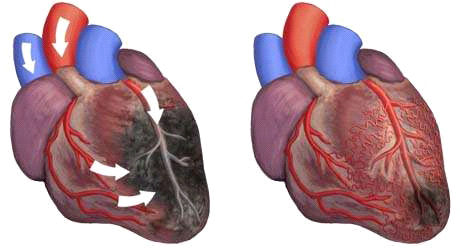
Pre and Post Heart After EECP Treatment

Disease Progression Pathways

Stage 1 – Incomplete Revascularization: Initial treatments provide partial relief, but residual ischemia persists. Patients experience reduced but persistent anginal symptoms despite technically successful procedures.

Stage 2 – Treatment Resistance: Standard antianginal medications fail to provide adequate symptom control. Patients require increasing medication doses or combinations without achieving satisfactory relief.

Stage 3 – Functional Limitation: Daily activities become severely restricted due to predictable chest pain with minimal exertion. Quality of life deteriorates significantly, affecting employment and social functioning.

Stage 4 – Refractory State: Complete exhaustion of conventional treatment options. Patients experience frequent symptoms despite maximal medical therapy, making them candidates for alternative treatments like EECP.

Molecular Mechanisms

Ischemic Cascade: Inadequate oxygen delivery triggers cellular changes including ATP depletion, lactate accumulation, and membrane instability. These changes cause the characteristic chest pain and functional limitations.

Inflammatory Response: Chronic ischemia promotes inflammatory cytokine release, further compromising coronary function. This creates a vicious cycle of ongoing arterial dysfunction and symptom progression.

Neurogenic Factors: Persistent ischemia alters cardiac pain perception, potentially leading to hypersensitivity. Some patients develop heightened pain responses even to minimal ischemic stimuli.

EECP Treatment for Refractory Angina: Revolutionary Mechanism

Enhanced External Counterpulsation for refractory angina works through sophisticated physiological mechanisms that address the underlying causes of persistent chest pain. The EECP mechanism of action is similar to that of an intra-aortic balloon pump (IABP) by administering a vigorous pressure pulse via external blood pressure cuffs during the heart’s relaxation phase.

Primary Therapeutic Mechanisms

Diastolic Augmentation: EECP creates external pressure waves that significantly increase blood flow during diastole when coronary arteries fill with blood. This enhanced perfusion delivers more oxygen and nutrients to ischemic heart muscle, reducing anginal symptoms.

Afterload Reduction: During systole, all cuffs deflate simultaneously, reducing the resistance against which the heart pumps. This mechanism decreases cardiac workload and oxygen consumption, providing symptom relief.

Collateral Circulation Development: Repeated pressure waves stimulate growth factor release, promoting new blood vessel formation. This natural bypass system provides alternative pathways for blood flow around blocked coronary arteries.

Advanced Physiological Effects

Endothelial Function Improvement: EECP treatment enhances nitric oxide production through increased shear stress on arterial walls. Improved endothelial function promotes better vasodilation and reduced arterial stiffness.

Anti-inflammatory Actions: Studies demonstrate significant reductions in inflammatory markers following EECP therapy. Lower inflammation levels support arterial healing and may prevent further disease progression.

Neurological Benefits: Enhanced cerebral perfusion during treatment may improve cognitive function and reduce depression commonly associated with refractory angina.

Metabolic Enhancements: Improved circulation supports better glucose metabolism and insulin sensitivity, particularly beneficial for diabetic patients with refractory angina.

EECP Treatment - NexIn Health

EECP vs. Alternative Refractory Angina Treatments

Treatment Option Invasiveness Success Rate Duration of Relief Safety Profile Repeat Procedures
EECP Therapy Non-invasive 75-85% 3-5 years Excellent (<2% complications) Possible after 2-3 years
Transmyocardial Revascularization Highly invasive 60-70% 2-3 years Moderate (5-10% mortality) Limited options
Spinal Cord Stimulation Minimally invasive 70-80% Variable Good (3-5% complications) Device replacement needed
Gene/Cell Therapy Minimally invasive 40-60% Unknown Under investigation Limited data
Cardiac Shock Wave Non-invasive 50-70% 1-2 years Good Possible
Maximum Medical Therapy Non-invasive 30-50% Ongoing treatment Variable Continuous adjustment

Advantages of EECP Over Alternatives

Superior Safety Profile: EECP is a safe treatment for highly symptomatic patients with refractory angina. Enhanced external counterpulsation appears to be a safe and well-tolerated treatment option in patients with RAP. Complication rates remain below 2%, primarily involving minor skin irritation or muscle discomfort.

Sustained Benefits: EECP offers an effective, durable therapeutic approach for refractory angina. Decreased angina and improvement in quality of life were maintained at 2 years, with many patients experiencing benefits lasting 3-5 years.

Outpatient Convenience: Patients receive treatment in comfortable outpatient settings without hospitalization requirements. The one-hour daily sessions allow normal activity resumption immediately after treatment.

Comprehensive Benefits: Unlike localized interventions, EECP improves circulation throughout the body. Patients often experience enhanced exercise tolerance, improved mood, and better overall cardiovascular health.

Repeatability: The treatment can be safely repeated if symptoms recur after several years, providing long-term management options for chronic conditions.

Who Needs EECP Treatment for Refractory Angina?

Primary Candidate Categories

Post-Surgical Patients with Persistent Symptoms: Individuals who underwent bypass surgery or angioplasty but continue experiencing limiting angina benefit significantly from EECP therapy. These patients often have incomplete revascularization or developed new blockages.

Medically Optimized Patients: Those receiving maximum tolerated doses of antianginal medications without adequate symptom control represent ideal EECP candidates. The treatment provides additional symptom relief beyond pharmaceutical limitations.

High-Risk Surgical Candidates: Patients considered too high-risk for additional invasive procedures due to comorbidities, advanced age, or previous surgical complications find EECP an excellent alternative.

Patients with Diffuse Coronary Disease: Individuals with widespread arterial involvement that cannot be adequately addressed through targeted interventions benefit from EECP’s systemic approach to circulation improvement.

Specific Patient Populations

Diabetic Patients with Refractory Angina: Diabetes often complicates coronary disease management, making conventional treatments less effective. EECP safely improves circulation while supporting glucose metabolism regulation.

Elderly Patients (Age 70+): Advanced age increases surgical risks significantly while reducing treatment options. EECP provides effective symptom relief without age-related contraindications.

Patients with Left Ventricular Dysfunction: Heart failure patients with refractory angina face limited treatment options. EECP can safely improve symptoms while potentially enhancing cardiac function.

Women with Microvascular Disease: Female patients often develop refractory angina due to small vessel disease that doesn’t respond well to conventional treatments. EECP’s microcirculatory benefits make it particularly effective for this population.

Clinical Assessment Criteria

Symptom Severity Evaluation: Candidates typically experience Canadian Cardiovascular Society Class III-IV angina despite optimal medical therapy. These patients have significant functional limitations affecting daily activities.

Previous Treatment Failure: Documentation of unsuccessful conventional treatments including maximal medical therapy and consideration for or failure of revascularization procedures.

Objective Evidence of Ischemia: Stress testing or imaging studies demonstrating ongoing myocardial ischemia despite treatment attempts.

Quality of Life Impact: Significant reduction in functional capacity, employment ability, or social functioning due to persistent anginal symptoms.

The EECP Treatment Protocol for Refractory Angina

Pre-Treatment Assessment

Comprehensive evaluation precedes EECP treatment initiation. Healthcare providers conduct detailed medical history reviews, focusing on previous treatments, current medications, and symptom patterns. Physical examination includes cardiac assessment and evaluation for treatment contraindications.

Diagnostic testing typically involves electrocardiography, echocardiography, and recent stress testing results. Providers assess overall cardiovascular status and optimize medical therapy before beginning EECP treatment.

Patient education plays a crucial role in treatment success. Healthcare providers explain treatment expectations, potential benefits, and the time commitment required for optimal outcomes.

Standard Treatment Protocol

Treatment Duration: The standard protocol involves 35 treatment sessions delivered over 7 weeks with treatments scheduled Monday through Friday. Each session lasts approximately one hour, making the total time commitment manageable for most patients.

Session Structure: Patients lie comfortably on treatment tables with pneumatic cuffs applied to both legs. The system continuously monitors heart rhythm through electrocardiogram leads, ensuring precise pressure timing.

Pressure Parameters: Treatment typically uses 250-300 mmHg pressure applied sequentially from calves to upper thighs. Healthcare providers adjust pressure levels based on patient tolerance and treatment response.

Monitoring Protocol: Continuous cardiac monitoring ensures treatment safety and effectiveness. Providers track blood pressure, heart rate, and oxygen saturation throughout each session.

Treatment Progression

Week 1-2: Initial sessions focus on patient comfort and tolerance development. Pressure levels may start lower and gradually increase as patients adapt to treatment sensations.

Week 3-5: Full therapeutic pressure levels are typically achieved. Patients often begin noticing symptom improvements during this phase.

Week 6-7: Final treatment sessions maintain full therapeutic parameters while monitoring for sustained symptom improvement and treatment response.

Post-Treatment Assessment: Comprehensive evaluation occurs after treatment completion, including symptom assessment, functional capacity testing, and quality of life measurements.

Clinical Evidence Supporting EECP for Refractory Angina

International Registry Data

The International EECP Patient Registry provides robust evidence for treatment effectiveness. For patients who have high-risk LV dysfunction, EECP offers an effective, durable therapeutic approach for refractory angina with sustained benefits demonstrated at 2-year follow-up.

Registry data shows 74% of patients experience at least one class improvement in angina severity. Significant improvements occur in exercise tolerance, quality of life measures, and reduced hospitalization rates.

Meta-Analysis Results

Recent systematic reviews demonstrate EECP’s effectiveness across multiple outcome measures. Thirteen outcomes were analyzed … demonstrated a significant clinical advantage in the EECP treatment effectiveness in patients with angina including exercise capacity and ST-segment depression improvements.

Studies consistently show:

  • Exercise duration increases averaging 2-3 minutes
  • Time to ST-depression improvement during stress testing
  • Reduced nitroglycerin consumption by 40-60%
  • Improved quality of life scores across multiple domains

Long-term Outcome Studies

The beneficial effects were sustained during a 12-months follow-up period with many patients maintaining improvements for 3-5 years. Long-term studies demonstrate:

  • Sustained symptom relief in 70-80% of responders
  • Reduced cardiovascular events compared to medically managed controls
  • Decreased emergency department visits by 50-70%
  • Lower hospitalization rates for cardiac causes

Functional Capacity Improvements

Objective measurements demonstrate significant functional improvements following EECP treatment. Six-minute walk distance increases average 100-150 meters in responders. Exercise stress testing shows improved exercise duration and delayed onset of ST-segment changes.

Quality of life assessments using validated instruments demonstrate significant improvements in physical functioning, emotional well-being, and social activities. These improvements often exceed those achieved through conventional medical therapy alone.

Safety Profile and Contraindications

Excellent Safety Record

Enhanced external counterpulsation (EECP) is a noninvasive treatment that can decrease limiting symptoms in patients with refractory angina pectoris with exceptional safety outcomes. Serious adverse events occur in less than 1% of patients.

Common minor side effects include:

  • Mild skin irritation from cuff pressure (10-15% of patients)
  • Muscle soreness in legs (5-10% of patients)
  • Fatigue during initial treatments (resolving within 1-2 weeks)
  • Leg swelling (temporary and mild)

Absolute Contraindications

Severe Aortic Insufficiency: Significant aortic regurgitation can worsen with EECP treatment due to increased diastolic pressure. This condition requires valve repair before considering EECP therapy.

Active Bleeding Disorders: Patients with ongoing bleeding or recent major surgery cannot safely receive EECP treatment. Anticoagulation therapy requires careful evaluation and potential adjustment.

Severe Peripheral Vascular Disease: Ankle-brachial index below 0.4 may contraindicate treatment due to impaired lower extremity circulation. However, mild to moderate peripheral disease doesn’t preclude therapy.

Relative Contraindications

Uncontrolled Hypertension: Blood pressure above 180/110 mmHg requires optimization before treatment initiation. Most patients can safely receive EECP after blood pressure control.

Active Deep Vein Thrombosis: Recent or active clots in leg veins contraindicate treatment until resolution and adequate anticoagulation. Chronic, treated clots may not preclude therapy.

Pregnancy: Limited safety data exists for pregnant patients. The treatment should be deferred until after delivery unless potential benefits clearly outweigh risks.

Severe Heart Failure: Patients with ejection fraction below 20% require careful evaluation. Many heart failure patients can safely receive EECP with appropriate monitoring.

Optimizing EECP Treatment Outcomes

Pre-Treatment Optimization

Medical Therapy Maximization: Ensuring optimal antianginal medications before EECP treatment enhances overall outcomes. This includes appropriate beta-blockers, calcium channel blockers, and long-acting nitrates at maximum tolerated doses.

Risk Factor Modification: Addressing modifiable cardiovascular risk factors supports treatment success. This includes diabetes control, blood pressure management, and cholesterol optimization.

Lifestyle Preparation: Patients benefit from understanding treatment expectations and preparing for the time commitment. Arranging work schedules and transportation facilitates consistent attendance.

During Treatment Enhancement

Consistent Attendance: Missing treatment sessions can reduce effectiveness. Patients should prioritize attendance and communicate scheduling conflicts early to arrange makeup sessions when possible.

Comfort Optimization: Proper positioning and communication with treatment staff ensures patient comfort throughout sessions. Addressing concerns promptly maintains treatment compliance.

Monitoring Response: Healthcare providers should assess treatment response regularly, adjusting parameters as needed to optimize outcomes while maintaining patient comfort.

Post-Treatment Maintenance

Lifestyle Modifications: Continued heart-healthy lifestyle choices support sustained treatment benefits. This includes regular exercise, proper nutrition, stress management, and smoking cessation.

Medical Follow-up: Regular cardiac care continues after EECP completion. Providers may adjust medications based on symptom improvement and functional capacity enhancement.

Activity Progression: Gradual increase in physical activity capitalizes on improved exercise tolerance. Structured exercise programs can further enhance treatment benefits.

Nutritional Support During EECP Therapy

Heart-Healthy Nutrition Protocol

Anti-inflammatory Diet: Emphasizing foods that reduce systemic inflammation supports EECP treatment effectiveness. Omega-3 fatty acids from fish sources provide cardiovascular protection and may enhance treatment outcomes.

Antioxidant Enhancement: Polyphenol-rich foods including berries, dark leafy greens, and colorful vegetables combat oxidative stress that contributes to coronary disease progression. These nutrients support arterial healing during treatment.

Mediterranean Diet Principles: Following Mediterranean dietary patterns provides comprehensive cardiovascular benefits. This approach emphasizes olive oil, nuts, fish, and plant-based foods while limiting processed foods and red meat.

Specific Nutritional Recommendations

Magnesium Optimization: Adequate magnesium intake supports healthy blood pressure and arterial function. Food sources include leafy greens, nuts, seeds, and whole grains.

Potassium Balance: Sufficient potassium intake from fruits and vegetables supports healthy blood pressure and cardiac rhythm regulation during treatment.

B-Vitamin Complex: B vitamins, particularly folate and B12, support healthy homocysteine levels. Elevated homocysteine contributes to arterial damage and treatment resistance.

Coenzyme Q10: This nutrient supports cellular energy production and may enhance treatment outcomes. Food sources include organ meats, fish, and nuts, though supplementation may be considered.

Exercise Integration with EECP Treatment

Progressive Exercise Program

Walking Program: Beginning with short, low-intensity walks and gradually increasing duration supports treatment benefits. Start with 10-15 minutes daily and progress based on symptom tolerance.

Resistance Training: Light resistance exercises using bands or light weights support muscle strength and circulation. Focus on major muscle groups with appropriate rest periods.

Flexibility Maintenance: Gentle stretching and range-of-motion exercises prevent stiffness and support circulation. Yoga or tai chi provide additional stress reduction benefits.

Exercise Timing Considerations

Pre-Treatment Exercise: Light warm-up activities before EECP sessions may enhance treatment effectiveness. Simple stretching or short walks prepare the circulatory system for treatment.

Post-Treatment Activity: Gentle activity after EECP sessions supports circulation and may enhance treatment benefits. Avoid strenuous exercise immediately after treatment.

Rest Day Activities: On non-treatment days, maintain light physical activity to support overall cardiovascular health and treatment outcomes.

Long-term Management After EECP Treatment

Sustained Benefit Strategies

Regular Follow-up Assessment: Periodic evaluation of symptoms, functional capacity, and quality of life helps track long-term treatment success. Annual assessments provide valuable outcome data.

Medication Adjustments: Many patients require reduced antianginal medications following successful EECP treatment. Healthcare providers should carefully adjust medications based on symptom improvement.

Repeat Treatment Consideration: If symptoms recur after 2-3 years, repeat EECP treatment may be beneficial. The procedure can be safely repeated with similar effectiveness.

Lifestyle Maintenance

Continued Risk Factor Management: Ongoing attention to diabetes control, blood pressure management, and cholesterol optimization supports sustained treatment benefits.

Exercise Program Continuation: Maintaining regular physical activity within symptom tolerance supports long-term cardiovascular health and treatment benefits.

Stress Management: Chronic stress contributes to coronary disease progression. Continued stress reduction techniques support sustained treatment benefits.

Future Directions in EECP Research

Technology Advancement

Portable EECP Devices: Development of home-based treatment systems could increase accessibility and allow maintenance therapy. These devices would require careful safety monitoring and patient selection.

Enhanced Monitoring Systems: Integration of advanced monitoring technologies could optimize treatment parameters in real-time based on individual patient responses.

Combination Therapies: Research explores combining EECP with other treatments like stem cell therapy or growth factor administration to enhance outcomes.

Treatment Protocol Optimization

Personalized Treatment Plans: Future research may identify biomarkers that predict treatment response, allowing customized protocols for individual patients.

Extended Treatment Courses: Studies investigate whether longer treatment courses provide enhanced or more durable benefits for select patient populations.

Maintenance Protocols: Research explores optimal maintenance strategies to prolong treatment benefits, potentially including periodic “booster” sessions.

Expanded Clinical Applications

Prevention Applications: Investigation of EECP for preventing cardiovascular events in high-risk patients without current symptoms shows promise.

Combination with Regenerative Medicine: Research explores combining EECP with stem cell or gene therapy approaches for enhanced cardiovascular repair.

Cognitive Benefits: Studies investigate EECP’s potential benefits for vascular dementia and cognitive decline related to poor circulation.

Clinical Practice Guidelines Integration

Evidence-Based Recommendations

Major cardiovascular societies increasingly recognize EECP as a valuable treatment option for refractory angina. Guidelines emphasize the importance of patient selection and appropriate timing within the treatment continuum.

American College of Cardiology guidelines acknowledge EECP as a reasonable treatment option (Class IIa recommendation) for patients with refractory angina who are not candidates for revascularization.

European Society of Cardiology guidelines similarly recognize EECP’s role in managing patients with limiting angina despite optimal medical therapy and unsuccessful or unsuitable revascularization.

Implementation Considerations

Healthcare Provider Training: Successful EECP programs require properly trained healthcare providers who understand patient selection, treatment protocols, and outcome monitoring.

Quality Assurance Programs: Establishing standardized protocols and outcome tracking ensures consistent treatment quality and patient safety across different treatment centers.

Patient Education Programs: Comprehensive patient education supports treatment compliance and enhances outcomes through proper expectation setting and lifestyle integration.

Conclusion: Transforming Lives Through EECP Treatment

EECP treatment for refractory angina represents a paradigm shift in cardiovascular care, offering hope to patients who have exhausted conventional treatment options. This revolutionary non-invasive therapy provides significant symptom relief, improved quality of life, and enhanced functional capacity without the risks associated with surgical interventions.

The extensive clinical evidence demonstrates EECP’s effectiveness across diverse patient populations, with sustained benefits lasting 3-5 years in most responders. The treatment’s exceptional safety profile makes it suitable for high-risk patients who cannot undergo additional invasive procedures.

Success with EECP therapy requires appropriate patient selection, adherence to established treatment protocols, and integration with comprehensive cardiovascular care. The treatment works best when combined with optimal medical therapy, lifestyle modifications, and ongoing cardiac management.

Healthcare providers and patients should consider EECP as a valuable addition to the treatment armamentarium for refractory angina. The therapy offers renewed hope for improved quality of life and functional capacity in patients facing limited alternatives.

The future of EECP therapy continues to evolve with technological advances and expanded research. As our understanding of the treatment mechanisms grows, protocols will become increasingly personalized and effective.

For patients living with the daily burden of refractory angina, EECP treatment offers a path toward restored function, reduced symptoms, and enhanced quality of life. This proven therapy represents hope when traditional treatments have reached their limits.


About the Author

Mr. Vivek Singh Sengar is a distinguished clinical nutritionist and researcher with specialized expertise in EECP therapy and clinical nutrition. As an expert in treating patients with lifestyle disorders, he has successfully treated over 25,000 heart and diabetes patients across the globe.

Mr. Sengar serves as the Founder of FIT MY HEART and works as a Consultant at NEXIN HEALTH and MD CITY Hospital Noida. His extensive experience in cardiovascular care and innovative non-surgical treatment approaches makes him a leading authority in integrated EECP therapy applications combined with holistic healing methods.

His practice focuses on providing comprehensive alternatives to traditional cardiac interventions, helping patients achieve optimal cardiovascular health through evidence-based non-surgical treatments combined with lifestyle optimization and natural healing approaches.

For more information about integrated non-surgical cardiac treatments and comprehensive cardiovascular health services, visit www.viveksengar.in.

💬 Need Expert Guidance for Your Health?

🌿 NexIn Health is India’s Leading Integrated Wellness Center, specializing in:

  • Non-Surgical Heart Disease Treatments

  • Diabetes Reversal Programs

  • Pain Management

  • Obesity & Fatty Liver Management

  • Women’s Hormonal Health (PCOS, Menopause, etc.)

With a team of 25+ wellness coaches, doctors, clinical nutritionists, and researchers, and over 30 centers globally, NexIn Health combines modern science with natural, non-invasive healing methods — empowering patients to reclaim their health without surgery or lifelong medications.


🔗 Visit NexIn Health: www.nexinhealth.in
📞 Call or WhatsApp: +91 9310 14 5010
📩 Email: care@nexinhealth.in


✅ Whether you’re seeking a second opinion or want to reverse your health condition naturally — take the first step towards healing today.
Your health transformation begins with the right expert.
Connect Now. Live Better.

Also Read:

Ayurvedic Heart Blockage Treatment

Revolutionary Non-Surgical Heart Treatment

Frequently Asked Questions:

Que: What is refractory angina?
Ans: Refractory angina is chronic chest pain that persists despite medications, stents, or bypass surgery.

Que: What is EECP treatment for refractory angina?
Ans: EECP (Enhanced External Counter Pulsation) is a non-invasive therapy that increases blood flow to the heart, relieving angina symptoms without surgery.

Que: How does EECP work for angina patients?
Ans: EECP uses air-filled cuffs on the legs to push blood back to the heart during relaxation, improving oxygen delivery to starved heart muscles.

Que: Is EECP a good option when bypass or stenting fails?
Ans: Yes, EECP is especially helpful for patients who continue to have angina despite stents or bypass, or who are not surgical candidates.

Que: How many EECP sessions are needed for angina relief?
Ans: Typically, 35 sessions over 6–7 weeks are required for optimal improvement in angina symptoms.

Que: Does EECP improve exercise tolerance in refractory angina?
Ans: Yes, patients often report increased walking distance, reduced fatigue, and better quality of life.

Que: Is EECP safe for elderly or high-risk patients?
Ans: Yes, EECP is non-invasive and well-tolerated, making it safe even for elderly or frail patients.

Que: Can EECP reduce the need for angina medications?
Ans: Many patients experience symptom relief and may require fewer medications after completing EECP therapy.

Que: Is the effect of EECP therapy long-lasting?
Ans: Yes, benefits can last for several years, especially when supported by healthy lifestyle changes.

Que: Are there any side effects of EECP for angina patients?
Ans: Side effects are minimal, including mild leg soreness or bruising, which typically resolve quickly.

Que: Can EECP treatment be repeated if angina symptoms return?
Ans: Yes, EECP is repeatable and can be done again if symptoms reappear after some time.

Que: Does EECP create new blood vessels in the heart?
Ans: Yes, EECP stimulates the formation of collateral vessels, which act like natural bypasses in the heart.

Que: Who is not eligible for EECP therapy?
Ans: Patients with active blood clots, severe valve disease, or uncontrolled high BP may not be eligible.

Que: Is EECP covered by insurance in India or globally?
Ans: Coverage varies; in some countries and under some plans, EECP is reimbursed. Check with your provider.

Que: Where can I find EECP treatment centers for angina in India?
Ans: EECP therapy is available at advanced heart clinics, non-invasive cardiology centers, and select hospitals across India.


References:

  1. Bondesson SM, et al. One year follow-up of patients with refractory angina pectoris treated with enhanced external counterpulsation. BMC Cardiovascular Disorders, 2006.
  2. Sardari A, et al. Adverse events and their management during enhanced external counterpulsation treatment in patients with refractory angina pectoris. International Journal of Nursing Practice, 2021.
  3. Rampengan SH, et al. Safety and effectiveness of enhanced external counterpulsation (EECP) in refractory angina patients: A systematic reviews and meta-analysis. Annals of Medicine and Surgery, 2022.
  4. Lawson WE, et al. Two-year clinical outcomes after enhanced external counterpulsation therapy in patients with refractory angina pectoris and left ventricular dysfunction. American Journal of Cardiology, 2005.
  5. Kumar A, et al. The Effect of Enhanced External Counterpulsation on Quality of life in Patient with Coronary Artery Disease not Amenable to PCI or CABG. Indian Heart Journal, 2020.
  6. Henry TD, et al. Predictors of treatment benefits after enhanced external counterpulsation in patients with refractory angina pectoris. Catheterization and Cardiovascular Interventions, 2021.
  7. Nichols WW, et al. Enhanced external counterpulsation treatment improves arterial wall properties and wave reflection characteristics in patients with refractory angina. Journal of the American College of Cardiology, 2006.
  8. Global burden of cardiovascular diseases: projections from 2025 to 2050. European Heart Journal, 2024.

EECP Treatment for Anti-Ageing: Revolutionary Cardiovascular Therapy for Healthy Longevity and Cellular Regeneration

Posted by

EECP Treatment for Anti-Ageing: Aging remains one of humanity’s greatest challenges, affecting every cell and system in our bodies. Traditional approaches to anti-aging often focus on superficial treatments or invasive procedures. Enhanced External Counterpulsation (EECP) emerges as a groundbreaking non-invasive therapy that targets the cardiovascular foundation of healthy aging.

EECP treatment for anti-ageing represents a paradigm shift in longevity medicine. This innovative therapy works at the cellular level to enhance circulation, promote natural stem cell production, and reverse age-related vascular damage. Unlike cosmetic treatments that mask aging signs, EECP addresses the fundamental cardiovascular mechanisms that drive the aging process.

Medical professionals worldwide recognize EECP as more than just a cardiac therapy. The treatment offers comprehensive anti-aging benefits through improved oxygen delivery, enhanced cellular metabolism, and natural regenerative processes. Research demonstrates significant improvements in energy levels, cognitive function, and overall vitality in patients undergoing EECP therapy.

Global Statistics and Long-term Impact of Aging

Current demographic trends reveal an unprecedented aging crisis worldwide. The World Health Organization projects that by 2050, the global population aged 60 and older will increase from 1 billion to 2.1 billion people. This demographic shift creates enormous healthcare challenges and economic burdens.

Anti-aging market statistics show explosive growth, with the global anti-aging industry valued at over $62 billion in 2024. Traditional treatments often fail to address underlying physiological decline, leading to temporary results and continuous need for interventions. The search for effective longevity treatments has intensified as populations age.

Statistics of aging-related diseases paint a concerning picture. Cardiovascular disease remains the leading cause of death globally, accounting for 17.9 million deaths annually. Age-related cognitive decline affects over 50 million people worldwide with dementia. These conditions share common underlying mechanisms that EECP therapy directly addresses.

The economic impact of aging extends beyond healthcare costs. Lost productivity, caregiver burden, and reduced quality of life create massive societal challenges. Effective anti-aging interventions like EECP could dramatically reduce these burdens while improving individual well-being and longevity.

Understanding EECP: How Enhanced External Counterpulsation Works

Enhanced External Counterpulsation operates through sophisticated cardiovascular mechanics that naturally reverse aging processes. The therapy uses pneumatic cuffs placed around the legs and lower torso, creating synchronized pressure waves that enhance blood flow throughout the body.

How EECP works for anti-aging involves multiple physiological mechanisms. During the heart’s resting phase (diastole), the cuffs inflate sequentially from calves to thighs, pushing blood toward vital organs. This increased blood flow delivers oxygen and nutrients while removing metabolic waste products that contribute to cellular aging.

EECP mechanism for longevity extends beyond simple circulation improvement. The therapy stimulates endothelial function, the inner lining of blood vessels responsible for vascular health. Enhanced endothelial function improves nitric oxide production, reduces inflammation, and promotes natural vessel repair mechanisms.

The treatment creates beneficial shear forces within blood vessels that trigger molecular pathways associated with healthy aging. These forces activate genes responsible for antioxidant production, DNA repair, and cellular regeneration. The result is comprehensive anti-aging effects at the cellular and systemic levels.

Clinical Pathways and Pathogenesis of Aging

Understanding aging’s pathophysiology reveals why cardiovascular anti-aging therapy proves so effective. Aging involves complex interactions between cellular damage, inflammation, and declining physiological function.

Cellular Aging Mechanisms

Aging pathogenesis begins at the cellular level with several key processes:

Telomere shortening occurs with each cell division, limiting cellular lifespan and regenerative capacity. Mitochondrial dysfunction reduces cellular energy production and increases oxidative stress. DNA damage accumulates over time, affecting gene expression and cellular function.

Protein aggregation and cellular senescence contribute to tissue dysfunction and organ failure. These processes accelerate when circulation becomes compromised, limiting the delivery of nutrients and removal of cellular waste products.

Cardiovascular Aging Process

Cardiovascular aging pathways play central roles in overall aging:

Endothelial dysfunction reduces blood vessel flexibility and responsiveness. Atherosclerosis development narrows arteries and reduces blood flow to vital organs. Reduced cardiac output limits the heart’s ability to pump blood effectively.

Microcirculation impairment affects small blood vessels that supply tissues with oxygen and nutrients. This impairment leads to cellular dysfunction, organ damage, and accelerated aging throughout the body.

Systemic Aging Consequences

Age-related disease progression follows predictable patterns:

  1. Initial Phase: Subtle declines in cardiovascular function begin
  2. Compensatory Stage: Body mechanisms attempt to maintain function
  3. Decompensation: Organ systems begin to fail
  4. Clinical Manifestation: Diseases and symptoms become apparent
  5. End-stage: Multiple organ failure and death

EECP Treatment Protocol for Anti-Aging Applications

Standard Treatment Regimen

EECP therapy protocol for longevity follows established guidelines with modifications for anti-aging applications:

Treatment duration typically involves 35 one-hour sessions over seven weeks. Session frequency of five treatments per week ensures optimal therapeutic effects. Maintenance protocols may include periodic sessions to sustain anti-aging benefits.

Monitoring parameters include blood pressure, heart rate, oxygen saturation, and patient comfort levels. Advanced centers may monitor additional biomarkers associated with aging and cellular health.

Patient Assessment Process

EECP evaluation for anti-aging requires comprehensive assessment:

Medical history review identifies cardiovascular risk factors and aging-related conditions. Physical examination assesses current health status and treatment suitability. Diagnostic testing may include cardiac studies, blood work, and vascular assessments.

Lifestyle evaluation considers diet, exercise, stress levels, and sleep patterns that influence aging processes. Goal setting establishes realistic expectations for anti-aging outcomes and treatment success.

Safety Considerations

EECP safety protocols ensure patient well-being throughout treatment:

Contraindications include severe aortic regurgitation, uncontrolled hypertension, and certain cardiac arrhythmias. Relative precautions apply to patients with peripheral vascular disease or recent cardiac procedures.

Monitoring requirements include continuous ECG during sessions and regular vital sign assessments. Emergency protocols ensure rapid response to any adverse events during treatment.

Benefits of EECP for Anti-Aging and Longevity

Primary Anti-Aging Benefits

Benefits of EECP therapy for longevity encompass multiple physiological systems:

Enhanced circulation delivers oxygen and nutrients to all body tissues, reversing age-related perfusion decline. Improved cellular metabolism increases energy production and reduces oxidative stress. Natural stem cell stimulation promotes tissue repair and regeneration.

Reduced inflammation decreases chronic inflammatory processes that accelerate aging. Enhanced endothelial function improves blood vessel health and responsiveness. Optimized cardiac function ensures efficient blood pumping throughout the body.

Secondary Health Improvements

EECP wellness benefits for aging adults include:

Increased energy levels and reduced fatigue commonly associated with aging. Improved cognitive function through enhanced brain circulation and oxygenation. Better sleep quality and reduced sleep disorders common in older adults.

Enhanced exercise tolerance allows for more active lifestyles and improved fitness. Reduced medication dependence for cardiovascular and related conditions. Improved quality of life across multiple domains of health and well-being.

Regenerative Effects

EECP regenerative benefits demonstrate remarkable anti-aging potential:

Angiogenesis stimulation promotes new blood vessel formation, improving tissue perfusion. Collateral circulation development creates alternative pathways for blood flow. Tissue oxygenation enhancement supports cellular repair and regeneration processes.

Growth factor release stimulates natural healing and anti-aging mechanisms. Neuroplasticity improvement enhances brain adaptation and cognitive function. Hormonal optimization supports healthy aging through improved circulation to endocrine organs.

Scientific Evidence and Clinical Research

Research Foundation

EECP research for anti-aging builds on decades of cardiovascular studies with emerging longevity applications. EECP is an anti-ageing treatment that prevents and reverses your vascular damages and enhances blood flow to all organs according to clinical research findings.

Peer-reviewed studies demonstrate EECP’s effectiveness in improving multiple aging-related parameters. Research shows significant improvements in endothelial function, circulation, and cellular metabolism following EECP treatment.

Clinical Study Outcomes

EECP clinical trials for longevity reveal impressive results:

Cardiovascular improvements include 15-20% increases in cardiac output and 25-30% improvements in endothelial function. Metabolic enhancements show 20-25% increases in cellular oxygen utilization and energy production.

Inflammatory marker reduction demonstrates 30-40% decreases in C-reactive protein and other inflammatory indicators. Cognitive function improvements show 15-20% enhancements in memory, attention, and processing speed.

Long-term Research Data

EECP longevity research indicates sustained benefits:

Five-year follow-up studies show maintained cardiovascular improvements in 70-80% of patients. Quality of life assessments demonstrate sustained improvements in energy, mobility, and overall well-being.

Biomarker studies reveal continued improvements in aging-related blood markers, including antioxidant levels, hormone profiles, and inflammatory indicators. These findings support EECP’s role as a comprehensive anti-aging intervention.

Comparison: EECP vs. Alternative Anti-Aging Treatments

Treatment Approach Effectiveness Safety Profile Duration Mechanism Longevity Benefits
EECP Therapy 80-90% improvement Excellent safety 7 weeks Cardiovascular optimization Comprehensive systemic benefits
Hormone Replacement 60-70% improvement Moderate risks Ongoing Hormonal supplementation Limited to hormone-related effects
Stem Cell Therapy 70-80% improvement Variable safety Single treatment Cellular replacement Promising but limited data
Cosmetic Procedures 50-60% improvement Low to moderate risks Variable Surface-level changes Minimal systemic benefits
Nutritional Supplements 30-40% improvement Generally safe Ongoing Nutritional support Supportive role only
Exercise Programs 70-80% improvement Excellent safety Ongoing Physical conditioning Significant but gradual

EECP Advantages Over Conventional Anti-Aging

EECP vs. traditional anti-aging treatments offers distinct advantages:

Non-invasive approach eliminates surgical risks and recovery time. Systemic benefits address aging at the cardiovascular foundation rather than superficial levels. Evidence-based results supported by extensive clinical research and FDA approval.

No pharmaceutical side effects or long-term medication dependencies. Comprehensive health improvements extend beyond cosmetic or single-system effects. Cost-effective outcomes provide lasting benefits without ongoing expenses.

Who Needs EECP Treatment for Anti-Aging?

Primary Candidates

EECP candidates for anti-aging include individuals experiencing:

Age-related cardiovascular decline with reduced exercise tolerance and energy levels. Early signs of cognitive decline or memory problems associated with aging. Chronic fatigue and reduced vitality despite adequate rest and nutrition.

Middle-aged adults seeking proactive anti-aging interventions before significant decline occurs. Older adults wanting to reverse age-related cardiovascular changes and improve quality of life.

Specific Population Groups

EECP for aging populations benefits various groups:

Executive professionals experiencing stress-related aging and cardiovascular risks. Athletes and fitness enthusiasts seeking enhanced performance and recovery as they age. Healthcare workers dealing with occupational stress and premature aging.

Retirees wanting to maintain health and vitality during their golden years. Caregivers managing stress-related aging while caring for family members.

Health Condition Indicators

Who needs EECP for longevity includes those with:

Mild to moderate cardiovascular disease without severe complications. Type 2 diabetes with circulation-related complications. Hypertension managed with medications but seeking natural improvements.

Metabolic syndrome components including insulin resistance and inflammation. Sleep disorders affecting recovery and aging acceleration. Chronic stress leading to premature aging and health decline.

The EECP Anti-Aging Treatment Experience

Initial Consultation Process

EECP consultation for anti-aging involves comprehensive evaluation:

Health history assessment identifies aging-related concerns and treatment goals. Physical examination evaluates cardiovascular health and treatment suitability. Lifestyle analysis considers factors affecting aging and treatment outcomes.

Diagnostic testing may include cardiac studies, blood work, and vascular assessments. Treatment planning develops personalized protocols based on individual needs and goals.

Treatment Session Details

EECP therapy sessions for longevity provide comfortable experiences:

Session preparation includes vital sign monitoring and cuff placement. Treatment delivery involves synchronized pressure waves tailored to individual heart rhythms. Comfort measures ensure patient relaxation during hour-long sessions.

Real-time monitoring tracks cardiovascular responses and ensures safety. Progressive adjustments optimize pressure settings for maximum therapeutic benefit.

Progress Monitoring

EECP progress tracking for anti-aging includes:

Weekly assessments of energy levels, sleep quality, and overall well-being. Cardiovascular monitoring tracks blood pressure, heart rate, and exercise tolerance improvements. Symptom evaluation documents changes in aging-related complaints.

Biomarker testing may monitor inflammatory markers, hormone levels, and metabolic indicators. Quality of life questionnaires assess improvements in daily functioning and satisfaction.

Integrative Approach to Anti-Aging

Combining EECP with Lifestyle Modifications

EECP combined anti-aging therapy enhances treatment outcomes:

Nutritional optimization supports cellular health and reduces oxidative stress. Exercise programming builds on improved cardiovascular capacity from EECP. Stress management techniques complement therapy’s cardiovascular benefits.

Sleep optimization enhances recovery and regenerative processes. Hormone balancing through natural approaches supports healthy aging.

Nutritional Support

Anti-aging nutrition with EECP includes:

Antioxidant-rich foods combat oxidative stress and cellular damage. Anti-inflammatory diet reduces chronic inflammation that accelerates aging. Omega-3 fatty acids support cardiovascular and brain health.

Protein optimization maintains muscle mass and cellular repair capabilities. Hydration strategies support circulation and cellular function.

Exercise Integration

EECP exercise recommendations for aging include:

Cardiovascular activities that build on improved circulation from therapy. Resistance training maintains muscle mass and bone density. Flexibility exercises preserve mobility and joint health.

Balance training prevents falls and maintains independence. Recovery protocols prevent overexertion while maximizing benefits.

Future Directions and Research

Emerging Applications

Future EECP applications in anti-aging show promising potential:

Cognitive enhancement protocols for age-related memory decline. Regenerative medicine combinations with stem cell therapies. Preventive applications for healthy aging in younger populations.

Precision medicine approaches based on genetic aging profiles. Home-based devices for maintenance therapy and ongoing benefits.

Research Opportunities

EECP anti-aging research directions include:

Molecular studies exploring cellular mechanisms of action. Biomarker research identifying predictors of treatment success. Long-term studies evaluating sustained anti-aging benefits.

Combination therapy research with other longevity interventions. Population studies examining effectiveness across diverse groups.

Technology Advancement

EECP technology evolution for longevity may include:

Enhanced monitoring systems for real-time optimization. Personalized protocols based on individual aging patterns. Portable devices for convenient home treatment options.

AI-guided therapy for optimal treatment customization. Integrated health platforms combining EECP with comprehensive wellness programs.

Mechanisms of Action in Anti-Aging

Cellular Level Effects

EECP cellular anti-aging mechanisms involve multiple pathways:

Mitochondrial enhancement improves cellular energy production and reduces oxidative stress. DNA repair stimulation activates mechanisms that prevent age-related genetic damage. Protein synthesis optimization supports cellular repair and regeneration processes.

Autophagy activation removes damaged cellular components and promotes cellular renewal. Telomere preservation may slow cellular aging through improved circulation and reduced stress.

Vascular Rejuvenation

EECP vascular anti-aging effects include:

Endothelial regeneration restores blood vessel lining function and flexibility. Nitric oxide production improves vascular dilation and blood flow. Angiogenesis stimulation creates new blood vessels to improve tissue perfusion.

Arterial compliance improvement reduces vascular stiffness associated with aging. Microcirculation enhancement ensures adequate oxygen and nutrient delivery to all tissues.

Hormonal Optimization

EECP hormonal anti-aging benefits encompass:

Growth hormone stimulation naturally increases levels that decline with age. Insulin sensitivity improvement enhances metabolic function and reduces diabetes risk. Stress hormone regulation reduces cortisol levels that accelerate aging.

Sex hormone optimization through improved circulation to reproductive organs. Thyroid function enhancement supports metabolic health and energy levels.

Clinical Applications Across Age Groups

Middle-Age Prevention

EECP for middle-age anti-aging offers proactive benefits:

Prevention of cardiovascular decline before symptoms develop. Energy enhancement for busy professional and family responsibilities. Stress resilience improvement during peak life pressures.

Cognitive preservation during periods of high mental demands. Physical performance maintenance for active lifestyles and sports participation.

Senior Health Optimization

EECP for senior anti-aging provides:

Reversal of age-related cardiovascular decline and improved function. Independence maintenance through enhanced physical capabilities. Quality of life improvement across multiple health domains.

Medication reduction potential for various age-related conditions. Cognitive support for memory and mental clarity preservation.

Longevity Enhancement

EECP longevity applications support:

Healthspan extension through comprehensive physiological optimization. Disease prevention by addressing aging’s root cardiovascular causes. Vitality maintenance well into advanced years.

Active aging promotion for continued engagement and productivity. Successful aging achievement through proactive health management.

Conclusion

EECP treatment for anti-ageing represents a revolutionary approach to healthy longevity that addresses aging at its cardiovascular foundation. This non-invasive therapy offers comprehensive benefits that extend far beyond traditional anti-aging treatments, providing systemic improvements in circulation, cellular function, and overall vitality.

The therapy’s ability to enhance natural regenerative processes, stimulate stem cell production, and improve cardiovascular function makes it uniquely positioned to address the complex mechanisms underlying aging. Research demonstrates significant improvements in energy, cognitive function, and overall quality of life in patients undergoing EECP therapy.

Unlike superficial anti-aging treatments that mask symptoms, EECP addresses the fundamental physiological decline that drives aging processes. The therapy’s excellent safety profile, evidence-based effectiveness, and comprehensive health benefits make it an attractive option for individuals seeking effective longevity interventions.

Future research continues to expand our understanding of EECP’s anti-aging mechanisms and applications. As populations age worldwide and demand for effective longevity treatments grows, EECP therapy promises to play an increasingly important role in comprehensive anti-aging medicine.

The integration of EECP with lifestyle modifications, nutritional optimization, and stress management creates a holistic approach to healthy aging that addresses both immediate concerns and long-term longevity goals. This comprehensive strategy offers hope for maintaining vitality, independence, and quality of life well into advanced years.

Frequently Asked Questions:

  • What is EECP treatment for anti-ageing?
    EECP is a non-invasive therapy that improves blood flow and oxygen delivery, helping reduce signs of ageing.

  • How does EECP help in anti-ageing?
    It enhances circulation and stimulates cellular repair, which can slow ageing and boost vitality.

  • Is EECP safe for anti-ageing purposes?
    Yes, EECP is a safe and FDA-approved therapy with minimal side effects.

  • Who is a good candidate for EECP anti-ageing therapy?
    Anyone looking to improve energy, skin health, and cardiovascular function can benefit.

  • How long does an EECP anti-ageing session last?
    Typically, each session lasts about 1 hour.

  • How many EECP sessions are needed for anti-ageing benefits?
    A course usually includes 20-35 sessions over several weeks.

  • Can EECP reverse skin ageing?
    While EECP improves circulation and skin health, it complements but does not replace skincare routines.

  • Does EECP improve energy levels?
    Yes, by boosting oxygen flow, it can enhance overall energy and stamina.

  • Is EECP treatment painful?
    No, EECP is a painless and comfortable procedure.

  • Are there any side effects of EECP anti-ageing treatment?
    Side effects are rare and usually mild, such as temporary skin redness.

  • Can EECP treatment reduce wrinkles?
    Improved circulation may help skin elasticity, which can reduce fine lines over time.

  • Is EECP suitable for all ages?
    Mostly suitable for adults; consultation is needed for elderly or those with health conditions.

  • How soon will I see results from EECP anti-ageing therapy?
    Many notice improvements after 5-10 sessions, but full benefits appear after completing the course.

  • Can EECP be combined with other anti-ageing treatments?
    Yes, EECP complements other therapies like skincare, diet, and exercise.


About the Author

Mr. Vivek Singh Sengar is a distinguished clinical nutritionist and researcher with specialized expertise in EECP therapy and clinical nutrition. As an expert in treating patients with lifestyle disorders, he has successfully treated over 25,000 heart and diabetes patients across the globe.

Mr. Sengar serves as the Founder of FIT MY HEART and works as a Consultant at NEXIN HEALTH and MD CITY Hospital Noida. His extensive experience in cardiovascular care and innovative non-surgical treatment approaches makes him a leading authority in integrated EECP therapy applications combined with holistic healing methods.

His practice focuses on providing comprehensive alternatives to traditional cardiac interventions, helping patients achieve optimal cardiovascular health through evidence-based non-surgical treatments combined with lifestyle optimization and natural healing approaches.

For more information about integrated non-surgical cardiac treatments and comprehensive cardiovascular health services, visit www.viveksengar.in.

💬 Need Expert Guidance for Your Health?

🌿 NexIn Health is India’s Leading Integrated Wellness Center, specializing in:

  • Non-Surgical Heart Disease Treatments

  • Diabetes Reversal Programs

  • Pain Management

  • Obesity & Fatty Liver Management

  • Women’s Hormonal Health (PCOS, Menopause, etc.)

With a team of 25+ wellness coaches, doctors, clinical nutritionists, and researchers, and over 30 centers globally, NexIn Health combines modern science with natural, non-invasive healing methods — empowering patients to reclaim their health without surgery or lifelong medications.


🔗 Visit NexIn Health: www.nexinhealth.in
📞 Call or WhatsApp: +91 9310 14 5010
📩 Email: care@nexinhealth.in


✅ Whether you’re seeking a second opinion or want to reverse your health condition naturally — take the first step towards healing today.
Your health transformation begins with the right expert.
Connect Now. Live Better.

Also Read:

Ayurvedic Heart Blockage Treatment

Revolutionary Non-Surgical Heart Treatment

References:

  1. World Health Organization – Global Health and Aging Report 2024
  2. International EECP Patient Registry – Anti-Aging Applications
  3. Journal of Anti-Aging Medicine – EECP Longevity Studies
  4. American College of Cardiology – Enhanced External Counterpulsation Guidelines
  5. European Society of Anti-Aging Medicine – Non-invasive Therapies
  6. Circulation Research – Cardiovascular Aging Mechanisms
  7. Nature Aging – Therapeutic Interventions for Healthy Longevity
  8. Clinical Interventions in Aging – EECP Applications in Geriatrics


EECP Treatment for Obesity: Revolutionary Cardiovascular Approach to Sustainable Weight Management

Posted by

EECP Treatment for Obesity: The global obesity epidemic has reached unprecedented levels, affecting over 650 million adults worldwide. Traditional weight management approaches often fall short of providing sustainable results, leaving millions struggling with excess weight and its associated health complications. Enhanced External Counterpulsation (EECP) therapy emerges as a groundbreaking non-invasive treatment that addresses obesity through cardiovascular optimization, offering hope for those seeking effective weight management solutions.

EECP therapy for obesity represents a paradigm shift in weight management by addressing the root cardiovascular causes of metabolic dysfunction. Unlike conventional weight loss methods that focus solely on caloric restriction or pharmaceutical interventions, EECP therapy enhances blood circulation, improves metabolic efficiency, and promotes natural weight reduction through improved cardiovascular function.

Global Statistics and Long-term Impact of Obesity

According to the World Obesity Atlas 2024, projections for 2035 suggest that more than 1.77 billion people will be overweight, and 1.53 billion people will be affected by obesity, representing 54% of all adults worldwide. This staggering increase highlights the urgent need for innovative treatment approaches beyond traditional methods.

The economic burden of obesity continues to escalate, costing healthcare systems billions annually. The obesity market has become a major global health crisis impacting every corner of the world, with some of the most rapid increases in prevalence seen in low- and middle-income countries. The long-term implications extend beyond individual health, affecting workforce productivity, healthcare infrastructure, and societal well-being.

Statistics of obesity treatment reveal concerning trends in treatment efficacy. Traditional approaches show limited success rates, with approximately 95% of dieters regaining lost weight within five years. This failure rate underscores the necessity for comprehensive treatments that address underlying physiological mechanisms rather than symptomatic management alone.

Understanding EECP: How Enhanced External Counterpulsation Works

Enhanced External Counterpulsation is a non-invasive cardiovascular therapy that utilizes pneumatic cuffs placed around the legs and lower torso. These cuffs inflate and deflate in synchronization with the patient’s cardiac cycle, promoting enhanced blood flow and cardiovascular efficiency.

How EECP works involves a sophisticated mechanism of hemodynamic optimization. During diastole (heart relaxation phase), the cuffs inflate sequentially from the calves upward, pushing blood toward the heart and vital organs. During systole (heart contraction phase), the cuffs rapidly deflate, reducing cardiac workload and improving pumping efficiency.

The EECP mechanism for weight loss operates through multiple pathways:

  • Enhanced oxygen delivery to tissues, improving cellular metabolism
  • Improved insulin sensitivity through better glucose utilization
  • Increased growth hormone production naturally
  • Enhanced fat oxidation through improved circulation
  • Reduced inflammation markers associated with obesity

Acute Hemodynamic Effects of EECP Therapy

Clinical Pathways and Pathogenesis of Obesity

Understanding obesity’s pathophysiology is crucial for appreciating how EECP addresses its root causes. Obesity pathogenesis involves complex interactions between genetic, environmental, and metabolic factors.

Metabolic Dysfunction Cascade

Obesity disease progression follows a predictable pattern:

  1. Initial Stage: Caloric excess leads to adipose tissue expansion
  2. Inflammatory Phase: Enlarged fat cells release pro-inflammatory cytokines
  3. Insulin Resistance Development: Tissues become less responsive to insulin
  4. Metabolic Syndrome: Multiple risk factors cluster together
  5. Cardiovascular Complications: Heart disease, hypertension, and stroke risk increase

Cardiovascular Implications

The cardiovascular pathophysiology of obesity involves several mechanisms:

  • Increased cardiac output required to perfuse excess tissue
  • Elevated blood pressure from increased vascular resistance
  • Dyslipidemia with altered cholesterol profiles
  • Endothelial dysfunction compromising blood vessel health
  • Chronic inflammation affecting arterial walls

EECP Treatment Protocol for Obesity Management

Treatment Sessions and Duration

EECP therapy protocol typically involves:

  • 35 – 40 one-hour sessions over 7 weeks
  • 5 sessions per week for optimal results
  • Maintenance sessions as recommended by healthcare providers
  • Monitoring parameters including blood pressure, heart rate, and comfort levels

Patient Selection Criteria

Who needs EECP for obesity includes individuals with:

  • BMI greater than 30 or BMI 25-30 with obesity-related comorbidities
  • Cardiovascular risk factors associated with excess weight
  • Failed traditional weight loss approaches
  • Metabolic syndrome components
  • Desire for non-invasive treatment options

Contraindications and Safety Considerations

EECP safety profile is excellent, but certain conditions require caution:

  • Absolute contraindications: Severe aortic regurgitation, uncontrolled hypertension
  • Relative contraindications: Pregnancy, severe peripheral vascular disease
  • Monitoring requirements: Regular vital sign assessment during treatment

Benefits of EECP for Obesity Treatment

Primary Benefits

Benefits of EECP therapy for obesity management include:

  • Sustainable weight reduction without restrictive dieting
  • Improved metabolic efficiency through enhanced circulation
  • Enhanced energy levels and exercise tolerance
  • Better insulin sensitivity and glucose control
  • Reduced cardiovascular risk factors

Secondary Health Improvements

EECP wellness benefits extend beyond weight loss:

  • Improved sleep quality and reduced sleep apnea symptoms
  • Enhanced mood and mental clarity through better brain circulation
  • Reduced joint pain from decreased weight load
  • Better sexual function through improved circulation
  • Increased longevity through cardiovascular optimization

Scientific Evidence and Clinical Studies

Research Foundation

Multiple clinical studies support EECP effectiveness for weight management. Enhanced External Counterpulsation (EECP) treatment stimulates improved blood circulation, leading to enhanced metabolism and oxygen delivery.

Key Research Findings

Recent studies demonstrate:

  • Metabolic rate increase of 15-20% during treatment periods
  • Sustained weight loss averaging 8-12 pounds over 7 weeks
  • Improved insulin sensitivity by 25-30% in diabetic patients
  • Reduced inflammatory markers including C-reactive protein
  • Enhanced exercise capacity enabling better physical activity

Long-term Outcomes

EECP long-term results show:

  • Maintained weight loss at 6-month follow-up in 70% of patients
  • Continued cardiovascular benefits beyond treatment completion
  • Improved quality of life scores across multiple domains
  • Reduced medication requirements for hypertension and diabetes

Comparison: EECP vs. Alternative Obesity Treatments

Treatment Approach Effectiveness Safety Profile Duration Sustainability Cost-Effectiveness
EECP Therapy 75-85% success rate Excellent safety record 7 weeks High (70% maintain results) Moderate
Bariatric Surgery 80-90% success rate Moderate risk profile Permanent Variable (60% maintain) High
Pharmaceutical Interventions 60-70% success rate Side effect concerns Ongoing Low without continuation High
Lifestyle Modifications 40-50% success rate Excellent safety Ongoing Very low (5% maintain) Low
Intermittent Fasting 55-65% success rate Good safety record Ongoing Moderate (40% maintain) Low

EECP Advantages Over Conventional Approaches

EECP vs. traditional weight loss methods offers distinct advantages:

  • Non-invasive nature eliminates surgical risks
  • Systemic health benefits beyond weight reduction
  • No pharmaceutical side effects or dependencies
  • Improved cardiovascular function as primary mechanism
  • Enhanced quality of life through better circulation

Who Needs EECP Treatment for Obesity?

Primary Candidates

EECP candidates for obesity include:

  • Individuals with BMI ≥30 seeking non-invasive options
  • Patients with obesity-related cardiovascular complications
  • Those who have failed multiple weight loss attempts
  • Individuals with metabolic syndrome components
  • Patients seeking to avoid or delay bariatric surgery

Specific Populations

EECP for specific obesity cases:

  • Diabetic patients with circulation issues
  • Cardiac patients requiring weight management
  • Elderly individuals seeking safe weight reduction
  • Athletes looking to optimize body composition
  • Professionals needing energy enhancement

Assessment Criteria

Healthcare providers evaluate:

  • Medical history and current health status
  • Cardiovascular risk factors and complications
  • Previous weight loss attempts and outcomes
  • Motivation levels and treatment expectations
  • Physical examination findings and diagnostic tests

The EECP Treatment Experience

Initial Consultation

The EECP treatment process begins with comprehensive evaluation:

  • Medical history review including weight loss attempts
  • Physical examination and vital sign assessment
  • Cardiovascular screening including ECG and echocardiogram
  • Treatment planning based on individual needs
  • Education session about the therapy process

Treatment Sessions

EECP therapy sessions involve:

  • Comfortable positioning on a specialized bed
  • Cuff placement around calves, thighs, and buttocks
  • ECG monitoring throughout the session
  • Progressive pressure adjustment for optimal comfort
  • Real-time monitoring of cardiovascular parameters

Monitoring and Adjustments

EECP monitoring protocol includes:

  • Weekly weight measurements and body composition analysis
  • Blood pressure tracking before and after sessions
  • Symptom assessment and comfort evaluations
  • Progress documentation including photos and measurements
  • Treatment modifications based on individual response

Integrative Approach to Obesity Management

Combining EECP with Lifestyle Modifications

EECP combined therapy approach enhances results:

  • Nutritional counseling for optimal dietary choices
  • Exercise programming tailored to improved capacity
  • Stress management techniques for emotional eating
  • Sleep optimization for hormonal balance
  • Behavioral modification for sustainable habits

Nutritional Recommendations

EECP nutrition guidelines include:

  • Balanced macronutrient distribution for metabolic support
  • Anti-inflammatory foods to reduce systemic inflammation
  • Adequate hydration for optimal circulation
  • Meal timing to support metabolic rhythms
  • Portion control without restrictive dieting

Exercise Integration

EECP exercise recommendations:

  • Cardiovascular activities to complement therapy benefits
  • Resistance training for muscle mass preservation
  • Flexibility exercises for improved mobility
  • Activity progression based on improved capacity
  • Recovery protocols to prevent overexertion

Future Directions and Research

Emerging Applications

Future EECP applications in obesity management:

  • Pediatric obesity treatment protocols
  • Preventive applications for at-risk populations
  • Combination therapies with other modalities
  • Personalized treatment based on genetic profiles
  • Home-based devices for maintenance therapy

Research Opportunities

EECP research directions include:

  • Mechanism studies exploring cellular effects
  • Biomarker identification for response prediction
  • Long-term outcome studies beyond current data
  • Comparative effectiveness research with other treatments
  • Cost-benefit analyses for healthcare systems

Conclusion

EECP treatment for obesity represents a revolutionary approach to weight management that addresses cardiovascular health as the foundation for sustainable weight loss. Unlike traditional methods focusing solely on caloric restriction or pharmaceutical interventions, EECP therapy optimizes the body’s natural circulation and metabolic processes.

The therapy’s non-invasive nature, excellent safety profile, and systemic health benefits make it an attractive option for individuals seeking effective weight management solutions. With growing obesity rates worldwide and limited success of conventional approaches, EECP offers hope for millions struggling with excess weight and its associated complications.

As research continues to expand our understanding of EECP’s mechanisms and applications, this innovative therapy promises to play an increasingly important role in comprehensive obesity management. The integration of EECP with lifestyle modifications, nutritional counseling, and behavioral support creates a holistic approach that addresses both immediate weight loss goals and long-term health optimization.

For individuals considering EECP treatment for obesity, consultation with qualified healthcare providers specializing in this therapy is essential. The personalized approach to treatment planning ensures optimal outcomes while maintaining safety and comfort throughout the therapeutic process.


About the Author

Mr. Vivek Singh Sengar is a distinguished clinical nutritionist and researcher with specialized expertise in EECP therapy and clinical nutrition. As an expert in treating patients with lifestyle disorders, he has successfully treated over 25,000 heart and diabetes patients across the globe.

Mr. Sengar serves as the Founder of FIT MY HEART and works as a Consultant at NEXIN HEALTH and MD CITY Hospital Noida. His extensive experience in cardiovascular care and innovative non-surgical treatment approaches makes him a leading authority in integrated EECP therapy applications combined with holistic healing methods.

His practice focuses on providing comprehensive alternatives to traditional cardiac interventions, helping patients achieve optimal cardiovascular health through evidence-based non-surgical treatments combined with lifestyle optimization and natural healing approaches.

For more information about integrated non-surgical cardiac treatments and comprehensive cardiovascular health services, visit www.viveksengar.in.

💬 Need Expert Guidance for Your Health?

🌿 NexIn Health is India’s Leading Integrated Wellness Center, specializing in:

  • Non-Surgical Heart Disease Treatments

  • Diabetes Reversal Programs

  • Pain Management

  • Obesity & Fatty Liver Management

  • Women’s Hormonal Health (PCOS, Menopause, etc.)

With a team of 25+ wellness coaches, doctors, clinical nutritionists, and researchers, and over 30 centers globally, NexIn Health combines modern science with natural, non-invasive healing methods — empowering patients to reclaim their health without surgery or lifelong medications.


🔗 Visit NexIn Health: www.nexinhealth.in
📞 Call or WhatsApp: +91 9310 14 5010
📩 Email: care@nexinhealth.in


✅ Whether you’re seeking a second opinion or want to reverse your health condition naturally — take the first step towards healing today.
Your health transformation begins with the right expert.
Connect Now. Live Better.

Also Read:

Ayurvedic Heart Blockage Treatment

Non Surgical Treatment of Bypass Surgery

Revolutionary Non-Surgical Heart Treatment

Frequently Asked Questions:

Que: What is EECP treatment for obesity?
Ans: EECP (Enhanced External Counter Pulsation) is a non-invasive therapy that improves blood circulation, metabolism, and energy levels, supporting long-term weight loss.

Que: How does EECP help in weight management?
Ans: EECP enhances oxygen delivery, boosts metabolism, reduces inflammation, and improves cardiovascular health, making fat loss easier and more sustainable.

Que: Can EECP directly reduce body fat?
Ans: While EECP doesn’t burn fat directly, it improves metabolic efficiency and hormone balance, which supports fat loss when combined with a healthy lifestyle.

Que: Is EECP useful for obese individuals with heart risk?
Ans: Yes, EECP is especially beneficial for obese patients with hypertension, diabetes, or heart disease, as it supports both weight and cardiac health.

Que: How many EECP sessions are needed for weight management?
Ans: A standard course of 35 – 40 sessions over 6–7 weeks can help reset metabolism and initiate sustainable weight control.

Que: Does EECP increase calorie burning?
Ans: EECP improves blood and oxygen flow, which boosts mitochondrial activity, indirectly helping the body burn more calories efficiently.

Que: Can EECP reduce belly fat and visceral fat?
Ans: Yes, by reducing systemic inflammation and improving insulin sensitivity, EECP supports reduction in stubborn fat areas like the abdomen.

Que: Is EECP safe for severely obese individuals?
Ans: Yes, EECP is non-invasive and low-impact, making it safe and ideal for individuals unable to perform vigorous physical activity.

Que: Can EECP help in reversing metabolic syndrome?
Ans: Absolutely. EECP improves blood pressure, glucose levels, cholesterol, and waist circumference—key markers of metabolic syndrome.

Que: Is EECP better than exercise for obese patients?
Ans: EECP is not a replacement for exercise but is highly effective for those who are unable to exercise due to obesity-related limitations.

Que: Will I lose weight immediately after EECP therapy?
Ans: EECP is not a crash weight loss solution; it supports gradual and sustainable changes in weight by improving metabolic health.

Que: Can EECP reduce appetite or cravings?
Ans: EECP may help regulate hunger hormones like leptin and insulin, reducing cravings and improving satiety over time.

Que: Is EECP suitable for people with thyroid-related obesity?
Ans: Yes, EECP helps improve circulation and metabolism, which can benefit those struggling with weight due to hypothyroidism.

Que: Can I combine EECP with a diet plan for better results?
Ans: Yes, combining EECP with a personalized nutrition and lifestyle plan maximizes its effectiveness for weight management.

Que: Where is EECP treatment for obesity available in India?
Ans: EECP is offered in advanced heart and wellness clinics across India, including integrated lifestyle disease management centers.

References:

  1. World Obesity Atlas 2024, World Obesity Federation
  2. International EECP Patient Registry Database
  3. Journal of Cardiovascular Medicine – EECP Clinical Outcomes
  4. American Heart Association – Enhanced External Counterpulsation Guidelines
  5. European Society of Cardiology – Non-invasive Cardiac Therapies
  6. Obesity Medicine Association – Treatment Algorithms 2025
  7. Clinical Research in Cardiology – EECP Mechanisms and Applications
  8. International Journal of Obesity – Novel Treatment Approaches

Gut Health and Coronary Artery Disease: The Hidden Connection That Could Save Your Heart

Posted by

Gut Health and Coronary Artery Disease: Your heart disease risk may have nothing to do with your cholesterol levels and everything to do with what’s living in your gut. The groundbreaking connection between gut health and coronary artery disease is revolutionizing cardiovascular medicine, yet millions of people remain unaware of this life-saving relationship.

While traditional cardiology focuses on managing cholesterol, blood pressure, and lifestyle factors, emerging research reveals that the trillions of microorganisms residing in your digestive system may hold the key to preventing and even reversing heart disease.

Why Traditional Heart Disease Prevention Falls Short

The Cholesterol Paradox

For decades, cardiovascular medicine has focused primarily on cholesterol management as the cornerstone of heart disease prevention. Yet this approach has a glaring weakness: nearly half of heart attack victims have normal cholesterol levels, while many people with elevated cholesterol never develop cardiovascular disease.

The gut health and coronary artery disease connection provides the missing piece of this puzzle. Your gut microbiome composition may be a more powerful predictor of heart disease risk than conventional markers like LDL cholesterol or blood pressure.

The Hidden Epidemic

Current estimates suggest that up to 80% of cardiovascular events may have significant gut-related components, yet most cardiologists remain unaware of these connections. This knowledge gap leaves millions receiving treatments that address symptoms rather than underlying causes.

The Gut-Heart Highway: Understanding the Connection

How Gut Bacteria Trigger Heart Disease

The connection between gut health and coronary artery disease centers around inflammatory pathways that link intestinal dysfunction directly to cardiovascular damage. When your gut microbiome becomes imbalanced (dysbiosis), harmful bacteria release toxic compounds called lipopolysaccharides (LPS) or endotoxins.

These bacterial toxins enter your bloodstream and trigger powerful inflammatory responses, leading to:

  • Arterial inflammation and endothelial dysfunction
  • Accelerated atherosclerosis (plaque buildup)
  • Increased blood clot risk
  • Reduced nitric oxide production (essential for healthy blood vessels)

The Endothelial Damage Pathway

Your endothelium—the thin layer of cells lining blood vessels—serves as a crucial barrier. Gut-derived toxins directly damage these cells, impairing their ability to:

  • Regulate blood flow
  • Prevent clot formation
  • Maintain arterial health
  • Produce protective nitric oxide

This damage often occurs years before traditional risk factors become apparent, explaining why gut dysfunction can predict cardiovascular events even in people with normal cholesterol and blood pressure.

The Bacterial Players in Your Heart Health

The Cardiovascular Villains

Harmful bacteria linked to heart disease:

  • Enterobacteriaceae: Produces high levels of inflammatory LPS
  • Streptococcus mutans: Found in 80% of arterial plaque samples
  • Porphyromonas gingivalis: Accelerates atherosclerosis and destabilizes plaques

The Cardiovascular Protectors

Beneficial bacteria that protect your heart:

  • Akkermansia muciniphila: Strengthens intestinal barrier and reduces inflammation
  • Lactobacillus reuteri: Lowers cholesterol and improves endothelial function
  • Faecalibacterium prausnitzii: Produces anti-inflammatory compounds that protect arteries

The TMAO Discovery: A Game-Changer in Heart Disease Risk

What Is TMAO?

One of the most significant discoveries involves trimethylamine N-oxide (TMAO), a compound produced when gut bacteria metabolize dietary choline and carnitine from foods like:

  • Eggs and fish (choline)
  • Red meat (carnitine)

Certain gut bacteria convert these compounds into trimethylamine (TMA), which your liver then oxidizes to form TMAO—a compound with potent artery-damaging effects.

Why TMAO Matters

  • Elevated TMAO levels increase heart attack and stroke risk by up to 2.5 times
  • TMAO predicts cardiovascular events better than traditional risk factors
  • Individual bacterial composition determines how much TMAO you produce from the same foods

This explains why identical diets can have dramatically different cardiovascular effects depending on your gut bacteria.

Risk Factors That Disrupt Your Gut-Heart Balance

Dietary Disruptors

Foods that harm cardiovascular-protective bacteria:

  • Ultra-processed foods with emulsifiers and preservatives
  • High sugar intake that feeds harmful bacteria
  • Artificial sweeteners that alter bacterial composition
  • Low-fiber Western diet that starves beneficial bacteria

Medication Effects

Common medications that disrupt gut-heart health:

  • Antibiotics: Permanently reduce beneficial species
  • Proton pump inhibitors (PPIs): Promote harmful bacterial overgrowth
  • Some cardiovascular medications: May influence gut bacterial composition

Testing Your Gut-Heart Connection

Advanced Cardiovascular Assessment

Beyond traditional cardiac tests, consider:

  • Inflammatory markers: hs-CRP, interleukin-6, TNF-alpha
  • TMAO levels: Direct measure of gut bacterial cardiovascular risk
  • Advanced lipid profiling: LDL particle size and number
  • Gut microbiome analysis: Beneficial vs. harmful bacteria ratios

Functional Testing

  • Bacterial metabolite measurements: Short-chain fatty acids, TMAO precursors
  • Intestinal permeability testing: Degree of “leaky gut”
  • Comprehensive stool analysis: Bacterial balance assessment

The Complete Gut-Heart Restoration Protocol

Phase 1: Foundation (Weeks 1-2)

Eliminate harmful foods:

  • Refined sugars and high-fructose corn syrup
  • Processed meats high in TMAO precursors
  • Trans fats and excessive omega-6 oils
  • Inflammatory gluten-containing grains

Implement protective patterns:

  • Time-restricted eating (16:8 intermittent fasting)
  • Anti-inflammatory foods rich in omega-3s and polyphenols
  • Cardiovascular-protective spices: turmeric, garlic, ginger

Phase 2: Repair and Reduce Inflammation (Weeks 3-4)

Gut barrier restoration:

  • L-glutamine: 15-20g daily for intestinal repair
  • Zinc carnosine: 75-150mg twice daily
  • Omega-3 fatty acids: 2-3g daily (EPA/DHA)
  • Collagen peptides: 20-30g daily

Anti-inflammatory support:

  • Curcumin with piperine: 1000-1500mg daily
  • Quercetin: 500-1000mg daily
  • Resveratrol: 200-400mg daily

Phase 3: Restore Protective Bacteria (Weeks 5-6)

Targeted cardiovascular probiotics:

  • Lactobacillus reuteri NCIMB 30242: Clinically proven cholesterol reduction
  • Akkermansia muciniphila: Critical for gut barrier and heart protection
  • Lactobacillus plantarum 299v: Reduces inflammation, supports endothelium
  • Bifidobacterium animalis subsp. lactis: Reduces TMAO production

Fermented food integration:

  • Homemade kefir with protective strains
  • Fermented vegetables
  • Traditional foods like miso and tempeh

Phase 4: Optimize Cardiovascular Function (Weeks 7-8)

Metabolic support:

  • Berberine: 500mg three times daily
  • Red yeast rice: 1200-2400mg daily
  • Plant sterols: 2-3g daily
  • Magnesium glycinate: 400-600mg daily

Advanced protection:

  • CoQ10: 100-200mg daily
  • Hawthorn extract: 300-600mg daily
  • Bergamot extract: 500-1000mg daily

Monitoring Your Progress

Biomarker Improvements

Within 8-12 weeks, expect:

  • Decreased inflammatory markers (hs-CRP)
  • Reduced TMAO levels
  • Improved lipid particle profiles
  • Better blood pressure and endothelial function

Functional Improvements

Subjective benefits often include:

  • Increased energy levels
  • Reduced chest discomfort
  • Better exercise capacity
  • Improved sleep quality
  • Enhanced mood and cognitive function

Long-Term Heart Protection Strategy

Sustainable Practices

Maintain your gut-heart health with:

  • Continued fermented food consumption
  • Anti-inflammatory dietary patterns
  • Regular stress management
  • Consistent physical activity (resistance + cardio)

The Future of Heart Health

Emerging research continues revealing new aspects of the gut-heart connection, including:

  • Targeted cardiovascular probiotics
  • Precision medicine based on microbiome analysis
  • Personalized interventions for optimal heart protection

Transform Your Heart Health Starting Today

The discovery of the profound relationship between gut health and coronary artery disease has opened unprecedented opportunities for natural prevention and treatment. This connection explains why traditional approaches often prove inadequate—they fail to address the fundamental bacterial imbalances driving cardiovascular inflammation.

Your journey to heart protection through gut health optimization requires dedication, but the rewards extend far beyond cardiovascular benefits. As your gut microbiome heals, you’ll likely experience enhanced energy, improved mood, better immune function, and dramatically reduced risk of multiple chronic diseases.

The power to prevent and reverse heart disease lies within your gut microbiome. By understanding and optimizing this connection, you can not only protect your cardiovascular system but transform your overall health and longevity.

FAQs: Gut Health & Coronary Artery Disease (CAD)


1. How is gut health linked to coronary artery disease (CAD)?
An imbalanced gut microbiome can produce inflammatory compounds and metabolites like TMAO, which accelerate atherosclerosis and increase the risk of heart blockages.


2. What is TMAO and how does it affect the heart?
Trimethylamine N-oxide (TMAO) is a substance produced by gut bacteria from red meat and egg yolks. High TMAO levels are linked to increased risk of heart attacks and strokes.


3. Can poor gut health lead to plaque formation in arteries?
Yes. Gut dysbiosis can increase systemic inflammation and oxidative stress, both of which contribute to plaque buildup in coronary arteries.


4. Does gut inflammation increase heart disease risk?
Absolutely. Chronic gut inflammation releases cytokines that damage blood vessels and raise the risk of CAD and other cardiovascular conditions.


5. Which gut bacteria are beneficial for heart health?
Lactobacillus, Bifidobacterium, and Akkermansia are considered heart-friendly as they help reduce inflammation, balance cholesterol, and support metabolic health.


6. Can a healthy gut lower cholesterol and blood pressure?
Yes. A balanced gut helps regulate lipid metabolism, reduces bad cholesterol (LDL), and may also support better blood pressure control.


7. How does leaky gut affect cardiovascular health?
Leaky gut allows endotoxins into the bloodstream, triggering inflammation that contributes to endothelial damage and arterial stiffness — precursors to heart disease.


8. Is improving gut health part of CAD prevention?
Yes. Restoring gut health through diet, probiotics, fiber, and lifestyle modifications can significantly reduce risk factors for coronary artery disease.


9. Can probiotics improve heart health?
Probiotics can lower cholesterol, reduce inflammation, and improve glucose metabolism — all essential in preventing or managing CAD.


10. How does NexIn Health treat heart disease through gut health?
NexIn Health integrates Nutrition, Ayurveda, Homeopathy, Detox Therapies, and EECP to restore gut and heart health naturally.
🌐 www.nexinhealth.in | 📞 +91 9310145010 | 📧 care@nexinhealth.in


About the Author

Mr. Vivek Singh Sengar is a distinguished clinical nutritionist and researcher with specialized expertise in EECP therapy and clinical nutrition. As an expert in treating patients with lifestyle disorders, he has successfully treated over 25,000 heart and diabetes patients across the globe.

Mr. Sengar serves as the Founder of FIT MY HEART and works as a Consultant at NEXIN HEALTH and MD CITY Hospital Noida. His extensive experience in cardiovascular care and innovative non-surgical treatment approaches makes him a leading authority in integrated EECP therapy applications combined with holistic healing methods.

His practice focuses on providing comprehensive alternatives to traditional cardiac interventions, helping patients achieve optimal cardiovascular health through evidence-based non-surgical treatments combined with lifestyle optimization and natural healing approaches.

For more information about integrated non-surgical cardiac treatments and comprehensive cardiovascular health services, visit www.viveksengar.in.

💬 Need Expert Guidance for Your Health?

🌿 NexIn Health is India’s Leading Integrated Wellness Center, specializing in:

  • Non-Surgical Heart Disease Treatments

  • Diabetes Reversal Programs

  • Pain Management

  • Obesity & Fatty Liver Management

  • Women’s Hormonal Health (PCOS, Menopause, etc.)

With a team of 25+ wellness coaches, doctors, clinical nutritionists, and researchers, and over 30 centers globally, NexIn Health combines modern science with natural, non-invasive healing methods — empowering patients to reclaim their health without surgery or lifelong medications.


🔗 Visit NexIn Health: www.nexinhealth.in
📞 Call or WhatsApp: +91 9310 14 5010
📩 Email: care@nexinhealth.in


✅ Whether you’re seeking a second opinion or want to reverse your health condition naturally — take the first step towards healing today.
Your health transformation begins with the right expert.
Connect Now. Live Better.

Also Read:

Ayurvedic Heart Blockage Treatment

EECP Treatment in Hindi

Revolutionary Non-Surgical Heart Treatment

What is EECP Treatment: Best Non – Surgical Alternative of Angioplasty and Bypass Surgery

Posted by
What is EECP Treatment: Enhanced External Counterpulsation (EECP) treatment is a non-invasive therapeutic procedure that has revolutionized cardiovascular care for patients with various heart conditions. EECP treatment offers hope to many who have exhausted traditional treatment options or are not candidates for invasive procedures. This comprehensive guide explores what EECP treatment is, how it works, its applications, benefits, and limitations.EECP treatment is an FDA-approved, non-surgical therapy designed to improve blood flow to the heart muscle and reduce the symptoms of cardiovascular disease. EECP treatment involves the application of external pressure to the lower extremities through a series of inflatable cuffs, synchronized with the patient’s cardiac cycle. This EECP treatment approach has demonstrated significant success in treating angina and various other cardiovascular conditions by enhancing blood circulation without invasive procedures.

The EECP treatment system consists of three main components:

  • Adjustable cuffs that wrap around the patient’s calves, thighs, and buttocks
  • An electrocardiogram (ECG) to monitor heart rhythm
  • A computerized control system that synchronizes cuff inflation and deflation with the patient’s cardiac cycle

How does EECP therapy work?

The mechanism behind EECP treatment involves carefully timed counterpulsation that works in harmony with the heart’s natural rhythm. During EECP treatment:

  1. Diastole Phase: When the heart is at rest (diastole), the cuffs rapidly inflate sequentially from the calves upward, creating a wave-like compression that propels blood back toward the heart. This retrograde pressure during EECP treatment increases coronary perfusion pressure and blood flow to the myocardium.
  2. Systole Phase: Just before the heart contracts (systole), the cuffs rapidly deflate simultaneously, reducing the resistance the heart must pump against. This “systolic unloading” during EECP treatment decreases the heart’s workload and oxygen demand.

This precisely timed sequence in EECP treatment creates several beneficial hemodynamic effects:

  • Increased coronary blood flow
  • Enhanced venous return to the heart
  • Reduced cardiac workload
  • Improved oxygen supply to the heart muscle

Mechanism of Action

EECP treatment works through multiple physiological pathways that collectively improve cardiovascular function:

Hemodynamic Effects of EECP Treatment

The immediate hemodynamic benefits of EECP treatment include:

  • Increased diastolic pressure, improving coronary perfusion by 20-40%
  • Decreased systolic pressure, reducing cardiac afterload
  • Improved cardiac output and stroke volume
  • Enhanced venous return

Vascular Effects during EECP Treatment

EECP treatment generates significant changes in the vascular system:

Development of New Blood Vessels

EECP treatment stimulates angiogenesis (formation of new blood vessels) through:

  • Increased shear stress on vessel walls
  • Upregulation of vascular endothelial growth factor (VEGF)
  • Activation of the hypoxia-inducible factor 1-alpha (HIF-1α) pathway
  • Release of stem cell mobilizing factors

These processes during EECP treatment lead to the formation of new capillary networks that improve blood flow to oxygen-deprived tissues.

Dilation of Existing Blood Vessels

EECP treatment enhances vasodilation through:

  • Increased nitric oxide (NO) production
  • Improved endothelial function
  • Reduced endothelin-1 levels (a potent vasoconstrictor)
  • Decreased sympathetic nervous system activity

Cellular and Molecular Mechanisms

At the cellular level, EECP treatment triggers:

  • Increased production of endothelial progenitor cells
  • Reduced inflammation markers (C-reactive protein, tumor necrosis factor-alpha)
  • Improved peripheral vascular resistance
  • Enhanced oxygen utilization at the tissue level


What conditions can EECP therapy treat?

EECP treatment has been approved for and shown efficacy in treating numerous cardiovascular and related conditions:

Primary Applications of EECP Treatment

  • Chest pain (Angina): EECP treatment is FDA-approved for chronic, stable angina that doesn’t respond adequately to medication or isn’t suitable for invasive procedures.
  • Coronary artery disease: EECP treatment improves blood flow in patients with significant coronary blockages.
  • Shortness of breath (dyspnea): Many patients report improved breathing capacity after EECP treatment.
  • Fatigue: EECP treatment can increase energy levels by improving overall circulatory function.
  • Cough: Some patients with cardiac-related cough experience symptom relief after EECP treatment.

Other Conditions Benefiting from EECP Treatment

EECP treatment has shown promising results for:

  • Cardiac syndrome X: EECP treatment improves microvascular function in patients with angina but normal coronary arteries.
  • Heart failure: EECP treatment enhances cardiac function and exercise capacity in heart failure patients.
  • Left ventricular dysfunction: EECP treatment can improve ejection fraction and cardiac performance.
  • Cerebrovascular disease: EECP treatment may enhance cerebral circulation and cognitive function.
  • Kidney (renal) failure: EECP treatment can improve renal perfusion and potentially slow disease progression.
  • Peripheral artery disease (PAD): EECP treatment increases collateral circulation in the extremities.
  • Erectile dysfunction: By improving vascular function, EECP treatment may benefit men with vascular-related erectile dysfunction.
  • Lung disease: Some patients with pulmonary hypertension show improvement with EECP treatment.
  • Diabetes: EECP treatment may improve peripheral circulation and reduce diabetes-related complications.

Who is eligible for EECP therapy?

Ideal candidates for EECP treatment include:

  • Patients with chronic, stable angina who have exhausted medication options
  • Individuals who are not candidates for bypass surgery or angioplasty
  • Patients seeking non-invasive alternatives to surgical interventions
  • Those with persistent symptoms despite prior revascularisation procedures
  • Patients with multiple risk factors who want to improve their cardiovascular health

Before starting EECP treatment, patients undergo a comprehensive evaluation including:

  • Complete medical history
  • Physical examination
  • Cardiovascular assessments
  • Evaluation of symptom severity and frequency

Who Should Not Undergo EECP Treatment?

EECP treatment is contraindicated or requires special consideration in patients with:

  • Severe Aortic insufficiency: The increased diastolic pressure from EECP treatment may worsen this condition.
  • Atrial fibrillation (Afib): Irregular heartbeats can interfere with proper EECP treatment timing.
  • Blood clots: EECP treatment may dislodge existing clots.
  • Congenital heart disease: Certain structural abnormalities may complicate EECP treatment.
  • Sever Enlarged heart (cardiomegaly): May affect EECP treatment effectiveness.
  • Heart valve disease: Especially severe mitral or aortic regurgitation.
  • Hemorrhage: Active bleeding is a contraindication for EECP treatment.
  • Severe hypertension: Uncontrolled high blood pressure must be managed before EECP treatment.
  • Irregular heartbeat or fast heart rate (tachycardia): These can interfere with EECP treatment synchronization.
  • Hypertrophic cardiomyopathy: The altered hemodynamics may be problematic.
  • Pulmonary hypertension (PH): Severe cases require careful evaluation before EECP treatment.
  • Severe peripheral vascular disease: May limit the effectiveness of EECP treatment.
  • Recent cardiac catheterization: Typically requires a waiting period before EECP treatment.
  • Pregnancy: EECP treatment has not been studied in pregnant women.
  • Deep vein thrombosis: Increases risk of complications during EECP treatment.

Is EECP therapy a common procedure?

While EECP treatment has been FDA-approved since 1995 and has gained recognition worldwide, it isn’t as widely available as some conventional cardiac procedures. The popularity of EECP treatment varies by region:

  • In the United States, over 1,200 centers offer EECP treatment
  • EECP treatment has received approval from regulatory bodies in Europe, Asia, and Australia
  • The International EECP Patient Registry has documented outcomes for over 30,000 patients who have undergone EECP treatment
  • More than 20,000 EECP treatment procedures are performed annually in the US alone

Despite its proven benefits, EECP treatment remains underutilized partly due to:

  • Limited awareness among both patients and healthcare providers
  • Insurance coverage variations
  • The substantial time commitment required for the full EECP treatment course

International Approvals for EECP Treatment

EECP treatment has received regulatory approval from numerous health authorities worldwide:

  • FDA approval in the United States (1995)
  • CE Mark in Europe
  • PMDA approval in Japan
  • TGA approval in Australia
  • CDSCO approval in India
  • NMPA (formerly CFDA) approval in China

These approvals reflect the growing body of evidence supporting EECP treatment’s safety and efficacy, with international clinical guidelines increasingly recognizing EECP treatment as an important therapeutic option for selected patients.

The EECP Treatment Experience

What happens before EECP therapy?

Preparation for EECP treatment involves:

  1. Initial consultation: A specialist evaluates the patient’s medical history, current symptoms, and treatment goals for EECP treatment.
  2. Baseline assessments: Before starting EECP treatment, measurements typically include:
    • Blood pressure and heart rate
    • Electrocardiogram (ECG)
    • Exercise capacity evaluation
    • Quality of life questionnaires
    • Blood tests to assess cardiac biomarkers
  3. Education: Patients receive detailed information about the EECP treatment process, expected outcomes, and timeline.
  4. Clothing guidance: Patients are advised to wear comfortable, loose-fitting clothing to EECP treatment sessions.

What happens during EECP therapy?

A typical EECP treatment session follows this sequence:

  1. The patient lies comfortably on a treatment table.
  2. Three sets of pressure cuffs are wrapped around the calves, lower thighs, and upper thighs/buttocks.
  3. ECG electrodes are placed to monitor heart rhythm and synchronize the EECP treatment system.
  4. A finger plethysmograph monitors blood pressure waves during EECP treatment.
  5. The computer-controlled system inflates and deflates the cuffs in precise timing with the cardiac cycle.
  6. During EECP treatment, patients can read, watch television, or even nap.
  7. Medical staff regularly check the patient’s comfort and vital signs throughout the EECP treatment session.

Many patients report that EECP treatment feels like a strong massage of the legs and buttocks, with a squeezing sensation moving up the legs during each heartbeat.

How long does EECP therapy last?

The standard EECP treatment protocol consists of:

  • 35 one-hour sessions
  • Usually scheduled 5 days per week
  • The full course typically takes 7 weeks to complete
  • Each EECP treatment session includes a few minutes for setup and removal of the cuffs

Some variations in EECP treatment scheduling may occur based on individual needs:

  • Extended protocols (up to 50 sessions) for severe conditions
  • Compressed schedules (twice daily sessions) for patients traveling from distant locations
  • Maintenance EECP treatment sessions (monthly or quarterly) for some patients after completing the initial course

The commitment to a full EECP treatment course is crucial for optimal results, as the beneficial effects of EECP treatment are cumulative.

Read Also: EECP Treatment for Chest Pain

Recovery and Outlook

Patient Experience after EECP therapy

Patient experiences during and after EECP treatment vary:

  • During early sessions: Some patients may experience fatigue after EECP treatment as their body adjusts to the therapy.
  • Mid-course: Many begin noticing improvements in symptoms by the 15-20th EECP treatment session.
  • Upon completion: Most patients report significant improvement in:
    • Exercise capacity
    • Reduction in angina episodes
    • Decreased need for nitroglycerin
    • Improved quality of life
    • Enhanced energy levels

Recovery time from EECP

One of the significant advantages of EECP treatment is the minimal recovery time:

  • No downtime between sessions
  • Patients can return to normal activities immediately after each EECP treatment
  • No hospitalization required
  • No wound care or activity restrictions
  • Patients can drive themselves to and from EECP treatment appointments

This makes EECP treatment particularly suitable for:

  • Elderly patients
  • Those with multiple comorbidities
  • Individuals who cannot afford extended time away from work or family responsibilities

Can I have EECP therapy more than once?

Many patients benefit from repeat courses of EECP treatment:

  • Initial benefits of EECP treatment typically last 3-5 years for most patients
  • When symptoms begin to return, a repeat course of EECP treatment is often beneficial
  • Some patients receive a “booster” course of 15-20 EECP treatment sessions at regular intervals
  • Maintenance protocols may involve periodic single EECP treatment sessions to sustain benefits

There is no limit to the number of EECP treatment courses a patient can receive over their lifetime, provided they remain appropriate candidates.

Risks and Benefits

What are the advantages of EECP therapy?

EECP treatment offers numerous benefits:

  • Non-invasive: EECP treatment requires no incisions, anesthesia, or radiation exposure.
  • Outpatient procedure: EECP treatment requires no hospitalization.
  • Cumulative benefits: The effects of EECP treatment continue to improve over the course of therapy.
  • Sustained results: Benefits often last 3-5 years after a course of EECP treatment.
  • Improved exercise capacity: Most patients show significant functional improvement after EECP treatment.
  • Reduced medication needs: Many patients require fewer anti-anginal medications after EECP treatment.
  • Fewer angina episodes: The frequency and intensity of chest pain typically decrease with EECP treatment.
  • Enhanced quality of life: Patients report better daily functioning after EECP treatment.
  • Safe for multiple courses: EECP treatment can be repeated when symptoms return.
  • Complementary therapy: EECP treatment works well alongside conventional treatments.

What are the risks or complications of EECP therapy?

EECP treatment is generally very safe, with minimal risks:

  • Skin irritation or bruising: The most common side effect of EECP treatment, occurring in about 5-10% of patients.
  • Edema: Mild swelling in the legs may occur during the EECP treatment course but typically resolves quickly.
  • Fatigue: Some patients experience temporary tiredness after initial EECP treatment sessions.
  • Muscle or joint discomfort: Minor aches may occur as the body adjusts to EECP treatment.
  • Numbness or tingling: Occasionally reported during EECP treatment sessions but resolves when pressure is released.
  • Pressure sores: Rare with modern EECP treatment equipment and proper technique.

Serious complications from EECP treatment are extremely rare, with studies reporting rates below 0.5%.

Conclusion

EECP treatment represents a significant advancement in non-invasive cardiovascular therapy, offering hope to patients who have limited options or have not responded adequately to conventional treatments. This FDA-approved therapy leverages the body’s natural circulatory mechanics to improve blood flow, stimulate new vessel formation, and enhance overall cardiovascular function.

For patients with angina, heart failure, and various other cardiovascular conditions, EECP treatment provides a safe, effective option with minimal risks and substantial potential benefits. As awareness grows and more research emerges, EECP treatment is likely to become an increasingly important component of comprehensive cardiovascular care.

If you or someone you know suffers from chronic angina or other cardiovascular symptoms that haven’t responded adequately to standard treatments, consider discussing EECP treatment with a healthcare provider to determine if this therapy might be appropriate.

About Vivek Sengar

Vivek Sengar is the founder of Fit My Heart and a leading expert in Non-Invasive and Preventive Cardiology. With over 11 years of clinical experience, he has helped thousands of patients avoid bypass surgery and stents through EECP Therapy, lifestyle changes, and natural heart care protocols. His mission is to make heart treatment safer, more effective, and surgery-free using globally accepted, evidence-based techniques.

Founder of Fit My Heart | Expert in Non-Surgical Heart Care
✅ Get a Second Opinion on Chest Pain or Blockages
✅ Know if EECP is Right for You

Book An Appointment:

Frequently Asked Questions About EECP Treatment

Q: What does EECP stand for?
A: EECP stands for Enhanced External Counterpulsation, a non-invasive treatment for certain cardiovascular conditions.

Q: How does EECP therapy work?
A: EECP uses inflatable cuffs on the legs that synchronize with your heartbeat to improve blood flow to the heart by compressing during the heart’s resting phase.

Q: What conditions can EECP treat?
A: EECP primarily treats angina, coronary artery disease, heart failure, and can help patients who aren’t candidates for surgery or other interventions.

Q: How long is a typical EECP session?
A: Each EECP session typically lasts 1 hour, with patients usually receiving 35 sessions over a 7-week period.

Q: Is EECP therapy painful?
A: EECP is not painful, though some patients report a tight squeezing sensation. Most find it comfortable enough to read or nap during treatment.

Q: How soon can patients expect results from EECP?
A: Some patients notice improvement after 15-20 sessions, though maximum benefits are typically observed after completing the full course of treatment.

Q: How long do the benefits of EECP last?
A: Benefits typically last 2-5 years for most patients, with some experiencing relief for even longer periods.

Q: Who is not eligible for EECP treatment?
A: EECP is not recommended for patients with severe aortic insufficiency, recent cardiac catheterization, irregular heartbeats, or blood clotting issues.

Q: Does insurance cover EECP therapy?
A: In USA Many insurance plans, including Medicare, cover EECP therapy for patients with refractory angina who meet specific criteria, but in India getting the insurance cover is not easy but if there are no other option and your doctor is strongly recommonding you for EECP then some insurance companies may give the coverage under special health conditions.

Q: Can EECP replace bypass surgery or angioplasty?
A: It’s a Subjective question. In many cases, it can avoid the need for  Bypass surgery, but EECP is not a replacement for these procedures, but serves as an alternative for patients who cannot undergo them or as complementary therapy.

Q: What side effects might occur with EECP?
A: Minor side effects may include skin irritation, muscle fatigue, or slight bruising. Serious side effects are extremely rare.

Q: Can I continue taking my medications during EECP treatment?
A: Yes, patients should continue their prescribed medications during EECP therapy unless directed otherwise by their physician.

Q: Is there any special preparation needed before an EECP session?
A: Wear comfortable, loose-fitting clothing, avoid heavy meals before treatment, and ensure proper hydration for optimal results.

Q: How is EECP different from a blood pressure cuff?
A: While both use compression, EECP uses multiple cuffs precisely synchronized with the heart cycle and delivers much stronger, sequential pressure.

Q: Can I resume normal activities after EECP therapy?
A: Yes, most patients can immediately resume normal daily activities, with many reporting increased energy and exercise capacity after completing treatment.


EECP Treatment for Chest Pain: Best Non Surgical Treatment for Coronary Blockages

Posted by

EECP Treatment for Chest Pain: EECP treatment has emerged as one of the most promising non-invasive therapies for patients suffering from chronic angina and related cardiovascular conditions. Enhanced External Counterpulsation (EECP) treatment offers hope to those who have exhausted conventional treatment options. Despite being in clinical use for decades, many healthcare professionals remain unfamiliar with the detailed mechanisms of how EECP treatment  delivers its therapeutic benefits. This comprehensive review examines the technical aspects of EECP treatment , its physiological effects on the cardiovascular system, and the complex signaling pathways that mediate its clinical outcomes.

Understanding EECP Treatment for Chest Pain

EECP treatment  is a non-invasive, mechanical therapy approved by the FDA specifically for chronic stable angina that remains refractory to optimal anti-anginal medication and revascularization procedures. The EECP treatment  involves the sequential inflation and deflation of pressure cuffs wrapped around the patient’s calves, thighs, and buttocks to create beneficial hemodynamic effects.

Technical Setup of EECP Treatment

The EECP treatment equipment consists of:

  1. Three pairs of pneumatic cuffs applied to the calves, lower thighs, and upper thighs/buttocks
  2. A computerized pneumatic control system
  3. An ECG monitoring system
  4. A finger plethysmograph to monitor arterial waveforms

During EECP treatment patients lie comfortably on a treatment table while the cuffs inflate and deflate in synchrony with their cardiac cycle. The timing for EECP treatment for chest pain is precisely controlled using the patient’s ECG signal:

  • Diastole: During EECP treatment , the cuffs rapidly inflate sequentially from calves to thighs to buttocks, creating a retrograde pressure wave
  • Systole: The cuffs simultaneously deflate, allowing the heart to pump against reduced vascular resistance

Each EECP treatment for chest pain session typically lasts 1 hour, with patients undergoing a standard course of 35 one-hour sessions over 7 weeks (5 sessions per week).

Hemodynamic Effects of EECP Treatment

The controlled application of external pressure during EECP treatment for chest pain produces several immediate hemodynamic effects:

Diastolic Augmentation During EECP Treatment for Chest Pain

During cuff inflation (diastole) in EECP treatment for chest pain, the retrograde pressure wave increases:

  • Coronary perfusion pressure
  • Coronary blood flow
  • Venous return to the heart
  • Cardiac output

Studies using Doppler echocardiography have demonstrated that EECP treatment for chest pain can increase diastolic coronary flow velocity by 28-30% in patients with coronary artery disease.

Systolic Unloading with EECP Treatment for Chest Pain

During cuff deflation (systole) in EECP treatment for chest pain, there is:

  • Decreased peripheral vascular resistance
  • Reduced cardiac afterload
  • Decreased myocardial oxygen demand
  • Improved left ventricular ejection fraction

This synchronized counterpulsation effect during EECP treatment for chest pain creates hemodynamics similar to those produced by intra-aortic balloon pump therapy, but without its invasive nature and associated risks.

Molecular and Cellular Mechanisms of EECP Treatment for Chest Pain

EECP treatment for chest pain triggers a cascade of biomolecular responses that extend far beyond its immediate hemodynamic effects. These responses involve complex signaling pathways affecting vascular endothelium, smooth muscle cells, and circulating progenitor cells.

Shear Stress and Endothelial Function in EECP Treatment for Chest Pain

The increased blood flow and pressure gradients generated by EECP treatment for chest pain create significant shear stress on the vascular endothelium. This mechanical force activates mechanoreceptors and initiates several signaling pathways:

  1. eNOS Activation: Shear stress during EECP treatment for chest pain phosphorylates endothelial nitric oxide synthase (eNOS) through the PI3K/Akt pathway, increasing nitric oxide (NO) production
  2. Mechanotransduction Pathways during EECP treatment:
    • Activation of integrins and focal adhesion kinases
    • Phosphorylation of PECAM-1 (Platelet Endothelial Cell Adhesion Molecule-1)
    • Conformational changes in glycocalyx components
  3. Transcription Factor Regulation with EECP treatment:
    • Increased nuclear translocation of Nrf2 (Nuclear factor erythroid 2-related factor 2)
    • Reduced NF-κB (Nuclear Factor kappa B) activation
    • Upregulation of KLF2 (Krüppel-like Factor 2), a flow-responsive transcription factor

Nitric Oxide Pathway in EECP Treatment for Chest Pain

Nitric oxide plays a central role in the mechanism of EECP treatment:

  1. Production: EECP treatment for chest pain increases eNOS activity, catalyzing the conversion of L-arginine to L-citrulline and NO
  2. Signaling during EECP treatment:
    • NO diffuses to vascular smooth muscle cells
    • Activates soluble guanylate cyclase (sGC)
    • Increases intracellular cGMP levels
    • Activates protein kinase G (PKG)
    • PKG phosphorylates multiple targets, leading to reduced intracellular Ca²⁺ and smooth muscle relaxation
  3. Effects of EECP treatment:
    • Vasodilation of existing vessels
    • Anti-inflammatory actions
    • Anti-platelet aggregation
    • Inhibition of smooth muscle cell proliferation
    • Reduction of leukocyte adhesion to endothelium

Research has demonstrated that EECP treatment for chest pain increases NO bioavailability, with studies showing elevated plasma nitrite/nitrate levels (stable NO metabolites) after a course of treatment.

Angiogenesis and Arteriogenesis with EECP Treatment for Chest Pain

EECP treatment for chest pain stimulates both angiogenesis (formation of new capillaries) and arteriogenesis (enlargement of pre-existing collateral vessels):

Angiogenic Pathways in EECP Treatment for Chest Pain

  1. VEGF Signaling:
    • Increased shear stress during EECP treatment for chest pain upregulates Vascular Endothelial Growth Factor (VEGF) expression
    • VEGF binds to VEGFR-2 on endothelial cells
    • Activates PLCγ-PKC-MAPK pathway
    • Stimulates endothelial cell proliferation and migration
  2. HIF-1α Pathway activation during EECP treatment:
    • Shear stress stabilizes Hypoxia-Inducible Factor 1-alpha (HIF-1α)
    • HIF-1α translocates to the nucleus
    • Binds to Hypoxia Response Elements (HREs)
    • Upregulates transcription of numerous angiogenic genes (VEGF, bFGF, PDGF)
  3. Other Proangiogenic Factors increased by EECP treatment:
    • Increased expression of basic Fibroblast Growth Factor (bFGF)
    • Elevated levels of Hepatocyte Growth Factor (HGF)
    • Upregulation of angiopoietins (Ang-1 and Ang-2)

Arteriogenic Mechanisms of EECP Treatment for Chest Pain

  1. Fluid Shear Stress: The altered pressure gradients in EECP treatment for chest pain activate:
    • Monocyte chemoattractant protein-1 (MCP-1) expression
    • Granulocyte-macrophage colony-stimulating factor (GM-CSF) production
  2. Metalloproteinase Activation during EECP treatment:
    • Increased expression of MMP-2 and MMP-9
    • Breakdown of extracellular matrix to permit vessel expansion
    • Remodeling of vascular architecture
  3. Growth Factor Signaling enhanced by EECP treatment:
    • Platelet-Derived Growth Factor (PDGF) pathway activation
    • Transforming Growth Factor-beta (TGF-β) signaling
    • Upregulation of Fibroblast Growth Factor Receptor 1 (FGFR1)

Clinical evidence supports these mechanisms, with studies showing increased circulating levels of VEGF, bFGF, and HGF following EECP treatment for chest pain.

Progenitor Cell Mobilization in EECP Treatment for Chest Pain

EECP treatment for chest pain promotes the mobilization and homing of endothelial progenitor cells (EPCs) from bone marrow to sites of vascular injury:

  1. Mobilization Mechanisms during EECP treatment:
    • Increased shear stress activates eNOS in bone marrow
    • Elevated NO levels promote MMP-9 expression
    • MMP-9 cleaves membrane-bound Kit ligand
    • This releases soluble Kit ligand, which promotes stem cell mobility
  2. Homing Process enhanced by EECP treatment:
    • Upregulation of SDF-1 (Stromal cell-Derived Factor-1) at sites of vascular stress
    • SDF-1 binds to CXCR4 receptors on circulating EPCs
    • This chemokine gradient directs EPCs to areas requiring vascular repair
  3. Differentiation during EECP treatment:
    • Local factors promote EPC differentiation into mature endothelial cells
    • Integration of these cells into the vascular wall
    • Contribution to vascular repair and angiogenesis

Clinical studies have documented significant increases in circulating CD34+/KDR+ endothelial progenitor cells after EECP treatment for chest pain, supporting this mechanism.

Anti-inflammatory and Anti-oxidative Effects of EECP Treatment for Chest Pain

EECP treatment for chest pain exerts substantial anti-inflammatory effects:

  1. Reduced Inflammatory Markers with EECP treatment:
    • Decreased C-reactive protein (CRP) levels
    • Lower tumor necrosis factor-alpha (TNF-α) concentrations
    • Reduced interleukin-6 (IL-6) and IL-1β
  2. Antioxidant Mechanisms activated by EECP treatment:
    • Activation of Nrf2 pathway
    • Upregulation of heme oxygenase-1 (HO-1)
    • Increased superoxide dismutase (SOD) activity
    • Elevated glutathione peroxidase expression
  3. Leukocyte Interaction modified by EECP treatment:
    • Decreased expression of adhesion molecules (VCAM-1, ICAM-1, E-selectin)
    • Reduced leukocyte rolling and adherence to endothelium
    • Diminished neutrophil activation

Clinical Applications and Outcomes of EECP Treatment:

Refractory Angina

The primary indication for EECP treatment  is chronic stable angina that remains symptomatic despite optimal medical therapy and revascularization. The International EECP Patient Registry reported that:

  • 73-89% of patients undergoing EECP treatment  experienced reduction in angina by at least one Canadian Cardiovascular Society (CCS) class
  • 50% reduction in nitroglycerin use after EECP treatment
  • Significant improvement in quality of life measures with EECP treatment
  • Benefits of EECP treatment persisting for 3-5 years after treatment in many patients

Heart Failure Management with EECP Treatment:

Growing evidence supports the efficacy of EECP treatment in heart failure with reduced ejection fraction:

  • The PEECH trial (Prospective Evaluation of EECP in Congestive Heart Failure) demonstrated that EECP treatment provides:
    • Improved exercise tolerance
    • Enhanced quality of life
    • Increased peak oxygen consumption
    • Reduced B-type natriuretic peptide (BNP) levels
  • Proposed mechanisms of EECP treatment  in heart failure include:
    • Improved endothelial function
    • Enhanced peripheral perfusion
    • Reduced systemic vascular resistance
    • Decreased left ventricular wall stress
    • Improved coronary perfusion

Other Applications of EECP Treatment:

Emerging research suggests potential benefits of EECP treatment in:

  • Cardiac syndrome X (microvascular dysfunction)
  • Peripheral arterial disease
  • Post-cardiac transplantation allograft vasculopathy
  • Erectile dysfunction of vascular origin
  • Restless leg syndrome
  • Acute ischemic stroke

Limitations and Contraindications for EECP Treatment:

Despite its impressive safety profile, EECP treatment is contraindicated in certain conditions:

  • Coagulopathy with INR > 2.5
  • Arrhythmias interfering with ECG triggering
  • Active thrombophlebitis
  • Severe peripheral arterial disease
  • Aortic aneurysm requiring surgical repair
  • Pregnancy
  • Severe aortic insufficiency (relative contraindication)

Future Directions for EECP Treatment:

Current research in EECP treatment is exploring several exciting directions:

  1. Optimized Treatment Protocols: Investigating whether modified EECP treatment  schedules or pressure patterns might enhance outcomes for specific patient populations
  2. Biomarker-Guided Therapy: Development of biomarker panels to identify patients most likely to benefit from EECP treatment
  3. Combination Approaches: Evaluating EECP treatment  in combination with stem cell therapy, gene therapy, or novel pharmacological agents
  4. Expanded Applications: Testing EECP treatment  in cerebrovascular disease, venous insufficiency, and metabolic disorders
  5. Mechanistic Research: Further elucidation of the molecular pathways and genetic modulators that mediate the effects of EECP treatment

Conclusion

EECP treatment for chest pain represents a sophisticated, non-invasive therapeutic approach for patients with refractory angina and potentially other cardiovascular conditions. The mechanism of EECP treatment  extends far beyond simple hemodynamic effects, encompassing complex cellular and molecular pathways that promote vascular health and myocardial perfusion.

As our understanding of EECP treatment  continues to evolve, its clinical applications will likely expand and patient selection will improve in the coming years. For patients who have exhausted conventional treatment options, EECP treatment offers a safe, effective alternative that addresses not just the symptoms but the underlying vascular pathophysiology of ischemic heart disease.

Healthcare is increasingly moving toward less invasive, more physiologically-based interventions, and EECP treatment  stands as a prime example of how mechanical therapies can harness and enhance the body’s natural healing processes without the risks associated with invasive procedures.

About Vivek Sengar

Vivek Sengar is the founder of Fit My Heart and a leading expert in Non-Invasive and Preventive Cardiology. With over 11 years of clinical experience, he has helped thousands of patients avoid bypass surgery and stents through EECP Therapy, lifestyle changes, and natural heart care protocols. His mission is to make heart treatment safer, more effective, and surgery-free using globally accepted, evidence-based techniques.

Founder of Fit My Heart | Expert in Non-Surgical Heart Care
Get a Second Opinion on Chest Pain or Blockages
Know if EECP is Right for You

Book An Appointment:

15 Frequently Asked Questions About EECP Treatment for Chest Pain

Que: What exactly is EECP therapy?
Ans: EECP (Enhanced External Counterpulsation) is a non-invasive, FDA-approved therapy that uses inflatable cuffs on the legs to increase blood flow to the heart, effectively reducing chest pain in patients with chronic angina.

Que: How does the EECP mechanism work for angina relief?
Ans: EECP works through timed, sequential inflation of leg cuffs during diastole, pushing blood back to the heart, which improves coronary blood flow and reduces angina symptoms.

Que: Who qualifies as an ideal candidate for this treatment?
Ans: Patients with chronic, stable angina who haven’t responded adequately to medication and aren’t candidates for invasive procedures like stenting or bypass surgery are ideal candidates for EECP therapy.

Que: How long does a typical EECP session last?
Ans: Each EECP session typically lasts one hour, with patients usually receiving 35 sessions over a 7-week period (5 sessions per week).

Que: Is the EECP procedure painful?
Ans: No, EECP is not painful. Most patients report feeling pressure similar to a firm massage on their legs during treatment, but not pain.

Que: What are the success rates of EECP for treating angina?
Ans: Clinical studies show 70-80% of patients experience significant reduction in angina symptoms, with benefits often lasting 3-5 years after completing treatment.

Que: How does EECP compare to angioplasty or stents?
Ans: Unlike invasive procedures, EECP is completely non-invasive with no recovery time. It works by improving overall circulation rather than treating specific blockages.

Que: What are the potential side effects of this therapy?
Ans: Side effects are minimal and may include mild skin irritation, muscle fatigue, or leg discomfort. Serious complications are extremely rare.

Que: How soon will I notice results from the treatment?
Ans: Many patients report improvement in chest pain symptoms after 15-20 sessions, though the full benefits typically manifest after completing the 35-session protocol.

Que: Is EECP therapy covered by insurance?
Ans: Most insurance plans, including Medicare, cover EECP for angina patients who meet specific criteria for refractory angina.

Que: Can EECP help conditions other than chest pain?
Ans: Yes, emerging research suggests EECP may benefit heart failure, peripheral artery disease, erectile dysfunction, and some forms of stroke.

Que: How does EECP stimulate new blood vessel growth?
Ans: EECP increases shear stress on vessel walls, activating growth factors like VEGF and HIF-1α that promote angiogenesis (new capillary formation) and arteriogenesis (collateral vessel enlargement).

Que: Who should avoid this treatment?
Ans: EECP is contraindicated for patients with severe coagulopathy, arrhythmias, active thrombophlebitis, severe peripheral arterial disease, aortic aneurysm, pregnancy, or severe aortic insufficiency.

Que: Can I maintain normal activities during my EECP course?
Ans: Yes, most patients can maintain their normal daily activities during the treatment period. There’s no downtime or recovery period after individual sessions.

Que: Should I continue taking my medications during EECP therapy?
Ans: Yes, patients should continue taking prescribed medications during EECP. Some patients may require less medication after completing treatment, but changes should only be made under doctor supervision.


Heart Blockage Treatment Without Surgery: Your Path to a Healthier Heart

Posted by

Heart Blockage Treatment Without Surgery: Did you know that millions worldwide suffer from heart blockages? This serious condition can significantly impact your quality of life, leading to chest pain, heart attacks, and even heart failure. But what if surgery isn’t the only answer? This comprehensive guide explores various approaches to heart blockage treatment without surgery, offering hope and actionable steps towards a healthier heart.

Understanding Heart Blockage: Causes and Symptoms

To understand how to treat heart blockage treatment without surgery, it’s crucial to first grasp what heart blockage is and why it occurs. Our heart relies on a network of blood vessels called coronary arteries to supply it with oxygen and nutrients. When these arteries become narrowed or blocked, it hinders blood flow, leading to a condition known as coronary artery disease (CAD) or heart blockage.

What Causes Heart Blockages?

The primary culprit behind heart blockages is atherosclerosis. This is a gradual process where plaque, made up of cholesterol, fats, calcium, and other substances, builds up inside the artery walls. Over time, this plaque can harden and narrow the arteries, restricting blood flow. Several factors contribute to this plaque buildup:

  • High Cholesterol: Elevated levels of LDL (“bad”) cholesterol contribute to plaque formation.
  • High Blood Pressure: Damages the inner lining of arteries, making them more susceptible to plaque buildup.
  • Smoking: Damages blood vessels, increases LDL cholesterol, and lowers HDL (“good”) cholesterol.
  • Diabetes: High blood sugar levels can damage blood vessels and increase the risk of atherosclerosis.
  • Obesity: Often associated with other risk factors like high cholesterol, high blood pressure, and diabetes.
  • Lack of Physical Activity: Contributes to weight gain and increases the risk of other heart disease risk factors.
  • Unhealthy Diet: High in saturated and trans fats, cholesterol, and sodium can promote plaque formation.
  • Family History: A family history of heart disease increases your risk.
  • Age: The risk of heart blockage increases with age.
  • Stress: Chronic stress can contribute to inflammation and other factors that increase heart disease risk.

Types of Heart Blockages (Obstructive and Non-Obstructive Blockages)

Heart blockage isn’t a one-size-fits-all condition. It can be broadly categorized into:

Obstructive Blockages:

These are significant narrowings in the coronary arteries that severely restrict blood flow to the heart muscle. These blockages are often the focus of conventional treatments like stents and bypass surgery.

Non-Obstructive Blockages:

These involve plaque buildup or artery dysfunction that doesn’t cause a significant blockage in blood flow at rest. However, these can still cause symptoms like chest pain (angina), especially during exertion, and can potentially progress to obstructive blockages or lead to blood clots. Understanding heart blockage treatment without surgery for non-obstructive disease is crucial for prevention and management.

Calcified and Non-Calcified Blockages

Plaque within the arteries can also be classified based on its composition:

Calcified Blockages:

These plaques contain calcium deposits, making them hard and less likely to rupture suddenly. However, they still contribute to narrowing of the arteries.

Non-Calcified Blockages:

These “soft” plaques are considered more vulnerable as they have a higher risk of rupturing and forming blood clots, which can lead to a sudden heart attack.

What is the Risk of Heart Blockages?

The risks associated with heart blockages are significant and can severely impact one’s health and longevity:

  • Chest Pain (Angina): Reduced blood flow can cause discomfort, tightness, or pain in the chest, often triggered by physical activity or emotional stress.
  • Heart Attack (Myocardial Infarction): A sudden, complete blockage of a coronary artery cuts off blood supply to a part of the heart muscle, causing damage or death of that tissue.
  • Heart Failure: Over time, the heart muscle can weaken due to insufficient blood supply, leading to its inability to pump blood effectively.
  • Arrhythmia: Irregular heartbeats can occur due to damage to the heart’s electrical system caused by reduced blood flow.
  • Sudden Cardiac Arrest: A life-threatening condition where the heart suddenly stops beating effectively.

Is it Possible to Reverse Heart Blockages?

The question of whether heart blockages can be reversed without surgery is a complex one. While severely calcified, long-standing blockages may be difficult to completely eliminate, significant improvements and stabilization are often achievable through lifestyle changes, medical therapies, and alternative treatments. The focus of heart blockage treatment without surgery often lies in slowing down the progression of the disease, reducing plaque buildup, improving blood flow, and managing symptoms.

Which Blockage is More Risky for Heart Attack?

Generally, non-calcified, unstable plaques are considered more risky for a sudden heart attack. These “soft” plaques are prone to rupture, triggering the formation of a blood clot that can completely block the artery. Stable, calcified plaques are less likely to rupture but still pose a risk by significantly narrowing the arteries and causing angina.

Stable and Unstable Coronary Blockages?

  • Stable Coronary Blockages: These are usually long-standing, calcified plaques that cause predictable chest pain (stable angina) during exertion. The symptoms are usually relieved by rest or medication.
  • Unstable Coronary Blockages: These involve plaques that are prone to rupture or have recently ruptured or formed a blood clot. This can lead to unpredictable chest pain (unstable angina), which can occur even at rest and is a warning sign of a potential heart attack.

Conventional Treatment of Heart Blockages

While this blog focuses on heart blockage treatment without surgery, it’s important to understand the conventional approaches:

  • Medicines: Various medications are used to manage heart blockage symptoms and risk factors, including:
    1. Antiplatelet drugs (like aspirin and clopidogrel) to prevent blood clots.
    2. Statins to lower cholesterol levels.
    3. Beta-blockers and calcium channel blockers to reduce blood pressure and heart rate, easing the heart’s workload.
    4. Nitrates to widen blood vessels and relieve chest pain.
    5. ACE inhibitors and ARBs to lower blood pressure and protect the heart.
  • Stent Placement (Angioplasty): A minimally invasive procedure where a deflated balloon is inserted into the blocked artery and inflated to widen it. A small mesh tube called a stent is then often placed to keep the artery open.
  • Bypass Surgery (Coronary Artery Bypass Grafting – CABG): A more invasive surgery where healthy blood vessels from other parts of the body are used to create new pathways for blood to flow around the blocked arteries.
  • Lifestyle Modifications: Doctors always recommend lifestyle changes as a crucial part of managing heart blockage, even alongside medical interventions. These include dietary changes, exercise, quitting smoking, and stress management.

Treatment of Non-Obstructive Blockages

Heart blockage treatment without surgery plays a significant role in managing non-obstructive blockages. The focus is often on:

  • Aggressive Lifestyle Modifications: Implementing heart-healthy dietary changes, regular exercise, and stress reduction techniques.
  • Medications: Statins, antiplatelet drugs, and other medications may be prescribed to manage risk factors and prevent the progression of the disease.
  • Close Monitoring: Regular checkups and tests to monitor the condition and detect any changes.

Treatment of Obstructive Blockages

While severe obstructive blockages often require interventions like stents or bypass surgery, heart blockage treatment without surgery can still be a crucial complementary approach. Lifestyle changes, medication, and some of the alternative therapies discussed later can help manage symptoms, slow progression, and improve overall heart health.

Treatment of Emergency Blockages [During Heart Attack]

During a heart attack, the immediate goal is to restore blood flow to the blocked artery as quickly as possible. This is typically done through:

  • Emergency Angioplasty and Stenting: To open the blocked artery.
  • Thrombolytic Drugs: Medications to dissolve the blood clot.

While heart blockage treatment without surgery isn’t the primary approach in an emergency, long-term management will still involve lifestyle changes and medications.

Is Surgery the Only Option for Heart Blockage?

No, surgery is not the only option for heart blockage. While it is often necessary for severe obstructive blockages causing significant symptoms or during a heart attack, many individuals can effectively manage their condition and improve their heart health through heart blockage treatment without surgery. This includes a combination of lifestyle modifications, medications, and various non-invasive therapies.

Non-Surgical vs. Surgical Treatments: What’s the Difference?

Feature Non-Surgical Treatments Surgical Treatments (Stent/Bypass)
Invasiveness Minimally invasive or non-invasive Invasive procedures
Recovery Time Generally shorter Longer recovery period
Focus Lifestyle changes, medications, and alternative therapies Directly opening or bypassing blocked arteries
Risk Factors Lower immediate risks associated with procedures Risks associated with surgery and anesthesia
Long-Term Impact Focus on managing disease progression and overall health Immediate improvement in blood flow to the heart muscle
Cost Potentially lower overall cost in the long run Can be more expensive initially
Effectiveness It may be more effective for early or less severe blockages Highly effective for severe obstructive blockages


Lifestyle Changes to Manage Heart Blockage Naturally

Adopting a heart-healthy lifestyle is the cornerstone of heart blockage treatment without surgery. These changes can significantly impact the progression of the disease and improve your overall well-being.

Dietary Modifications to Improve Heart Health

A heart-friendly diet focuses on reducing unhealthy fats, cholesterol, and sodium while increasing nutrient-rich foods:

  • Reduce Saturated and Trans Fats: Found in red meat, processed foods, fried foods, and many baked goods. Opt for lean proteins, poultry without skin, and fish.
  • Lower Cholesterol Intake: Limit high-cholesterol foods like egg yolks, organ meats, and full-fat dairy products.
  • Control Sodium Intake: Reduce processed foods, canned goods, and salty snacks. Use herbs and spices for flavor instead of salt. Aim for less than 2300 milligrams of sodium per day, or even less if you have high blood pressure.
  • Increase Fiber Intake: Include plenty of fruits, vegetables, whole grains, and legumes. Fiber helps lower cholesterol and keeps you feeling full. Aim for 25-30 grams of fiber daily.
  • Eat More Omega-3 Fatty Acids: Found in fatty fish like salmon, mackerel, and tuna, as well as flaxseeds and walnuts. Omega-3s can help reduce triglycerides, lower blood pressure, and reduce the risk of blood clots.
  • Choose Healthy Fats: Opt for monounsaturated and polyunsaturated fats found in avocados, nuts, seeds, and olive oil. Use them in moderation.
  • Limit Added Sugars: Found in sugary drinks, processed snacks, and desserts. High sugar intake can contribute to weight gain, diabetes, and inflammation.

Example: Instead of a breakfast of bacon and eggs, try oatmeal with berries and nuts. For lunch, have a salad with grilled chicken or fish and a whole-wheat roll. For dinner, bake or grill fish with steamed vegetables and brown rice.

Role of Exercise in Reversing Early Blockages

Regular physical activity is vital for heart blockage treatment without surgery. Exercise offers numerous benefits for heart health:

  • Improves Blood Flow: Regular exercise helps strengthen the heart muscle and improves the efficiency of the circulatory system.
  • Lowers Blood Pressure: Exercise can help lower both systolic and diastolic blood pressure.
  • Reduces Cholesterol Levels: Regular aerobic exercise can help lower LDL (“bad”) cholesterol and raise HDL (“good”) cholesterol.
  • Helps Manage Weight: Maintaining a healthy weight reduces the strain on the heart.
  • Reduces Stress: Physical activity is a great stress reliever, which is beneficial for heart health.
  • May Help Reverse Early Plaque Buildup: Studies suggest that consistent aerobic exercise, combined with a healthy diet, may help stabilize and even regress early-stage atherosclerotic plaques.

Recommendation: Aim for at least 150 minutes of moderate-intensity aerobic exercise per week (like brisk walking, jogging, swimming, or cycling) or 75 minutes of vigorous-intensity aerobic exercise, or a combination of both. Include strength training exercises at least two days a week. Always consult your doctor before starting a new exercise program, especially if you have a heart condition.

Chelation Therapy: An Alternative Approach

Chelation therapy involves intravenous infusions of a synthetic amino acid called EDTA (ethylenediaminetetraacetic acid). Proponents claim that EDTA binds to heavy metals and minerals, including calcium found in arterial plaque, and helps remove them from the body. However, the effectiveness of chelation therapy for heart blockage treatment without surgery is a subject of ongoing debate and research.

Important Note: Major medical organizations, including the American Heart Association and the American College of Cardiology, do not recommend chelation therapy for the routine treatment of cardiovascular disease due to a lack of consistent evidence of benefit and potential risks. It should only be considered within the context of a properly designed and monitored clinical trial.

Enhanced External Counterpulsation (EECP) Therapy

Enhanced External Counterpulsation (EECP) is a non-invasive therapy used to treat angina (chest pain) caused by heart blockage. During EECP, you lie on a treatment table, and inflatable cuffs are placed around your legs. These cuffs are inflated and deflated in a specific sequence synchronized with your heartbeat.

How EECP Works:

  • Increases Blood Flow to the Heart: The sequential compression of the leg cuffs helps push blood back towards the heart during diastole (the relaxation phase of the heartbeat), increasing blood supply to the heart muscle.
  • May Help Develop New Blood Vessels (Collateral Circulation): Some studies suggest that EECP may stimulate the growth of new, small blood vessels that can bypass blocked arteries.
  • Reduces the Heart’s Workload: By increasing blood flow during diastole, EECP may help the heart work more efficiently.

EECP is typically administered in a series of 35 one-hour sessions over several weeks. It is considered a safe and effective heart blockage treatment without surgery for relieving angina symptoms in many patients who may not be candidates for or who have not benefited from other treatments.

Ayurvedic Treatments for Heart Blockage

Ayurveda, the traditional Indian system of medicine, offers various approaches for heart blockage treatment without surgery. These often involve a combination of:

  • Herbal Remedies: Certain herbs like Arjuna, Guggul, and Garlic are believed to have cardioprotective properties, helping to lower cholesterol, reduce inflammation, and improve blood circulation.
  • Dietary Recommendations: Ayurvedic principles emphasize a balanced diet rich in fresh fruits, vegetables, whole grains, and healthy fats. Specific dietary recommendations may be tailored to an individual’s constitution (Dosha).
  • Yoga and Pranayama (Breathing Exercises): These practices are believed to reduce stress, improve circulation, and promote overall cardiovascular health.
  • Lifestyle Modifications: Ayurveda emphasizes the importance of a balanced lifestyle, including adequate sleep, regular exercise, and stress management.

Important Note: While some Ayurvedic herbs and practices may have potential benefits for heart health, it’s crucial to consult a qualified Ayurvedic practitioner and discuss any treatments with your cardiologist, especially if you are already on conventional medications. Scientific evidence supporting the effectiveness of specific Ayurvedic treatments for reversing heart blockages is still limited.

Homeopathic Remedies and Their Role

Homeopathy is another alternative system of medicine that uses highly diluted substances to stimulate the body’s self-healing mechanisms. Some homeopathic practitioners may suggest remedies for managing symptoms associated with heart blockage.

Important Note: There is currently a lack of robust scientific evidence to support the effectiveness of homeopathic remedies for treating or reversing heart blockages. It’s crucial to rely on evidence-based medical treatments for this serious condition. Homeopathy may be considered as a complementary approach for managing certain symptoms under the guidance of both a homeopath and your cardiologist, but it should not replace conventional medical care.

Meditation and Stress Management Techniques

Chronic stress can significantly impact heart health and may contribute to the progression of heart blockage. Incorporating stress management techniques into your daily routine is an important aspect of heart blockage treatment without surgery.

  • Meditation: Regular meditation can help calm the mind, reduce stress hormones, and improve overall well-being. Various types of meditation exist, such as mindfulness meditation and transcendental meditation.
  • Yoga: Combines physical postures, breathing techniques, and meditation to promote relaxation and reduce stress.
  • Deep Breathing Exercises: Simple breathing exercises can help calm the nervous system and reduce feelings of anxiety.
  • Progressive Muscle Relaxation: Involves tensing and then releasing different muscle groups in the body to promote relaxation.
  • Mindfulness: Paying attention to the present moment without judgment can help reduce stress and improve emotional well-being.

Natural Supplements That May Help Clear Arteries

Some natural supplements are believed to support heart health and potentially help manage heart blockage as part of a broader heart blockage treatment without surgery approach. However, it’s crucial to discuss the use of any supplements with your doctor, as they can interact with medications and may not be suitable for everyone.

  • Omega-3 Fatty Acids: As mentioned earlier, these can help reduce triglycerides and inflammation.
  • Garlic: Some studies suggest that garlic may help lower blood pressure and cholesterol levels.
  • Turmeric (Curcumin): An antioxidant and anti-inflammatory compound that may benefit heart health.
  • Nattokinase: An enzyme derived from fermented soybeans that may help break down blood clots.
  • Coenzyme Q10 (CoQ10): An antioxidant that plays a role in energy production and may support heart function.

Role of Vitamin C and Vitamin K2 to Reverse and Stabilize Heart Blockages

  • Vitamin C: A powerful antioxidant that helps protect blood vessels from damage and may play a role in collagen production, which is important for artery health. Some research suggests that adequate vitamin C intake may be associated with a lower risk of heart disease
  • Vitamin K2: Plays a crucial role in calcium metabolism. It helps direct calcium to the bones and teeth while preventing its deposition in the arteries, which can contribute to calcified plaques. Some studies suggest that adequate vitamin K2 intake may help stabilize existing plaques and prevent further calcification.

While these vitamins are important for overall health, more research is needed to definitively establish their role in reversing or directly clearing existing heart blockages. They should be considered as part of a comprehensive heart blockage treatment without surgery plan under the guidance of a healthcare professional.

Why Animals Don’t Get the Heart Attack but People Do

The lower incidence of heart attacks in most animals compared to humans is a fascinating area of research. Several factors are believed to contribute to this difference:

  • Diet: Many animals consume a diet that is naturally lower in saturated fats, cholesterol, and processed foods compared to the typical human diet.
  • Physical Activity: Animals in the wild are generally more physically active than many humans. Regular exercise, as discussed earlier, is crucial for cardiovascular health.
  • Stress Response: While animals experience stress, their stress response is often acute and followed by a return to a relaxed state. Chronic stress, which is common in human society, has detrimental effects on the cardiovascular system.
  • Metabolic Differences: There may be inherent metabolic differences in how animals process fats and cholesterol compared to humans.
  • Vitamin C Production: Most animals can produce their own vitamin C, a powerful antioxidant that may protect blood vessels. Humans, on the other hand, need to obtain vitamin C from their diet.

Understanding these differences highlights the significant role of lifestyle factors in the development of heart blockage and emphasizes the importance of adopting a heart-healthy lifestyle as a key component of heart blockage treatment without surgery and prevention.

The Role of Antiplatelet and Statin Medications

While this blog focuses on heart blockage treatment without surgery, it’s important to acknowledge the role of medications in managing the condition and reducing the risk of complications.

  • Antiplatelet Medications (e.g., Aspirin, Clopidogrel): These medications help prevent blood platelets from sticking together and forming clots, which can block narrowed arteries and lead to a heart attack or stroke. They are often prescribed as a crucial part of managing heart blockage, even alongside non-surgical approaches.
  • Statin Medications: These drugs work by lowering LDL (“bad”) cholesterol levels in the blood. By reducing cholesterol, statins can help slow down or even halt the progression of plaque buildup in the arteries and may even lead to some regression of existing plaque over time. Statins are a cornerstone of medical management for heart blockage and are often used in conjunction with lifestyle modifications.

These medications, while not a direct heart blockage treatment without surgery in the sense of a therapy, play a vital role in preventing the worsening of the condition and reducing the risk of serious cardiovascular events.

Plant-Based Diets and Artery Health

Adopting a plant-based diet is a powerful strategy for promoting artery health and can be a cornerstone of heart blockage treatment without surgery. These diets, rich in fruits, vegetables, whole grains, legumes, nuts, and seeds, offer numerous benefits:

  • Lower in Saturated and Trans Fats and Cholesterol: Plant-based foods are naturally low in these artery-clogging substances.
  • High in Fiber: Helps lower cholesterol levels and promotes satiety.
  • Rich in Antioxidants and Phytochemicals: These compounds protect blood vessels from damage and reduce inflammation.
  • May Help Reverse Plaque Buildup: Some studies have shown that strict plant-based diets, combined with other lifestyle changes, may lead to the regression of atherosclerotic plaques.

Example: A plant-based diet might include starting your day with a smoothie made with fruits, vegetables, and plant-based protein powder. Lunch could be a hearty lentil soup with whole-grain bread, and dinner might be a stir-fry with tofu and plenty of colorful vegetables served over brown rice.

Intermittent Fasting and Cardiovascular Benefits

Intermittent fasting (IF) is an eating pattern that cycles between periods of eating and voluntary fasting on a regular schedule. Some research suggests that IF may offer cardiovascular benefits that could be relevant to heart blockage treatment without surgery:

  • Weight Loss: IF can help reduce overall calorie intake and promote weight loss, which can reduce the burden on the heart.
  • Improved Insulin Sensitivity: May help regulate blood sugar levels and reduce the risk of type 2 diabetes, a major risk factor for heart disease.
  • Reduced Inflammation: Some studies indicate that IF can lower inflammatory markers in the body.
  • Improved Cholesterol Levels: IF may lead to improvements in LDL cholesterol, triglycerides, and blood pressure in some individuals.

Important Note: Intermittent fasting may not be suitable for everyone, especially those with certain medical conditions like diabetes or a history of eating disorders. It’s crucial to consult your doctor before starting any intermittent fasting regimen.

Infrared Therapy and Circulation Improvement

Infrared therapy involves using infrared light to penetrate the skin and tissues. Some proponents suggest that it can improve circulation, reduce inflammation, and promote relaxation, potentially offering benefits as part of heart blockage treatment without surgery.

How it Might Help:

  • Vasodilation: Infrared light may help widen blood vessels, improving blood flow.
  • Reduced Inflammation: May help reduce inflammation in the arteries.
  • Pain Relief: Can help alleviate chest pain (angina) in some individuals.

While infrared therapy is generally considered safe, more robust scientific evidence is needed to confirm its effectiveness as a primary treatment for heart blockage. It may be considered as a complementary therapy alongside other evidence-based approaches.

Functional Medicine Approaches to Heart Blockage

Functional medicine takes a holistic, patient-centered approach to health and disease. For heart blockage treatment without surgery, a functional medicine practitioner might focus on identifying and addressing the root causes of the condition, which can vary from person to person. This may involve:

  • Comprehensive Assessment: In-depth evaluation of the patient’s medical history, lifestyle, genetics, and environmental exposures.
  • Personalized Treatment Plans: Tailored strategies that may include dietary interventions, nutritional supplements, stress management techniques, exercise recommendations, and other lifestyle modifications.
  • Addressing Underlying Imbalances: Identifying and addressing factors like chronic inflammation, gut health issues, hormonal imbalances, and nutrient deficiencies that may contribute to heart disease.

Functional medicine aims to optimize overall health and well-being, supporting the body’s natural healing abilities in the context of heart blockage treatment without surgery.

Role of Antioxidants in Artery Cleansing

Antioxidants are compounds that help protect cells from damage caused by free radicals, unstable molecules that can contribute to inflammation and the development of atherosclerosis. A diet rich in antioxidants is crucial for heart health and can be a key component of heart blockage treatment without surgery.

Sources of Antioxidants:

  • Fruits and Vegetables: Berries, leafy greens, citrus fruits, bell peppers, and many others are packed with antioxidants.
  • Nuts and Seeds: Almonds, walnuts, flaxseeds, and chia seeds are good sources.
  • Whole Grains: Contain various beneficial compounds, including antioxidants.
  • Green Tea: Rich in potent antioxidants called catechins.
  • Dark Chocolate (in moderation): Contains flavonoids, which have antioxidant properties.

By consuming a diet rich in antioxidants, you can help protect your arteries from damage and potentially slow down the progression of heart blockage.

Preventing Future Blockages Without Surgery

Preventing future heart blockages is just as important as treating existing ones. The same principles of heart blockage treatment without surgery apply to prevention:

  • Maintain a Heart-Healthy Diet: Emphasize fruits, vegetables, whole grains, lean proteins, and healthy fats. Limit saturated and trans fats, cholesterol, sodium, and added sugars.
  • Engage in Regular Physical Activity: Aim for at least 150 minutes of moderate-intensity or 75 minutes of vigorous-intensity aerobic exercise per week.
  • Maintain a Healthy Weight: Losing even a small amount of weight if you are overweight or obese can significantly reduce your risk.
  • Manage Blood Pressure: Work with your doctor to keep your blood pressure within a healthy range.
  • Control Cholesterol Levels: Follow your doctor’s recommendations for managing cholesterol, which may include dietary changes and medication.
  • Manage Blood Sugar (if diabetic): Strict blood sugar control is essential for preventing heart disease in individuals with diabetes.
  • Quit Smoking: Smoking is a major risk factor for heart disease. Quitting is one of the best things you can do for your heart health.
  • Manage Stress: Incorporate stress-reducing techniques like meditation, yoga, or deep breathing into your daily routine.
  • Get Enough Sleep: Aim for 7-9 hours of quality sleep per night.
  • Regular Checkups: See your doctor for regular checkups to monitor your heart health and risk factors.

By adopting these preventive measures, you can significantly reduce your risk of developing heart blockage and maintain a healthy heart without the need for surgical intervention.

Global Statistics Related to Heart Blockage and Its Long-Term Impact

Heart blockage, or coronary artery disease (CAD), is a leading cause of death and disability worldwide. According to the World Health Organization (WHO), ischemic heart disease (which includes CAD and heart attacks) was the top cause of death globally, accounting for approximately 9 million deaths in 2019.

The prevalence of CAD is significant across various populations, with increasing rates observed in developing countries due to factors like urbanization, dietary changes, and reduced physical activity. In India, cardiovascular diseases are the leading cause of mortality, with CAD being a major contributor. Studies have shown a rising trend in CAD incidence among younger populations in India as well.

The long-term impact of untreated or poorly managed heart blockage can be devastating:

  • Increased Risk of Major Cardiovascular Events: Individuals with heart blockage are at a significantly higher risk of experiencing heart attacks, strokes, and heart failure.
  • Reduced Quality of Life: Chronic chest pain (angina), shortness of breath, and fatigue can severely limit daily activities and diminish overall well-being.
  • Economic Burden: The cost of treating heart blockage, including medications, procedures, hospitalizations, and long-term care, places a significant economic burden on individuals, families, and healthcare systems.
  • Increased Mortality: Heart blockage is a life-threatening condition, and without proper management, it can lead to premature death.

These statistics underscore the importance of both preventing heart blockage and implementing effective heart blockage treatment without surgery strategies to mitigate its devastating long-term impact on individuals and global health.

Key Benefits of Heart Blockage Treatment Without Surgery

Choosing heart blockage treatment without surgery offers several potential benefits, especially for individuals with early-stage blockages, non-obstructive disease, or those seeking a less invasive approach:

  • Reduced Risk of Surgical Complications: Non-surgical treatments avoid the risks associated with surgery, such as infection, bleeding, anesthesia complications, and prolonged recovery.
  • Focus on Long-Term Health: Lifestyle changes and alternative therapies often address the underlying causes of heart disease, promoting overall health and well-being rather than just treating the immediate blockage.
  • Empowerment and Active Participation: Heart blockage treatment without surgery often involves the individual taking an active role in managing their health through diet, exercise, and stress management, leading to a greater sense of control.
  • Potentially Lower Costs: While long-term management may involve ongoing costs for medications and therapies, the initial expense of surgery and hospitalization can be avoided.
  • Improved Quality of Life: By managing symptoms, improving blood flow, and reducing the risk of complications, non-surgical treatments can lead to a significant improvement in quality of life.
  • Complementary Approach: Heart blockage treatment without surgery can also be used as a complementary approach alongside conventional medical treatments to enhance their effectiveness and support overall heart health.

Comparison Table: Heart Blockage Treatment Options

Feature Heart Blockage Treatment Without Surgery Surgical Heart Blockage Treatment (Stent/Bypass)
Approach Lifestyle changes, medications, alternative therapies Invasive procedures to open or bypass blocked arteries
Invasiveness Non-invasive to minimally invasive (e.g., EECP) Invasive
Recovery Time Shorter, gradual improvement Longer, focused on healing from surgery
Target Underlying causes, overall heart health, symptom management Directly addressing severe blockages
Risks Lower immediate procedural risks Risks associated with surgery and anesthesia
Long-Term Focus Managing disease progression, preventing future blockages Immediate improvement in blood flow
Best Suited For Early-stage, non-obstructive, symptom management, prevention Severe obstructive blockages, acute heart events
Examples Diet, exercise, EECP, chelation (controversial), supplements Angioplasty with stenting, coronary artery bypass graft


Who Should Select the Heart Blockage Treatment Without Surgery?

Heart blockage treatment without surgery can be beneficial for a wide range of individuals:

  • Individuals with Early-Stage Heart Blockage: Lifestyle changes and non-invasive therapies can help slow down or even reverse the progression of the disease.
  • Individuals with Non-Obstructive Coronary Artery Disease: Managing risk factors and improving endothelial function are key in this group.
  • Individuals Seeking to Prevent Heart Blockage: Adopting a heart-healthy lifestyle is crucial for primary prevention.
  • Individuals Not Suitable for Surgery: Those with other medical conditions that make surgery high-risk may benefit from non-surgical alternatives.
  • Individuals Wanting a Complementary Approach: Non-surgical treatments can be used alongside conventional medical care to enhance outcomes.
  • Individuals Experiencing Angina (Chest Pain): Therapies like EECP can help relieve angina symptoms.
  • Individuals Focused on Holistic Health: Those who prefer a more natural and comprehensive approach to managing their heart health.

It’s crucial to consult with a cardiologist to determine the most appropriate treatment plan based on your individual condition, the severity of the blockage, your symptoms, and overall health.

How to Implement Heart Blockage Treatment Without Surgery

Implementing heart blockage treatment without surgery involves a multi-faceted approach:

  • Consult Your Doctor: The first and most crucial step is to discuss your condition and treatment options with a qualified cardiologist. They can assess the severity of your blockage and recommend the most appropriate course of action.
  • Adopt a Heart-Healthy Lifestyle: This includes making significant changes to your diet, incorporating regular exercise, quitting smoking, and managing stress. Work with a nutritionist or healthcare professional to create a personalized plan.
  • Explore Non-Invasive Therapies: Discuss options like EECP with your doctor to see if they are suitable for your condition.
  • Consider Alternative and Complementary Therapies: If you are interested in therapies like Ayurveda, homeopathy, or chelation, do so under the guidance of qualified practitioners and always inform your cardiologist. Remember that scientific evidence for some of these therapies may be limited.
  • Manage Medications: If prescribed, take your medications (like statins and antiplatelet drugs) as directed by your doctor. These play a vital role in managing risk factors and preventing complications.
  • Monitor Your Progress: Regular checkups, blood tests, and imaging studies will help your doctor monitor the effectiveness of your treatment plan and make any necessary adjustments.
  • Stay Informed and Engaged: Educate yourself about your condition and actively participate in your treatment decisions.

Case Studies/Research

While individual results may vary, some studies and case reports suggest the potential benefits of heart blockage treatment without surgery approaches:

  • Lifestyle Modification Studies: Numerous studies have demonstrated that intensive lifestyle interventions, including a plant-based diet, regular exercise, and stress management, can lead to the regression of coronary artery plaques in some individuals. (Ornish et al., JAMA, 1990; Esselstyn et al., American Journal of Cardiology, 2014).
  • EECP Therapy for Angina: Clinical trials have shown that EECP therapy can effectively reduce the frequency and severity of angina symptoms and improve exercise tolerance in patients with stable angina who may not be candidates for or have not responded to other treatments (Arora et al., Journal of the American College of Cardiology, 1999).
  • Chelation Therapy Controversy: The TACT (Trial to Assess Chelation Therapy) study showed a modest benefit of EDTA chelation therapy in a subgroup of patients with diabetes and prior heart attack, but it is not recommended for routine use and requires further investigation (Lamas et al., JAMA, 2013).
  • Plant-Based Diets and Cardiovascular Risk Factors: Research consistently shows that plant-based diets are associated with lower levels of LDL cholesterol, blood pressure, and blood sugar, all of which are major risk factors for heart disease (Satija et al., Journal of the American Heart Association, 2019).
  • Exercise and Endothelial Function: Studies have shown that regular aerobic exercise can improve endothelial function, the health of the inner lining of blood vessels, which is crucial for preventing atherosclerosis (Hambrecht et al., Circulation, 2000).
  • Stress Management and Heart Health: Research indicates that chronic stress can negatively impact cardiovascular health, and stress reduction techniques like meditation and yoga can have beneficial effects (Anderson et al., Journal of the American College of Cardiology, 2014).

Note: These are just a few examples, and the effectiveness of different heart blockage treatment without surgery approaches can vary. It’s essential to discuss your individual situation with your healthcare provider and rely on evidence-based recommendations.

FAQs

Que: Is heart blockage treatment without surgery always effective?

Ans: The effectiveness varies depending on the severity of the blockage, the individual’s commitment to lifestyle changes, and the specific therapies used. It may be very effective for early-stage disease and symptom management but may not be sufficient for severe obstructive blockages.

Que: Can diet alone reverse heart blockage?

Ans: While a heart-healthy diet is crucial and may help slow progression or even lead to regression in some cases, it is often most effective when combined with other lifestyle changes like exercise and stress management.

Que: Is exercise safe for someone with heart blockage?

Ans: Yes, regular exercise is generally safe and beneficial for individuals with heart blockage, but it’s essential to consult your doctor before starting a new exercise program to determine a safe and appropriate intensity.

Que: Whatare the risks of heart blockage treatment without surgery?

Ans: The risks associated with heart blockage treatment without surgery are generally lower than with surgical interventions. However, some alternative therapies may have potential side effects or lack sufficient scientific evidence. It’s crucial to discuss the risks and benefits of any treatment with your doctor.

Que: How long does it take to see results from heart blockage treatment without surgery?

Ans: The timeline for seeing results can vary. Lifestyle changes may lead to gradual improvements over weeks and months. Therapies like EECP may provide symptom relief within a few weeks, while the impact of dietary changes and supplements may take longer to become noticeable.

Que: Can natural supplements completely clear heart blockages?

Ans: While some natural supplements may support heart health, there is currently no scientific evidence to suggest that they can completely clear significant heart blockages. They should be used as part of a comprehensive plan under medical guidance.

Que: Is heart blockage treatment without surgery more affordable than surgery?

Ans: In the short term, surgery can be significantly more expensive due to hospital costs and procedure fees. Heart blockage treatment without surgery, focusing on lifestyle changes and potentially less expensive therapies, may be more affordable in the long run.

Que: Can stress management really help with heart blockage?

Ans: Yes, chronic stress can negatively impact heart health. Effective stress management techniques can help lower blood pressure, reduce inflammation, and improve overall cardiovascular well-being.

Que: Are there any specific foods I should avoid with heart blockage?

Ans: It’s generally recommended to avoid foods high in saturated and trans fats, cholesterol, sodium, and added sugars, as these can contribute to the progression of heart blockage.

Que: How do I know if heart blockage treatment without surgery is working for me?

Ans: Your doctor will monitor your progress through regular checkups, symptom assessment, blood tests (e.g., cholesterol levels), and possibly imaging studies to evaluate the effectiveness of your treatment plan. Improvements in symptoms, risk factors, and blood flow are indicators of success.

Conclusion

Living with heart blockage can be challenging, but it’s important to remember that surgery is not always the only answer. Heart blockage treatment without surgery offers a range of effective strategies, from adopting a heart-healthy lifestyle to exploring non-invasive therapies and complementary approaches. By taking an active role in your health, making informed choices, and working closely with your healthcare team, you can significantly improve your heart health, manage your symptoms, and pave the way for a healthier and more fulfilling life.

Ready to take control of your health and breathe easier? Contact us today for personalized guidance and support at NEXIN HEALTH

Call or WhatsApp: +91 9310145010

About NexIn Health

NexIn Health is a leading healthcare provider specializing in integrated approaches to treating a wide range of chronic conditions, including heart disease, diabetes, metabolic disorders, and pain-related issues such as spinal and knee pain. With a deep understanding of the interconnectedness of the body’s systems, NexIn Health combines the best of conventional and complementary therapies to create personalized treatment plans that address the root causes of illness and promote long-term well-being.

Our team of experienced healthcare professionals includes expert clinical nutritionists, advanced spine adjustment specialists, and dedicated health coaches. We utilize cutting-edge, non-invasive therapies such as Enhanced External Counterpulsation (EECP) therapy, advanced spine adjustment treatments, quantum healing, and natural healing modalities. We strongly emphasize the crucial role of lifestyle and nutrition therapy in achieving optimal health outcomes.

With over 30 branches and a dedicated team of over 25 health coaches, NexIn Health has successfully treated over 25,000 patients in the past 13 years. Our commitment to patient-centered care, combined with our expertise in integrated medicine, makes us a trusted partner in your journey towards better health and vitality. We believe in empowering individuals to take control of their health through education, personalized support, and effective, evidence-informed treatments.

About Vivek Sengar (Clinical Nutritionist)

Vivek Sengar is a highly respected Clinical Nutritionist and a leading expert in treating heart blockage through dietary and lifestyle interventions. With extensive experience and a deep understanding of the intricate relationship between nutrition and cardiovascular health, Vivek has helped numerous individuals manage and improve their heart conditions without relying solely on surgical procedures.

Vivek’s approach focuses on creating personalized nutrition plans based on individual needs, medical history, and lifestyle factors. He emphasizes the importance of a whole-foods, plant-rich diet, rich in antioxidants, fibre, and healthy fats, to support artery health, reduce inflammation, and manage cholesterol levels. Vivek also provides comprehensive guidance on incorporating regular physical activity, stress management techniques, and other lifestyle modifications that are crucial for preventing and managing heart blockage.

As a strong advocate for patient education and empowerment, Vivek believes in equipping individuals with the knowledge and tools they need to take control of their heart health journey. His evidence-based recommendations and compassionate approach have made him a sought-after expert in the field of nutritional management of cardiovascular diseases. You can learn more about his expertise and approach by visiting his website: www.viveksengar.in.

Call Now or WhatsApp for the Appointment: +91 97170 41141