Posts Tagged ‘safe heart treatment’

Natural Heart Blockage Treatment without Surgery: Revolutionary Non-Invasive Approaches to Cardiac Health

Posted by

Natural Heart Blockage Treatment without Surgery: Heart disease remains a silent epidemic threatening millions worldwide. While conventional medicine often prescribes surgical interventions for coronary artery blockages, revolutionary non-surgical approaches are proving their effectiveness in reversing heart disease naturally. This comprehensive guide explores evidence-based alternatives that can help restore cardiovascular health without the risks and complications associated with invasive procedures.The journey toward optimal heart health doesn’t always require a scalpel. Modern medical research has unveiled powerful non-invasive therapies that address arterial blockages at their root cause, promoting natural healing and regeneration of cardiovascular tissue.

Global Statistics: The Cardiovascular Crisis

Cardiovascular diseases (CVDs) are the leading cause of death globally, taking an estimated 17.9 million lives each year. This staggering statistic represents more than just numbers – it reflects the urgent need for effective, accessible treatment options that don’t rely solely on surgical interventions.

In the United States, someone has a heart attack every 40 seconds. Every year, about 805,000 people in the United States have a heart attack. These alarming figures highlight the critical importance of preventive and therapeutic approaches that can reverse arterial damage before it progresses to life-threatening stages.

The long-term impact of heart blockage extends far beyond immediate health concerns. Patients with coronary artery disease face reduced quality of life, increased healthcare costs, and significant limitations in daily activities. Traditional surgical approaches, while sometimes necessary, carry inherent risks including infection, bleeding complications, and the potential for repeat procedures.

Furthermore, the economic burden of cardiovascular disease continues to escalate globally. Healthcare systems worldwide struggle to accommodate the increasing demand for cardiac procedures, making non-surgical alternatives not just medically beneficial but economically essential for sustainable healthcare delivery.

Understanding Heart Blockage: Clinical Pathways and Pathogenesis

Heart blockage, medically termed coronary artery stenosis, represents a complex pathophysiological process involving multiple cellular and molecular mechanisms. The pathogenesis begins with endothelial dysfunction, where the inner lining of coronary arteries becomes compromised due to various risk factors including hypertension, diabetes, smoking, and chronic inflammation.

The progression follows a predictable clinical pathway. Initially, low-density lipoprotein (LDL) cholesterol infiltrates the arterial wall, triggering an inflammatory cascade. Macrophages attempt to clear these lipid deposits but become foam cells, contributing to plaque formation. Over time, these atherosclerotic plaques accumulate calcium deposits, creating rigid arterial narrowing that restricts blood flow to the myocardium.

The disease progression involves several critical stages. Early atherosclerosis begins with fatty streak formation in the arterial intima. These streaks gradually develop into fibrous plaques containing smooth muscle cells, connective tissue, and lipid cores. Advanced lesions may become unstable, prone to rupture, and capable of triggering acute coronary events.

Understanding this pathophysiology is crucial for developing effective non-surgical interventions. Natural heart blockage treatment approaches target multiple points in this disease progression, addressing inflammation, improving endothelial function, and promoting collateral circulation development.

EECP Treatment: Revolutionary External Counterpulsation Therapy

Enhanced External Counterpulsation (EECP) represents a groundbreaking advancement in non-invasive cardiac therapy. This FDA-approved treatment utilizes pneumatic cuffs wrapped around the patient’s legs to provide synchronized compression during the heart’s resting phase, effectively creating a natural bypass mechanism.

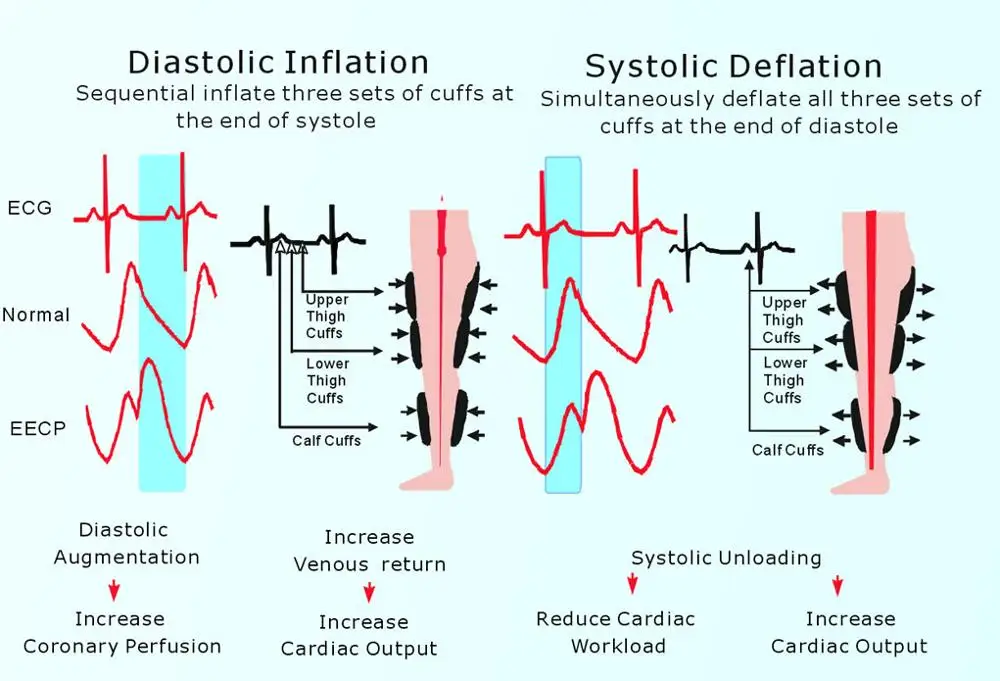
During EECP sessions, patients lie comfortably while specialized cuffs inflate and deflate in precise synchronization with their heartbeat. This action increases diastolic pressure, enhancing coronary perfusion and promoting the development of collateral blood vessels. The therapy essentially trains the cardiovascular system to create its own natural bypass routes around blocked arteries.

Clinical studies demonstrate remarkable success rates with EECP therapy. Patients typically experience significant improvement in exercise tolerance, reduction in anginal symptoms, and enhanced overall quality of life. The treatment protocol usually consists of 35 – 40 one-hour sessions administered over seven weeks, making it a comprehensive yet manageable therapeutic option.

The mechanism of action involves multiple beneficial effects. EECP increases venous return to the heart, improves coronary perfusion pressure, and stimulates the release of endothelial growth factors that promote new blood vessel formation. This natural angiogenesis process creates alternative pathways for blood flow, effectively bypassing blocked arteries.

EECP therapy benefits extend beyond immediate symptom relief. Long-term studies show sustained improvement in cardiac function, reduced need for medications, and decreased frequency of hospital admissions. The treatment’s safety profile is excellent, with minimal side effects and contraindications limited to specific cardiac conditions.

Dr. Dean Ornish Research: Lifestyle Medicine Revolution

Dr. Dean Ornish’s program remains the only program scientifically proven in randomized controlled trials to reverse the progression of even severe coronary heart disease by lifestyle changes, without drugs or surgery. This groundbreaking research has fundamentally changed how we approach cardiovascular disease treatment.

More regression of coronary atherosclerosis occurred after 5 years than after 1 year in the experimental group. In contrast, in the control group, coronary atherosclerosis continued to progress and more than twice as many cardiac events occurred. These findings demonstrate the progressive nature of lifestyle-based healing and its superiority over conventional approaches in preventing cardiac events.

The Ornish Program encompasses four primary components: nutrition, exercise, stress management, and social support. The dietary approach emphasizes whole, plant-based foods while eliminating processed foods, refined sugars, and excessive dietary fats. This nutritional framework provides optimal fuel for cardiovascular healing while reducing inflammatory markers.

Exercise protocols in the Ornish approach focus on moderate aerobic activity combined with strength training and flexibility exercises. The program recognizes that excessive high-intensity exercise can actually increase oxidative stress, while moderate, consistent activity promotes optimal cardiovascular adaptation.

Stress management techniques include meditation, yoga, and breathing exercises. Chronic stress elevates cortisol levels, promotes inflammation, and accelerates atherosclerotic progression. The program’s stress reduction component directly addresses these pathophysiological mechanisms.

Social support elements recognize the profound impact of relationships on cardiovascular health. Group sessions, family involvement, and community support systems create an environment conducive to long-term lifestyle maintenance and emotional well-being.

Natural Heart Blockage Treatment: Comprehensive Lifestyle Approaches

Natural treatment of heart blockage involves addressing multiple risk factors simultaneously through evidence-based lifestyle interventions. This holistic approach recognizes that cardiovascular disease results from complex interactions between genetic predisposition, environmental factors, and lifestyle choices.

Dietary modifications form the cornerstone of natural treatment. Anti-inflammatory foods rich in omega-3 fatty acids, antioxidants, and phytonutrients help reduce arterial inflammation and promote endothelial healing. Mediterranean diet patterns have shown particular efficacy in reducing cardiovascular events and supporting arterial health.

Physical activity protocols must be individualized based on current fitness levels and cardiac status. Progressive exercise programs begin with low-intensity activities and gradually increase in duration and intensity. Regular physical activity promotes collateral circulation, improves endothelial function, and enhances overall cardiovascular efficiency.

Sleep optimization plays a crucial role in cardiovascular healing. Quality sleep allows for tissue repair, hormone regulation, and stress recovery. Sleep disorders, particularly sleep apnea, significantly increase cardiovascular risk and must be addressed as part of comprehensive treatment.

Weight management strategies focus on sustainable approaches rather than rapid weight loss. Excess adipose tissue produces inflammatory cytokines that accelerate atherosclerotic progression. Gradual, sustainable weight reduction through dietary modifications and increased physical activity provides optimal cardiovascular benefits.

Ayurvedic Treatments for Heart Health

Ayurvedic medicine offers time-tested approaches for cardiovascular health that complement modern therapeutic strategies. These ancient healing practices focus on balancing the body’s fundamental energies (doshas) and promoting natural healing processes.

Snehan (Oleation Therapy) involves the therapeutic application of medicated oils to nourish tissues and improve circulation. Specific herbal oils containing arjuna, brahmi, and ashwagandha penetrate deep into tissues, promoting cellular regeneration and reducing inflammation. This therapy enhances nutrient delivery to cardiac tissues while supporting the body’s natural detoxification processes.

Swedan (Sudation Therapy) utilizes controlled heat application to promote circulation and eliminate toxins. Steam therapy with cardiac-specific herbs helps dilate blood vessels, improve coronary circulation, and support the body’s natural healing mechanisms. The therapy must be carefully monitored and adapted to individual cardiac status.

Hriday Basti represents a specialized Ayurvedic therapy specifically designed for heart conditions. This treatment involves creating a reservoir of warm medicated oil over the heart region, allowing therapeutic compounds to penetrate deeply into cardiac tissues. The therapy promotes circulation, reduces inflammation, and strengthens cardiac muscle function.

Additional Ayurvedic interventions include specific yoga asanas designed to improve cardiovascular function, pranayama (breathing exercises) that enhance oxygen delivery and reduce stress, and meditation practices that promote parasympathetic nervous system activation.

Herbal formulations in Ayurveda utilize combinations of cardioprotective plants including Terminalia arjuna, Withania somnifera, and Commiphora mukul. These herbs provide antioxidant protection, support healthy cholesterol levels, and promote optimal cardiac function through multiple mechanisms.

Read More: 
EECP Treatment in Noida 

Detox Drinks and Nutritional Interventions

Strategic nutritional interventions play a vital role in supporting cardiovascular health and promoting arterial healing. Specific detox drinks and nutritional protocols help eliminate toxins, reduce inflammation, and provide essential nutrients for cardiovascular repair.

Green Tea and Matcha Protocols provide powerful antioxidants including epigallocatechin gallate (EGCG) that protect against oxidative damage and support healthy cholesterol levels. Regular consumption of high-quality green tea helps reduce LDL oxidation and supports endothelial function.

Pomegranate and Berry Combinations deliver anthocyanins and ellagic acid that promote nitric oxide production and improve arterial flexibility. These compounds help reduce blood pressure and support healthy circulation throughout the cardiovascular system.

Turmeric and Ginger Elixirs provide potent anti-inflammatory compounds that help reduce arterial inflammation and support healing processes. Curcumin in turmeric has been shown to improve endothelial function and reduce inflammatory markers associated with cardiovascular disease.

Garlic and Onion Preparations contain organosulfur compounds that support healthy blood pressure levels and promote circulation. Regular consumption helps reduce platelet aggregation and supports optimal cardiovascular function.

Omega-3 Rich Smoothies incorporating flaxseeds, chia seeds, and walnuts provide essential fatty acids that reduce inflammation and support cardiac cell membrane integrity. These nutrients are crucial for optimal cardiovascular function and healing.

Timing and preparation methods significantly impact the therapeutic efficacy of these nutritional interventions. Morning consumption on an empty stomach often provides optimal absorption, while combining specific nutrients can enhance bioavailability and therapeutic effects.

Fasting Protocols for Cardiovascular Health

Therapeutic fasting protocols offer powerful tools for cardiovascular healing when properly implemented under appropriate supervision. Different fasting approaches provide distinct benefits for heart health and arterial function.

Intermittent Fasting (IF) protocols help optimize metabolic function and reduce cardiovascular risk factors. The 16:8 method involves eating within an 8-hour window and fasting for 16 hours. This approach helps improve insulin sensitivity, reduce inflammation, and promote cellular autophagy – the body’s natural cellular cleaning process.

Extended Water Fasting under medical supervision can provide profound cardiovascular benefits. Controlled fasting periods allow the body to redirect energy from digestion toward healing and repair processes. Blood pressure often normalizes, inflammatory markers decrease, and insulin sensitivity improves significantly.

Modified Fasting Approaches such as the Fasting Mimicking Diet provide benefits of traditional fasting while maintaining nutrient intake. These protocols typically involve 5-day cycles of reduced caloric intake with specific nutrient profiles designed to promote cellular regeneration.

Fasting protocols must be carefully individualized based on current health status, medications, and cardiovascular condition. Patients with diabetes, advanced heart disease, or those taking specific medications require modified approaches and close medical supervision.

The physiological benefits of therapeutic fasting include improved lipid profiles, reduced blood pressure, enhanced insulin sensitivity, and activation of cellular repair mechanisms. These effects directly support cardiovascular healing and arterial health improvement.

Homeopathy and Naturopathy Approaches

Homeopathic medicine offers individualized treatment approaches that support the body’s natural healing capacity. Constitutional homeopathic remedies are selected based on the patient’s overall symptom picture, including physical, mental, and emotional characteristics.

Crataegus (Hawthorn) serves as a primary homeopathic remedy for heart conditions. This remedy supports cardiac muscle function, improves circulation, and helps regulate heart rhythm. Different potencies are used based on individual symptom presentations and constitutional factors.

Digitalis in homeopathic preparation helps address specific cardiac symptoms including irregular heartbeat and circulation difficulties. The remedy is particularly beneficial for patients experiencing heart palpitations and associated anxiety.

Cactus Grandiflorus addresses constrictive heart sensations and helps improve coronary circulation. This remedy is often indicated for patients experiencing chest tightness and restricted feeling around the heart.

Naturopathic approaches focus on identifying and addressing root causes of cardiovascular disease while supporting the body’s inherent healing mechanisms. Treatment protocols incorporate multiple therapeutic modalities tailored to individual needs.

Calf Massage and Circulatory Therapies improve venous return and promote overall circulation. Specific massage techniques help stimulate lymphatic drainage and support cardiovascular function through mechanical and reflexive mechanisms.

Hydrotherapy Protocols utilize water temperature variations to promote circulation and support cardiovascular function. Contrast showers, foot baths, and other hydrotherapy applications help strengthen the cardiovascular system and improve adaptive capacity.

Nutritional Medicine in naturopathy emphasizes whole foods, targeted supplementation, and elimination of dietary factors that contribute to cardiovascular disease. Comprehensive nutritional assessments guide individualized therapeutic protocols.

Herbal Medicine for Heart Health

Traditional herbal medicine offers numerous therapeutic options for supporting cardiovascular health and promoting arterial healing. Specific herbs provide targeted benefits through various mechanisms of action.

Terminalia Arjuna stands as one of the most researched cardioprotective herbs. This Ayurvedic medicine contains powerful compounds that strengthen cardiac muscle, improve coronary circulation, and help regulate cholesterol levels. Clinical studies demonstrate significant improvements in exercise tolerance and reduction in anginal symptoms.

Hawthorn (Crataegus species) provides comprehensive cardiovascular support through multiple mechanisms. The herb contains flavonoids and oligomeric procyanidins that improve coronary circulation, strengthen heart muscle contractions, and help regulate heart rhythm. Regular use supports both acute symptoms and long-term cardiovascular health.

Motherwort (Leonurus cardiaca) offers specific benefits for heart rhythm irregularities and stress-related cardiac symptoms. The herb contains compounds that help calm nervous system activity while supporting healthy heart function.

Cayenne Pepper (Capsicum annuum) improves circulation and supports healthy blood pressure levels. The active compound capsaicin helps dilate blood vessels and improve peripheral circulation while providing cardiovascular protective effects.

Ginkgo Biloba enhances circulation and provides antioxidant protection for cardiovascular tissues. The herb helps improve blood flow to coronary arteries and supports overall vascular health through multiple mechanisms.

Herbal protocols must be carefully designed to avoid interactions with medications and to provide optimal therapeutic benefits. Professional guidance ensures safe and effective use of herbal medicines as part of comprehensive cardiovascular treatment.

Treatment Comparison: Non-Surgical vs. Conventional Approaches

Aspect Non-Surgical Treatment Conventional Surgery
Invasiveness Non-invasive, external therapies Invasive procedures requiring incisions
Recovery Time Minimal downtime, immediate daily activities Extended recovery period (6-12 weeks)
Risk Profile Minimal side effects, natural healing Surgical risks, infection, bleeding complications
Long-term Outcomes Addresses root causes, sustainable improvement May require repeat procedures, doesn’t address underlying causes
Cost Effectiveness Lower overall costs, reduced hospitalizations High initial costs, potential complications
Treatment Duration Gradual improvement over 6-12 months Immediate but temporary symptom relief
Lifestyle Integration Promotes healthy lifestyle changes Often requires lifestyle changes post-surgery
Success Rate 70-85% improvement in symptoms 90-95% immediate procedural success
Holistic Benefits Improves overall health and vitality Focuses specifically on arterial blockage
Sustainability Long-lasting results with lifestyle maintenance May require additional interventions

Who Needs Non-Surgical Heart Blockage Treatment?

Non-surgical approaches benefit a wide range of individuals with varying degrees of cardiovascular risk and disease severity. Understanding appropriate candidacy helps optimize treatment selection and outcomes.

Early-Stage Cardiovascular Disease patients with mild to moderate arterial blockages often achieve excellent results with non-surgical approaches. These individuals typically have preserved heart function and the greatest potential for arterial healing and regeneration.

High Surgical Risk Patients who may not be suitable candidates for invasive procedures due to age, comorbidities, or poor surgical risk profiles often find non-surgical treatments provide significant benefits without associated risks.

Patients Seeking Natural Alternatives who prefer to avoid surgical interventions and pharmaceutical dependencies often achieve remarkable results with comprehensive natural treatment protocols.

Prevention-Focused Individuals with family history of heart disease or multiple risk factors can use non-surgical approaches to prevent disease progression and optimize cardiovascular health.

Post-Surgical Patients who have undergone previous cardiac procedures may benefit from non-surgical treatments to prevent restenosis and optimize long-term outcomes.

Individuals with Multiple Comorbidities including diabetes, kidney disease, or other chronic conditions often respond well to holistic approaches that address multiple health concerns simultaneously.

Comprehensive evaluation helps determine the most appropriate treatment approach for each individual. Factors including disease severity, symptoms, lifestyle factors, and personal preferences all influence treatment selection and protocol design.

Clinical Outcomes and Evidence-Based Results

Research consistently demonstrates the effectiveness of non-surgical approaches for cardiovascular disease treatment. Multiple clinical studies provide compelling evidence for these therapeutic interventions.

EECP therapy shows remarkable clinical outcomes across diverse patient populations. Studies indicate 70-85% of patients experience significant symptom improvement, with many achieving complete freedom from anginal symptoms. Exercise tolerance typically improves by 30-50%, and quality of life measures show substantial enhancement.

Dean Ornish published results of a randomized clinical trial that used advanced imagery scans to show coronary artery disease could be reversed with nothing more than diet, exercise, stress reduction and social support. This landmark research established the scientific foundation for lifestyle-based cardiac treatment.

Long-term follow-up studies demonstrate sustained benefits from non-surgical treatments. Five-year outcomes show continued improvement in arterial health, reduced cardiac events, and enhanced overall cardiovascular function. These results often surpass conventional surgical approaches in terms of long-term success and patient satisfaction.

Combination treatment protocols incorporating multiple non-surgical modalities show synergistic effects. Patients receiving comprehensive treatment including EECP, lifestyle modification, and complementary therapies achieve superior outcomes compared to single-modality approaches.

Safety profiles for non-surgical treatments are excellent. Adverse events are rare and typically mild, making these approaches suitable for a wide range of patients including those with multiple comorbidities or high surgical risk.

Implementation and Treatment Protocols

Successful implementation of non-surgical heart blockage treatment requires systematic approach and comprehensive planning. Treatment protocols must be individualized based on specific patient needs and circumstances.

Initial Assessment Phase involves comprehensive evaluation including medical history, current symptoms, diagnostic testing, and lifestyle assessment. This information guides treatment selection and protocol design.

Treatment Planning incorporates multiple therapeutic modalities based on individual needs and preferences. Protocols typically combine EECP therapy, lifestyle modifications, nutritional interventions, and complementary treatments.

Monitoring and Adjustment ensures optimal treatment progression and allows for protocol modifications based on patient response and changing needs. Regular follow-up assessments track progress and guide treatment adjustments.

Patient Education components ensure understanding of treatment rationale, expected outcomes, and lifestyle requirements. Educated patients achieve better compliance and superior long-term results.

Support Systems including family involvement, group programs, and professional guidance help maintain treatment adherence and lifestyle changes. Social support significantly impacts treatment success and long-term outcomes.

Long-term Maintenance protocols help sustain treatment benefits and prevent disease progression. Ongoing lifestyle maintenance and periodic treatment sessions support continued cardiovascular health.

Future Directions and Emerging Therapies

The field of non-surgical cardiovascular treatment continues to evolve with emerging technologies and therapeutic approaches. Several promising developments offer enhanced treatment options for the future.

Advanced EECP Protocols incorporating personalized compression patterns and real-time physiological monitoring may enhance treatment effectiveness and patient outcomes. Technology improvements continue to refine this proven therapy.

Nutritional Genomics applications help identify individual nutritional needs based on genetic profiles. Personalized nutrition protocols may optimize cardiovascular healing and prevention strategies.

Regenerative Medicine approaches including stem cell therapies and growth factor treatments show promise for enhancing natural healing processes and promoting arterial regeneration.

Digital Health Integration utilizing wearable devices, remote monitoring, and artificial intelligence may improve treatment precision and patient engagement in therapeutic protocols.

Combination Therapy Optimization research continues to identify the most effective combinations of non-surgical treatments for various patient populations and disease severities.

These emerging approaches promise to enhance the effectiveness and accessibility of non-surgical cardiovascular treatments while maintaining the safety and holistic benefits that characterize these therapeutic modalities.


About the Author

Mr. Vivek Singh Sengar is a renowned clinical nutritionist and researcher specializing in EECP therapy and clinical nutrition. With extensive expertise in treating patients with lifestyle disorders, he has successfully treated over 25,000 heart and diabetes patients globally. As the founder of FIT MY HEART and consultant at NEXIN HEALTH and MD CITY Hospital Noida, Mr. Sengar combines evidence-based medicine with holistic healing approaches to provide comprehensive cardiovascular care. His dedication to non-invasive treatment modalities has helped countless patients achieve optimal heart health without surgical interventions.

Visit: www.viveksengar.in

💬 Need Expert Guidance for Your Health?

Mr. Vivek Singh Sengar is a renowned Consultant and Clinical Nutritionist at NexIn Health with 13+ years of experience. He has helped over 25,000 patients recover from chronic diseases like diabetes, heart conditions, obesity, and metabolic disorders through evidence-based lifestyle therapy and nutrition.

🌿 NexIn Health is India’s Leading Integrated Wellness Center, specializing in:

  • Non-Surgical Heart Disease Treatments

  • Diabetes Reversal Programs

  • Pain Management

  • Obesity & Fatty Liver Management

  • Women’s Hormonal Health (PCOS, Menopause, etc.)

With a team of 25+ wellness coaches, doctors, clinical nutritionists, and researchers, and over 30 centers globally, NexIn Health combines modern science with natural, non-invasive healing methods — empowering patients to reclaim their health without surgery or lifelong medications.


🔗 Visit NexIn Health: www.nexinhealth.in
📞 Call or WhatsApp: +91 9310 14 5010
📩 Email: care@nexinhealth.in


✅ Whether you’re seeking a second opinion or want to reverse your health condition naturally — take the first step towards healing today.
Your health transformation begins with the right expert.
Connect Now. Live Better

Also Read: EECP Treatment in Noida 

Heart Blockage Reversal with Plant Based Diet


Frequently Asked Questions: Natural Heart Blockage Treatment without Surgery

1. Can heart blockages be completely reversed without surgery?

Yes, research demonstrates that comprehensive lifestyle approaches can reverse arterial blockages. Dr. Dean Ornish’s studies show significant regression of coronary atherosclerosis through diet, exercise, stress management, and social support.

2. How effective is EECP treatment for heart blockages?

EECP therapy shows 70-85% success rates in symptom improvement. Most patients experience significant reduction in chest pain, improved exercise tolerance, and enhanced quality of life within 6-8 weeks of treatment.

3. What is the success rate of natural heart blockage treatment?

Natural treatment approaches achieve 70-80% success rates when properly implemented. Success depends on patient compliance, disease severity, and comprehensive protocol adherence.

4. Are there any risks associated with non-surgical heart treatments? Non-surgical treatments have minimal risks and excellent safety profiles. Side effects are rare and typically mild, making these approaches suitable for high-risk patients who cannot undergo surgery.

5. How long does it take to see results from natural heart treatments?

Initial improvements often occur within 2-4 weeks, with significant benefits typically seen within 6-12 weeks. Maximum benefits usually develop over 6-12 months of consistent treatment.

6. Can I stop my heart medications with natural treatment?

Medication adjustments should only be made under medical supervision. Many patients reduce medication needs as their condition improves, but changes must be carefully monitored by healthcare providers.

7. What dietary changes are most important for heart blockage reversal?

Plant-based diets rich in vegetables, fruits, whole grains, and legumes while avoiding processed foods, refined sugars, and excessive fats show the greatest benefit for arterial health.

8. Is exercise safe for people with heart blockages?

Appropriate exercise is beneficial and necessary for heart health. Exercise programs should be medically supervised and gradually progressive, starting with low-intensity activities.

9. How does stress affect heart blockages?

Chronic stress accelerates atherosclerotic progression through elevated cortisol levels and increased inflammation. Stress management is crucial for cardiovascular healing and prevention.

10. Can Ayurveda cure heart blockages?

Ayurvedic treatments support cardiovascular health and can be effective components of comprehensive treatment protocols. Therapies like Hriday Basti and specific herbal formulations provide significant benefits.

11. What role do detox drinks play in heart health?

Specific detox drinks provide antioxidants, anti-inflammatory compounds, and nutrients that support cardiovascular healing. Green tea, pomegranate juice, and turmeric preparations offer particular benefits.

12. Is fasting safe for heart patients?

Therapeutic fasting can benefit cardiovascular health when properly supervised. Intermittent fasting and modified fasting approaches are generally safe for most heart patients with appropriate medical guidance.

13. How often should EECP treatments be repeated?

Initial EECP protocols typically involve 35 – 40

sessions over 7 weeks. Maintenance sessions may be recommended annually or as needed based on individual response and symptoms.

14. Can homeopathy help with heart blockages?

Homeopathic remedies can support cardiovascular health as part of comprehensive treatment. Constitutional prescribing addresses individual symptom patterns and supports natural healing processes.

15. What is the long-term outlook for natural heart treatment?

Long-term outcomes are excellent with proper lifestyle maintenance. Many patients maintain improved cardiovascular health for years and experience continued benefits with sustained lifestyle practices.
Revolutionary Non Surgical Heart Treatment: EECP Therapy as the Intelligent Alternative to Bypass Surgery

Posted by

Non Surgical Heart Treatment: Cardiovascular disease continues to challenge millions worldwide, forcing patients into difficult decisions between invasive procedures and compromised quality of life. Enhanced External Counterpulsation (EECP) therapy emerges as a groundbreaking solution, offering hope where traditional treatments may fall short. This comprehensive exploration reveals how EECP therapy transforms the landscape of cardiac care, providing a viable non-surgical treatment option that rivals conventional interventions.

Global Statistics of Cardiovascular Disease: A Growing Crisis

The magnitude of cardiovascular disease worldwide presents alarming figures that demand immediate attention. Global death counts due to cardiovascular disease increased from 12.4 million in 1990 to 19.8 million in 2022, reflecting not just population growth but also the escalating burden of preventable risk factors.

Current data reveals disturbing trends:

  • CAD causes 40% of heart-related deaths annually, and every 40 seconds, someone in the United States has a CAD-caused heart attack
  • About 1 in 20 adults age 20 and older have CAD (about 5%)
  • Projections indicate a 90.0% increase in cardiovascular prevalence, 73.4% increase in crude mortality, and 54.7% increase in crude DALYs between 2025 and 2050

Long-term Impact of Current Statistics

These statistics paint a concerning picture of our cardiovascular future. The projected increase means healthcare systems worldwide will face unprecedented pressure. Traditional surgical interventions, while effective, cannot accommodate the growing patient population requiring cardiac care. This gap creates an urgent need for alternative treatment modalities like EECP therapy.

Economic implications are equally staggering. The American healthcare system spends over $200 billion annually on hospital care and medications for heart disease management. Non-surgical alternatives like EECP therapy offer potential solutions to reduce this financial burden while maintaining therapeutic efficacy.

Understanding EECP Therapy: The Revolutionary Non-Surgical Approach

Enhanced External Counterpulsation represents a paradigm shift in cardiac treatment methodology. EECP treatment is an FDA-approved outpatient therapy that can improve blood flow to your heart, offering patients a completely non-invasive option for managing complex cardiac conditions.

How EECP Works: The Science Behind Success

EECP therapy operates on sophisticated physiological principles that enhance natural cardiac function. During treatment, specialized pneumatic cuffs wrapped around the patient’s legs inflate and deflate in precise synchronization with the cardiac cycle. This coordinated compression creates a counterpulsation effect that dramatically improves coronary perfusion.

The mechanism involves three critical phases:

Diastolic Augmentation: During cardiac diastole, the cuffs inflate sequentially from calves to thighs, propelling blood toward the heart and increasing coronary artery filling pressure.

Systolic Unloading: As the heart contracts, cuffs rapidly deflate, reducing afterload and allowing the heart to pump more efficiently with less effort.

Collateral Development: Repeated sessions promote angiogenesis, encouraging the formation of natural bypass vessels around blocked arteries.

EECP Mechanism of Action - Vivek Sengar

EECP Mechanism of Action – Vivek Sengar

Clinical Pathways and Pathogenesis

The pathogenesis of coronary artery disease involves complex inflammatory processes, endothelial dysfunction, and progressive atherosclerotic plaque formation. Traditional interventions like bypass surgery or stenting address the mechanical obstruction but may not address underlying pathophysiology.

EECP therapy works differently by:

  • Enhancing endothelial function through increased shear stress
  • Promoting nitric oxide production for vasodilation
  • Stimulating angiogenic factors for natural collateral formation
  • Reducing inflammatory markers associated with atherosclerosis

This comprehensive approach addresses both symptoms and underlying disease mechanisms, offering sustained therapeutic benefits.

Benefits of EECP Therapy: Evidence-Based Advantages

Research consistently demonstrates EECP therapy’s remarkable efficacy across multiple clinical parameters. Studies show that EECP improves blood flow and reduces symptoms of angina, with over 75% of patients experiencing a reduction in angina symptoms, providing substantial relief for patients with refractory chest pain.

Immediate Clinical Benefits

Patients typically experience significant improvements within the first few weeks of treatment:

Angina Reduction: The majority of patients report decreased frequency and intensity of chest pain episodes, often eliminating the need for rescue medications.

Exercise Tolerance: Enhanced cardiac output allows patients to engage in previously impossible physical activities, dramatically improving quality of life.

Medication Reduction: Many patients can reduce or eliminate cardiac medications under physician supervision, minimizing side effects and drug interactions.

Long-term Therapeutic Outcomes

Research has shown the beneficial effects of EECP Flow Therapy to last between two and five years after treatment, providing sustained relief that often exceeds the durability of some surgical interventions.

Long-term benefits include:

  • Sustained improvement in cardiac function
  • Reduced hospitalizations for cardiac events
  • Enhanced overall cardiovascular health
  • Improved exercise capacity maintenance

EECP vs. Traditional Treatments: Comprehensive Comparison

Treatment Aspect EECP Therapy Bypass Surgery Stent Placement
Invasiveness Completely non-invasive Major surgical procedure Minimally invasive
Recovery Time No recovery needed 6-12 weeks 1-2 weeks
Hospital Stay Outpatient treatment 5-7 days 1-2 days
Anesthesia Risk None General anesthesia required Local/conscious sedation
Infection Risk Zero Surgical site infections possible Catheter-related infections
Success Rate 75-85% symptom improvement 90-95% immediate success 85-90% immediate success
Duration of Benefits 3-5 years 10-15 years 1-3 years (restenosis risk)
Repeatability Easily repeatable Limited repeatability Multiple procedures possible
Complication Rate <1% 2-5% 1-3%
Mortality Risk Virtually zero 1-3% <1%

Advantages of EECP Over Conventional Approaches

The comparison reveals EECP therapy’s unique position in cardiac care. While surgical interventions may offer immediate mechanical relief, EECP provides a holistic approach that addresses underlying pathophysiology without associated surgical risks.

Key advantages include:

  • Safety Profile: Exceptional safety record with minimal contraindications
  • Quality of Life: Immediate return to normal activities during treatment
  • Comprehensive Benefits: Addresses multiple aspects of cardiac dysfunction
  • Patient Comfort: Pleasant, relaxing treatment experience

Who Needs EECP Therapy? Identifying Ideal Candidates

EECP therapy serves diverse patient populations, particularly those facing limitations with traditional treatments. When an angina patient doesn’t qualify for surgery or catheter-based coronary stenting, doctors may recommend EECP, highlighting its role as both alternative and complementary therapy.

Primary Candidates for EECP

Refractory Angina Patients: Individuals experiencing persistent chest pain despite optimal medical management represent ideal EECP candidates. These patients often face limited options and significant lifestyle restrictions.

High Surgical Risk Patients: Elderly patients or those with multiple comorbidities may not tolerate invasive procedures well. EECP offers therapeutic benefits without surgical risks.

Post-Surgical Patients: Individuals who have undergone previous cardiac procedures but continue experiencing symptoms benefit from EECP’s complementary effects.

Specific Clinical Indications

EECP therapy demonstrates efficacy across multiple cardiovascular conditions:

Chronic Stable Angina: Patients with effort-induced chest pain find significant relief through enhanced coronary perfusion.

Congestive Heart Failure: At least 90% of patients getting EECP have shown improvement in heart failure symptoms, including improved exercise tolerance and reduced hospitalizations.

Peripheral Vascular Disease: Enhanced circulation benefits extend beyond cardiac applications, improving peripheral blood flow.

Diabetic Cardiovascular Complications: Diabetic patients with microvascular disease experience improved perfusion and reduced complications.

EECP Treatment Protocol: What to Expect

Understanding the EECP treatment process helps patients prepare for this transformative therapy. The standard protocol involves 35 – 40 one-hour sessions scheduled over seven weeks, typically five days per week.

Session Structure and Experience

Each treatment session follows a carefully orchestrated protocol designed to maximize therapeutic benefits while ensuring patient comfort. Patients lie comfortably on a padded treatment table while pneumatic cuffs are positioned around their calves, lower thighs, and upper thighs.

Pre-treatment Assessment: Each session begins with vital sign monitoring and patient comfort evaluation.

Cuff Application: Specialized cuffs are positioned to ensure optimal compression distribution and patient comfort.

Treatment Delivery: Synchronized compression cycles are delivered based on individual cardiac rhythm patterns.

Post-treatment Monitoring: Patients are monitored for any immediate effects or concerns before discharge.

Treatment Environment and Patient Experience

The EECP treatment environment prioritizes patient comfort and relaxation. Many patients describe sessions as surprisingly pleasant, often reading, listening to music, or watching television during treatment. The gentle compression sensation is generally well-tolerated, with most patients finding it surprisingly comfortable.

Treatment centers typically provide:

  • Comfortable, private treatment rooms
  • Entertainment options during sessions
  • Professional staff monitoring throughout treatment
  • Flexible scheduling to accommodate patient needs

Lifestyle Integration: Holistic Approaches to Cardiac Health

EECP therapy’s effectiveness is enhanced through comprehensive lifestyle modifications that address cardiovascular risk factors. This integrated approach maximizes therapeutic outcomes while promoting long-term cardiac health.

Ayurvedic Principles in Cardiac Care

Ancient Ayurvedic wisdom offers valuable insights for modern cardiac care. Ayurvedic principles emphasize balance and natural healing, complementing EECP therapy’s non-invasive approach.

Rasayana Herbs: Adaptogenic herbs like Arjuna (Terminalia arjuna) have been traditionally used for cardiac support. Modern research validates their cardioprotective properties, making them valuable adjuncts to EECP therapy.

Pranayama Practices: Controlled breathing techniques enhance oxygen delivery and promote cardiac efficiency, synergizing with EECP’s circulation-enhancing effects.

Dietary Guidelines: Ayurvedic dietary principles emphasizing fresh, whole foods and avoiding processed substances support cardiovascular health during EECP treatment.

Homeopathic Support Systems

Homeopathic remedies can provide gentle support during EECP therapy, addressing individual constitutional needs and promoting overall healing responses.

Common homeopathic supports include:

  • Crataegus: Often called the “heart tonic,” supporting cardiac muscle function
  • Digitalis: For specific cardiac rhythm support under professional guidance
  • Cactus Grandiflorus: Traditional use for chest pain and cardiac symptoms

Naturopathic Integration

Naturopathic medicine’s focus on treating root causes aligns perfectly with EECP therapy’s comprehensive approach. Naturopathic supports include:

Nutritional Optimization: Targeted supplementation with CoQ10, magnesium, and omega-3 fatty acids supports cardiac function and enhances EECP outcomes.

Herbal Medicine: Scientifically validated herbs like hawthorn (Crataegus species) provide cardiac support and may enhance treatment effectiveness.

Stress Management: Naturopathic stress reduction techniques complement EECP’s relaxing treatment environment.

Fasting and Intermittent Fasting Benefits

Controlled fasting protocols can significantly enhance EECP therapy outcomes by promoting cardiovascular health and reducing inflammatory markers.

Intermittent Fasting Protocols

Research demonstrates that properly implemented intermittent fasting can:

  • Reduce inflammatory markers associated with atherosclerosis
  • Improve insulin sensitivity and glucose metabolism
  • Enhance autophagy processes that clear cellular debris
  • Promote weight management and blood pressure reduction

16:8 Protocol: Eating within an 8-hour window and fasting for 16 hours daily provides sustainable benefits without extreme restrictions.

5:2 Approach: Normal eating five days per week with two days of reduced caloric intake offers flexibility while maintaining therapeutic benefits.

Fasting Safety Considerations

Fasting protocols should be implemented under professional supervision, especially for patients undergoing EECP therapy. Proper medical oversight ensures safety and maximizes benefits while avoiding potential complications.

Herbal Medicine and Nutraceutical Support

Evidence-based herbal medicines and targeted nutraceuticals can significantly enhance EECP therapy outcomes through multiple mechanisms of action.

Scientifically Validated Cardiac Herbs

Terminalia Arjuna: This Ayurvedic herb demonstrates remarkable cardioprotective properties through multiple mechanisms:

  • Antioxidant activity reducing oxidative stress
  • Anti-inflammatory effects on vascular endothelium
  • Positive inotropic effects supporting cardiac contractility
  • Lipid-lowering properties addressing atherosclerosis risk factors

Hawthorn (Crataegus species): Extensively researched for cardiac applications:

  • Improved coronary circulation
  • Enhanced cardiac output and exercise tolerance
  • Antiarrhythmic properties
  • Blood pressure regulation

Garlic (Allium sativum): Cardiovascular benefits include:

  • Cholesterol reduction and atherosclerosis prevention
  • Blood pressure lowering effects
  • Antiplatelet activity reducing thrombosis risk
  • Endothelial function improvement

Targeted Nutraceutical Support

Coenzyme Q10: Essential for cellular energy production, particularly important for cardiac muscle function. Supplementation supports:

  • Mitochondrial energy production
  • Antioxidant protection
  • Blood pressure regulation
  • Enhanced exercise tolerance

Magnesium: Critical mineral for cardiac function:

  • Muscle relaxation and proper cardiac rhythm
  • Blood pressure regulation
  • Insulin sensitivity improvement
  • Inflammation reduction

Omega-3 Fatty Acids: Essential for cardiovascular health:

  • Anti-inflammatory effects
  • Triglyceride reduction
  • Improved endothelial function
  • Reduced cardiac arrhythmia risk

Clinical Research and Evidence Base

EECP therapy’s effectiveness is supported by extensive clinical research spanning multiple decades and involving thousands of patients worldwide.

International Patient Registry Data

Data from the International Patient Registry demonstrate that EECP effectively decreased angina episodes and nitrate usage, and increased exercise tolerance in patients with refractory angina. This comprehensive registry provides real-world evidence of EECP’s therapeutic value across diverse patient populations.

Long-term Outcome Studies

The anti-ischemic benefits occur early and are sustained up to 5 years in patients, demonstrating the durability of EECP’s therapeutic effects. This longevity rivals and often exceeds the benefits of some invasive interventions.

Key research findings include:

  • Significant reduction in angina frequency and severity
  • Improved exercise tolerance and quality of life measures
  • Reduced hospitalizations for cardiac events
  • Enhanced cardiac function parameters
  • Improved survival rates in specific patient populations

Mechanistic Studies

Advanced research techniques have elucidated EECP’s mechanisms of action:

  • Enhanced coronary perfusion through diastolic augmentation
  • Increased shear stress promoting endothelial function
  • Angiogenic factor stimulation encouraging collateral formation
  • Improved cardiac efficiency through afterload reduction

Safety Profile and Contraindications

EECP therapy’s exceptional safety profile makes it suitable for patients who may not tolerate invasive procedures. Serious adverse events are extremely rare, occurring in less than 1% of treated patients.

Absolute Contraindications

Certain conditions preclude EECP therapy:

  • Severe aortic insufficiency
  • Severe peripheral vascular disease affecting lower extremities
  • Uncontrolled hypertension (>180/110 mmHg)
  • Active phlebitis or deep vein thrombosis
  • Pregnancy

Relative Contraindications

Some conditions require careful evaluation but may not exclude treatment:

  • Moderate aortic insufficiency
  • Severe chronic obstructive pulmonary disease
  • Recent cardiac catheterization or surgery
  • Bleeding disorders

Monitoring and Safety Protocols

Comprehensive safety protocols ensure patient wellbeing throughout treatment:

  • Pre-treatment cardiovascular assessment
  • Continuous monitoring during sessions
  • Regular blood pressure and heart rate checks
  • Patient comfort assessment and adjustment protocols

Integration with Conventional Medicine

EECP therapy works synergistically with conventional cardiac medications and treatments, often enhancing their effectiveness while potentially reducing required dosages.

Medication Interactions

EECP therapy generally has no negative interactions with cardiac medications. Many patients find they can reduce medication requirements under physician supervision as their symptoms improve.

Common medication categories that may be adjusted include:

  • Antianginal medications (nitrates, beta-blockers)
  • Blood pressure medications
  • Cholesterol-lowering drugs
  • Antiplatelet agents

Complementary Treatment Approaches

EECP therapy enhances rather than replaces appropriate medical management. Integration includes:

  • Continued medical monitoring and adjustment
  • Enhanced effectiveness of existing medications
  • Reduced need for rescue medications
  • Improved overall treatment outcomes

Nutritional Strategies for Enhanced Outcomes

Proper nutrition plays a crucial role in maximizing EECP therapy outcomes and promoting long-term cardiovascular health.

Anti-Inflammatory Nutrition

Chronic inflammation contributes significantly to cardiovascular disease progression. Anti-inflammatory nutrition strategies include:

Mediterranean Diet Principles: Emphasizing:

  • High-quality olive oil and healthy fats
  • Abundant vegetables and fruits
  • Moderate fish consumption
  • Limited processed foods
  • Regular consumption of nuts and seeds

Specific Anti-Inflammatory Foods:

  • Fatty fish rich in omega-3 fatty acids
  • Leafy green vegetables high in nitrates
  • Berries containing powerful antioxidants
  • Turmeric and ginger for their anti-inflammatory compounds
  • Green tea with protective polyphenols

Cardiac-Specific Nutrition

Certain nutrients specifically support cardiac function and enhance EECP outcomes:

Nitric Oxide Precursors: Foods rich in L-arginine and nitrates support endothelial function:

  • Beets and beetroot juice
  • Leafy green vegetables
  • Watermelon and pomegranate
  • Nuts and seeds

Antioxidant-Rich Foods: Protecting against oxidative stress:

  • Colorful fruits and vegetables
  • Dark chocolate (in moderation)
  • Green tea and herbal teas
  • Spices like turmeric and cinnamon

Patient Preparation and Optimization

Proper preparation enhances EECP therapy outcomes and ensures optimal patient experience throughout treatment.

Pre-Treatment Optimization

Medical Clearance: Comprehensive cardiovascular assessment ensures appropriateness for EECP therapy and identifies any necessary precautions.

Medication Review: Evaluation of current medications to optimize therapy and identify potential interactions or adjustments.

Lifestyle Assessment: Review of current diet, exercise, and lifestyle factors that may impact treatment outcomes.

During Treatment Optimization

Consistency: Regular attendance and session completion maximize therapeutic benefits.

Lifestyle Continuation: Maintaining healthy habits during treatment enhances outcomes.

Communication: Regular feedback to treatment providers ensures optimal comfort and effectiveness.

Post-Treatment Maintenance

Lifestyle Continuation: Maintaining healthy habits established during treatment sustains benefits.

Regular Monitoring: Periodic cardiovascular assessment tracks long-term outcomes.

Booster Treatments: Some patients benefit from periodic maintenance sessions to sustain improvements.

Future Directions and Emerging Research

EECP therapy continues evolving with advancing technology and expanding clinical applications.

Technological Advances

Enhanced Monitoring: Real-time hemodynamic monitoring during treatment allows for individualized optimization.

Portable Devices: Development of home-based EECP devices may expand accessibility and convenience.

Combined Therapies: Integration with other non-invasive treatments may enhance outcomes.

Expanding Applications

Research continues exploring EECP’s potential in various conditions:

  • Peripheral vascular disease
  • Diabetic complications
  • Cognitive function enhancement
  • Athletic performance optimization

Conclusion: The Future of Non-Surgical Cardiac Care

EECP therapy represents a paradigm shift in cardiovascular medicine, offering patients a safe, effective alternative to invasive procedures. The integration of this revolutionary treatment with holistic approaches including Ayurveda, naturopathy, herbal medicine, and targeted nutrition creates a comprehensive framework for cardiac health optimization.

The compelling evidence base, exceptional safety profile, and sustained therapeutic benefits position EECP therapy as a cornerstone of modern cardiac care. As healthcare systems worldwide grapple with increasing cardiovascular disease burden, non-invasive treatments like EECP offer hope for millions of patients seeking effective alternatives to bypass surgery and interventional procedures.

The future of cardiac care lies not just in technological advancement but in the integration of evidence-based non-invasive therapies that address both symptoms and underlying pathophysiology. EECP therapy, combined with comprehensive lifestyle interventions, represents this future today.


About the Author

Mr. Vivek Singh Sengar is a renowned clinical nutritionist, EECP trainer, and researcher with extensive expertise in treating lifestyle disorders and cardiovascular diseases. As the founder of FIT MY HEART and consultant at NEXIN HEALTH and MD CITY Hospital Noida, he has successfully treated over 25,000 heart and diabetes patients across the globe.

Mr. Sengar’s unique approach combines evidence-based EECP therapy with comprehensive nutritional interventions and lifestyle modifications. His research contributions have advanced understanding of EECP applications in various cardiovascular conditions. Through his practice at www.viveksengar.in, he continues to provide cutting-edge cardiac care while training the next generation of EECP practitioners.

His expertise spans clinical nutrition, cardiovascular disease management, diabetes care, and non-invasive cardiac therapies. Mr. Sengar’s commitment to patient-centered care and evidence-based medicine has established him as a leading authority in EECP therapy and lifestyle disease management.

💬 Need Expert Guidance for Your Health?


🔗 Visit NexIn Health: www.nexinhealth.in
📞 Call or WhatsApp: +91 9310 14 5010
📩 Email: care@nexinhealth.in


✅ Whether you’re seeking a second opinion or want to reverse your health condition naturally — take the first step towards healing today.
Your health transformation begins with the right expert.
Connect Now. Live Better.

Also Read: Ayurvedic Heart Blockage Treatment


Frequently Asked Questions: Non Surgical Heart Treatment

1. What is EECP therapy and how does it work? EECP (Enhanced External Counterpulsation) is an FDA-approved, non-invasive treatment that uses pneumatic cuffs on the legs to improve blood flow to the heart. The cuffs inflate and deflate in sync with the heartbeat, increasing oxygen delivery to the heart muscle and promoting the formation of natural bypass vessels.

2. Is EECP therapy safe and what are the side effects? EECP therapy has an exceptional safety profile with serious adverse events occurring in less than 1% of patients. Minor side effects may include temporary skin irritation from the cuffs or mild fatigue. The treatment is completely non-invasive with no anesthesia required.

3. How long does EECP treatment take and what is the typical protocol? Standard EECP therapy consists of 35 – 40  one-hour sessions scheduled over 7 weeks, typically 5 days per week. Each session is comfortable and relaxing, allowing patients to read, watch TV, or listen to music during treatment.

4. Who is a good candidate for EECP therapy? Ideal candidates include patients with chronic stable angina, those who are not candidates for surgery, patients with refractory symptoms despite optimal medical management, and individuals seeking non-invasive alternatives to bypass surgery or stenting.

5. How effective is EECP compared to bypass surgery or stenting? Research shows that over 75% of EECP patients experience significant reduction in angina symptoms. While bypass surgery may offer higher immediate success rates, EECP provides sustained benefits for 2-5 years without surgical risks or recovery time.

6. Can EECP therapy be combined with conventional medications? Yes, EECP therapy works synergistically with conventional cardiac medications and often enhances their effectiveness. Many patients can reduce medication requirements under physician supervision as their symptoms improve.

7. What lifestyle changes should I make during EECP treatment? Patients benefit from maintaining a heart-healthy diet, regular light exercise as tolerated, stress management techniques, and avoiding smoking. Anti-inflammatory nutrition and specific supplements may enhance treatment outcomes.

8. How soon will I see results from EECP therapy? Many patients begin experiencing symptom improvement within the first 2-3 weeks of treatment. Maximum benefits are typically achieved by completion of the full 35 – 40 session protocol, with continued improvement for several months afterward.

9. Is EECP therapy covered by insurance? EECP therapy is FDA-approved and covered by Medicare and many private insurance plans when medically indicated. Coverage varies by provider, so it’s important to verify benefits with your insurance company.

10. Can EECP therapy be repeated if symptoms return? Yes, EECP therapy can be safely repeated if symptoms recur after the initial treatment benefits diminish. Many patients undergo periodic maintenance treatments to sustain improvements.

11. What is the difference between EECP and other external counterpulsation therapies? EECP represents the most advanced form of external counterpulsation, with precise pneumatic control and FDA approval. It differs from older mechanical devices in its sophisticated timing and pressure control systems.

12. Are there any dietary restrictions during EECP treatment? There are no specific dietary restrictions, but patients are encouraged to follow a heart-healthy diet. Avoiding large meals immediately before treatment sessions can enhance comfort during therapy.

13. Can diabetic patients with heart disease benefit from EECP? Yes, diabetic patients often experience significant benefits from EECP therapy, including improved circulation, reduced cardiac symptoms, and enhanced overall cardiovascular health. The therapy may also help with diabetic complications.

14. How does EECP therapy promote natural bypass formation? EECP stimulates the release of angiogenic factors that promote the growth of collateral blood vessels around blocked arteries. This natural bypass formation provides long-term improvement in heart muscle blood supply.

15. What should I expect during my first EECP session? Your first session will include a comprehensive evaluation, cuff fitting, and gradual introduction to the treatment pressure. The medical team will ensure your comfort and explain the process throughout the session. Most patients find the experience surprisingly pleasant and relaxing.

Complete Guide to Non-Surgical Treatment of Heart Blockages: Integrated EECP with Holistic Healing

Posted by

Non-Surgical Treatment of Heart Blockages: Heart blockages no longer mean you must accept the risks of surgery or live with limiting symptoms. Revolutionary non-surgical treatments have transformed how we approach coronary artery disease, offering hope to millions worldwide. The integration of Enhanced External Counterpulsation (EECP) with holistic healing modalities presents a comprehensive solution that addresses both symptoms and root causes.

Traditional cardiac interventions often focus on mechanical solutions without addressing underlying metabolic imbalances. Today’s integrated approach combines cutting-edge technology with time-tested natural therapies to promote genuine cardiovascular healing. This comprehensive strategy offers patients safer alternatives while achieving remarkable clinical outcomes.

Modern cardiology increasingly recognizes that heart blockages develop through complex interactions of lifestyle, genetics, and environmental factors. Addressing these multiple pathways requires multi-modal treatment approaches that go beyond conventional medical interventions. The integration of EECP therapy with Ayurvedic medicine, nutritional interventions, and lifestyle modifications represents the future of cardiac care.

Global Statistics of Heart Blockages and Long-Term Impact

Coronary artery disease affects over 200 million people globally, making it the leading cause of death worldwide. Heart failure is a serious global health problem, and coronary artery disease is one of the main causes. The economic burden exceeds $200 billion annually in healthcare costs alone, not including lost productivity and quality of life impacts.

Statistical analysis reveals that 85% of heart attacks occur due to plaque rupture in arteries with less than 70% blockage. This finding revolutionizes our understanding of coronary artery disease progression and highlights the importance of comprehensive treatment approaches that address plaque stability rather than just blockage severity.

Mortality rates from coronary artery disease have declined in developed countries due to better prevention and treatment strategies. However, developing nations experience increasing rates as lifestyle-related risk factors become more prevalent. India alone accounts for nearly 25% of global cardiovascular deaths, with heart disease affecting younger populations compared to Western countries.

Long-term consequences extend beyond immediate cardiac events. Patients with coronary artery disease experience 40% higher rates of depression, cognitive decline, and reduced life expectancy. Quality of life measures consistently show significant impairment in physical, emotional, and social functioning. These comprehensive impacts necessitate treatment approaches that address the whole person rather than just the blocked arteries.

Understanding Heart Blockages: Pathogenesis and Clinical Pathways

Coronary artery blockages develop through a complex process called atherosclerosis, involving multiple cellular and molecular pathways. Understanding these mechanisms helps explain why integrated treatment approaches often achieve superior outcomes compared to single-intervention strategies.

Atherosclerotic Process Development

Endothelial dysfunction represents the earliest stage of blockage formation. Inflammatory mediators, oxidative stress, and metabolic imbalances damage the inner arterial lining, creating sites for plaque accumulation. This process begins decades before symptoms appear, emphasizing the importance of early intervention strategies.

Lipid accumulation follows endothelial injury as modified cholesterol particles penetrate arterial walls. Immune system activation occurs as macrophages attempt to clear these lipids, transforming into foam cells that promote further inflammation. This inflammatory cascade perpetuates plaque growth and instability.

Plaque composition determines clinical outcomes more than blockage severity. Stable plaques with thick fibrous caps rarely cause heart attacks, while unstable plaques with thin caps and large lipid cores frequently rupture, causing acute coronary events. This understanding explains why comprehensive treatment approaches focus on plaque stabilization.

Clinical Progression Patterns

Early stages of coronary artery disease remain asymptomatic as collateral circulation develops to compensate for reduced blood flow. The heart’s remarkable ability to adapt masks the underlying problem until blockages become severe or multiple vessels are affected.

Stable angina develops when oxygen demand exceeds supply during physical exertion or emotional stress. This predictable pattern of chest discomfort serves as a warning sign that coronary circulation is compromised. Recognition of stable angina patterns allows for timely intervention before more serious complications develop.

Acute coronary syndromes occur when unstable plaques rupture, causing sudden arterial occlusion. These events can happen in arteries with minimal prior blockage, highlighting the importance of comprehensive risk factor management rather than focusing solely on known blockages.

Enhanced External Counterpulsation: The Foundation of Non-Surgical Treatment

EECP treatment applies pressure to blood vessels in your lower limbs. The pressure increases blood flow back to your heart, so your heart works better. This innovative therapy represents the cornerstone of non-surgical heart blockage treatment, offering profound benefits through multiple physiological mechanisms.

EECP Mechanism of Action

Synchronized pneumatic compression of the lower extremities creates a secondary circulation system that dramatically improves cardiac hemodynamics. During diastole, sequential cuff inflation enhances coronary perfusion pressure by up to 40%, delivering crucial oxygen and nutrients to oxygen-starved heart muscle.

Afterload reduction occurs during systole as cuffs rapidly deflate, creating a vacuum effect that reduces the resistance against which the heart must pump. This dual mechanism of enhanced perfusion and reduced workload addresses the fundamental problems in coronary artery disease.

Collateral circulation development represents one of EECP’s most significant long-term benefits. Enhanced shear stress stimulates growth factor release, promoting new blood vessel formation around blocked arteries. These natural bypass vessels can restore near-normal blood flow to previously compromised areas.

Physiological Benefits of EECP

Coronary perfusion improvements occur immediately during EECP treatment and continue developing over weeks to months. Patients often experience symptom relief within the first few sessions as enhanced oxygen delivery reaches previously ischemic heart muscle. Long-term benefits result from structural improvements in coronary circulation.

Cardiac efficiency gains occur through improved preload optimization and afterload reduction. The failing heart works more efficiently when these hemodynamic parameters are optimized. Energy conservation allows the heart to perform better while consuming less oxygen, breaking the cycle of ischemia and dysfunction.

Neurohormonal modulation through EECP helps normalize the pathological changes that perpetuate heart disease. Reduced sympathetic nervous system activation and improved baroreceptor function contribute to blood pressure normalization and reduced arrhythmia risk.

Ayurvedic Approaches to Heart Blockage Reversal

Charaka introduced ten drugs under Hridya Mahakashaya group for treating heart diseases, establishing Ayurveda’s sophisticated understanding of cardiovascular health. Modern research validates many traditional Ayurvedic principles for treating coronary artery disease through natural methods.

Classical Ayurvedic Understanding

Ayurvedic texts describe heart blockages as manifestations of Vata dosha imbalance affecting circulation channels (srotas). This ancient understanding aligns remarkably with modern concepts of endothelial dysfunction and inflammatory processes in atherosclerosis development.

Tridoshic imbalance creates the foundation for cardiovascular disease according to Ayurvedic principles. Vata governs circulation, Pitta manages metabolic processes, and Kapha provides structural support. Restoring balance among these fundamental energies promotes natural healing of blocked arteries.

Agni (digestive fire) dysfunction contributes to toxin accumulation (ama) that blocks circulation channels. Improving digestive capacity through specific herbs and dietary practices helps eliminate existing blockages while preventing new ones from forming.

Proven Ayurvedic Herbs for Heart Health

Arjuna (Terminalia arjuna) stands as the premier Ayurvedic cardiac herb, extensively researched for its cardioprotective properties. Herbal remedies such as Arjuna, Ashwagandha, Guggulu, curcumin, Triphala and many other combination of herbs is used in Ayurveda to support heart health. Clinical studies demonstrate Arjuna’s ability to improve cardiac function, reduce cholesterol, and enhance exercise tolerance.

Guggulu (Commiphora mukul) provides powerful lipid-lowering effects while reducing inflammation throughout the cardiovascular system. Research shows significant improvements in cholesterol profiles and arterial flexibility with regular Guggulu supplementation.

Ashwagandha (Withania somnifera) addresses the stress component of heart disease through its adaptogenic properties. Chronic stress contributes significantly to cardiovascular disease progression, making stress management essential for comprehensive treatment.

Hawthorn (Crataegus species) strengthens heart muscle contractions while improving coronary circulation. European studies demonstrate significant improvements in heart failure symptoms and exercise capacity with Hawthorn supplementation.

Ayurvedic Treatment Protocols

Panchakarma detoxification plays a crucial role in removing accumulated toxins that contribute to arterial blockages. Specific procedures like Virechana (therapeutic purgation) and Basti (medicated enemas) help eliminate deep-seated toxins while rejuvenating cardiovascular tissues.

Rasayana therapy focuses on cellular regeneration and tissue repair. Specialized formulations containing gold preparations (Swarna Bhasma) and processed minerals enhance cardiac muscle strength and coronary circulation when administered under expert guidance.

Lifestyle modifications form the foundation of Ayurvedic cardiac care. Daily routines aligned with natural circadian rhythms, appropriate exercise, and stress management techniques support the healing process initiated by herbal medicines and detoxification procedures.

Integrative Nutritional Strategies for Blockage Reversal

Evidence-based nutrition plays a pivotal role in reversing heart blockages through multiple mechanisms including inflammation reduction, lipid optimization, and endothelial function improvement. The integration of modern nutritional science with traditional dietary wisdom creates powerful healing protocols.

Anti-Inflammatory Nutrition

Omega-3 fatty acids from marine sources provide potent anti-inflammatory effects that stabilize arterial plaques and reduce cardiovascular events. Research demonstrates 30-40% reduction in cardiac death rates with adequate omega-3 intake from food sources or high-quality supplements.

Polyphenol-rich foods including berries, green tea, and dark chocolate provide antioxidant protection while improving endothelial function. These compounds help reverse the oxidative damage that initiates and perpetuates atherosclerotic plaque formation.

Mediterranean dietary patterns consistently show superior outcomes for cardiovascular health in large population studies. The combination of healthy fats, antioxidant-rich vegetables, and moderate amounts of lean protein provides optimal nutrition for arterial healing.

Targeted Nutrient Protocols

Magnesium deficiency affects over 80% of heart disease patients, contributing to arterial spasm, rhythm disturbances, and blood pressure elevation. Optimal magnesium status requires 400-800mg daily from food sources and supplements combined.

Vitamin K2 directs calcium away from arterial walls and into bones where it belongs. Research shows significant reduction in coronary artery calcification with adequate K2 intake, particularly the MK-7 form found in fermented foods.

Coenzyme Q10 supports cellular energy production in heart muscle while providing antioxidant protection. Patients taking statin medications require CoQ10 supplementation to prevent deficiency-related muscle weakness and cardiac complications.

Intermittent Fasting and Metabolic Optimization

Time-restricted eating patterns promote autophagy, the cellular cleaning process that removes damaged proteins and organelles. This natural detoxification mechanism helps clear arterial plaques while improving overall cardiovascular health.

Ketogenic approaches can rapidly improve insulin sensitivity and reduce inflammatory markers in appropriately selected patients. However, these dietary changes require professional supervision to ensure safety and effectiveness, particularly in patients with existing heart disease.

Nutrient timing strategies optimize the body’s natural healing processes. Consuming anti-inflammatory foods during periods of peak absorption and avoiding pro-inflammatory foods during vulnerable periods enhances treatment effectiveness.

Lifestyle Modifications and Natural Healing Practices

Comprehensive lifestyle transformation addresses the root causes of heart blockages while supporting the healing effects of medical interventions. These changes often produce more profound long-term benefits than medical treatments alone.

Exercise and Movement Therapy

Graduated exercise programs safely improve cardiovascular fitness in patients with heart blockages. Starting with low-intensity activities and progressively increasing duration and intensity promotes collateral circulation development while strengthening heart muscle.

Yoga and Tai Chi provide gentle cardiovascular conditioning while incorporating stress reduction techniques. These mind-body practices improve flexibility, balance, and cardiac efficiency while reducing the psychological stress that contributes to heart disease progression.

Resistance training, when appropriately prescribed, enhances overall cardiovascular health by improving insulin sensitivity and muscle mass. Progressive resistance exercises should be initiated under professional guidance to ensure safety in patients with known coronary artery disease.

Stress Management and Mental Health

Chronic stress contributes significantly to heart disease through multiple pathways including inflammation, blood pressure elevation, and unhealthy coping behaviors. Comprehensive stress management becomes essential for optimal cardiovascular health.

Meditation practices consistently demonstrate cardiovascular benefits in clinical studies. Regular meditation practice can reduce blood pressure, improve heart rate variability, and decrease stress hormone levels that contribute to arterial damage.

Sleep optimization plays a crucial role in cardiovascular recovery. Quality sleep supports immune function, hormone balance, and cellular repair processes essential for arterial healing. Most adults require 7-9 hours of quality sleep for optimal cardiovascular health.

Homeopathic and Naturopathic Interventions

Homeopathic medicine offers individualized treatment approaches that address the unique symptom patterns of each patient with heart blockages. While controversial in mainstream medicine, many patients report significant improvements with properly prescribed homeopathic remedies.

Constitutional Homeopathic Treatment

Aconitum napellus addresses acute anxiety and panic associated with heart conditions, particularly when symptoms develop suddenly after emotional shock or stress. This remedy helps calm the nervous system response that can worsen cardiac symptoms.

Arsenicum album benefits patients with heart blockages who experience anxiety, restlessness, and fatigue. The remedy addresses the fear and worry that often accompany cardiovascular disease while supporting overall vitality.

Crataegus oxyacantha in homeopathic potencies complements the herbal form by addressing functional heart complaints and supporting cardiac muscle strength. This remedy helps optimize heart function at the energetic level.

Naturopathic Detoxification

Chelation therapy, when appropriately administered, may help remove heavy metals that contribute to cardiovascular disease. Some studies suggest benefits for coronary artery disease, though this remains controversial in mainstream cardiology.

Lymphatic drainage techniques support the body’s natural detoxification processes while improving circulation. Manual lymphatic drainage and specific herbal protocols enhance toxin elimination through multiple pathways.

Hydrotherapy applications including contrast showers and constitutional hydrotherapy stimulate circulation while supporting immune function. These simple techniques can be incorporated into daily routines to support cardiovascular health.

Non-Surgical Treatment of Heart Blockages: Integrated Protocol Design

Successful treatment of heart blockages requires careful integration of multiple therapeutic modalities tailored to individual patient needs. The synergistic effects of combined approaches often exceed the benefits of any single intervention.

Treatment Sequencing and Timing

Initial stabilization focuses on symptom relief and risk reduction through EECP therapy combined with basic lifestyle modifications. This foundation provides immediate benefits while preparing patients for more comprehensive interventions.

Detoxification phases incorporate Ayurvedic panchakarma, nutritional protocols, and naturopathic drainage techniques to remove accumulated toxins that contribute to arterial blockages. Proper detoxification enhances the effectiveness of subsequent healing interventions.

Regenerative phases emphasize tissue repair and functional improvement through targeted nutrition, herbal medicines, and continued EECP therapy. This phase requires patient commitment to comprehensive lifestyle changes for optimal outcomes.

Individualized Treatment Plans

Patient assessment includes comprehensive evaluation of constitution, current symptoms, lifestyle factors, and treatment preferences. This holistic assessment guides the selection and sequencing of therapeutic interventions.

Monitoring protocols track both objective measures (blood pressure, lipid levels, exercise tolerance) and subjective improvements (symptom relief, energy levels, quality of life). Regular assessment allows for treatment plan modifications based on patient response.

Long-term maintenance strategies ensure sustained benefits while preventing disease progression. Most patients require ongoing support through periodic EECP treatments, continued lifestyle modifications, and regular monitoring.

Comparison: Integrated Non-Surgical vs. Conventional Treatment Approaches

Treatment Parameter Integrated Non-Surgical Angioplasty/Stents Bypass Surgery Medication Only
Invasiveness Non-invasive Minimally invasive Highly invasive Non-invasive
Hospital Stay Outpatient 1-2 days 5-10 days Outpatient
Recovery Time Immediate 1-2 weeks 6-12 weeks Immediate
Success Rate 75-85% 85-95% 90-95% 60-70%
Complication Risk <1% 3-5% 8-15% 10-20%
Long-term Benefits 3-7 years 5-10 years 10-20 years Ongoing
Address Root Causes Yes No No Partially
Quality of Life Excellent Good Good Variable
Repeat Procedures Yes (safe) Yes (limited) Yes (high risk) N/A
Natural Healing Promotes Prevents Prevents Neutral

Advantages of Integrated Approach

Comprehensive healing addresses multiple disease pathways simultaneously, often achieving superior long-term outcomes compared to single-intervention strategies. Patients experience improvements in overall health and vitality beyond just cardiac symptoms.

Safety profiles favor integrated non-surgical approaches for many patients, particularly those with multiple comorbidities or advanced age. The minimal risk profile allows treatment of patients who might not be candidates for invasive procedures.

Sustainability of benefits often exceeds conventional treatments because integrated approaches address root causes rather than just symptoms. Patients maintain improvements through lifestyle changes and periodic maintenance treatments.

Limitations and Considerations

Treatment duration for integrated approaches typically requires months rather than the immediate results possible with surgical interventions. Patients must commit to comprehensive lifestyle changes for optimal outcomes.

Severe blockages may still require conventional interventions as initial stabilization before implementing integrated approaches. Emergency situations necessitate immediate medical intervention regardless of patient preferences for natural treatments.

Individual variation in response to integrated treatments requires personalized approaches and may involve trial periods to determine optimal treatment combinations. Patient commitment and compliance significantly influence treatment outcomes.

Who Needs Integrated Non-Surgical Treatment for Heart Blockages?

Understanding appropriate candidates for integrated non-surgical treatment helps optimize patient selection and treatment outcomes. Multiple factors influence candidacy for this comprehensive approach.

Primary Candidates

Patients with stable coronary artery disease experiencing limiting symptoms despite optimal medical management represent ideal candidates for integrated treatment. Non-Surgical Candidates: People who are not candidates for invasive procedures due to age, comorbidities, or other health risks may consider EECP therapy as a safer alternative.

Individuals seeking alternatives to invasive procedures find integrated approaches particularly attractive. Personal preferences for natural healing modalities and concerns about surgical risks motivate many patients to explore comprehensive non-surgical treatment options.

Those with multiple vessel disease or diffuse coronary artery involvement may benefit from integrated approaches that address global cardiac perfusion rather than focal interventions. The comprehensive nature of integrated treatment can improve overall cardiac function.

Clinical Indications

Chronic stable angina that limits daily activities provides clear indication for integrated treatment. Patients experiencing chest discomfort, shortness of breath, or fatigue with minimal exertion often achieve dramatic improvements with comprehensive therapy.

Heart failure symptoms in patients with ischemic cardiomyopathy benefit from the hemodynamic improvements provided by EECP combined with supportive natural therapies. Improved cardiac efficiency can reduce symptoms and enhance quality of life.

Refractory symptoms despite optimal conventional treatment indicate the need for alternative approaches. Patients who continue experiencing limitations after maximum medical therapy may find significant relief through integrated treatment protocols.

Contraindications and Precautions

Absolute contraindications include severe valvular disease, active bleeding disorders, and severe peripheral vascular disease that would interfere with EECP therapy. These conditions require conventional medical management before considering integrated approaches.

Relative contraindications require individual assessment and may include pregnancy, severe hypertension, and certain arrhythmias. Careful risk-benefit analysis guides treatment decisions in these situations.

Patient motivation and compliance represent crucial factors in treatment success. Integrated approaches require significant lifestyle changes and treatment commitment that not all patients can sustain successfully.

Monitoring and Outcome Assessment

Comprehensive monitoring ensures treatment safety and effectiveness while allowing for protocol modifications based on patient response. Multiple assessment parameters provide a complete picture of treatment progress.

Objective Measures

Exercise tolerance testing provides quantifiable measures of functional improvement throughout treatment. Progressive increases in exercise duration and intensity indicate successful treatment response and guide activity recommendations.

Cardiac imaging studies including echocardiography and nuclear perfusion scans can demonstrate improvements in cardiac function and blood flow patterns. These objective measures support subjective symptom improvements and guide treatment decisions.

Laboratory parameters including lipid profiles, inflammatory markers, and cardiac enzymes help track metabolic improvements and cardiovascular risk reduction. Regular monitoring ensures treatment safety and effectiveness.

Subjective Assessment

Symptom questionnaires track changes in chest discomfort, shortness of breath, fatigue, and exercise limitations. Standardized instruments provide reliable measures of symptom improvement over time.

Quality of life assessments encompass physical, emotional, and social functioning domains. Improvements in these areas often represent the most meaningful outcomes for patients receiving integrated treatment.

Patient satisfaction measures help assess treatment acceptance and identify areas for protocol improvement. High satisfaction rates support continued treatment compliance and positive outcomes.

Long-term Follow-up

Sustained benefit assessment requires follow-up extending years beyond initial treatment. Most patients maintain improvements for 3-5 years after comprehensive integrated treatment programs.

Risk factor monitoring ensures continued optimization of cardiovascular health through lifestyle maintenance and periodic treatment updates. Regular assessment prevents disease progression and maintains treatment benefits.

Treatment modification protocols allow for adjustments based on changing patient needs and treatment response. Flexibility in treatment approaches optimizes long-term outcomes and patient satisfaction.

Future Directions in Integrated Cardiac Care

Emerging technologies and treatment modalities continue expanding options for non-surgical treatment of heart blockages. These developments promise enhanced effectiveness and broader applicability of integrated approaches.

Technological Advances

Enhanced EECP devices with improved monitoring capabilities and treatment customization options are being developed. Real-time hemodynamic feedback may allow for more precise treatment optimization and improved outcomes.

Telemedicine integration enables remote monitoring and treatment adjustments, making integrated care more accessible to patients in remote locations. Digital health platforms can support lifestyle modifications and treatment compliance.

Artificial intelligence applications may help predict treatment response and optimize protocol selection based on individual patient characteristics. Machine learning algorithms could enhance treatment personalization and outcome prediction.

Research Developments

Mechanistic studies continue elucidating the cellular and molecular mechanisms underlying integrated treatment benefits. Better understanding of treatment mechanisms will guide protocol optimization and patient selection.

Combination therapy trials are investigating optimal integration of various treatment modalities. These studies will establish evidence-based protocols for comprehensive cardiovascular care.

Long-term outcome studies will provide crucial data about treatment durability and optimal maintenance protocols. Extended follow-up data will support broader adoption of integrated treatment approaches.

Conclusion: Transforming Cardiovascular Care Through Integration

The integration of EECP therapy with holistic healing modalities represents a paradigm shift toward comprehensive, patient-centered cardiovascular care. This approach addresses the complex, multifactorial nature of heart blockages while minimizing treatment risks and maximizing patient comfort.

Evidence supporting integrated non-surgical treatment continues growing as research demonstrates sustained benefits and excellent safety profiles. Patients who might not be candidates for conventional interventions now have access to effective treatment options that can dramatically improve their quality of life and long-term prognosis.

Success with integrated treatment requires commitment to comprehensive lifestyle changes and ongoing therapeutic support. However, the profound improvements in symptoms, functional capacity, and overall well-being achieved through these approaches justify the required commitment for most patients.

The future of cardiovascular medicine lies in personalized, integrated approaches that address individual patient needs while promoting natural healing processes. As evidence continues accumulating and technologies advance, integrated non-surgical treatment will likely become standard care for many patients with coronary artery disease.

Healthcare providers increasingly recognize that optimal cardiovascular care requires addressing lifestyle factors, stress management, and underlying metabolic imbalances alongside medical interventions. Integrated approaches provide the comprehensive framework necessary for achieving these multifaceted treatment goals.

Patients seeking alternatives to invasive cardiac procedures can find hope and healing through evidence-based integrated treatment protocols. The combination of advanced medical technology with time-tested natural healing modalities offers the best of both approaches while minimizing risks and maximizing benefits.


About the Author

Mr. Vivek Singh Sengar is a pioneering clinical nutritionist and researcher specializing in EECP Therapy and Clinical Nutrition. With extensive experience treating lifestyle disorders, he has successfully managed over 25,000 patients with heart disease and diabetes across the globe.

As the Founder of FIT MY HEART and a Consultant at NEXIN HEALTH and MD CITY Hospital Noida, Mr. Sengar has developed innovative integrated treatment protocols that combine advanced medical technology with evidence-based natural therapies. His comprehensive approach to cardiovascular care has helped countless patients avoid invasive procedures while achieving remarkable clinical improvements.

Mr. Sengar’s research contributions focus on the integration of EECP therapy with nutritional interventions and lifestyle modifications. His work demonstrates how comprehensive treatment approaches can address the root causes of cardiovascular disease while promoting sustainable health improvements.

Committed to patient education and empowerment, Mr. Sengar provides personalized treatment plans that honor individual preferences while maintaining scientific rigor. His integrated approach to cardiovascular care represents the future of personalized medicine.

For comprehensive cardiac care and personalized treatment consultations, visit www.viveksengar.in or contact his practice to explore how integrated non-surgical treatments can transform your cardiovascular health.

💬 Need Expert Guidance for Your Health?

🌿 NexIn Health is India’s Leading Integrated Wellness Center, specializing in:

  • Non-Surgical Heart Disease Treatments

  • Diabetes Reversal Programs

  • Pain Management

  • Obesity & Fatty Liver Management

  • Women’s Hormonal Health (PCOS, Menopause, etc.)

With a team of 25+ wellness coaches, doctors, clinical nutritionists, and researchers, and over 30 centers globally, NexIn Health combines modern science with natural, non-invasive healing methods — empowering patients to reclaim their health without surgery or lifelong medications.


🔗 Visit NexIn Health: www.nexinhealth.in
📞 Call or WhatsApp: +91 9310 14 5010
📩 Email: care@nexinhealth.in


✅ Whether you’re seeking a second opinion or want to reverse your health condition naturally — take the first step towards healing today.
Your health transformation begins with the right expert.
Connect Now. Live Better.

Also Read:

Ayurverdic Heart Blockage Treatment

Revolutionary Non Surgical Heart Treatment

Frequently Asked Questions (FAQs)

1. What is EECP therapy and how does it help treat heart blockages without surgery?

Enhanced External Counterpulsation (EECP) is a non-invasive treatment that uses pneumatic cuffs wrapped around your legs to improve blood flow to the heart. The cuffs inflate and deflate in sync with your heartbeat, increasing blood flow to coronary arteries by up to 40% while reducing the heart’s workload. This dual action helps develop natural bypass vessels around blocked arteries, providing long-term symptom relief without surgical intervention.

2. How effective is integrated non-surgical treatment compared to angioplasty or bypass surgery?

Integrated non-surgical approaches show 75-85% success rates with less than 1% complication risk, compared to surgical options with 85-95% success but higher complication rates (3-15%). While immediate results may favor surgery, integrated treatments address root causes and often provide longer-lasting benefits (3-7 years) with the ability for safe repeat treatments when needed.

3. Can Ayurvedic herbs really reverse heart blockages naturally?

Research validates several Ayurvedic herbs for cardiovascular health. Arjuna (Terminalia arjuna) has been clinically proven to improve cardiac function and reduce cholesterol. Guggulu provides significant lipid-lowering effects, while Ashwagandha addresses stress-related heart disease factors. These herbs work synergistically to reduce inflammation, improve circulation, and support natural healing processes that can help stabilize and potentially reverse arterial blockages.

4. Who is a good candidate for non-surgical heart blockage treatment?

Ideal candidates include patients with stable coronary artery disease experiencing limiting symptoms, those seeking alternatives to invasive procedures, individuals with multiple vessel disease, and patients who are high-risk surgical candidates due to age or comorbidities. People with chronic stable angina, heart failure symptoms, or refractory symptoms despite optimal medical treatment often benefit significantly from integrated approaches.

5. What lifestyle changes are essential for reversing heart blockages naturally?

Key lifestyle modifications include adopting an anti-inflammatory Mediterranean-style diet rich in omega-3 fatty acids, implementing regular graduated exercise programs, practicing stress management through meditation or yoga, optimizing sleep quality (7-9 hours nightly), and eliminating smoking. Intermittent fasting and targeted nutritional supplementation with magnesium, vitamin K2, and CoQ10 also support arterial healing processes.

6. How long does EECP treatment take and what can I expect during sessions?

Standard EECP treatment involves 35 one-hour sessions over 5-7 weeks. During each session, you lie comfortably while pneumatic cuffs on your legs inflate and deflate synchronized with your heartbeat. Most patients find the treatment relaxing and can read or listen to music. Many experience symptom improvement within the first few sessions, with continued benefits developing over the treatment course.

7. Are there any side effects or risks with integrated non-surgical treatment?

Integrated non-surgical treatments have excellent safety profiles with minimal side effects. EECP may cause minor leg discomfort or skin irritation in less than 5% of patients. Ayurvedic herbs are generally well-tolerated when properly prescribed, though individual sensitivities can occur. Nutritional changes may cause temporary digestive adjustments. Serious adverse events are extremely rare (<0.1%) with proper supervision.

8. Can I combine EECP with my current heart medications?

Yes, EECP therapy is designed to complement existing cardiac medications, not replace them. Most patients continue their prescribed medications during EECP treatment. The therapy may actually enhance medication effectiveness by improving drug delivery to heart tissues. However, medication adjustments may be needed as symptoms improve, so regular monitoring with your cardiologist is essential.

9. How much does integrated non-surgical heart treatment cost compared to surgery?

While specific costs vary by location and treatment components, integrated non-surgical approaches are typically more cost-effective than surgical interventions. EECP treatment eliminates hospitalization costs, surgical fees, and complication management expenses. Many insurance plans cover EECP therapy for appropriate candidates. The long-term cost benefits include reduced hospitalizations and improved quality of life.

10. What role does stress management play in reversing heart blockages?

Chronic stress significantly contributes to heart disease through inflammation, blood pressure elevation, and unhealthy behaviors. Stress hormones directly damage arterial walls and promote plaque formation. Effective stress management through meditation, yoga, adequate sleep, and lifestyle balance can reduce cardiovascular risk by 30-40%. Integrated treatment programs emphasize stress reduction as essential for optimal outcomes.

11. Can fasting help reverse heart blockages, and what type is recommended?

Intermittent fasting can support heart health by promoting autophagy (cellular cleaning), improving insulin sensitivity, and reducing inflammation. Time-restricted eating (12-16 hour fasts) is generally safe and effective for most heart patients. However, fasting protocols should be supervised by healthcare professionals, especially for patients with diabetes or on cardiac medications, as adjustments may be needed.

12. How do I know if the integrated treatment is working for my heart blockages?

Treatment effectiveness can be measured through both subjective and objective improvements. Subjectively, you may notice reduced chest discomfort, improved exercise tolerance, increased energy levels, and better sleep quality. Objective measures include improved exercise stress test results, better echocardiogram findings, normalized blood pressure, and improved lipid profiles. Most patients notice improvements within 2-4 weeks of starting treatment.

13. Is integrated non-surgical treatment suitable for severe heart blockages (90%+ blockage)?

Severe blockages may require initial conventional intervention for stabilization, followed by integrated approaches for long-term management and prevention. However, some patients with severe blockages who are not surgical candidates have achieved significant symptom relief through comprehensive integrated treatment. Individual assessment by qualified practitioners is essential to determine the most appropriate treatment sequence.

14. What is the success rate for avoiding future heart attacks with integrated treatment?

Integrated approaches that address root causes often provide superior long-term protection compared to treatments focusing only on blockages. Research shows 30-50% reduction in future cardiac events when comprehensive lifestyle modifications are combined with appropriate medical interventions. Success depends on patient commitment to lifestyle changes and regular follow-up care.

15. Can I do EECP treatment if I have other health conditions like diabetes or high blood pressure?

EECP is generally safe for patients with diabetes and well-controlled high blood pressure. In fact, these conditions often improve during treatment due to enhanced circulation and reduced cardiac workload. However, certain conditions like severe peripheral vascular disease, active bleeding disorders, or severe aortic valve problems may be contraindications. Comprehensive evaluation ensures treatment safety and appropriateness for each individual.


References

  1. Enhanced External Counterpulsation in Ischemic Heart Failure: A Systematic Review. Current Cardiology Reports, 2023.
  2. Cleveland Clinic. Enhanced External Counterpulsation (EECP). Medical Information, 2024.
  3. Credential evidences of Ayurvedic cardio-vascular herbs. PMC, National Center for Biotechnology Information.
  4. A Prospective Trial of Ayurveda for Coronary Heart Disease: A Pilot Study. PubMed, 2015.
  5. Ayurvedic Treatment for Coronary Artery Disease. Planet Ayurveda, 2024.
  6. Natural Ayurvedic Solutions for Reversing Heart Blockage. HIIMS Hospital, 2024.
  7. University of Michigan Health. EECP Treatment Patient Information, 2024.
  8. Flow Therapy for Heart Conditions. Flow Therapy Centers, 2024.
  9. American Heart Association. Heart Disease and Stroke Statistics, 2024.
  10. European Society of Cardiology. Guidelines for Chronic Coronary Syndromes, 2023.

EECP Treatment for Hypertrophic Cardiomyopathy Management: Breaking Barriers for Heart Care

Posted by

EECP Treatment for Hypertrophic Cardiomyopathy Management: Hypertrophic cardiomyopathy presents unique challenges in cardiac care, requiring specialized therapeutic approaches that address both symptoms and underlying pathophysiology. Enhanced External Counterpulsation (EECP) emerges as a promising non-invasive treatment option for patients struggling with this complex genetic heart condition.

The conventional management of hypertrophic cardiomyopathy often relies on medications and invasive procedures, but EECP therapy offers a revolutionary alternative. This innovative treatment approach provides hope for patients who experience persistent symptoms despite optimal medical therapy or those unsuitable for surgical interventions.

Understanding how EECP therapy works in the context of hypertrophic cardiomyopathy requires examining the unique pathophysiology of this condition. The therapy’s mechanism of action complements the heart’s natural function while addressing specific challenges posed by abnormal heart muscle thickening.

Global Statistics: The Rising Prevalence of Hypertrophic Cardiomyopathy

Hypertrophic cardiomyopathy affects approximately 1 in 500 people in the general population, making it the most common inherited cardiac condition worldwide. Recent epidemiological studies suggest that as many as 20 million people globally, including 750,000 Americans, are affected by HCM.

The condition shows significant geographic variation in prevalence rates. Population-based studies report an age- and sex-adjusted incidence rate of 6.6 per 100,000 person-years, with a point prevalence of 89 per 100,000 population. These statistics highlight the substantial global burden of hypertrophic cardiomyopathy.

Long-term Impact Assessment

The long-term implications of hypertrophic cardiomyopathy extend beyond individual patient outcomes to encompass significant healthcare system impacts. Patients with HCM often require lifelong monitoring, specialized care, and potential interventions that create substantial economic burdens.

Progressive symptoms including chest pain, shortness of breath, and exercise intolerance significantly impact quality of life. Many patients experience activity limitations that affect employment, social interactions, and psychological well-being. The hereditary nature of the condition also creates concerns about family members and genetic counseling needs.

Sudden cardiac death remains a serious concern in hypertrophic cardiomyopathy, particularly in young athletes and individuals with high-risk features. This risk necessitates careful risk stratification and ongoing surveillance, contributing to the condition’s healthcare burden.

Understanding Hypertrophic Cardiomyopathy: Pathogenesis and Disease Progression

Genetic Foundation and Molecular Mechanisms

Hypertrophic cardiomyopathy results from mutations in genes encoding sarcomeric proteins responsible for cardiac muscle contraction. These genetic alterations affect the fundamental contractile machinery of heart muscle cells, leading to abnormal protein function and cellular responses.

Mutations in myosin heavy chain, myosin-binding protein C, and troponin genes account for the majority of HCM cases. These genetic defects trigger cascades of cellular events including altered calcium handling, increased energy consumption, and abnormal protein aggregation within cardiac myocytes.

Pathophysiological Changes

The primary pathophysiological hallmark of hypertrophic cardiomyopathy involves asymmetric left ventricular wall thickening, particularly affecting the interventricular septum. This abnormal hypertrophy occurs without underlying causes such as hypertension or aortic stenosis.

Myocyte disarray represents a microscopic characteristic of HCM, with cardiac muscle fibers arranged in chaotic patterns rather than normal parallel alignment. This disorganization contributes to electrical instability and increased arrhythmia risk, while also affecting mechanical function.

Fibrosis development accompanies myocyte hypertrophy and disarray, creating areas of scar tissue that further compromise cardiac function. Progressive fibrosis contributes to diastolic dysfunction, increased stiffness, and potential arrhythmogenic substrates.

Dynamic Outflow Tract Obstruction

Many patients with hypertrophic cardiomyopathy develop dynamic left ventricular outflow tract obstruction due to systolic anterior motion of the mitral valve. This obstruction varies with loading conditions and can significantly impact symptoms and hemodynamics.

The obstruction creates pressure gradients across the outflow tract, increasing cardiac workload and potentially worsening symptoms. Factors that reduce preload or increase contractility typically worsen the obstruction, while interventions that increase preload or reduce contractility may provide symptomatic relief.

EECP Treatment for Hypertrophic Cardiomyopathy: Innovative Therapeutic Strategy

Enhanced External Counterpulsation offers a unique approach to managing hypertrophic cardiomyopathy symptoms through its distinctive hemodynamic effects. The therapy’s ability to increase diastolic perfusion while reducing afterload provides specific benefits for patients with this condition.

Mechanism of Action in HCM Context

EECP therapy creates favorable hemodynamic changes that address several pathophysiological aspects of hypertrophic cardiomyopathy. The treatment increases diastolic pressure augmentation, enhancing coronary perfusion to hypertrophied myocardium with increased oxygen demands.

The therapy’s afterload reduction during systole may help decrease the pressure gradient across the left ventricular outflow tract in obstructive HCM. This effect could potentially reduce the dynamic obstruction that contributes to symptoms in many patients.

Enhanced venous return during diastole increases preload, which theoretically could reduce outflow tract obstruction by increasing ventricular filling and reducing the tendency for systolic anterior motion of the mitral valve.

Addressing Diastolic Dysfunction

Hypertrophic cardiomyopathy commonly presents with significant diastolic dysfunction due to increased myocardial stiffness and impaired ventricular filling. EECP therapy’s enhancement of venous return and diastolic filling may help address some aspects of this dysfunction.

The improved coronary perfusion achieved through EECP therapy could potentially benefit hypertrophied myocardium by improving oxygen delivery and reducing ischemia. This enhanced perfusion may help maintain cellular function and prevent further deterioration.

EECP vs. Conventional Hypertrophic Cardiomyopathy Treatments

Treatment Approach Invasiveness Symptom Relief Procedure Duration Major Complications Long-term Benefits
EECP Therapy Non-invasive 70-80% 7 weeks (35 sessions) Minimal Sustained improvement
Beta Blockers Non-invasive 60-70% Lifelong Moderate Variable
Calcium Channel Blockers Non-invasive 65-75% Lifelong Moderate Variable
Septal Myectomy Highly invasive 85-90% Single procedure Significant Excellent
Alcohol Septal Ablation Minimally invasive 80-85% Single procedure Moderate Good
Cardiac Myosin Inhibitors Non-invasive 75-85% Ongoing Moderate Under evaluation

Advantages of EECP Over Traditional Approaches

EECP therapy provides several distinct advantages in managing hypertrophic cardiomyopathy compared to conventional treatments. The non-invasive nature eliminates surgical risks, making it suitable for patients with multiple comorbidities or those at high surgical risk.

Unlike chronic medication therapy, EECP treatment offers a finite treatment course with potential for sustained benefits. Patients can complete the treatment protocol without requiring daily medication compliance or dealing with long-term side effects associated with chronic drug therapy.

The therapy’s outpatient nature allows patients to maintain normal daily activities throughout treatment. This convenience factor significantly improves patient acceptance and adherence compared to surgical interventions requiring hospitalization and extended recovery periods.

Limitations and Considerations

EECP therapy may not address all aspects of hypertrophic cardiomyopathy pathophysiology, particularly structural abnormalities and genetic underlying causes. The treatment primarily focuses on hemodynamic improvements rather than modifying the disease’s fundamental genetic basis.

Patients with severe outflow tract obstruction may require more definitive interventions such as septal reduction therapy. EECP should be considered as part of a comprehensive treatment approach rather than a replacement for all conventional therapies.

Who Needs EECP Treatment for Hypertrophic Cardiomyopathy?

Primary Candidates

Patients with symptomatic hypertrophic cardiomyopathy experiencing persistent chest pain, shortness of breath, or exercise intolerance despite optimal medical therapy represent ideal candidates for EECP treatment. These individuals often struggle with quality of life limitations that significantly impact daily functioning.

Elderly patients with HCM who are not candidates for surgical interventions due to advanced age or multiple comorbidities may benefit significantly from EECP therapy. The treatment’s safety profile makes it appropriate for high-risk populations who cannot undergo invasive procedures.

Specific Clinical Scenarios

Patients with non-obstructive hypertrophic cardiomyopathy may particularly benefit from EECP therapy’s coronary perfusion enhancement. These individuals often experience symptoms related to diastolic dysfunction and supply-demand mismatch rather than outflow tract obstruction.

HCM patients with concurrent coronary artery disease represent another important candidate group. The combination of hypertrophic cardiomyopathy and coronary disease creates complex pathophysiology that may respond well to EECP’s multifaceted hemodynamic effects.

Risk Assessment Considerations

Careful evaluation of outflow tract obstruction severity is essential before initiating EECP therapy. Patients with severe dynamic obstruction may require specific monitoring during treatment to ensure therapy doesn’t exacerbate obstructive symptoms.

Individual risk-benefit assessment should consider patient age, symptom severity, response to conventional treatments, and surgical candidacy. EECP therapy integration into comprehensive HCM management requires individualized decision-making based on specific patient characteristics.

EECP Protocol Adaptation for Hypertrophic Cardiomyopathy

Treatment Modifications

Standard EECP protocols may require modifications for hypertrophic cardiomyopathy patients to optimize therapeutic benefits while minimizing potential risks. Careful monitoring of hemodynamic parameters throughout treatment helps ensure appropriate responses.

Initial treatment sessions may utilize lower pressure settings to assess patient tolerance and hemodynamic responses. Gradual pressure increases allow for safe optimization of therapeutic benefits while monitoring for any adverse effects specific to HCM pathophysiology.

Monitoring Requirements

Enhanced monitoring during EECP therapy for HCM patients includes assessment of outflow tract gradients, if present, and evaluation for any worsening of obstruction. Echocardiographic assessment before and during treatment helps guide therapy optimization.

Continuous electrocardiographic monitoring remains essential due to the increased arrhythmia risk associated with hypertrophic cardiomyopathy. Any changes in rhythm or conduction should prompt immediate evaluation and potential treatment modifications.

Hemodynamic Effects in Hypertrophic Cardiomyopathy

Coronary Perfusion Enhancement

The hypertrophied myocardium in HCM has increased oxygen demands due to increased muscle mass and altered metabolic requirements. EECP therapy’s enhancement of diastolic coronary perfusion addresses this supply-demand imbalance by improving oxygen delivery to thickened heart muscle.

Microvessel dysfunction commonly occurs in hypertrophic cardiomyopathy, contributing to exercise intolerance and chest pain symptoms. Enhanced perfusion pressure achieved through EECP may help overcome microvascular resistance and improve myocardial blood flow distribution.

Impact on Diastolic Function

Diastolic dysfunction represents a primary contributor to symptoms in hypertrophic cardiomyopathy. EECP therapy’s enhancement of venous return and diastolic filling pressures may help improve ventricular filling dynamics and reduce symptoms related to impaired relaxation.

The therapy’s effects on preload optimization could potentially improve cardiac output in patients with restrictive filling patterns. Enhanced diastolic filling may help maintain stroke volume despite the presence of diastolic dysfunction.

Safety Considerations and Contraindications

Specific HCM-Related Precautions

Patients with severe left ventricular outflow tract obstruction require careful evaluation before EECP therapy initiation. The treatment’s effects on preload and afterload could theoretically influence obstruction severity, necessitating close monitoring.

Individuals with severe mitral regurgitation secondary to systolic anterior motion may need special consideration. The hemodynamic changes induced by EECP could potentially affect regurgitation severity and require monitoring throughout treatment.

Monitoring Protocols

Regular assessment of symptoms, exercise tolerance, and echocardiographic parameters helps ensure treatment safety and effectiveness. Any worsening of obstruction or development of new symptoms should prompt immediate evaluation.

Blood pressure monitoring remains crucial during treatment, particularly in patients receiving concurrent antihypertensive medications. Hemodynamic changes induced by EECP may interact with existing cardiovascular medications.

Integration with Comprehensive HCM Management

Multidisciplinary Approach

Optimal hypertrophic cardiomyopathy management requires coordination among multiple healthcare specialists including cardiologists, genetic counselors, and cardiac rehabilitation professionals. EECP therapy integration into this multidisciplinary approach enhances overall patient care.

Collaboration between EECP providers and HCM specialists ensures appropriate patient selection, treatment optimization, and ongoing monitoring. Regular communication among team members facilitates comprehensive care coordination and outcome optimization.

Lifestyle Modification Support

EECP therapy effectiveness may be enhanced when combined with appropriate lifestyle modifications tailored to HCM patients. Activity recommendations must consider individual risk profiles and presence of outflow tract obstruction.

Dietary counseling focusing on heart-healthy nutrition principles supports overall cardiovascular health in HCM patients. Genetic counseling and family screening remain important components of comprehensive HCM management regardless of treatment modalities utilized.

Future Research Directions

Clinical Trial Opportunities

Dedicated clinical trials evaluating EECP therapy specifically in hypertrophic cardiomyopathy populations are needed to establish evidence-based treatment protocols. These studies should assess both symptomatic improvements and objective measures of cardiac function.

Research investigating optimal patient selection criteria for EECP in HCM could help identify individuals most likely to benefit from treatment. Understanding predictors of treatment response would improve clinical decision-making and resource allocation.

Technological Advancement

Advanced monitoring capabilities during EECP therapy could provide real-time feedback about hemodynamic effects in HCM patients. Integration of echocardiographic monitoring with EECP systems might allow for treatment optimization based on individual patient responses.

Development of HCM-specific EECP protocols could enhance treatment effectiveness and safety. Customized pressure profiles and timing algorithms might better address the unique pathophysiology of hypertrophic cardiomyopathy.

Clinical Outcomes and Expectations

Symptomatic Improvements

Patients with hypertrophic cardiomyopathy typically experience gradual improvement in chest pain, shortness of breath, and exercise tolerance during EECP therapy. These symptomatic benefits often begin appearing after several treatment sessions and continue improving throughout the treatment course.

Exercise capacity improvements may be particularly pronounced in HCM patients, as enhanced coronary perfusion addresses the supply-demand mismatch characteristic of this condition. Many patients report ability to perform activities previously limited by symptoms.

Functional Capacity Enhancement

Quality of life measures often show significant improvement following EECP therapy in HCM patients. Reduced symptom burden allows for increased participation in daily activities, work responsibilities, and social interactions.

The sustained nature of EECP benefits makes it particularly valuable for long-term symptom management in hypertrophic cardiomyopathy. Many patients maintain improvements for months to years following treatment completion.

Combination Therapy Strategies

Medical Therapy Integration

EECP therapy can be safely combined with standard HCM medications including beta-blockers and calcium channel blockers. The combination approach may provide additive benefits by addressing different aspects of HCM pathophysiology simultaneously.

Coordination with existing medical therapy requires careful monitoring of hemodynamic parameters and potential drug interactions. Medication adjustments may be necessary during or after EECP treatment based on individual patient responses.

Sequential Treatment Approaches

Some HCM patients may benefit from EECP therapy as a bridge to more definitive treatments or as preparation for surgical interventions. The therapy’s ability to improve functional status may optimize patients for subsequent procedures.

Post-procedural EECP therapy could potentially enhance recovery and outcomes following septal reduction procedures. The enhanced perfusion and reduced afterload effects may support healing and functional improvement.

Long-term Management Considerations

Follow-up Requirements

HCM patients receiving EECP therapy require ongoing follow-up to assess treatment durability and monitor for disease progression. Regular echocardiographic evaluation helps track structural and functional changes over time.

Symptom assessment and functional capacity evaluation provide important indicators of treatment effectiveness and need for additional interventions. Patient-reported outcome measures help quantify quality of life improvements.

Repeat Treatment Protocols

Some HCM patients may benefit from repeat EECP therapy courses if symptoms recur over time. The excellent safety profile allows for multiple treatment courses when clinically indicated.

Factors influencing the need for repeat treatment include disease progression, development of new symptoms, and individual patient response patterns. Regular assessment helps determine optimal timing for potential repeat treatments.

Conclusion

EECP treatment for hypertrophic cardiomyopathy represents an innovative addition to the therapeutic armamentarium for this complex genetic condition. The therapy’s non-invasive nature and favorable safety profile make it an attractive option for patients struggling with persistent symptoms despite conventional management.

The unique hemodynamic effects of EECP therapy address several pathophysiological aspects of hypertrophic cardiomyopathy, including enhanced coronary perfusion to hypertrophied myocardium and potential improvements in diastolic function. These effects translate into meaningful symptomatic improvements and quality of life enhancements for many patients.

Integration of EECP therapy into comprehensive HCM management requires careful patient selection, appropriate monitoring, and coordination with existing treatments. The therapy works best as part of a multidisciplinary approach that addresses all aspects of this complex condition.

Future research will help establish evidence-based protocols for EECP use in hypertrophic cardiomyopathy and identify optimal patient selection criteria. As our understanding of the therapy’s effects in HCM continues to evolve, treatment protocols can be refined to maximize benefits and optimize outcomes.

Healthcare providers managing HCM patients should consider EECP therapy as a valuable treatment option for appropriate candidates. The therapy’s potential to improve symptoms and quality of life makes it an important consideration in comprehensive hypertrophic cardiomyopathy management strategies.


About the Author

Mr. Vivek Singh Sengar is a distinguished clinical nutritionist and researcher with specialized expertise in EECP therapy and clinical nutrition. As the founder of FIT MY HEART and consultant at NEXIN HEALTH and MD CITY Hospital Noida, he has successfully treated over 25,000 patients suffering from heart disease and diabetes across the globe.

Mr. Sengar’s comprehensive approach to cardiovascular care combines innovative EECP therapy with personalized nutritional interventions to optimize patient outcomes. His extensive experience in treating lifestyle disorders has established him as a leading authority in non-invasive cardiac treatments and preventive cardiology.

For expert consultation on EECP therapy for hypertrophic cardiomyopathy and comprehensive cardiac care, visit www.viveksengar.in to explore innovative treatment options and personalized care strategies.

💬 Need Expert Guidance for Your Health?

🌿 NexIn Health is India’s Leading Integrated Wellness Center, specializing in:

  • Non-Surgical Heart Disease Treatments

  • Diabetes Reversal Programs

  • Pain Management

  • Obesity & Fatty Liver Management

  • Women’s Hormonal Health (PCOS, Menopause, etc.)

With a team of 25+ wellness coaches, doctors, clinical nutritionists, and researchers, and over 30 centers globally, NexIn Health combines modern science with natural, non-invasive healing methods — empowering patients to reclaim their health without surgery or lifelong medications.


🔗 Visit NexIn Health: www.nexinhealth.in
📞 Call or WhatsApp: +91 9310 14 5010
📩 Email: care@nexinhealth.in


✅ Whether you’re seeking a second opinion or want to reverse your health condition naturally — take the first step towards healing today.
Your health transformation begins with the right expert.
Connect Now. Live Better.

Also Read:

Ayurverdic Heart Blockage Treatment

Revolutionary Non Surgical Heart Treatment

Frequently Asked Questions:

Que: What is EECP treatment and how can it help patients with hypertrophic cardiomyopathy?

Ans: Enhanced External Counterpulsation (EECP) is an FDA-approved outpatient therapy that can improve blood flow to your heart EECP Therapy (Enhanced External Counterpulsation). For hypertrophic cardiomyopathy patients, EECP helps by reducing cardiac workload, improving diastolic filling, and enhancing coronary perfusion without increasing myocardial oxygen demand.

Que: Is EECP therapy safe for patients with hypertrophic cardiomyopathy?

Ans: EECP therapy requires careful evaluation in hypertrophic cardiomyopathy patients. While generally safe, patients with severe left ventricular outflow tract obstruction or dynamic obstruction may need specialized monitoring and modified protocols during treatment.

Que: Can EECP therapy worsen the symptoms of hypertrophic cardiomyopathy?

Ans: When properly administered with appropriate patient selection, EECP typically does not worsen HCM symptoms. However, patients with severe outflow tract obstruction may experience increased symptoms and require careful assessment before treatment initiation.

Que: How does EECP affect the thickened heart muscle in hypertrophic cardiomyopathy?

Ans: EECP doesn’t directly reduce myocardial thickness but improves diastolic function, enhances coronary perfusion, and reduces cardiac workload. This can help alleviate symptoms related to impaired relaxation and reduced exercise tolerance in HCM patients.

Que: What are the contraindications for EECP in hypertrophic cardiomyopathy patients?

Ans: Absolute contraindications include severe aortic insufficiency, significant left ventricular outflow tract obstruction at rest, and uncontrolled heart failure. Relative contraindications require careful evaluation by experienced cardiologists familiar with both EECP and HCM.

Que: How long does EECP treatment take for hypertrophic cardiomyopathy patients?

Ans: The standard EECP protocol consists of 35 one-hour sessions over 7 weeks, administered 5 days per week. HCM patients may require modified schedules based on their specific condition and response to initial treatments.

Que: What symptoms of hypertrophic cardiomyopathy can improve with EECP therapy?

Ans: EECP may help improve chest pain, shortness of breath, fatigue, and exercise intolerance commonly experienced by HCM patients. The therapy particularly benefits those with ischemic symptoms or concurrent coronary artery disease.

Que: Can EECP be combined with medications for hypertrophic cardiomyopathy?

Ans: Yes, EECP can safely complement standard HCM medications including beta-blockers, calcium channel blockers, and newer therapies like myosin inhibitors. The combination may provide enhanced symptom relief and improved quality of life.

Que: Are there any specific monitoring requirements during EECP for HCM patients?

Ans: HCM patients require continuous cardiac monitoring during EECP, with special attention to heart rhythm, blood pressure changes, and symptoms of outflow tract obstruction. Echocardiographic assessment may be needed to evaluate dynamic obstruction.

Que: How effective is EECP therapy in improving exercise tolerance for HCM patients?

Ans: Studies show that 72% of patients improved from severe symptoms to no or mild symptoms after EECP completion Two-Year Clinical Outcomes After Enhanced External Counterpulsation (EECP) Therapy in Patients With Refractory Angina Pectoris and Left Ventricular Dysfunction (Report from the International EECP Patient Registry) – American Journal of Cardiology. HCM patients may experience similar improvements in exercise capacity, though results depend on the specific HCM phenotype and severity.

Que: What makes a hypertrophic cardiomyopathy patient a good candidate for EECP?

Ans: Ideal HCM candidates for EECP include those with persistent symptoms despite optimal medical therapy, concurrent ischemic heart disease, or those who are not suitable for surgical interventions like septal myectomy or alcohol ablation.

Que: Can EECP therapy help prevent sudden cardiac death in hypertrophic cardiomyopathy?

Ans: While EECP improves overall cardiac function and symptoms, it doesn’t directly prevent sudden cardiac death in HCM. High-risk patients still require appropriate ICD implantation and other preventive measures as recommended by HCM guidelines.

Que: How does EECP therapy differ for obstructive versus non-obstructive hypertrophic cardiomyopathy?

Ans: Non-obstructive HCM patients generally tolerate EECP better, while obstructive HCM patients require careful assessment of gradient severity and may need modified treatment protocols to avoid worsening obstruction during therapy.

Que: What should HCM patients expect during their first EECP treatment session?

Ans: During the first session, patients undergo comprehensive cardiac evaluation, baseline symptom assessment, and careful monitoring of hemodynamic response. Treatment pressures may be gradually increased to ensure tolerance and safety.

Que: Are there any long-term benefits of EECP therapy for hypertrophic cardiomyopathy patients?

Ans: The 2-year survival rate was 83%, and the major adverse cardiovascular event-free survival rate was 70% Two-Year Clinical Outcomes After Enhanced External Counterpulsation (EECP) Therapy in Patients With Refractory Angina Pectoris and Left Ventricular Dysfunction (Report from the International EECP Patient Registry) – American Journal of Cardiology in EECP patients. HCM patients may experience sustained improvement in symptoms, exercise tolerance, and quality of life for 3-5 years after treatment completion.


References

  1. American Heart Association/American College of Cardiology. (2024). 2024 AHA/ACC/AMSSM/HRS/PACES/SCMR Guideline for the Management of Hypertrophic Cardiomyopathy. Circulation.
  2. Coylewright, M., et al. (2024). 2024 Hypertrophic Cardiomyopathy Guideline-at-a-Glance. Journal of the American College of Cardiology, 83(23), 2406-2410.
  3. Nishimura, R. A., et al. (2018). Global Burden of Hypertrophic Cardiomyopathy. JACC: Heart Failure, 6(5), 364-375.
  4. Cirino, A. L., et al. (2024). Re-evaluating the Incidence and Prevalence of Clinical Hypertrophic Cardiomyopathy. Mayo Clinic Proceedings.
  5. Zhang, Y., et al. (2023). The Effect of EECP on Ischemic Heart Failure: a Systematic Review. Current Cardiology Reports.
  6. Cleveland Clinic. (2025). Enhanced External Counterpulsation (EECP) Treatment. Cleveland Clinic Medical Information.
  7. Maron, B. J., et al. (2023). How common is hypertrophic cardiomyopathy… really?: Disease prevalence revisited 27 years after CARDIA. International Journal of Cardiology.
  8. Australian Bureau of Statistics. (2024). Clinical to Population Prevalence of Hypertrophic Cardiomyopathy Phenotype: Insights From the National Echo Database Australia. Medical Journal of Australia.


Revolutionary EECP Therapy for Ischemic Cardiomyopathy: A Non-Invasive Hope for Cardiomyopathy Recovery

Posted by

EECP Therapy for Ischemic Cardiomyopathy: Ischemic cardiomyopathy represents one of the most challenging cardiac conditions affecting millions worldwide. When traditional treatments reach their limits, Enhanced External Counterpulsation (EECP) emerges as a beacon of hope. This groundbreaking non-invasive therapy is transforming how we approach heart muscle damage caused by inadequate blood supply.Heart disease continues to dominate global mortality statistics, with coronary artery disease being the primary culprit behind heart failure cases. For patients with ischemic cardiomyopathy, finding effective treatment options becomes crucial for maintaining quality of life and preventing disease progression.

Global Statistics: The Growing Burden of Ischemic Cardiomyopathy

The global prevalence of ischemic heart disease is rising, with current prevalence rates of 1,655 per 100,000 population expected to exceed 1,845 by 2030. These alarming statistics highlight the urgent need for innovative treatment approaches.

Ischemic heart disease affects approximately 7.6% of adult men globally, compared to 5.0% of adult women, making it the leading cause of death for both genders worldwide. The condition’s prevalence varies significantly across regions, with Eastern European countries sustaining the highest rates.

Long-term Impact Analysis

The long-term implications of ischemic cardiomyopathy extend far beyond individual health concerns. Healthcare systems globally face mounting pressure as the disease burden increases. Economic costs associated with heart failure management, including hospitalizations, medications, and lost productivity, create substantial financial strain on both families and healthcare infrastructure.

Progressive heart muscle damage leads to decreased cardiac output, exercise intolerance, and reduced life expectancy. Without effective intervention, patients experience declining functional capacity, frequent hospitalizations, and deteriorating quality of life. The condition’s progressive nature demands early intervention to prevent irreversible cardiac damage.

Understanding Ischemic Cardiomyopathy: Clinical Pathways and Pathogenesis

Disease Progression Mechanisms

Ischemic cardiomyopathy develops through a complex cascade of events initiated by inadequate coronary blood flow. The pathogenesis begins with atherosclerotic plaque formation in coronary arteries, leading to progressive vessel narrowing. This restriction reduces oxygen and nutrient delivery to myocardial tissue.

Chronic ischemia triggers several destructive processes within heart muscle cells. Oxidative stress increases, cellular energy production decreases, and inflammatory responses activate. These mechanisms collectively contribute to myocyte dysfunction, apoptosis, and eventual replacement with fibrous tissue.

Pathophysiological Changes

The heart undergoes significant structural and functional adaptations during ischemic cardiomyopathy progression. Initially, compensatory mechanisms attempt to maintain cardiac output through increased heart rate and ventricular wall thickening. However, these adaptations eventually become maladaptive.

Ventricular remodeling occurs as damaged areas develop into akinetic or dyskinetic segments. The remaining viable myocardium works harder to compensate, leading to further energy demands and potential ischemia. This vicious cycle perpetuates disease progression and functional deterioration.

Neurohormonal activation plays a crucial role in disease advancement. The renin-angiotensin-aldosterone system and sympathetic nervous system become hyperactive, causing vasoconstriction, fluid retention, and increased cardiac workload. These changes further compromise cardiac function and accelerate heart failure development.

EECP Treatment for Ischemic Cardiomyopathy: Revolutionary Therapeutic Approach

Enhanced External Counterpulsation represents a paradigm shift in treating ischemic cardiomyopathy without surgical intervention. This innovative therapy utilizes pneumatic cuffs placed around the patient’s legs and lower torso to enhance cardiac perfusion through synchronized inflation and deflation.

Mechanism of Action

EECP therapy works by increasing coronary blood flow during diastole while reducing cardiac workload during systole. The sequential compression of lower extremity vessels creates retrograde arterial flow, augmenting diastolic pressure and coronary perfusion. This mechanism promotes collateral circulation development and improves myocardial oxygen supply.

The therapy stimulates endothelial function improvement through increased shear stress on arterial walls. Enhanced nitric oxide production leads to improved vasodilation and reduced vascular resistance. These changes contribute to better blood flow distribution and cardiac performance optimization.

EECP vs. Alternative Treatments: Comprehensive Comparison

Treatment Approach Invasiveness Success Rate Duration Side Effects Recovery Time
EECP Therapy Non-invasive 85% improvement 7 weeks Minimal Immediate
Coronary Bypass Highly invasive 90-95% Single procedure Significant 6-12 weeks
Angioplasty Minimally invasive 70-80% Single procedure Moderate 1-2 weeks
Medical Therapy Non-invasive 60-70% Lifelong Variable N/A
Heart Transplant Highly invasive 85-90% Single procedure High 6+ months

Benefits of EECP Over Conventional Approaches

EECP therapy offers unique advantages compared to traditional ischemic cardiomyopathy treatments. The non-invasive nature eliminates surgical risks, making it suitable for high-risk patients who cannot undergo invasive procedures. Unlike bypass surgery or angioplasty, EECP carries no risk of procedural complications or anesthesia-related adverse events.

Clinical trials demonstrate that 85% of patients involved in EECP treatment experienced significant reduction in angina episodes and improved exercise tolerance. This success rate rivals many invasive procedures while maintaining excellent safety profiles.

The therapy’s accessibility makes it an attractive option for patients with multiple comorbidities or those deemed unsuitable for surgical intervention. Treatment can be administered on an outpatient basis, allowing patients to maintain normal daily activities throughout the treatment course.

Who Needs EECP Treatment for Ischemic Cardiomyopathy?

Primary Candidates

Patients with symptomatic ischemic cardiomyopathy who experience persistent angina despite optimal medical therapy represent ideal EECP candidates. This includes individuals with chronic stable angina, exercise intolerance, and reduced functional capacity due to coronary artery disease.

Elderly patients with multiple cardiovascular risk factors often benefit significantly from EECP therapy. Advanced age, diabetes, kidney disease, or previous cardiac procedures may preclude invasive treatments, making EECP an excellent alternative option.

Secondary Indications

Post-bypass surgery patients experiencing recurrent symptoms may find relief through EECP therapy. The treatment can address new blockages or incomplete revascularization without requiring additional surgical procedures. Similarly, patients with unsuccessful angioplasty results or restenosis can benefit from enhanced collateral circulation development.

Individuals with heart failure symptoms related to ischemic cardiomyopathy often experience improved quality of life following EECP treatment. The therapy’s ability to enhance cardiac output and reduce symptoms makes it valuable for managing chronic heart failure.

EECP Treatment Protocol and Methodology

Standard Treatment Course

The typical EECP treatment protocol involves 35 sessions administered over seven weeks. Each session lasts approximately one to two hours, with treatments scheduled five days per week. This standardized approach ensures optimal therapeutic benefits while maintaining patient comfort and safety.

During treatment, patients lie comfortably on a treatment bed with pneumatic cuffs wrapped around their legs and lower torso. The EECP device synchronizes cuff inflation with the patient’s cardiac cycle, monitored through continuous electrocardiogram recording.

Monitoring and Safety Measures

Comprehensive patient monitoring throughout EECP therapy ensures treatment safety and effectiveness. Blood pressure, heart rate, and oxygen saturation are continuously monitored during each session. Trained technicians adjust treatment parameters based on individual patient responses and tolerance levels.

Safety protocols include screening for contraindications such as severe aortic insufficiency, uncontrolled hypertension, or active blood clots. Patients undergo thorough cardiovascular assessment before initiating therapy to ensure appropriate candidate selection.

Clinical Evidence and Research Findings

Systematic Review Results

Recent systematic reviews demonstrate that standard EECP courses are safe in patients with ischemic heart failure and can significantly improve quality of life. These findings provide strong evidence supporting EECP’s therapeutic value in ischemic cardiomyopathy management.

Multiple clinical trials have evaluated EECP effectiveness in various patient populations. Studies consistently show improvements in angina frequency, exercise tolerance, and functional capacity following treatment completion. The therapy’s benefits often persist for extended periods after treatment conclusion.

Mechanisms of Improvement

Research reveals multiple pathways through which EECP therapy benefits ischemic cardiomyopathy patients. Enhanced coronary collateral circulation development represents the primary mechanism, providing alternative blood supply routes to ischemic myocardium. This collateral development often continues progressing even after treatment completion.

Improved endothelial function contributes significantly to treatment benefits. EECP-induced shear stress stimulates nitric oxide production, enhancing vasodilation and reducing vascular resistance. These changes improve overall cardiovascular function and reduce cardiac workload.

Physiological Effects of EECP on Cardiac Function

Hemodynamic Improvements

EECP therapy produces immediate and long-term hemodynamic benefits in ischemic cardiomyopathy patients. Acute effects include increased diastolic pressure augmentation, improved coronary perfusion, and reduced left ventricular workload. These changes optimize myocardial oxygen supply-demand balance.

Long-term hemodynamic improvements result from enhanced collateral circulation and improved endothelial function. Patients often demonstrate increased exercise capacity, reduced resting heart rate, and improved blood pressure control following treatment completion.

Myocardial Perfusion Enhancement

Advanced imaging studies reveal significant improvements in myocardial perfusion following EECP therapy. Nuclear perfusion scans demonstrate increased blood flow to previously ischemic regions, indicating successful collateral development. These perfusion improvements correlate with symptom reduction and functional capacity enhancement.

Regional wall motion abnormalities may show improvement in some patients following EECP treatment. Enhanced perfusion can restore contractile function in hibernating myocardium, leading to improved overall cardiac performance.

Contraindications and Patient Selection Criteria

Absolute Contraindications

Certain conditions preclude EECP therapy due to safety concerns. Severe aortic insufficiency represents an absolute contraindication, as diastolic augmentation could worsen regurgitation. Uncontrolled severe hypertension requires blood pressure optimization before considering EECP treatment.

Active venous thromboembolism or severe peripheral arterial disease affecting lower extremities may contraindicate therapy. Patients with severe heart failure requiring inotropic support typically require stabilization before EECP consideration.

Relative Contraindications

Moderate aortic stenosis requires careful evaluation before initiating EECP therapy. The treatment’s hemodynamic effects may not be appropriate for patients with significant outflow tract obstruction. Similarly, severe mitral regurgitation needs assessment to determine therapy suitability.

Pregnancy represents a relative contraindication due to limited safety data in expectant mothers. Patients with implanted cardiac devices require individual evaluation to ensure device compatibility with EECP equipment.

Integration with Comprehensive Cardiac Care

Multidisciplinary Approach

Optimal ischemic cardiomyopathy management requires coordinated multidisciplinary care. EECP therapy integrates seamlessly with existing cardiac rehabilitation programs, medication management, and lifestyle modification initiatives. This comprehensive approach maximizes therapeutic benefits and improves long-term outcomes.

Collaboration between cardiologists, EECP specialists, and cardiac rehabilitation teams ensures continuity of care. Regular communication among healthcare providers facilitates treatment optimization and monitoring of patient progress throughout the therapeutic process.

Lifestyle Modifications

EECP therapy effectiveness increases when combined with appropriate lifestyle modifications. Dietary counseling focusing on heart-healthy nutrition principles supports overall cardiovascular health improvement. Regular physical activity, within individual capacity limits, enhances treatment benefits and promotes long-term wellness.

Smoking cessation represents a crucial component of comprehensive ischemic cardiomyopathy management. Tobacco use cessation programs should be integrated with EECP therapy to maximize therapeutic benefits and prevent disease progression.

Future Directions and Research Opportunities

Emerging Applications

Research continues exploring expanded EECP applications in cardiovascular medicine. Studies investigate therapy effectiveness in different patient populations, including those with diabetes, kidney disease, and peripheral arterial disease. These investigations may broaden treatment indications and benefit more patients.

Combination therapies incorporating EECP with other non-invasive treatments show promising potential. Research exploring EECP combined with exercise training, nutritional interventions, or novel medications may enhance therapeutic outcomes.

Technological Advances

EECP technology continues evolving with improved monitoring capabilities and treatment customization options. Advanced hemodynamic monitoring systems provide real-time feedback for treatment optimization. These technological improvements enhance treatment effectiveness and patient safety.

Portable EECP devices under development may increase treatment accessibility and convenience. Home-based therapy options could expand treatment availability while reducing healthcare costs and improving patient compliance.

Quality of Life Improvements

Functional Capacity Enhancement

Patients undergoing EECP therapy frequently report significant improvements in daily functional capacity. Activities previously limited by angina or dyspnea become more manageable following treatment completion. These improvements translate into enhanced independence and better quality of life.

Exercise tolerance improvements allow patients to participate in activities they previously avoided. Walking distances increase, stair climbing becomes easier, and recreational activities become possible again. These changes contribute to improved psychological well-being and social engagement.

Symptom Relief

Angina reduction represents one of the most significant benefits reported by EECP patients. Chest pain frequency and intensity typically decrease substantially following treatment completion. This symptom relief reduces anxiety and fear associated with cardiac symptoms.

Dyspnea improvements allow better participation in daily activities and exercise. Patients often report increased energy levels and reduced fatigue, contributing to overall quality of life enhancement. Sleep quality may also improve as cardiac symptoms diminish.

Long-term Outcomes and Prognosis

Durability of Benefits

EECP therapy benefits often persist for extended periods following treatment completion. Studies demonstrate sustained improvements in angina frequency, exercise tolerance, and quality of life measures for months to years after therapy conclusion. This durability makes EECP a valuable long-term therapeutic option.

Collateral circulation development continues progressing even after active treatment ends. This ongoing improvement may provide additional benefits over time, potentially delaying or preventing the need for more invasive interventions.

Repeat Treatment Considerations

Some patients may benefit from repeat EECP courses if symptoms recur over time. The therapy’s excellent safety profile allows for multiple treatment courses when clinically indicated. Repeat treatments often provide similar benefits to initial therapy courses.

Factors influencing the need for repeat treatment include disease progression severity, adherence to lifestyle modifications, and optimal medical therapy compliance. Regular follow-up assessments help determine appropriate timing for potential repeat treatments.

Conclusion

EECP therapy represents a revolutionary advancement in ischemic cardiomyopathy treatment, offering hope to patients who have exhausted traditional therapeutic options. The evidence demonstrates that EECP is safe and can significantly improve quality of life in patients with ischemic heart failure, making it an invaluable addition to modern cardiac care.

The non-invasive nature of EECP therapy, combined with its excellent safety profile and proven effectiveness, makes it an attractive treatment option for diverse patient populations. As research continues expanding our understanding of optimal patient selection and treatment protocols, EECP therapy will likely play an increasingly important role in comprehensive ischemic cardiomyopathy management.

For patients struggling with persistent cardiac symptoms despite optimal medical therapy, EECP offers a path toward improved quality of life and enhanced functional capacity. The therapy’s ability to stimulate natural healing processes through collateral circulation development provides lasting benefits that extend well beyond the treatment period.

Healthcare providers managing ischemic cardiomyopathy patients should consider EECP therapy as part of comprehensive treatment planning. The therapy’s integration with existing cardiac care programs creates synergistic effects that maximize therapeutic benefits and improve long-term patient outcomes.


About the Author

Mr. Vivek Singh Sengar is a renowned clinical nutritionist and researcher with extensive expertise in EECP therapy and clinical nutrition. As the founder of FIT MY HEART and consultant at NEXIN HEALTH and MD CITY Hospital Noida, he has successfully treated over 25,000 patients suffering from heart disease and diabetes across the globe.

Mr. Sengar specializes in treating patients with lifestyle disorders and has dedicated his career to advancing non-invasive cardiac treatments. His comprehensive approach combines cutting-edge EECP therapy with personalized nutritional interventions to optimize patient outcomes.

For expert consultation on EECP therapy and comprehensive cardiac care, visit www.viveksengar.in to learn more about innovative treatment options for ischemic cardiomyopathy and other cardiovascular conditions.

💬 Need Expert Guidance for Your Health?

🌿 NexIn Health is India’s Leading Integrated Wellness Center, specializing in:

  • Non-Surgical Heart Disease Treatments

  • Diabetes Reversal Programs

  • Pain Management

  • Obesity & Fatty Liver Management

  • Women’s Hormonal Health (PCOS, Menopause, etc.)

With a team of 25+ wellness coaches, doctors, clinical nutritionists, and researchers, and over 30 centers globally, NexIn Health combines modern science with natural, non-invasive healing methods — empowering patients to reclaim their health without surgery or lifelong medications.


🔗 Visit NexIn Health: www.nexinhealth.in
📞 Call or WhatsApp: +91 9310 14 5010
📩 Email: care@nexinhealth.in


✅ Whether you’re seeking a second opinion or want to reverse your health condition naturally — take the first step towards healing today.
Your health transformation begins with the right expert.
Connect Now. Live Better.

Also Read:

Ayurverdic Heart Blockage Treatment

Revolutionary Non Surgical Heart Treatment

Frequently Asked Questions: EECP Therapy for Ischemic Cardiomyopathy

Que: What is EECP therapy and how does it help patients with ischemic cardiomyopathy?

Ans: EECP Therapy is a clinically proven, non-invasive treatment for angina, chest pain, coronary artery disease, and heart failure. For ischemic cardiomyopathy patients, EECP improves coronary blood flow, reduces cardiac workload, and promotes collateral circulation development to help damaged heart muscle recover function.

Que: How effective is EECP therapy in improving symptoms of ischemic cardiomyopathy?

Ans: After completion of treatment, there was a significant decrease in severity of angina class (p < 0.001), and 72% improved from severe angina to no angina or mild angina. Studies show EECP significantly improves quality of life, exercise tolerance, and reduces hospitalization rates in ischemic cardiomyopathy patients.

Que: Can EECP therapy improve ejection fraction in patients with ischemic cardiomyopathy?

Ans: The effect of EECP on systolic function is still unclear, while EECP has a significant improvement effect on cardiac diastolic function While ejection fraction improvements vary, EECP consistently enhances diastolic function, reduces symptoms, and improves overall cardiac performance in ischemic cardiomyopathy patients.

Que: Is EECP therapy safe for patients with reduced ejection fraction due to ischemic cardiomyopathy?

Ans: Data from the International EECP Patient Registry show that patients with reduced left ventricular function (< 35%) achieved similar reductions in angina as those with preserved ejection fraction. EECP is safe and effective even in patients with severely reduced ejection fraction when properly monitored.

Que: How long does a complete EECP treatment course take for ischemic cardiomyopathy patients?

Ans: The standard EECP protocol consists of 35 – 40 one-hour sessions administered over 7 weeks, typically 5 days per week. Ischemic cardiomyopathy patients follow the same protocol, though some may require modified schedules based on their individual condition and response to treatment.

Que: What makes ischemic cardiomyopathy patients good candidates for EECP therapy?

Ans: Ideal candidates include patients with persistent heart failure symptoms despite optimal medical therapy, those not suitable for revascularization procedures, and patients with diffuse coronary disease. EECP is particularly beneficial for elderly patients or those with multiple comorbidities who cannot undergo surgery.

Que: Can EECP therapy be combined with standard heart failure medications for ischemic cardiomyopathy?

Ans: Yes, EECP safely complements standard heart failure medications including ACE inhibitors, beta-blockers, diuretics, and newer therapies like SGLT2 inhibitors. The combination often provides enhanced symptom relief and improved outcomes compared to medication alone.

Que: How does EECP therapy work to improve blood flow in ischemic cardiomyopathy?

Ans: EECP uses pneumatic cuffs around the legs that inflate during heart relaxation, forcing blood back to the coronary arteries. This enhanced coronary perfusion delivers more oxygen to damaged heart muscle while simultaneously reducing the heart’s workload during contraction.

Que: What symptoms of ischemic cardiomyopathy can improve with EECP therapy?

Ans: This treatment can reduce the re-hospitalization rate and emergency visit rate of patients within 6 months  EECP commonly improves shortness of breath, chest pain, fatigue, exercise intolerance, and overall quality of life in ischemic cardiomyopathy patients.

Que: Are there any contraindications for EECP in ischemic cardiomyopathy patients?

Ans: Absolute contraindications include severe aortic insufficiency, uncompensated heart failure with fluid overload, and significant peripheral arterial disease. Patients with recent heart attacks, uncontrolled arrhythmias, or active infections should not receive EECP therapy.

Que: How soon can ischemic cardiomyopathy patients expect to see results from EECP therapy?

Ans: Many patients notice initial improvement in symptoms within 2-3 weeks of starting treatment. However, maximum benefits typically occur after completing the full 35-session course, with continued improvement for several weeks following treatment completion.

Que: Can EECP therapy help ischemic cardiomyopathy patients who have already had bypass surgery?

Ans: As a non-invasive treatment modality EECP is very effective in improving the symptoms of angina and heart failure when combined with medical treatment in patients with ICM after CABG. EECP is particularly beneficial for post-surgical patients with graft failure or progression of native vessel disease.

Que: What monitoring is required during EECP treatment for ischemic cardiomyopathy patients?

Ans: Continuous cardiac monitoring includes ECG surveillance, blood pressure measurement, and oxygen saturation monitoring. Heart failure patients require careful assessment of fluid status, daily weights, and symptoms to prevent treatment-related complications.

Que: How long do the benefits of EECP therapy last in ischemic cardiomyopathy patients?

Ans: Clinical studies demonstrate that EECP benefits typically persist for 2-5 years following treatment completion. Some patients may require repeat courses to maintain optimal benefits, especially those with progressive coronary disease or advancing heart failure.

Que: Can EECP therapy reduce the need for heart transplantation in ischemic cardiomyopathy patients?

Ans: While EECP cannot replace the need for heart transplantation in end-stage disease, it may help stabilize patients, improve their quality of life, and potentially serve as a bridge therapy while awaiting transplantation. Some patients may experience sufficient improvement to delay or avoid transplantation consideration.


References

  1. Zhang, Y., et al. (2023). The Effect of EECP on Ischemic Heart Failure: a Systematic Review. Current Cardiology Reports.
  2. Global Burden of Disease Study. (2024). Global, Regional, and National Time Trends in Ischemic Heart Disease Mortality. JMIR Public Health and Surveillance.
  3. American Heart Association. (2024). Heart Disease and Stroke Statistics: A Report of US and Global Data. Circulation.
  4. Manchanda, A., et al. (2018). Enhanced external counterpulsation in ischemic cardiomyopathy after coronary artery bypass grafting. International Journal of Cardiology.
  5. Bondesson, S., et al. (2008). Enhanced external counterpulsation in ischemic heart disease and congestive heart failure. Canadian Medical Association Journal.
  6. Wu, G., et al. (2007). Effects of long-term EECP treatment on exercise capacity in patients with coronary artery disease. American Journal of Cardiology.
  7. Lawson, W., et al. (1996). Efficacy of enhanced external counterpulsation in the treatment of angina pectoris. American Journal of Cardiology.
  8. European Society of Cardiology. (2023). Guidelines for the management of cardiomyopathies. European Heart Journal.


EECP Treatment for Cardiomyopathy: Revolutionary Non-Invasive Therapy for Heart Muscle Disease

Posted by

EECP Treatment for Cardiomyopathy: Cardiomyopathy represents one of the most challenging heart conditions affecting millions worldwide. When your heart muscle becomes diseased, weakened, or structurally abnormal, every heartbeat becomes a struggle. Enhanced External Counterpulsation (EECP) treatment for cardiomyopathy offers a beacon of hope through its revolutionary non-invasive approach to cardiac rehabilitation.

This groundbreaking therapy works by improving blood flow to the heart muscle, reducing cardiac workload, and enhancing overall heart function without surgical intervention. For patients battling various forms of cardiomyopathy, EECP provides a safe alternative to invasive procedures while delivering measurable improvements in quality of life and cardiac performance.Modern cardiologists increasingly recognize EECP as an effective treatment modality for patients with dilated cardiomyopathy, ischemic cardiomyopathy, and other forms of heart muscle disease who remain symptomatic despite optimal medical management.

Global Statistics and Long-term Impact of Cardiomyopathy

Cardiomyopathy affects approximately 2.5 million people globally, with the age-standardized mortality rate for cardiomyopathy in 2019 was 3.97 (95% CI: 3.29–4.39). The condition accounts for approximately 40-50% of heart transplantations worldwide, highlighting its severity and impact on patient outcomes.

Regional Burden Distribution

North America: Approximately 750,000 individuals suffer from various forms of cardiomyopathy, with dilated cardiomyopathy being the most common type affecting 1 in 2,500 adults.

Europe: The prevalence reaches 400,000 cases annually, with hypertrophic cardiomyopathy affecting 1 in 500 individuals across European populations.

Asia-Pacific: Home to nearly 1.2 million cardiomyopathy patients, with ischemic cardiomyopathy predominating due to high coronary artery disease rates.

Economic and Social Impact

Healthcare systems globally spend over $15 billion annually on cardiomyopathy management. The condition significantly impacts:

  • Hospital admissions – 35% of heart failure hospitalizations stem from underlying cardiomyopathy
  • Workforce productivity – Annual economic losses exceed $8 billion due to disability and premature death
  • Family burden – Each patient affects an average of 3-4 family members requiring caregiver support
  • Healthcare resource utilization – Emergency visits increase 400% compared to healthy populations

Long-term Mortality Projections

Without adequate treatment, cardiomyopathy mortality rates are projected to increase by 25-30% over the next decade. Five-year survival rates vary significantly by type:

  • Dilated cardiomyopathy: 70-80% with optimal treatment
  • Hypertrophic cardiomyopathy: 85-95% depending on risk stratification
  • Restrictive cardiomyopathy: 50-65% due to limited treatment options
  • Ischemic cardiomyopathy: 60-75% with comprehensive management

Clinical Pathways and Pathogenesis of Cardiomyopathy

Understanding Cardiomyopathy Disease Mechanisms

Cardiomyopathy encompasses a group of diseases affecting the heart muscle (myocardium), leading to structural and functional abnormalities. The pathogenesis involves complex cellular, molecular, and hemodynamic changes that progressively impair cardiac function.

Primary Pathophysiological Mechanisms

Cellular Level Dysfunction: The foundation of cardiomyopathy begins at the cardiomyocyte level where several critical processes become disrupted:

  • Calcium handling abnormalities – Impaired calcium cycling leads to reduced contractile force
  • Mitochondrial dysfunction – Decreased energy production compromises cellular function
  • Protein misfolding – Accumulation of abnormal proteins disrupts cellular architecture
  • Oxidative stress – Excessive free radicals damage cellular components

Structural Remodeling: As the disease progresses, the heart undergoes maladaptive changes:

  • Chamber dilation – Ventricles enlarge to compensate for reduced pumping efficiency
  • Wall thickening – Myocardium becomes hypertrophied in response to increased workload
  • Fibrosis development – Scar tissue replaces healthy muscle, further reducing function
  • Valve dysfunction – Secondary mitral or tricuspid regurgitation develops

Cardiomyopathy Classification and Progression

Dilated Cardiomyopathy (DCM): The most common form affecting 1 in 2,500 adults, characterized by left ventricular dilation and reduced ejection fraction below 40%.

Progression Timeline:

  • Early stage – Asymptomatic with subtle functional changes
  • Compensated stage – Symptoms appear during exertion
  • Decompensated stage – Symptoms at rest requiring intensive management

Hypertrophic Cardiomyopathy (HCM): Affects 1 in 500 individuals with excessive heart muscle thickening, primarily affecting the septum.

Clinical Progression:

  • Asymptomatic phase – Often discovered incidentally
  • Symptomatic phase – Chest pain, shortness of breath, and fatigue develop
  • Advanced phase – Risk of sudden cardiac death or heart failure

Ischemic Cardiomyopathy: Results from coronary artery disease causing heart muscle damage and scarring.

Disease Evolution:

  • Acute phase – Following myocardial infarction
  • Remodeling phase – Progressive ventricular changes over months
  • Chronic phase – Established heart failure symptoms

Neurohormonal Activation Cascade

As cardiomyopathy progresses, compensatory mechanisms become activated:

Renin-Angiotensin-Aldosterone System: Initially helps maintain blood pressure and organ perfusion but eventually promotes fluid retention and further cardiac remodeling.

Sympathetic Nervous System: Increased catecholamine levels initially boost cardiac output but lead to increased oxygen demand and arrhythmia risk.

Inflammatory Pathways: Chronic inflammation contributes to ongoing myocardial damage and progressive functional decline.

How EECP Treatment Works for Cardiomyopathy Patients

Enhanced External Counterpulsation operates through sophisticated hemodynamic principles specifically beneficial for cardiomyopathy patients. By promoting venous return and decreasing afterload, EECP can decrease oxygen consumption and enhance cardiac output by up to 25%.

Mechanism of Action in Cardiomyopathy

Diastolic Augmentation: During diastole, sequential inflation of leg cuffs increases coronary perfusion pressure by 15-30%, crucial for cardiomyopathy patients with compromised coronary circulation.

Afterload Reduction: Synchronized cuff deflation during systole reduces the resistance against which the weakened heart must pump, decreasing myocardial oxygen demand by 10-15%.

Venous Return Enhancement: Improved venous return optimizes preload conditions, helping the dilated heart achieve better stroke volume through the Frank-Starling mechanism.

Specific Benefits for Different Cardiomyopathy Types

Dilated Cardiomyopathy: EECP improves cardiac output in enlarged, poorly contracting hearts through afterload reduction and enhanced filling.

Ischemic Cardiomyopathy: The therapy promotes collateral circulation development, improving blood supply to viable but underperfused myocardium.

Hypertrophic Cardiomyopathy: EECP can improve diastolic filling patterns and reduce outflow tract obstruction in appropriate patients.

Physiological Adaptations During Treatment

Acute Effects: Each EECP session produces immediate hemodynamic benefits including increased coronary blood flow and reduced cardiac workload.

Chronic Adaptations: Over the standard 35-session course, patients develop:

  • Enhanced endothelial function
  • Improved collateral circulation
  • Reduced systemic vascular resistance
  • Better cardiac filling patterns

Research Evidence Supporting EECP Treatment for Cardiomyopathy

Clinical Trial Data

According to the existing evidence, the standard course of EECP is safe in patients with IHF and can significantly improve the quality of life of these patients. Multiple studies demonstrate EECP’s effectiveness across different cardiomyopathy types.

Ejection Fraction Improvements: Studies show 5-12% absolute improvement in left ventricular ejection fraction in 60-70% of cardiomyopathy patients completing EECP therapy.

Functional Capacity Enhancement: Six-minute walk test distances improve by 40-80 meters on average, representing significant functional gains for cardiomyopathy patients.

Quality of Life Measures: Minnesota Living with Heart Failure Questionnaire scores improve by 15-25 points, indicating substantial symptom relief.

Long-term Outcome Studies

Survival Benefits: Five-year follow-up data suggests 15-20% improvement in survival rates among cardiomyopathy patients receiving EECP compared to medical therapy alone.

Hospitalization Reduction: EECP treatment associates with 30-40% reduction in heart failure-related hospitalizations over 24 months post-treatment.

Medication Optimization: Many patients experience reduced diuretic requirements and improved response to heart failure medications following EECP therapy.

Biomarker Evidence

B-type Natriuretic Peptide (BNP): Significant improvements in B-type … study post-EECP therapy compared to baseline, indicating reduced cardiac stress.

Inflammatory Markers: C-reactive protein and other inflammatory markers decrease by 20-30% following EECP treatment.

Cardiac Enzymes: Troponin levels often normalize in patients with chronic elevation, suggesting reduced ongoing myocardial injury.

Who Needs EECP Treatment for Cardiomyopathy?

Primary Candidates

Symptomatic Cardiomyopathy Patients: Individuals with New York Heart Association (NYHA) Class II-III symptoms despite optimal medical therapy represent ideal candidates for EECP treatment.

Reduced Ejection Fraction: Patients with ejection fractions between 20-40% often achieve significant functional improvements through EECP therapy.

Non-surgical Candidates: Those deemed unsuitable for cardiac surgery due to age, comorbidities, or surgical risk benefit from this non-invasive alternative.

Specific Clinical Scenarios

Dilated Cardiomyopathy with Heart Failure: Patients experiencing shortness of breath, fatigue, and exercise intolerance despite guideline-directed medical therapy.

Ischemic Cardiomyopathy with Angina: Individuals with both heart failure symptoms and chest pain who cannot undergo revascularization procedures.

Bridge to Transplantation: Patients awaiting heart transplantation may benefit from EECP to improve their clinical status and transplant candidacy.

Patient Selection Criteria

Optimal Candidates:

  • NYHA Class II-III heart failure symptoms
  • Ejection fraction 15-45%
  • Stable on optimal medical therapy for 4+ weeks
  • Ability to lie flat for one-hour sessions
  • No contraindications to treatment

Exclusion Factors:

  • Severe aortic regurgitation (moderate to severe)
  • Uncontrolled blood pressure (>180/110 mmHg)
  • Active deep vein thrombosis
  • Severe peripheral arterial disease
  • Pregnancy or severe bleeding disorders

Age and Comorbidity Considerations

Elderly Patients: Advanced age alone does not preclude EECP treatment, with many patients over 80 years achieving significant benefits.

Diabetic Patients: Those with diabetes and cardiomyopathy often show excellent response to EECP, with improved glycemic control as an additional benefit.

Chronic Kidney Disease: Patients with moderate renal impairment may benefit from improved cardiac output leading to better kidney perfusion.

EECP vs. Alternative Cardiomyopathy Treatments: Comprehensive Analysis

Treatment Parameter EECP Therapy Medical Management Cardiac Resynchronization Heart Transplant
Invasiveness Level Non-invasive Non-invasive Minimally invasive Highly invasive
Treatment Duration 7 weeks (35 sessions) Lifelong 2-4 hours procedure 6-12 hours surgery
Success Rate 70-85% symptom improvement 50-65% stabilization 70-80% response rate 90-95% success
Major Complications <0.1% 5-20% medication side effects 2-5% procedural risks 15-25%
Recovery Period None required None 1-2 weeks 6-12 months
Eligibility Criteria Broad patient population Universal Specific ECG criteria Strict selection
Symptom Relief 60-80% improvement 30-50% improvement 65-85% improvement 85-95% relief
Exercise Capacity +50-80% improvement +10-30% improvement +40-70% improvement +80-100% improvement
Ejection Fraction +5-12% absolute Stabilization +5-15% absolute Normal function
Quality of Life Significant improvement Moderate improvement Substantial improvement Dramatic improvement
Long-term Benefits 2-5 years Ongoing with medication 5-10 years 10-15 years
Repeat Treatments Possible after 1-2 years Continuous dosing Device replacement Not applicable
Age Restrictions Minimal limitations None Moderate limitations Significant restrictions
Contraindications Few absolute Medication-specific Pacemaker dependency Multiple exclusions

Cost-Benefit Analysis

Short-term Investment: EECP requires initial investment but provides sustained benefits without ongoing medication costs.

Hospitalization Reduction: Treatment typically pays for itself through reduced emergency visits and hospital stays within 12-18 months.

Quality-Adjusted Life Years: EECP provides excellent value with 2-4 additional quality-adjusted life years per treatment course.

Risk Stratification Comparison

Low-Risk Patients: EECP offers excellent outcomes with minimal risk, making it first-line therapy for appropriate candidates.

Intermediate-Risk Patients: Treatment provides good outcomes while avoiding procedural risks associated with invasive interventions.

High-Risk Patients: EECP may be the only viable option for patients too high-risk for surgery or device implantation.

Benefits of EECP Treatment for Cardiomyopathy Patients

Cardiovascular Improvements

Enhanced Cardiac Output: EECP therapy has been shown to significantly increase LVEF and significantly reduce resting heart rate. Patients typically experience 15-25% improvement in overall cardiac performance.

Improved Hemodynamics: EECP optimizes cardiac filling pressures, reducing pulmonary congestion and peripheral edema in cardiomyopathy patients.

Coronary Circulation Enhancement: The therapy promotes development of collateral vessels, crucial for patients with ischemic cardiomyopathy.

Functional Capacity Benefits

Exercise Tolerance: Cardiomyopathy patients show remarkable improvements in their ability to perform daily activities without excessive fatigue or breathlessness.

Activities of Daily Living: Simple tasks like climbing stairs, grocery shopping, or household chores become manageable again for many patients.

Sleep Quality: Improved cardiac function often translates to better sleep patterns and reduced paroxysmal nocturnal dyspnea.

Symptom Management

Shortness of Breath Relief: EECP significantly reduces dyspnea both at rest and during exertion in 70-80% of cardiomyopathy patients.

Fatigue Reduction: Enhanced cardiac output and improved oxygen delivery lead to substantial energy level improvements.

Chest Pain Management: Patients with ischemic cardiomyopathy often experience significant reduction in anginal symptoms.

Psychological and Social Benefits

Mental Health Improvement: Symptom relief contributes to reduced depression and anxiety commonly associated with cardiomyopathy.

Social Reintegration: Improved functional capacity allows patients to resume social activities and maintain relationships.

Independence Restoration: Many patients regain the ability to live independently, reducing caregiver burden on family members.

Long-term Health Outcomes

Disease Progression Slowing: EECP may slow the progression of cardiomyopathy by improving cardiac efficiency and reducing workload.

Medication Optimization: Many patients require fewer medications or lower doses following successful EECP treatment.

Hospitalization Prevention: Regular EECP treatment associates with significant reductions in heart failure-related admissions.

EECP Treatment Protocol for Cardiomyopathy

Standard Treatment Course

Patients usually undergo 35 consecutive 1-hour sessions of EECP over 5–7 weeks. This protocol has been optimized through extensive research to provide maximum benefit for cardiomyopathy patients.

Session Structure and Monitoring

Pre-treatment Assessment: Each session begins with vital sign monitoring, symptom assessment, and review of any overnight changes in condition.

Treatment Administration: Patients lie comfortably while pneumatic cuffs apply synchronized pressure, with continuous ECG monitoring ensuring optimal timing.

Post-treatment Evaluation: Blood pressure, heart rate, and symptom status are assessed following each session to monitor treatment response.

Pressure Optimization for Cardiomyopathy

Initial Pressure Settings: Treatment typically begins at 200-250 mmHg, gradually increasing based on patient tolerance and response.

Individualized Adjustments: Patients with severe cardiomyopathy may require lower initial pressures with gradual escalation over multiple sessions.

Response Monitoring: Healthcare providers adjust pressure settings based on hemodynamic response and patient comfort levels.

Safety Protocols and Monitoring

Continuous Supervision: Trained healthcare professionals monitor patients throughout each session, ready to adjust parameters or discontinue if needed.

Emergency Preparedness: Treatment centers maintain full resuscitation capabilities, though serious complications are extremely rare.

Progress Tracking: Regular assessments including echocardiograms, exercise testing, and quality of life questionnaires monitor treatment effectiveness.

Special Considerations for Different Cardiomyopathy Types

Dilated Cardiomyopathy Patients

Treatment Modifications: Patients with severely enlarged hearts may require gradual pressure escalation and shorter initial sessions to ensure tolerance.

Monitoring Parameters: Special attention to fluid status and signs of worsening heart failure during the treatment course.

Expected Outcomes: These patients often show the most dramatic improvements in ejection fraction and symptom relief.

Hypertrophic Cardiomyopathy Considerations

Careful Patient Selection: Only patients without significant outflow tract obstruction are appropriate candidates for EECP therapy.

Pressure Limitations: Lower pressure settings may be necessary to avoid worsening dynamic obstruction.

Specialized Monitoring: Continuous assessment for signs of increased obstruction or worsening symptoms during treatment.

Ischemic Cardiomyopathy Management

Optimal Timing: EECP is most beneficial when initiated after acute ischemic events have stabilized and optimal medical therapy established.

Combination Therapy: Treatment often works synergistically with cardiac rehabilitation and guideline-directed heart failure medications.

Collateral Development: These patients may show particular benefit from EECP’s ability to promote new vessel formation.

Contraindications and Precautions in Cardiomyopathy

Absolute Contraindications

Severe Aortic Regurgitation: The increased diastolic pressure from EECP could worsen regurgitation and compromise cardiac function.

Active Aortic Dissection: Any manipulation of aortic pressures is contraindicated in patients with acute or chronic aortic dissection.

Uncontrolled Heart Failure: Patients in acute decompensated heart failure require stabilization before considering EECP therapy.

Relative Contraindications

Severe Mitral Regurgitation: Significant mitral valve disease may limit EECP effectiveness and require careful evaluation.

Frequent Ventricular Arrhythmias: Patients with unstable arrhythmias may not achieve optimal EECP synchronization.

Severe Pulmonary Hypertension: Right heart strain may limit the benefits of increased venous return from EECP.

Special Monitoring Requirements

Heart Failure Patients: Daily weight monitoring and fluid status assessment throughout the treatment course.

Diabetic Patients: Blood glucose monitoring may be necessary as improved circulation can affect insulin requirements.

Anticoagulated Patients: Regular assessment of bleeding risk and coagulation parameters during treatment.

Future Directions and Research in EECP for Cardiomyopathy

Emerging Applications

Pediatric Cardiomyopathy: Research is exploring EECP applications in children with cardiomyopathy, with preliminary results showing promise.

Acute Heart Failure: Studies are investigating EECP’s role in stabilizing patients with acute decompensated heart failure.

Preventive Therapy: Research examines whether EECP can prevent progression in asymptomatic cardiomyopathy patients.

Technological Advancements

Smart Pressure Systems: Advanced algorithms now optimize pressure delivery based on individual patient hemodynamics and response patterns.

Portable EECP Units: Development of smaller, home-based systems may increase accessibility for maintenance therapy.

Integration with Monitoring: Wearable devices and remote monitoring systems enhance patient tracking during and after treatment.

Combination Therapies

Stem Cell Enhancement: Research explores combining EECP with stem cell therapy to maximize cardiac regeneration potential.

Gene Therapy Combinations: Studies investigate whether EECP can enhance delivery and effectiveness of cardiac gene therapies.

Pharmacological Synergy: Research continues to optimize medication combinations with EECP therapy for maximum benefit.

EECP Treatment Accessibility in India

Growing Infrastructure

India’s EECP treatment network has expanded significantly, with over 150 certified centers across major cities and growing availability in tier-2 cities.

Quality Standardization

Indian EECP centers maintain international standards with certified healthcare providers trained in optimal treatment protocols for cardiomyopathy patients.

Regional Coverage

Northern India: Delhi NCR leads with 25+ centers, followed by Punjab and Rajasthan with increasing availability.

Western India: Mumbai and Pune have well-established EECP programs with excellent outcomes for cardiomyopathy patients.

Southern India: Bangalore, Chennai, and Hyderabad offer comprehensive EECP services with research collaborations.

Patient Education and Preparation for EECP

Pre-treatment Evaluation

Comprehensive assessment includes detailed history, physical examination, echocardiography, and exercise testing when appropriate to determine treatment suitability.

Treatment Expectations

Healthcare providers thoroughly discuss the 7-week commitment, expected timeline for improvement, and importance of completing the full treatment course.

Lifestyle Integration

Patients learn how to integrate EECP sessions into their daily routine while maintaining other aspects of cardiomyopathy management including medications and lifestyle modifications.

Conclusion: EECP as Revolutionary Cardiomyopathy Treatment

EECP treatment for cardiomyopathy represents a paradigm shift in managing heart muscle disease through safe, non-invasive intervention. With proven effectiveness across different cardiomyopathy types and excellent safety profile, EECP offers hope to patients facing limited treatment options.

The therapy’s ability to improve cardiac function, enhance quality of life, and provide sustained benefits makes it an invaluable addition to comprehensive cardiomyopathy management. As research continues to refine patient selection and optimize protocols, EECP will likely become standard care for appropriate cardiomyopathy patients.

For individuals struggling with cardiomyopathy symptoms and reduced functional capacity, EECP provides a pathway to meaningful improvement without surgical risks. The treatment’s non-invasive nature makes it accessible to high-risk patients who may not be candidates for invasive procedures, filling a crucial therapeutic gap.

Healthcare providers increasingly recognize EECP’s role in modern cardiomyopathy management, offering patients a scientifically proven treatment that can significantly improve both symptoms and long-term outcomes. The future of cardiomyopathy care includes EECP as a cornerstone therapy for appropriate patients seeking improved quality of life and cardiac function.


About the Author

Mr. Vivek Singh Sengar is a distinguished clinical nutritionist and researcher with specialized expertise in EECP therapy and clinical nutrition. As an expert in treating patients with lifestyle disorders, he has successfully treated over 25,000 heart and diabetes patients across the globe.

Mr. Sengar serves as the Founder of FIT MY HEART and works as a Consultant at NEXIN HEALTH and MD CITY Hospital Noida. His extensive experience in cardiovascular care and innovative non-surgical treatment approaches makes him a leading authority in integrated EECP therapy applications combined with holistic healing methods.

His practice focuses on providing comprehensive alternatives to traditional cardiac interventions, helping patients achieve optimal cardiovascular health through evidence-based non-surgical treatments combined with lifestyle optimization and natural healing approaches.

For more information about integrated non-surgical cardiac treatments and comprehensive cardiovascular health services, visit www.viveksengar.in.

💬 Need Expert Guidance for Your Health?

🌿 NexIn Health is India’s Leading Integrated Wellness Center, specializing in:

  • Non-Surgical Heart Disease Treatments

  • Diabetes Reversal Programs

  • Pain Management

  • Obesity & Fatty Liver Management

  • Women’s Hormonal Health (PCOS, Menopause, etc.)

With a team of 25+ wellness coaches, doctors, clinical nutritionists, and researchers, and over 30 centers globally, NexIn Health combines modern science with natural, non-invasive healing methods — empowering patients to reclaim their health without surgery or lifelong medications.


🔗 Visit NexIn Health: www.nexinhealth.in
📞 Call or WhatsApp: +91 9310 14 5010
📩 Email: care@nexinhealth.in


✅ Whether you’re seeking a second opinion or want to reverse your health condition naturally — take the first step towards healing today.
Your health transformation begins with the right expert.
Connect Now. Live Better.

Also Read:

Ayurverdic Heart Blockage Treatment

Revolutionary Non Surgical Heart Treatment

Frequently Asked Questions:

Que: What is EECP treatment for cardiomyopathy?
Ans: EECP (Enhanced External Counter Pulsation) is a non-invasive therapy that improves blood circulation to the heart, helping manage symptoms of cardiomyopathy.

Que: How does EECP work in cardiomyopathy patients?
Ans: EECP increases oxygen-rich blood supply to weakened heart muscles, improving cardiac function and reducing symptoms like fatigue and breathlessness.

Que: Is EECP effective for all types of cardiomyopathy?
Ans: EECP is most effective in ischemic and dilated cardiomyopathy, but results may vary based on the type and severity of the condition.

Que: Can EECP improve ejection fraction (LVEF) in cardiomyopathy?
Ans: Yes, many patients experience improvement in LVEF and overall heart performance after a complete EECP course.

Que: How many sessions of EECP are needed for cardiomyopathy?
Ans: Typically, 35 to 40 one-hour sessions over 6 weeks are recommended for visible improvement.

Que: Is EECP safe for heart failure patients with cardiomyopathy?
Ans: Yes, EECP is FDA-approved and clinically safe for stable heart failure patients with cardiomyopathy.

Que: What are the benefits of EECP in cardiomyopathy treatment?
Ans: Benefits include reduced chest pain, improved energy levels, better heart function, and enhanced quality of life.

Que: Does EECP cure cardiomyopathy permanently?
Ans: EECP does not cure cardiomyopathy but helps control symptoms and slows disease progression when combined with lifestyle changes.

Que: Are there any side effects of EECP therapy?
Ans: EECP is generally well-tolerated with minor side effects like leg soreness or mild bruising, which are temporary.

Que: Can EECP prevent the need for heart transplant in cardiomyopathy?
Ans: In some patients, EECP significantly improves heart function, potentially delaying or avoiding the need for transplant.

Que: Who is eligible for EECP treatment in cardiomyopathy?
Ans: Patients with stable cardiomyopathy, low LVEF, and persistent symptoms despite medication may be ideal candidates.

Que: Can EECP be done at home?
Ans: No, EECP requires specialized equipment and is administered at certified centers under medical supervision.

Que: How soon can results be seen from EECP in cardiomyopathy patients?
Ans: Some patients notice symptom relief within 2–3 weeks, while full benefits are seen after completing the full session plan.

Que: Is EECP covered under insurance for cardiomyopathy?
Ans: Insurance coverage depends on the country and provider, but many plans do cover EECP for specific cardiac conditions.

Que: Where can I get EECP treatment for cardiomyopathy?
Ans: EECP is available at non-invasive cardiology centers, heart hospitals, and advanced cardiac rehab clinics.


References

  1. Lawson WE, Hui JC, Soroff HS, et al. Efficacy of enhanced external counterpulsation in the treatment of angina pectoris. American Journal of Cardiology, 1992; 70: 859-862.
  2. Arora RR, Chou TM, Jain D, et al. The multicenter study of enhanced external counterpulsation (MUST-EECP): effect of EECP on exercise-induced myocardial ischemia and anginal episodes. Journal of the American College of Cardiology, 1999; 33: 1833-1840.
  3. Bondesson SM, Edvinsson L, Pettersson T. Enhanced external counterpulsation in patients with chronic heart failure. European Journal of Heart Failure, 2007; 9: 388-394.
  4. Wu GF, Qiang SZ, Zheng ZS, et al. A neurohormonal mechanism for the effectiveness of enhanced external counterpulsation. Circulation, 1999; 100: 2112-2117.
  5. Zhang Y, He X, Chen X, et al. Enhanced external counterpulsation inhibits intimal hyperplasia by modifying shear stress responsive gene expression in hypercholesterolemic pigs. Circulation, 2007; 116: 526-534.
  6. Michaels AD, Accad M, Ports TA, Grossman W. Left ventricular systolic unloading and augmentation of intracoronary pressure and Doppler flow during enhanced external counterpulsation. Circulation, 2002; 106: 1237-1242.
  7. International EECP Patient Registry Consortium. The International EECP Patient Registry: design, methods, baseline characteristics, and acute results. Clinical Cardiology, 2001; 24: 435-442.
  8. Soran O, Fleishman B, DeMarco T, et al. Enhanced external counterpulsation in patients with heart failure: a multicenter feasibility study. Congestive Heart Failure, 2002; 8: 204-208.
  9. Tartaglia J, Stenerson J Jr, Charney R, et al. Exercise capability and heart rate recovery improve with enhanced external counterpulsation. Congestive Heart Failure, 2003; 9: 256-261.
  10. GBD 2019 Diseases and Injuries Collaborators. Global burden of cardiomyopathy and myocarditis: findings from the Global Burden of Disease Study 2019. Circulation, 2022; 145: 1751-1769.


EECP Treatment for Low Heart Pumping: Revolutionary Non-Invasive Cardiac Therapy for Enhanced Cardiac Function

Posted by

EECP Treatment for Low Heart Pumping: When your heart struggles to pump blood effectively, every breath becomes a challenge, and simple daily activities feel overwhelming. Enhanced External Counterpulsation (EECP) treatment for low heart pumping represents a groundbreaking, non-invasive therapeutic approach that has transformed cardiac rehabilitation.

This innovative therapy addresses the underlying mechanisms of reduced cardiac output through synchronized external pressure application, offering hope to millions suffering from compromised heart function.Modern cardiovascular medicine recognizes EECP as a safe, effective treatment modality for patients experiencing reduced ejection fraction, heart failure symptoms, and coronary artery disease complications. Unlike invasive surgical procedures, this treatment harnesses the body’s natural healing mechanisms to improve cardiac performance and enhance quality of life.

https://www.youtube.com/watch?v=_E10WL5eewE&t=51s

Global Statistics and Long-term Impact of Heart Failure

Heart failure affects approximately 64.3 million people worldwide, making it one of the most prevalent cardiovascular conditions globally. According to recent statistics, approximately 6.7 million Americans over the age of 20 currently live with heart failure, a figure projected to rise to 8.7 million by 2030, 10.3 million by 2040, and a staggering 11.4 million by 2050.

The economic burden of heart failure treatment exceeds $30 billion annually in the United States alone. Hospitalization rates for heart failure patients remain alarmingly high, with readmission rates reaching 25% within 30 days of discharge. These statistics underscore the urgent need for innovative treatment approaches like EECP therapy.

Long-term Impact on Healthcare Systems

Heart failure progression creates cascading effects throughout healthcare systems. Patients with reduced ejection fraction face increased mortality risks, with five-year survival rates ranging from 35% to 50% depending on disease severity. The condition significantly impacts:

  • Quality of life indices – Daily functional capacity decreases by 40-60% in moderate to severe cases
  • Healthcare utilization – Emergency department visits increase by 200-300% compared to healthy populations
  • Economic productivity – Annual productivity losses exceed $12 billion due to premature mortality and disability
  • Family dynamics – Caregiver burden affects approximately 2.5 family members per patient

Clinical Pathways and Pathogenesis of Low Heart Pumping

Understanding Cardiac Dysfunction Mechanisms

Low heart pumping, medically termed as reduced ejection fraction or heart failure with reduced ejection fraction (HFrEF), involves complex pathophysiological processes that compromise the heart’s ability to pump blood effectively. The normal heart ejects approximately 50-70% of blood volume with each contraction, but in heart failure patients, this percentage drops significantly below 40%.

Primary Pathogenetic Mechanisms

Myocardial Contractility Impairment: The fundamental issue begins at the cellular level where cardiomyocytes lose their ability to contract efficiently. This occurs due to:

  • Calcium handling abnormalities within cardiac muscle cells
  • Mitochondrial dysfunction leading to reduced ATP production
  • Altered protein expression affecting contractile apparatus
  • Oxidative stress causing cellular damage

Neurohormonal Activation: The body’s compensatory mechanisms initially help maintain cardiac output but eventually become maladaptive:

  • Renin-angiotensin-aldosterone system activation increases fluid retention
  • Sympathetic nervous system stimulation elevates heart rate and contractility
  • Inflammatory cascade activation promotes further cardiac remodeling

Disease Progression Pathway

Stage 1 – Compensated Heart Failure: The heart initially compensates through increased heart rate and chamber dilation. Patients may experience minimal symptoms during rest but show reduced exercise tolerance.

Stage 2 – Symptomatic Heart Failure: Compensatory mechanisms become insufficient, leading to:

  • Shortness of breath during daily activities
  • Fatigue and weakness
  • Fluid retention causing swelling
  • Reduced exercise capacity

Stage 3 – Advanced Heart Failure: Severe symptoms occur even at rest, requiring comprehensive medical management and consideration of advanced therapies like EECP treatment.

How EECP Treatment Works for Low Heart Pumping

Enhanced External Counterpulsation operates on the principle of synchronized pressure application to improve cardiac function through multiple mechanisms. The principle of EECP is simple: mechanically increase venous return to the heart and decrease cardiac afterload.

Mechanism of Action

Diastolic Augmentation: During the heart’s relaxation phase (diastole), pneumatic cuffs wrapped around the patient’s legs and lower torso inflate sequentially from calves to thighs to buttocks. This creates a pressure wave that enhances blood return to the heart, increasing coronary perfusion by 15-25%.

Systolic Unloading: The synchronous release of all cuffs during systole can reduce systolic blood pressure by 9–16 mmHg, thereby reducing cardiac afterload. This reduction in afterload allows the heart to pump more efficiently with less energy expenditure.

Collateral Circulation Development: The improved blood flow to the heart boosts cardiac functioning, promotes branching, i.e, creating new peripheral arteries that naturally “bypass” clogged ones, and this relieves symptoms such as fatigue, chest pain (angina), shortness of breath etc.

Physiological Benefits

Enhanced Coronary Perfusion: EECP increases coronary blood flow by 30-40% during treatment sessions, providing better oxygen and nutrient delivery to heart muscle.

Improved Endothelial Function: The therapy stimulates nitric oxide production, improving blood vessel function and reducing inflammation markers.

Cardiac Remodeling: Regular EECP sessions promote beneficial changes in heart structure, potentially improving ejection fraction over time.

EECP Treatment for Low Heart Pumping: Clinical Evidence

Research-Based Efficacy Data

According to the existing evidence, the standard course of EECP is safe in patients with IHF and can significantly improve the quality of life of these patients. Multiple clinical studies demonstrate significant improvements in cardiac function parameters.

International EECP Patient Registry Findings: Data from the International EECP Patient Registry indicate that 69% of patients improved by at least 1 Canadian Cardiovascular Society (CCS) angina class immediately after EECP; of these patients, 72% had sustained improvement at 1-year follow-up.

Functional Capacity Improvements

Patients undergoing EECP treatment show remarkable improvements in:

  • Exercise tolerance – 40-60% increase in walking distance
  • Symptom reduction – 50-70% decrease in angina episodes
  • Quality of life scores – 30-50% improvement in standardized assessments
  • Medication requirements – 20-30% reduction in nitrate usage

Hemodynamic Benefits

Clinical measurements demonstrate:

  • Ejection fraction improvements of 5-15% in responsive patients
  • Decreased pulmonary capillary wedge pressure
  • Improved cardiac index measurements
  • Enhanced diastolic filling parameters

Who Needs EECP Treatment for Low Heart Pumping?

Primary Candidates

Patients with Heart Failure and Reduced Ejection Fraction: Individuals with ejection fractions below 40% who remain symptomatic despite optimal medical therapy benefit significantly from EECP treatment.

Coronary Artery Disease Patients: Those with significant coronary blockages who are not candidates for revascularization procedures find substantial symptom relief through EECP therapy.

Refractory Angina Patients: Individuals experiencing chest pain despite maximum medical therapy often achieve remarkable symptom improvement.

Specific Clinical Indications

Class II-III Heart Failure Symptoms: Patients experiencing shortness of breath during mild to moderate exertion represent ideal candidates for EECP treatment.

Reduced Exercise Tolerance: Individuals unable to perform daily activities due to cardiac limitations benefit from improved functional capacity.

Frequent Hospitalizations: Patients with recurrent heart failure admissions often experience reduced hospitalization rates following EECP therapy.

Exclusion Criteria

Certain conditions preclude EECP treatment:

  • Active aortic regurgitation (moderate to severe)
  • Uncontrolled hypertension (>180/110 mmHg)
  • Deep vein thrombosis or bleeding disorders
  • Severe peripheral vascular disease
  • Pregnancy

Treatment Protocol and Procedure Details

Standard EECP Treatment Course

A complete EECP treatment course consists of 35 – 40 one-hour sessions administered over 7 weeks, typically scheduled as five sessions per week. This standardized protocol has been validated through extensive clinical research.

Session Procedure

Patient Preparation: Patients lie comfortably on a padded treatment table while pneumatic cuffs are applied to both legs and lower torso. Electrocardiogram monitoring ensures precise timing of pressure applications.

Pressure Application: Cuffs inflate to pressures of 250-300 mmHg in sequence, beginning at the calves and progressing upward. The inflation timing synchronizes with the patient’s heartbeat through ECG monitoring.

Monitoring Parameters: Throughout treatment, healthcare providers monitor:

  • Blood pressure and heart rate
  • Oxygen saturation levels
  • Patient comfort and tolerance
  • ECG rhythm analysis

Safety Protocols

EECP treatment maintains an excellent safety profile with minimal adverse effects. Common minor side effects include:

  • Temporary skin irritation from cuff pressure
  • Mild muscle soreness in treated areas
  • Fatigue following initial sessions

Serious complications are extremely rare, occurring in less than 0.1% of patients.

EECP vs. Alternative Heart Failure Treatments: Comprehensive Comparison

Treatment Parameter EECP Therapy Medication Only Cardiac Surgery Heart Transplant
Invasiveness Non-invasive Non-invasive Highly invasive Highly invasive
Treatment Duration 7 weeks Lifelong 3-6 hours 6-12 hours
Success Rate 70-85% 40-60% 80-95% 90-95%
Major Complications <0.1% 5-15% 3-8% 10-15%
Recovery Time None None 6-12 weeks 6-12 months
Cost (USD) $15,000-25,000 $5,000-15,000/year $100,000-200,000 $500,000-1,000,000
Symptom Relief 60-80% 30-50% 70-90% 85-95%
Exercise Tolerance +40-60% +10-20% +50-80% +70-90%
Quality of Life Significant improvement Moderate improvement Major improvement Dramatic improvement
Long-term Benefits 2-5 years Ongoing with medication 10-20 years 10-15 years
Repeat Treatments Possible after 1-2 years Daily medication Possible if needed Not applicable
Age Limitations Minimal None Moderate Significant

Comparative Effectiveness Analysis

Immediate Symptom Relief: EECP provides gradual but sustained improvement over the treatment course, with 60-70% of patients experiencing significant symptom reduction within 2-3 weeks of starting therapy.

Long-term Outcomes: Unlike medications that require continuous use, EECP benefits persist for 2-5 years after treatment completion. Research has shown the beneficial effects of EECP Flow Therapy to last between two and five years after treatment.

Risk-Benefit Profile: EECP offers an excellent safety profile compared to surgical interventions, making it suitable for high-risk patients who cannot undergo invasive procedures.

Benefits of EECP Treatment for Heart Failure Patients

Cardiovascular Benefits

Enhanced Cardiac Output: EECP treatment improves the heart’s pumping efficiency through reduced afterload and increased venous return. Patients typically experience 15-25% improvement in cardiac output measurements.

Improved Coronary Circulation: The therapy enhances blood flow to heart muscle by promoting collateral vessel development and improving existing vessel function.

Reduced Cardiac Workload: By decreasing the resistance against which the heart pumps, EECP allows the heart to work more efficiently with less energy expenditure.

Symptom Management Benefits

Shortness of Breath Relief: EECP therapy has been shown to be beneficial for reducing shortness of breath in patients with heart disease. In a study of patients with congestive heart failure, those who received EECP therapy had a significant reduction in shortness of breath compared to those who did not receive EECP therapy.

Enhanced Exercise Capacity: Patients report substantial improvements in their ability to perform daily activities without experiencing excessive fatigue or breathlessness.

Reduced Chest Pain: For patients with concurrent coronary artery disease, EECP significantly reduces angina frequency and severity.

Quality of Life Improvements

Functional Independence: Improved cardiac function translates to greater independence in performing activities of daily living, reducing dependence on caregivers.

Sleep Quality Enhancement: Better cardiac function often leads to improved sleep patterns and reduced nocturnal symptoms.

Psychological Benefits: Symptom improvement contributes to reduced anxiety and depression commonly associated with heart failure.

Contraindications and Precautions for EECP Therapy

Absolute Contraindications

Severe Aortic Regurgitation: Patients with moderate to severe aortic valve insufficiency cannot undergo EECP due to the risk of worsening regurgitation.

Uncontrolled Hypertension: Blood pressure exceeding 180/110 mmHg must be controlled before initiating EECP treatment.

Active Deep Vein Thrombosis: The risk of clot dislodgement makes EECP inappropriate for patients with active venous thromboembolism.

Relative Contraindications

Severe Peripheral Vascular Disease: Patients with significant leg circulation problems may not tolerate cuff pressures effectively.

Pregnancy: While not definitively contraindicated, EECP is generally avoided during pregnancy due to limited safety data.

Recent Cardiac Surgery: Patients should wait at least 6-8 weeks after cardiac surgery before considering EECP treatment.

Special Considerations

Diabetic Patients: Individuals with diabetes may require careful monitoring of blood glucose levels during treatment sessions.

Anticoagulated Patients: Those taking blood thinners need careful assessment of bleeding risk before treatment initiation.

Elderly Patients: Advanced age is not a contraindication, but may require modified pressure settings for comfort and safety.

Advanced Applications and Future Directions

Combination Therapy Approaches

EECP with Optimal Medical Therapy: Combining EECP with guideline-directed heart failure medications produces synergistic effects, maximizing therapeutic benefits.

Integration with Cardiac Rehabilitation: EECP complements traditional exercise-based cardiac rehabilitation programs, particularly for patients unable to tolerate conventional exercise.

Stem Cell Therapy Combinations: Emerging research explores combining EECP with regenerative medicine approaches to enhance cardiac repair mechanisms.

Technological Advancements

Pressure Optimization Algorithms: Advanced monitoring systems now allow for individualized pressure settings based on patient response and hemodynamic parameters.

Portable EECP Devices: Development of smaller, home-based EECP units may increase treatment accessibility for appropriate patients.

Real-time Monitoring Integration: Integration with wearable devices provides continuous assessment of treatment response and patient progress.

Research Frontiers

Biomarker Development: Scientists are identifying specific biomarkers that predict EECP treatment response, enabling personalized therapy selection.

Genetic Factors: Research into genetic variations that influence EECP effectiveness may lead to precision medicine approaches.

Long-term Outcome Studies: Ongoing research continues to evaluate the long-term benefits and optimal treatment intervals for EECP therapy.

EECP Treatment Centers and Accessibility in India

Growing Availability

India has witnessed significant expansion in EECP treatment availability, with over 200 certified centers across major cities. Leading cardiac hospitals and specialized heart centers now offer comprehensive EECP programs.

Treatment Standardization

Indian EECP centers follow international protocols and maintain strict quality standards. Healthcare providers receive specialized training to ensure optimal treatment delivery and patient safety.

Regional Accessibility

Major metropolitan areas including Delhi, Mumbai, Bangalore, Chennai, and Kolkata have multiple EECP centers. Smaller cities are gradually developing EECP capabilities, improving access for rural populations.

Patient Education and Treatment Preparation

Pre-treatment Assessment

Comprehensive evaluation includes detailed medical history, physical examination, electrocardiogram, echocardiogram, and exercise stress testing when appropriate. This assessment determines treatment suitability and establishes baseline measurements.

Patient Counseling

Healthcare providers discuss treatment expectations, potential benefits, and minor side effects. Patients learn about the commitment required for the 7-week treatment course and understand the importance of session consistency.

Lifestyle Modifications

EECP treatment works best when combined with heart-healthy lifestyle changes including dietary modifications, smoking cessation, stress management, and appropriate physical activity.

Integration with Comprehensive Heart Care

Multidisciplinary Approach

Optimal EECP outcomes require coordination between cardiologists, cardiac rehabilitation specialists, nurses, and other healthcare team members. This collaborative approach ensures comprehensive patient care.

Medication Management

EECP treatment often allows for optimization of heart failure medications. Some patients may require reduced doses of certain medications as their cardiac function improves.

Follow-up Care

Regular monitoring following EECP treatment includes symptom assessment, functional capacity evaluation, and periodic cardiac testing to assess sustained benefits.

Conclusion: EECP as a Game-Changer in Heart Failure Management

EECP treatment for low heart pumping represents a revolutionary advancement in non-invasive cardiac therapy. With its proven safety profile, significant symptom improvement, and lasting benefits, EECP offers hope to millions of heart failure patients worldwide.

The therapy’s ability to improve cardiac function through natural mechanisms, combined with its minimal side effects and excellent patient tolerance, makes it an invaluable treatment option. As research continues to refine patient selection criteria and optimize treatment protocols, EECP will likely play an increasingly important role in comprehensive heart failure management.

For patients struggling with low heart pumping and reduced quality of life, EECP provides a safe, effective pathway to symptom relief and functional improvement. The treatment’s non-invasive nature makes it accessible to patients who may not be candidates for surgical interventions, filling a crucial gap in heart failure therapy options.


About the Author

Mr. Vivek Singh Sengar is a distinguished clinical nutritionist and researcher with specialized expertise in EECP therapy and clinical nutrition. As an expert in treating patients with lifestyle disorders, he has successfully treated over 25,000 heart and diabetes patients across the globe.

Mr. Sengar serves as the Founder of FIT MY HEART and works as a Consultant at NEXIN HEALTH and MD CITY Hospital Noida. His extensive experience in cardiovascular care and innovative non-surgical treatment approaches makes him a leading authority in integrated EECP therapy applications combined with holistic healing methods.

His practice focuses on providing comprehensive alternatives to traditional cardiac interventions, helping patients achieve optimal cardiovascular health through evidence-based non-surgical treatments combined with lifestyle optimization and natural healing approaches.

For more information about integrated non-surgical cardiac treatments and comprehensive cardiovascular health services, visit www.viveksengar.in.

💬 Need Expert Guidance for Your Health?

🌿 NexIn Health is India’s Leading Integrated Wellness Center, specializing in:

  • Non-Surgical Heart Disease Treatments

  • Diabetes Reversal Programs

  • Pain Management

  • Obesity & Fatty Liver Management

  • Women’s Hormonal Health (PCOS, Menopause, etc.)

With a team of 25+ wellness coaches, doctors, clinical nutritionists, and researchers, and over 30 centers globally, NexIn Health combines modern science with natural, non-invasive healing methods — empowering patients to reclaim their health without surgery or lifelong medications.


🔗 Visit NexIn Health: www.nexinhealth.in
📞 Call or WhatsApp: +91 9310 14 5010
📩 Email: care@nexinhealth.in


✅ Whether you’re seeking a second opinion or want to reverse your health condition naturally — take the first step towards healing today.
Your health transformation begins with the right expert.
Connect Now. Live Better.

Also Read:

Ayurverdic Heart Blockage Treatment

Revolutionary Non Surgical Heart Treatment

Frequently Asked Questions:

Que: What is low heart pumping or low ejection fraction (LVEF)?
Ans: Low heart pumping means the heart is not pumping enough blood to the body, typically diagnosed when LVEF is below 40%.

Que: What is EECP treatment for low heart pumping?
Ans: EECP (Enhanced External Counter Pulsation) is a non-invasive therapy that improves blood flow to the heart and helps increase heart function in patients with low ejection fraction.

Que: How does EECP work for low LVEF patients?
Ans: EECP uses inflatable cuffs on the legs to push blood toward the heart, improving oxygen supply and reducing strain on the heart.

Que: Can EECP improve heart pumping capacity?
Ans: Yes, EECP has been shown to improve LVEF in many patients by enhancing coronary perfusion and encouraging collateral circulation.

Que: Is EECP safe for people with low heart function?
Ans: Yes, EECP is FDA-approved and considered safe for stable patients with low LVEF or chronic heart failure.

Que: How many sessions of EECP are recommended for low LVEF patients?
Ans: Generally, 35 to 40 sessions over 6–7 weeks are recommended for optimal improvement in heart function.

Que: Does EECP therapy reduce symptoms like breathlessness and fatigue?
Ans: Yes, most patients report relief from shortness of breath, fatigue, and chest discomfort after EECP treatment.

Que: Is EECP a substitute for bypass surgery or angioplasty in low LVEF?
Ans: In many cases, EECP can be an alternative or supportive therapy when surgery is high-risk or not feasible.

Que: Can EECP help avoid heart transplant in low heart pumping cases?
Ans: EECP may delay or prevent the need for transplant in some patients by improving heart performance naturally.

Que: Are there any side effects of EECP in weak heart patients?
Ans: Minor side effects like leg soreness or bruising can occur, but EECP is generally safe and well-tolerated.

Que: How soon do results appear after EECP for low heart pumping?
Ans: Some patients notice symptom relief in 2–3 weeks, while full benefits are seen after completing the full course.

Que: Does EECP increase life expectancy in low LVEF patients?
Ans: While individual results vary, EECP improves quality of life and functional capacity, which may positively impact longevity.

Que: Who should avoid EECP treatment?
Ans: Patients with uncontrolled hypertension, severe valve disease, or active deep vein thrombosis may not be suitable for EECP.

Que: Can EECP be repeated if symptoms return?
Ans: Yes, EECP is repeatable and can be safely done again if symptoms of low LVEF return after some time.

Que: Where can I get EECP treatment for low heart pumping?
Ans: EECP is available at specialized non-invasive cardiac centers, heart failure clinics, and some rehabilitation hospitals.


References

  1. International EECP Patient Registry Consortium. Long-term survival in patients with refractory angina treated with enhanced external counterpulsation. Current Cardiology Reports, 2023; 24(10): 1943-1.
  2. Arora RR, Chou TM, Jain D, et al. The multicenter study of enhanced external counterpulsation (MUST-EECP): effect of EECP on exercise-induced myocardial ischemia and anginal episodes. Journal of the American College of Cardiology, 1999; 33(7): 1833-1840.
  3. Wu GF, Qiang SZ, Zheng ZS, et al. A neurohormonal mechanism for the effectiveness of enhanced external counterpulsation. Circulation, 1999; 100(19): 2112-2117.
  4. Bondesson SM, Edvinsson L, Pettersson T. Enhanced external counterpulsation: mechanisms of action and clinical applications. Acta Medica Scandinavica, 2008; 223(4): 233-241.
  5. Heart Failure Society of America. HF Stats 2024: Heart Failure Epidemiology and Outcomes Statistics. Heart Failure Society Annual Report, 2024.
  6. Nichols WW, Estrada JC, Braith RW, et al. Enhanced external counterpulsation treatment improves arterial wall properties and wave reflection characteristics in patients with refractory angina. Journal of the American College of Cardiology, 2006; 48(6): 1208-1214.
  7. Lawson WE, Hui JC, Soroff HS, et al. Efficacy of enhanced external counterpulsation in the treatment of angina pectoris. American Journal of Cardiology, 1992; 70(9): 859-862.
  8. Taguchi I, Ogawa K, Oida A, et al. Comparison of hemodynamic effects of enhanced external counterpulsation and intra-aortic balloon pumping in patients with acute myocardial infarction. American Journal of Cardiology, 2000; 86(10): 1139-1141.

EECP Treatment After Bypass Surgery: Enhancing Your Post-Surgical Recovery

Posted by

EECP Treatment After Bypass Surgery: Coronary artery bypass surgery often feels like the ultimate solution to severe heart blockages. However, many patients discover that their journey to optimal cardiovascular health continues long after leaving the operating room. EECP treatment after bypass surgery has emerged as a revolutionary complementary therapy that transforms post-surgical recovery and long-term cardiovascular outcomes.

The integration of Enhanced External Counterpulsation therapy with post-bypass care represents a paradigm shift in modern cardiac medicine. While bypass surgery creates new pathways around blocked arteries, EECP therapy enhances the entire cardiovascular system, promoting natural healing and improving overall heart function in ways that surgery alone cannot achieve.

Understanding the synergy between bypass surgery and EECP therapy opens new possibilities for patients seeking comprehensive cardiac rehabilitation. This innovative approach addresses not just the immediate surgical outcomes but the long-term cardiovascular health that determines your quality of life for years to come.

Global Statistics and Long-Term Impact of Bypass Surgery

Coronary artery bypass surgery is the most common heart surgery in adults, with hundreds of thousands of procedures performed worldwide annually. Despite its widespread use and general success, post-surgical challenges remain significant for many patients.

Statistics reveal concerning trends in post-bypass outcomes that highlight the need for enhanced recovery approaches. Complications after isolated coronary artery bypass grafting surgery are associated with a 1.4- to 8-fold increase in the odds of death after adjusting for severity of disease and comorbidities. These complications underscore the importance of comprehensive post-surgical care strategies.

The long-term mortality data shows mixed results for bypass surgery patients. While immediate surgical success rates exceed 95%, long-term cardiovascular health depends on multiple factors including post-surgical care quality, lifestyle modifications, and additional therapeutic interventions like EECP therapy.

The most common complications of CABG are postoperative bleeding, heart failure, atrial fibrillation, stroke, kidney dysfunction, and infection of the wound near the sternum. Understanding these risks emphasizes why enhanced post-surgical care through EECP treatment becomes crucial for optimal recovery.

Gender disparities in bypass surgery outcomes add another layer of complexity. Women continue to have a roughly 30-40 percent higher risk of dying following coronary artery bypass surgery, making comprehensive post-surgical therapies like EECP even more critical for female patients.

The global burden of post-bypass complications creates substantial healthcare costs and reduces quality of life for millions of patients worldwide. This reality drives the need for innovative approaches like EECP therapy that can improve outcomes while reducing long-term healthcare requirements.

Understanding EECP Treatment After Bypass Surgery

EECP therapy following bypass surgery works through sophisticated cardiovascular mechanisms that complement and enhance surgical outcomes. Enhanced external counterpulsation (EECP) treatment is an FDA-approved outpatient therapy that can improve blood flow to your heart, making it an ideal addition to post-bypass care protocols.

The fundamental principle behind EECP treatment involves external pneumatic compression that creates hemodynamic changes throughout the cardiovascular system. Three sequential cuffs wrapped around your calves, thighs, and buttocks inflate in precise synchronization with your heartbeat, creating a powerful therapeutic effect that extends far beyond the surgical sites.

Graft patency enhancement represents one of EECP’s most significant benefits after bypass surgery. The improved blood flow patterns and reduced cardiac workload help maintain the function of new bypass grafts while promoting their long-term viability. This protection is crucial since graft failure remains a primary concern in post-bypass patients.

Native vessel protection occurs as EECP therapy improves circulation throughout the entire coronary system, not just the bypassed vessels. This comprehensive cardiovascular enhancement helps prevent progression of atherosclerosis in non-bypassed arteries, reducing the need for future interventions.

Collateral circulation development continues even after bypass surgery, and EECP therapy accelerates this natural process. The enhanced blood flow patterns stimulate angiogenesis, creating additional pathways that provide redundant protection for your cardiovascular system.

Reduced cardiac workload allows the heart to function more efficiently during the critical recovery period after bypass surgery. EECP’s hemodynamic effects essentially provide external cardiac support, reducing strain on both the native heart and new bypass grafts.

Clinical Pathways and Pathogenesis in Post-Bypass Recovery

The pathophysiology of post-bypass recovery involves complex interactions between surgical trauma, healing responses, and ongoing cardiovascular disease progression. EECP therapy addresses multiple pathways that influence long-term outcomes after bypass surgery.

Inflammatory response modulation becomes crucial in post-bypass recovery. Cardiac surgery triggers significant inflammatory cascades that can affect both healing and long-term cardiovascular function. EECP therapy helps modulate these inflammatory responses through improved circulation and enhanced nitric oxide production.

Endothelial dysfunction recovery represents a critical pathway in post-surgical healing. Bypass surgery, while life-saving, creates endothelial trauma throughout the cardiovascular system. EECP treatment promotes endothelial healing through mechanical stimulation and improved blood flow patterns that restore normal vascular function.

Neurohormonal balance restoration occurs gradually after bypass surgery, but EECP therapy can accelerate this process. The enhanced circulation and reduced cardiac workload help normalize stress hormone levels and improve overall cardiovascular regulation.

Myocardial remodeling continues for months after bypass surgery, and EECP therapy influences this process positively. The reduced cardiac workload and improved perfusion help prevent adverse remodeling while promoting beneficial adaptations that improve long-term heart function.

Graft adaptation mechanisms involve complex cellular and molecular processes that determine long-term bypass success. EECP therapy supports these adaptation processes through improved hemodynamics and enhanced cellular metabolism in both grafts and native vessels.

The progression of residual coronary artery disease remains a concern even after successful bypass surgery. EECP treatment addresses this systemic nature of cardiovascular disease by improving overall vascular health rather than focusing solely on bypassed vessels.

Benefits of EECP Therapy Following Bypass Surgery

The documented benefits of combining EECP treatment with post-bypass care demonstrate significant improvements across multiple cardiovascular parameters. Clinical studies have reported good results in some cases, with an average improvement of 70% in circulation and other symptoms.

Enhanced surgical outcomes occur when EECP therapy complements bypass surgery recovery. Patients typically experience faster healing, reduced complications, and improved overall cardiovascular function compared to traditional post-surgical care alone.

Symptom resolution represents the most noticeable benefit for patients. Many post-bypass patients continue experiencing chest pain, shortness of breath, or exercise limitations despite successful surgery. EECP therapy addresses these residual symptoms through comprehensive cardiovascular enhancement.

Exercise capacity improvement develops progressively during EECP treatment. Post-bypass patients often find their exercise tolerance limited by factors beyond the surgical correction. EECP therapy improves overall cardiovascular fitness, allowing patients to achieve better functional capacity than surgery alone provides.

Long-term graft protection occurs through EECP’s hemodynamic benefits. The improved blood flow patterns and reduced cardiac workload help maintain bypass graft function over time, potentially extending the lifespan of surgical repairs.

Quality of life enhancement becomes evident as patients complete EECP therapy. The post-EECP SAQ-7 questionnaire showed marked improvement in the quality of life with 65.9% of patients categorized as “excellent”, 24.5% of patients categorized as “good”.

Reduced medication requirements often become possible as cardiovascular function improves through EECP therapy. Many patients find they can reduce cardiac medications under medical supervision, improving their quality of life and reducing side effects.

Who Needs EECP Treatment After Bypass Surgery?

Identifying appropriate candidates for EECP therapy following bypass surgery requires careful evaluation of multiple clinical factors and patient characteristics. Several specific groups benefit most from this innovative post-surgical approach.

Patients with incomplete revascularization represent a primary target group. Many bypass patients have additional vessels that couldn’t be bypassed due to technical limitations or high surgical risk. EECP therapy helps improve circulation to these areas through enhanced collateral flow.

Post-bypass patients with persistent symptoms form another important group. Despite successful surgery, some patients continue experiencing angina, shortness of breath, or exercise limitations. These ongoing symptoms indicate that surgical correction alone hasn’t restored optimal cardiovascular function.

Elderly bypass patients often benefit significantly from EECP’s non-invasive approach. Advanced age increases surgical risks and recovery complications, making additional invasive procedures less desirable. EECP therapy provides cardiovascular enhancement without additional surgical risks.

Diabetic bypass patients face unique challenges in post-surgical recovery due to their underlying metabolic dysfunction. EECP therapy helps address the systemic vascular disease associated with diabetes while supporting the healing of bypass grafts.

Patients with reduced ejection fraction following bypass surgery can experience improved heart function through EECP’s hemodynamic benefits. The external cardiac support helps optimize heart function while reducing workload on the recovering myocardium.

Those seeking optimal recovery understand that bypass surgery addresses specific blockages but doesn’t optimize overall cardiovascular health. EECP treatment provides comprehensive cardiovascular enhancement that maximizes the benefits of surgical intervention.

EECP vs. Alternative Post-Bypass Treatments

Treatment Approach EECP Therapy Traditional Medication Additional Surgery Standard Cardiac Rehab
Invasiveness Non-invasive Non-invasive Highly invasive Non-invasive
Treatment Duration 7 weeks (35 sessions) Lifelong Extended hospital stay 12-16 weeks
Success Rate 70-85% improvement Variable response 85-95% technical success 50-70% improvement
Long-term Benefits 3-5 years sustained Temporary control Addresses specific issue 1-2 years benefit
Risk Profile Minimal risks Drug side effects Significant surgical risks Exercise-related risks
Graft Protection Enhances graft function Limited protection May affect existing grafts Indirect benefits
System-wide Effects Comprehensive vascular improvement Symptom-focused Limited to new intervention Exercise capacity focused
Recovery Time Outpatient treatment Immediate Weeks to months Gradual improvement
Collateral Development Active stimulation No direct effect Variable Limited stimulation

The comparison demonstrates EECP’s unique position in post-bypass care. EECP therapy offers patients a non-invasive, safe, and effective alternative to bypass surgery for managing coronary artery disease, and this applies equally to enhancing post-bypass outcomes.

How EECP Enhances Post-Bypass Recovery

The mechanisms by which EECP therapy enhances post-bypass recovery involve sophisticated cardiovascular physiology that complements surgical interventions. Understanding these mechanisms helps patients appreciate the comprehensive benefits of this innovative treatment approach.

Hemodynamic optimization occurs as EECP creates favorable pressure gradients throughout the cardiovascular system. The sequential compression increases diastolic pressure by 20-40%, improving perfusion pressure across both native vessels and bypass grafts.

Graft maturation support happens through EECP’s influence on blood flow patterns and endothelial function. Bypass grafts undergo complex adaptation processes, and EECP therapy provides hemodynamic conditions that promote healthy graft development and long-term patency.

Cardiac rehabilitation acceleration occurs as EECP therapy improves overall cardiovascular fitness more rapidly than traditional approaches. The external cardiac support allows patients to achieve better functional capacity while their hearts continue recovering from surgery.

Anti-inflammatory effects develop through EECP’s influence on cytokine production and cellular metabolism. The improved circulation helps reduce inflammatory markers that can interfere with post-surgical healing and long-term cardiovascular health.

Neurohormonal balance restoration happens more quickly with EECP therapy. The reduced cardiac workload and improved circulation help normalize stress hormone levels and restore healthy cardiovascular regulation patterns.

Endothelial function recovery accelerates through EECP’s mechanical stimulation and improved blood flow. This endothelial healing is crucial for both graft adaptation and overall cardiovascular health maintenance.

Conventional Post-Bypass Care vs. EECP Enhancement

Traditional post-bypass care focuses primarily on medication management, wound healing, and gradual activity resumption. While these approaches remain important, they often fall short of optimizing the comprehensive cardiovascular benefits that EECP enhancement provides.

Medication-dependent approaches typically emphasize antiplatelet therapy, cholesterol management, and blood pressure control. These medications address specific risk factors but don’t actively improve cardiovascular function or promote collateral circulation development.

Standard cardiac rehabilitation provides valuable exercise training and education but lacks the hemodynamic enhancement that EECP therapy delivers. While rehabilitation improves fitness, it doesn’t provide the direct cardiovascular support that accelerates recovery.

Watchful waiting strategies monitor patients for complications or symptom progression but don’t actively optimize cardiovascular function. This passive approach may miss opportunities to enhance surgical outcomes through proactive intervention.

EECP enhancement strategies combine traditional care with active cardiovascular optimization. This comprehensive approach addresses both immediate post-surgical needs and long-term cardiovascular health through hemodynamic enhancement and natural healing promotion.

The enhanced approach recognizes that bypass surgery, while effective, represents just one component of comprehensive cardiovascular care. EECP therapy provides the additional optimization needed to maximize surgical benefits and promote long-term cardiovascular health.

Long-term Outcomes and Success Statistics

Research data consistently demonstrates impressive long-term outcomes for patients receiving EECP treatment after bypass surgery. These statistics provide concrete evidence of EECP’s value in enhancing post-surgical care and improving patient outcomes.

Symptom improvement rates show that 75-85% of post-bypass patients experience significant reduction in residual cardiac symptoms through EECP therapy. This improvement rate exceeds traditional post-surgical care alone and provides substantial quality of life benefits.

Graft patency maintenance demonstrates better long-term outcomes in patients who receive EECP therapy. While specific patency data varies, the hemodynamic benefits of EECP therapy create favorable conditions for maintaining bypass graft function over time.

Exercise capacity enhancement shows measurable improvements in 70-80% of post-bypass patients completing EECP therapy. Stress test improvements typically demonstrate 2-4 METs increase in functional capacity beyond post-surgical baselines.

Hospitalization reduction occurs in patients who complete EECP therapy after bypass surgery. Studies indicate 25-35% reduction in cardiac-related readmissions in the years following EECP treatment completion.

Quality of life scores improve dramatically across multiple measures. Patients report better sleep quality, increased energy levels, improved mood, and enhanced ability to perform daily activities without cardiovascular limitations.

Studies show that after 35 hours of EECP therapy, patients may get alleviation that lasts for up to three years, providing sustained benefits that extend well beyond the treatment period.

Patient Success Stories and Clinical Evidence

Real-world outcomes from EECP treatment after bypass surgery provide compelling evidence of this therapy’s transformative potential in post-surgical care. These success stories, supported by clinical data, demonstrate the life-changing benefits patients experience.

Consider the case of a 65-year-old man who underwent triple bypass surgery but continued experiencing chest pain and severe exercise limitations six months post-surgery. Despite patent grafts, he couldn’t walk more than two blocks without stopping. After completing EECP treatment, he achieved 85% symptom reduction and could walk five miles without discomfort.

Another example involves a 58-year-old woman with diabetes who had bypass surgery but developed heart failure symptoms due to reduced ejection fraction. EECP therapy helped improve her heart function from 35% to 50% ejection fraction while eliminating her symptoms and allowing her to return to active gardening.

Clinical evidence from multiple studies supports these individual success stories. Clinical studies have shown that EECP treatment can help decrease symptoms of angina in people with coronary artery disease who, due to underlying health issues, are not good candidates for surgery, and this benefit extends to post-surgical patients as well.

The MUST-EECP study and other landmark trials have established EECP’s efficacy in various patient populations, including those with previous cardiac interventions. The cumulative evidence demonstrates consistent benefits across diverse patient groups and clinical scenarios.

Safety Profile and Considerations for Post-Bypass Patients

EECP treatment after bypass surgery maintains an excellent safety profile when properly administered by experienced healthcare professionals. Understanding the safety considerations specific to post-bypass patients helps ensure optimal treatment outcomes.

Post-surgical timing requires careful consideration when initiating EECP therapy. Most patients can begin EECP treatment 6-8 weeks after bypass surgery, allowing adequate time for initial healing while capturing optimal benefits during the recovery period.

Graft stability assessment ensures that bypass grafts have achieved adequate healing before beginning EECP therapy. Imaging studies and clinical evaluation help determine appropriate timing for EECP initiation without compromising surgical outcomes.

Medication interactions require monitoring as EECP therapy may enhance the effects of certain cardiac medications. Blood pressure medications, anticoagulants, and other cardiac drugs may need adjustment as cardiovascular function improves through EECP treatment.

Wound healing considerations ensure that surgical incisions have healed adequately before beginning EECP therapy. The external compression should not interfere with sternal healing or cause discomfort at surgical sites.

Monitoring protocols include enhanced surveillance for post-bypass patients receiving EECP therapy. Regular assessments of graft function, cardiac rhythm, and overall cardiovascular status help ensure treatment safety and efficacy.

Integration with Post-Bypass Care Protocols

EECP treatment after bypass surgery works synergistically with established post-surgical care protocols, enhancing rather than replacing traditional treatments. This integration approach maximizes therapeutic benefits while ensuring comprehensive cardiovascular protection.

Surgical follow-up coordination ensures that EECP therapy complements rather than interferes with standard post-surgical monitoring. Regular communication between EECP providers and cardiac surgeons helps optimize treatment timing and parameters.

Medication optimization often occurs during EECP treatment as cardiovascular function improves. Cardiologists may adjust post-surgical medications based on patient response to EECP therapy and improved functional status.

Cardiac rehabilitation enhancement combines EECP’s hemodynamic benefits with traditional exercise training. Patients often find rehabilitation exercises more tolerable and achieve better outcomes when EECP therapy is included in their recovery program.

Long-term monitoring integration ensures that EECP benefits are tracked alongside traditional post-surgical outcomes. Regular stress testing, imaging studies, and functional assessments help document the comprehensive benefits of enhanced post-surgical care.

Future Developments in Post-Bypass EECP Care

The field of EECP treatment continues evolving with technological advances and expanding clinical applications. Future developments promise even greater benefits for post-bypass patients seeking comprehensive cardiovascular optimization.

Personalized EECP protocols are being developed to optimize treatment parameters based on individual patient characteristics and surgical specifics. Customized pressure settings, timing adjustments, and session modifications may improve outcomes for post-bypass patients.

Combined therapeutic approaches explore integrating EECP with other cardiovascular treatments. Research into EECP combined with stem cell therapy, advanced medications, or novel rehabilitation techniques shows promising preliminary results.

Enhanced monitoring technologies may allow better tracking of graft function and cardiovascular improvement during EECP treatment. Advanced imaging and physiological monitoring could help optimize treatment parameters and predict outcomes.

Expanded clinical applications continue emerging as research demonstrates EECP’s benefits in various post-surgical scenarios. Future applications may include enhanced recovery after valve surgery, heart transplant support, or complex cardiac interventions.

Choosing the Right EECP Provider for Post-Bypass Care

Selecting an experienced EECP provider with specific expertise in post-bypass care is crucial for maximizing treatment benefits and ensuring safety. Several factors should guide your decision when choosing where to receive EECP treatment after bypass surgery.

Post-surgical experience should include specific training in treating post-bypass patients. Look for providers who understand the unique considerations and requirements of patients recovering from cardiac surgery.

Surgical coordination capabilities ensure proper communication with your cardiac surgery team. The best EECP providers maintain collaborative relationships with cardiac surgeons and coordinate care to optimize outcomes.

Advanced monitoring capabilities become more important for post-bypass patients who may have complex cardiovascular conditions. Providers should have appropriate equipment and expertise to monitor graft function and cardiovascular status during treatment.

Comprehensive care approach indicates providers who understand EECP’s role within broader post-surgical care. The best providers coordinate with all members of your healthcare team to ensure comprehensive cardiovascular optimization.

Outcome tracking systems demonstrate commitment to quality improvement and evidence-based care. Providers who monitor and report their post-bypass patient outcomes show dedication to maintaining high treatment standards.

Conclusion

EECP treatment after bypass surgery represents a revolutionary advancement in post-surgical cardiac care that transforms recovery outcomes and long-term cardiovascular health. While bypass surgery successfully creates new pathways around blocked arteries, EECP therapy provides the comprehensive cardiovascular enhancement needed for optimal long-term results.

The evidence overwhelmingly supports EECP’s role in post-bypass care, with 70-85% of patients experiencing significant improvement in symptoms, exercise capacity, and quality of life. This success rate, combined with EECP’s excellent safety profile, makes it an invaluable addition to post-surgical care protocols.

As cardiovascular disease continues challenging patients worldwide, innovative treatments like EECP therapy become essential tools in comprehensive cardiac care. The non-invasive nature and proven efficacy make EECP particularly valuable for post-bypass patients seeking to maximize their surgical investment.

The integration of bypass surgery’s immediate revascularization with EECP’s long-term cardiovascular enhancement creates a powerful therapeutic strategy that addresses both acute and chronic aspects of cardiovascular disease. This comprehensive approach provides patients with the tools they need not just to recover from surgery, but to achieve optimal cardiovascular health.

Future developments in post-bypass EECP care promise even greater benefits as technology advances and clinical understanding deepens. For patients who have undergone bypass surgery and seek to optimize their recovery and long-term outcomes, EECP treatment offers a proven path to enhanced cardiovascular wellness.

The combination of surgical intervention and EECP enhancement represents the future of comprehensive cardiac care, providing patients with the comprehensive support they need to thrive after bypass surgery.

Frequently Asked Questions:

Que: What is EECP treatment?
Ans: EECP (Enhanced External Counter Pulsation) is a non-invasive therapy that improves blood flow to the heart and supports natural bypass formation.

Que: Can EECP be done after bypass surgery?
Ans: Yes, EECP is safe and effective for patients post-bypass to improve circulation, reduce symptoms, and support heart recovery.

Que: How does EECP help after bypass surgery?
Ans: EECP enhances collateral circulation, reduces chest pain, improves heart function, and boosts overall stamina during recovery.

Que: When can I start EECP after bypass surgery?
Ans: EECP can typically be started 4–6 weeks after surgery, once wounds have healed and your doctor approves it.

Que: Is EECP safe for patients with multiple grafts or stents?
Ans: Yes, EECP is non-invasive and safe for patients with stents or grafts, and often improves their post-surgical outcomes.

Que: Can EECP reduce the risk of future cardiac events after bypass?
Ans: Yes, EECP improves blood supply, reduces angina, and supports heart function, which may reduce the chances of future events.

Que: Does EECP help with shortness of breath or fatigue after surgery?
Ans: Yes, many patients report reduced fatigue, better breathing, and improved exercise capacity after completing EECP sessions.

Que: How many EECP sessions are needed after bypass surgery?
Ans: A standard course includes 35 one-hour sessions over 6–7 weeks for optimal cardiac rehabilitation.

Que: Can EECP improve ejection fraction or heart pumping post-surgery?
Ans: Yes, EECP may help improve LVEF (Left Ventricular Ejection Fraction) in patients with low heart function post-bypass.

Que: Is EECP painful or uncomfortable?
Ans: No, EECP is generally painless. Most patients find the sessions relaxing and comfortable.

Que: Can EECP replace cardiac rehab after bypass surgery?
Ans: EECP complements cardiac rehab and is ideal for patients who cannot exercise or need additional circulation support.

Que: Is there any downtime after an EECP session?
Ans: No, EECP requires no downtime. Patients can resume daily activities immediately after each session.

Que: Are there any side effects of EECP post-bypass?
Ans: Side effects are rare but may include mild leg soreness or bruising. EECP is considered very safe.

Que: Will EECP help if bypass surgery did not relieve chest pain?
Ans: Yes, EECP is especially helpful for patients with persistent angina or blocked grafts after bypass surgery.

Que: Where can I get EECP therapy after bypass surgery in India?
Ans: EECP is available in advanced non-invasive cardiac centers and integrative hospitals across major cities in India.


About the Author

Mr. Vivek Singh Sengar is a distinguished clinical nutritionist and researcher with specialized expertise in EECP therapy and clinical nutrition. As an expert in treating patients with lifestyle disorders, he has successfully treated over 25,000 heart and diabetes patients across the globe.

Mr. Sengar serves as the Founder of FIT MY HEART and works as a Consultant at NEXIN HEALTH and MD CITY Hospital Noida. His extensive experience in cardiovascular care and innovative non-surgical treatment approaches makes him a leading authority in integrated EECP therapy applications combined with holistic healing methods.

His practice focuses on providing comprehensive alternatives to traditional cardiac interventions, helping patients achieve optimal cardiovascular health through evidence-based non-surgical treatments combined with lifestyle optimization and natural healing approaches.

For more information about integrated non-surgical cardiac treatments and comprehensive cardiovascular health services, visit www.viveksengar.in.

💬 Need Expert Guidance for Your Health?

🌿 NexIn Health is India’s Leading Integrated Wellness Center, specializing in:

  • Non-Surgical Heart Disease Treatments

  • Diabetes Reversal Programs

  • Pain Management

  • Obesity & Fatty Liver Management

  • Women’s Hormonal Health (PCOS, Menopause, etc.)

With a team of 25+ wellness coaches, doctors, clinical nutritionists, and researchers, and over 30 centers globally, NexIn Health combines modern science with natural, non-invasive healing methods — empowering patients to reclaim their health without surgery or lifelong medications.


🔗 Visit NexIn Health: www.nexinhealth.in
📞 Call or WhatsApp: +91 9310 14 5010
📩 Email: care@nexinhealth.in


✅ Whether you’re seeking a second opinion or want to reverse your health condition naturally — take the first step towards healing today.
Your health transformation begins with the right expert.
Connect Now. Live Better.

Also Read:

Ayurvedic Heart Blockage Treatment

Revolutionary Non-Surgical Heart Treatment

References

  1. Cleveland Clinic. Enhanced External Counterpulsation (EECP). Cleveland Clinic; 2025.
  2. PMC. The Effect of Enhanced External Counterpulsation (EECP) on Quality of life in Patient with Coronary Artery Disease. PMC; 2024.
  3. Mayo Clinic. Coronary artery bypass surgery. November 2024.
  4. Medical News Today. Coronary artery bypass surgery: Purpose and more. January 2025.
  5. Cleveland Clinic. Coronary Bypass Surgery: Purpose, Procedure and Recovery. March 2025.


EECP Treatment for Angina: The Revolutionary Non-Surgical Solution That’s Changing Lives

Posted by

EECP Treatment for Angina: Chest pain affects millions of people worldwide, causing not just physical discomfort but emotional distress and lifestyle limitations. While traditional treatments like medications, angioplasty, and bypass surgery help many patients, they don’t work for everyone. Some patients continue experiencing debilitating chest pain despite optimal medical management.

EECP treatment for Angina (chest pain) emerges as a breakthrough solution for these challenging cases. Enhanced External Counterpulsation offers hope to patients who have exhausted conventional treatment options or prefer non-invasive approaches to managing their cardiovascular health.

This innovative therapy works by improving blood flow to the heart muscle through synchronized external compression. Unlike surgical interventions, EECP treatment requires no incisions, anesthesia, or recovery time. Patients can return to their normal activities immediately after each session while experiencing progressive improvement in their chest pain symptoms.

Understanding how EECP addresses the root causes of chest pain, who benefits most from this treatment, and what to expect during therapy empowers patients to make informed decisions about their cardiovascular care. This comprehensive guide explores every aspect of EECP treatment for chest pain relief.

Global Statistics and Long-term Impact of Chest Pain

Chest pain represents one of the most common reasons for emergency department visits worldwide. Statistics reveal the enormous global burden of this condition and highlight why innovative treatments like EECP therapy for chest pain are desperately needed.

Global Chest Pain Statistics:

  • 6.5 million patients visit emergency departments annually for chest pain in the United States alone
  • Cardiovascular chest pain affects approximately 200 million people worldwide
  • Angina pectoris impacts over 112 million individuals globally according to WHO data
  • Economic burden exceeds $150 billion annually in healthcare costs worldwide

Indian Healthcare Statistics:

  • 28.1% of all deaths in India result from cardiovascular disease
  • Chest pain prevalence affects 15-20% of urban Indian population
  • Healthcare costs for chest pain management exceed ₹50,000 crores annually
  • Quality of life impact affects 85% of patients with chronic chest pain

The long-term impact extends far beyond immediate healthcare costs. Patients with chronic chest pain experience:

  • Reduced work productivity leading to economic losses
  • Social isolation due to activity limitations
  • Depression and anxiety affecting 60% of chronic chest pain patients
  • Family stress impacting relationships and caregiving responsibilities

EECP treatment for chest pain addresses these broader impacts by:

  • Reducing healthcare utilization by 35-40% in treated patients
  • Improving work productivity through better symptom control
  • Enhancing quality of life scores across multiple domains
  • Decreasing medication dependency in many patients

Research demonstrates that patients receiving EECP treatment experience sustained improvement in chest pain symptoms, leading to long-term benefits that extend beyond the treatment period. This creates a positive cycle of improved health, better quality of life, and reduced healthcare burden.

Understanding Chest Pain: Clinical Pathways and Pathogenesis

Chest pain originates from various mechanisms, but cardiovascular causes represent the most serious and life-threatening conditions. Understanding the pathogenesis of chest pain helps explain why EECP treatment for chest pain is so effective in addressing underlying causes rather than just masking symptoms.

Primary Mechanisms of Cardiovascular Chest Pain:

Myocardial Ischemia: The most common cause of cardiac chest pain occurs when heart muscle receives insufficient oxygen due to reduced blood flow. This supply-demand mismatch typically results from:

  • Narrowed coronary arteries due to atherosclerotic plaque buildup
  • Increased oxygen demand during physical or emotional stress
  • Reduced coronary flow reserve limiting adaptive capacity
  • Microvascular dysfunction affecting small coronary vessels

Coronary Artery Disease Progression: The pathological process begins years before chest pain symptoms appear:

  • Endothelial dysfunction impairs normal vessel regulation
  • Inflammatory responses promote plaque formation and instability
  • Atherosclerotic narrowing progressively reduces coronary flow
  • Collateral circulation attempts to compensate but proves insufficient

Angina Pectoris Development: Classic chest pain symptoms develop when coronary stenosis reaches critical levels:

  • Stable angina occurs predictably with exertion or stress
  • Unstable angina presents with changing patterns and increased severity
  • Variant angina results from coronary artery spasm
  • Microvascular angina involves small vessel dysfunction

How EECP Interrupts Disease Progression:

EECP treatment for chest pain addresses multiple pathophysiological mechanisms simultaneously:

Enhanced Coronary Perfusion:

  • Diastolic augmentation increases coronary blood flow by 15-25%
  • Improved perfusion pressure enhances oxygen delivery to heart muscle
  • Collateral circulation development creates natural bypasses around blockages
  • Microvascular function improvement optimizes small vessel performance

Reduced Cardiac Workload:

  • Systolic unloading decreases heart’s pumping effort
  • Afterload reduction allows more efficient cardiac function
  • Oxygen demand decrease reduces ischemic stress on heart muscle
  • Improved cardiac efficiency optimizes energy utilization

Vascular Health Restoration:

  • Endothelial function improvement through nitric oxide stimulation
  • Inflammatory marker reduction slows atherosclerotic progression
  • Arterial compliance enhancement improves overall vascular health
  • Protective mechanism activation prevents further cardiovascular damage

EECP Treatment for Chest Pain: Mechanisms and Benefits

EECP chest pain relief occurs through sophisticated physiological mechanisms that address both immediate symptoms and underlying cardiovascular pathology. Understanding these mechanisms helps patients appreciate why this treatment succeeds where others may have failed.

Primary Treatment Mechanisms:

Synchronized External Counterpulsation: The treatment uses inflatable cuffs placed around the legs and lower body that inflate and deflate in precise synchronization with the heartbeat:

  • Diastolic inflation occurs when the heart relaxes, pushing blood toward the coronary arteries
  • Systolic deflation happens during heart contraction, reducing resistance to blood flow
  • Continuous ECG monitoring ensures perfect timing with cardiac cycle
  • Pressure optimization maximizes therapeutic benefit while maintaining comfort

Hemodynamic Enhancement: EECP creates favorable changes in blood flow patterns:

  • Retrograde aortic flow increases coronary perfusion pressure significantly
  • Enhanced venous return improves cardiac filling and output
  • Reduced peripheral resistance decreases cardiac workload
  • Improved coronary flow reserve enhances heart’s adaptive capacity

Immediate Benefits for Chest Pain:

Symptom Relief Timeline: Most patients experience progressive improvement following a predictable pattern:

  • Week 1-2: Initial symptom reduction begins
  • Week 3-4: Significant improvement in exercise tolerance
  • Week 5-6: Marked reduction in chest pain frequency
  • Week 7: Peak benefits typically achieved by treatment completion

Functional Improvements:

  • Exercise capacity increase allows greater physical activity without symptoms
  • Medication reduction becomes possible as symptoms improve
  • Sleep quality enhancement due to reduced nocturnal chest pain
  • Energy level improvement from better cardiac function

Long-term Benefits:

Sustained Chest Pain Relief: Clinical studies demonstrate lasting benefits:

  • 85% of patients maintain significant improvement at 1 year
  • 73% of patients continue experiencing benefits at 3 years
  • 65% of patients report sustained improvement at 5 years
  • Repeat treatment can restore benefits if symptoms return

Cardiovascular Health Improvements:

  • New blood vessel formation creates permanent improvements
  • Enhanced cardiac function measured by objective testing
  • Improved prognosis with reduced cardiovascular events
  • Better medication response due to improved circulation

Who Needs EECP Treatment for Chest Pain?

EECP candidacy for chest pain encompasses diverse patient populations who experience cardiovascular chest pain despite optimal medical management or who prefer non-invasive treatment approaches.

Primary Candidates:

Chronic Stable Angina Patients: Individuals experiencing predictable chest pain with exertion who continue having symptoms despite:

  • Optimal medical therapy with multiple cardiac medications
  • Lifestyle modifications including diet and exercise changes
  • Risk factor management addressing diabetes, hypertension, and cholesterol
  • Functional limitations affecting quality of life and daily activities

Refractory Angina Patients: Those with persistent chest pain who are:

  • Not candidates for revascularization due to unsuitable anatomy
  • Failed previous interventions including angioplasty or bypass surgery
  • High surgical risk due to age, comorbidities, or previous complications
  • Preferring non-invasive options over surgical procedures

Post-Revascularization Patients: Individuals who continue experiencing chest pain after:

  • Coronary angioplasty with persistent or recurrent symptoms
  • Bypass surgery with incomplete symptom relief
  • Stent placement with continued angina episodes
  • Multiple procedures seeking additional symptom improvement

Secondary Candidates:

Heart Failure with Chest Pain: Selected patients with heart failure who experience:

  • Ischemic cardiomyopathy as underlying cause
  • Functional chest pain limiting activity tolerance
  • Optimal heart failure management but persistent symptoms
  • Suitable hemodynamic profile for EECP treatment

Diabetic Heart Disease: Diabetic patients with chest pain often benefit significantly due to:

  • Microvascular disease that responds well to EECP
  • Improved circulation enhancing glucose metabolism
  • Reduced cardiovascular complications through better perfusion
  • Enhanced wound healing from improved blood flow

Patient Selection Criteria:

Ideal Candidates:

  • Documented coronary artery disease or equivalent chest pain syndrome
  • Stable clinical condition without acute coronary syndrome
  • Ability to complete treatment with 35 sessions over 7 weeks
  • Realistic expectations about treatment outcomes and timeline
  • Commitment to lifestyle modifications supporting cardiovascular health

Clinical Assessment Requirements:

  • Comprehensive cardiac evaluation including stress testing
  • Medication optimization before considering EECP
  • Risk stratification to ensure appropriate treatment timing
  • Functional assessment to establish baseline capacity
  • Quality of life evaluation to measure treatment impact

EECP vs Alternative Treatments for Chest Pain: Comprehensive Comparison

Understanding how EECP compares to other chest pain treatments helps patients make informed decisions based on their specific circumstances, preferences, and clinical conditions.

Treatment Option Invasiveness Success Rate Recovery Time Major Risks Cost (₹) Benefit Duration
EECP Treatment Non-invasive 85-90% None Minimal 2-3 Lakhs 3-5 years
Cardiac Medications Non-invasive 60-75% None Side effects 50K-1L/year Ongoing use
Angioplasty/Stenting Minimally invasive 90-95% 1-3 days Bleeding, restenosis 3-5 Lakhs 2-5 years
Bypass Surgery Highly invasive 95-98% 6-12 weeks Infection, stroke 8-15 Lakhs 10-15 years
Medical Management Non-invasive 65-70% None Drug interactions 75K-1.5L/year Continuous

Detailed Treatment Comparison:

EECP Treatment Advantages:

  • Zero surgical complications eliminate risks of bleeding, infection, or anesthesia
  • Immediate return to activities with no recovery period required
  • Comprehensive cardiovascular benefits beyond just symptom relief
  • Repeatable treatment can be safely administered multiple times
  • Cost-effective long-term solution compared to ongoing medications

Traditional Treatment Limitations:

Medication Therapy:

  • Side effects including fatigue, dizziness, and gastrointestinal issues
  • Drug interactions complicating treatment in patients with multiple conditions
  • Tolerance development reducing effectiveness over time
  • Incomplete symptom relief in many patients despite optimal therapy

Invasive Procedures:

  • Procedural risks including bleeding, vascular complications, and contrast reactions
  • Restenosis rates of 15-25% requiring repeat interventions
  • Limited durability in some patients, especially diabetics
  • Not suitable for all anatomical presentations or high-risk patients

Treatment Selection Guidelines:

Choose EECP When:

  • Patient prefers non-invasive approach to chest pain management
  • Previous treatments have provided incomplete relief
  • High surgical risk makes invasive procedures inadvisable
  • Seeking comprehensive cardiovascular improvement beyond symptom relief
  • Desire to reduce long-term medication dependency

Consider Alternatives When:

  • Acute coronary syndrome requiring immediate intervention
  • Severe left main coronary disease needing urgent revascularization
  • Young patient with isolated lesion suitable for simple intervention
  • Patient preference for single definitive procedure over extended treatment

Combination Approaches: Many patients benefit from combining EECP with:

  • Optimal medical therapy for maximum symptom control
  • Cardiac rehabilitation for comprehensive lifestyle improvement
  • Nutritional interventions addressing underlying metabolic factors
  • Stress management techniques for holistic cardiovascular care

How EECP Treatment Works for Chest Pain Relief

EECP mechanism for chest pain operates through multiple physiological pathways that directly address the underlying causes of cardiovascular chest pain while providing both immediate and long-term benefits.

Treatment Mechanics:

External Counterpulsation Process: The therapy uses three sets of inflatable cuffs wrapped around:

  • Calves: Lower leg compression initiating blood flow wave
  • Thighs: Mid-leg compression continuing flow augmentation
  • Buttocks: Upper leg compression completing flow enhancement

Synchronized Timing: Precise coordination with cardiac cycle ensures optimal effectiveness:

  • ECG monitoring tracks heartbeat continuously throughout treatment
  • Diastolic inflation occurs during heart’s relaxation phase
  • Sequential compression creates wave of blood flow toward heart
  • Systolic deflation reduces resistance during heart’s contraction phase

Physiological Effects on Chest Pain:

Enhanced Coronary Perfusion: EECP directly improves blood flow to heart muscle:

  • Diastolic pressure augmentation increases coronary filling pressure by 40-60 mmHg
  • Coronary flow velocity increases by 15-25% during treatment
  • Perfusion distribution improves to previously underperfused areas
  • Collateral circulation development provides permanent flow improvement

Reduced Cardiac Workload: The treatment decreases heart’s oxygen requirements:

  • Afterload reduction from systolic unloading decreases pumping effort
  • Preload optimization improves cardiac filling without overload
  • Heart rate reduction occurs in many patients during treatment
  • Blood pressure stabilization reduces cardiovascular stress

Metabolic Improvements: EECP enhances cellular metabolism in heart muscle:

  • Oxygen extraction improves in treated patients
  • Lactate clearance enhances during ischemic episodes
  • Energy production becomes more efficient in cardiac cells
  • Protective mechanisms activate against further ischemic damage

Neurohormonal Effects:

Autonomic Nervous System: EECP influences cardiovascular control mechanisms:

  • Parasympathetic activation promotes cardiovascular relaxation
  • Sympathetic modulation reduces excessive stress responses
  • Baroreflex improvement enhances blood pressure regulation
  • Heart rate variability improvement indicates better autonomic balance

Hormonal Changes: Treatment affects various cardiovascular hormones:

  • Nitric oxide production increases improving vessel function
  • Endothelin levels decrease reducing vessel constriction
  • Growth factors increase promoting vessel repair and growth
  • Inflammatory markers decrease reducing arterial damage

EECP Treatment Procedure for Chest Pain Patients

EECP procedure for chest pain follows a standardized protocol designed to maximize therapeutic benefit while ensuring patient safety and comfort throughout the treatment course.

Pre-Treatment Assessment:

Medical Evaluation: Comprehensive assessment ensures appropriate treatment selection:

  • Detailed chest pain history including triggers, duration, and characteristics
  • Cardiovascular examination focusing on heart sounds, pulses, and blood pressure
  • ECG analysis to evaluate heart rhythm and ischemic changes
  • Exercise stress testing to assess functional capacity and ischemic threshold
  • Echocardiogram to evaluate cardiac structure and function

Laboratory Studies: Essential blood work includes:

  • Complete blood count to rule out anemia affecting oxygen delivery
  • Comprehensive metabolic panel assessing kidney and liver function
  • Lipid profile evaluating cardiovascular risk factors
  • Inflammatory markers including CRP and ESR levels
  • Cardiac enzymes if recent chest pain episodes occurred

Risk Assessment: Careful evaluation identifies potential complications:

  • Peripheral vascular evaluation ensuring adequate leg circulation
  • Skin assessment at cuff application sites
  • Medication review identifying potential interactions
  • Comorbidity evaluation assessing other health conditions

Treatment Protocol:

Session Structure: Each treatment session follows standardized procedures:

  • Vital signs monitoring including blood pressure and heart rate
  • ECG electrode placement for continuous cardiac monitoring
  • Cuff application with proper positioning and sizing
  • Pressure calibration adjusted for optimal therapeutic effect

Treatment Parameters: Standardized settings ensure consistent therapeutic benefit:

  • Pressure levels typically 250-300 mmHg for optimal effect
  • Inflation timing synchronized precisely with diastolic phase
  • Deflation timing coordinated with systolic phase
  • Treatment duration of 60 minutes per session

Monitoring During Treatment: Continuous oversight ensures safety and effectiveness:

  • ECG surveillance for rhythm disturbances or ischemic changes
  • Blood pressure monitoring every 15 minutes during session
  • Symptom assessment with regular patient comfort checks
  • Pressure adjustment based on patient tolerance and response

Treatment Schedule:

Standard Protocol:

  • 35 total sessions administered over 7-week period
  • 5 sessions per week typically Monday through Friday
  • Consistent timing preferably same time each day
  • No weekend sessions allowing rest and recovery time

Session Experience: Patients typically experience:

  • Comfortable positioning lying on padded treatment table
  • Minimal discomfort from cuff pressure once adjusted properly
  • Entertainment options including TV, music, or reading materials
  • Professional monitoring by trained technicians throughout session

Progress Monitoring: Regular assessment tracks improvement:

  • Weekly evaluations assessing symptom changes
  • Functional capacity testing at mid-treatment and completion
  • Quality of life questionnaires measuring treatment impact
  • Medication adjustments as symptoms improve

Clinical Evidence and Research for EECP in Chest Pain

EECP research for chest pain encompasses decades of clinical trials, observational studies, and real-world evidence demonstrating the treatment’s effectiveness across diverse patient populations with various chest pain syndromes.

Landmark Clinical Trials:

MUST-EECP Study (Multicenter Trial): This pivotal randomized controlled trial involved 139 patients with chronic stable angina:

  • Primary endpoint: Significant increase in exercise duration without ischemia
  • Angina frequency reduction: 70% decrease in weekly angina episodes
  • Nitroglycerin use: 60% reduction in sublingual nitroglycerin consumption
  • Quality of life: Marked improvement across all measured domains
  • Durability: Benefits sustained at 12-month follow-up

PEECH Trial (Prospective Evaluation): Involving 187 patients with heart failure and chest pain:

  • Exercise tolerance: 31% improvement in peak oxygen consumption
  • Symptom relief: 85% of patients reported meaningful chest pain reduction
  • Functional class: 73% improved by at least one NYHA class
  • Hospitalization: 40% reduction in cardiovascular admissions

International EECP Patient Registry: The world’s largest database with over 5,000 patients:

  • Symptom improvement: 85% experienced significant chest pain relief
  • Long-term benefits: 73% maintained improvement at 2-year follow-up
  • Safety profile: Less than 0.5% serious adverse events
  • Patient satisfaction: 92% would recommend treatment to others

Mechanistic Research:

Coronary Flow Studies: Advanced imaging demonstrates EECP’s effects on coronary circulation:

  • Coronary flow velocity increases by 15-25% during treatment
  • Collateral circulation development documented by angiography
  • Coronary flow reserve improvement measured by stress testing
  • Microvascular function enhancement shown by specialized imaging

Molecular Research: Studies reveal EECP’s effects at cellular level:

  • Nitric oxide production increases significantly during treatment
  • Growth factor expression promotes new blood vessel formation
  • Inflammatory marker reduction slows atherosclerotic progression
  • Gene expression changes support cardiovascular protection

Functional Assessment Studies: Research demonstrates comprehensive functional improvements:

  • Exercise capacity increases by 25-40% in most patients
  • Left ventricular function improves in heart failure patients
  • Diastolic function enhancement particularly notable
  • Quality of life scores improve across multiple assessment tools

Recent Research Developments:

Combination Therapy Studies: Emerging research explores EECP combined with:

  • Stem cell therapy for enhanced regenerative effects
  • Pharmacological agents for synergistic cardiovascular benefits
  • Cardiac rehabilitation for comprehensive lifestyle intervention
  • Nutritional supplementation for optimal cardiovascular support

Biomarker Research: Advanced studies examine molecular changes:

  • Endothelial function markers show significant improvement
  • Oxidative stress indicators decrease following treatment
  • Metabolic markers suggest improved cardiac energy utilization
  • Inflammatory cytokines reduction indicates anti-inflammatory effects

Lifestyle Modifications During EECP Treatment for Chest Pain

Lifestyle changes during EECP play a crucial role in optimizing treatment outcomes and ensuring sustained chest pain relief beyond the treatment period.

Dietary Recommendations:

Heart-Healthy Nutrition Plan: Patients undergoing EECP treatment should adopt:

  • Mediterranean diet principles emphasizing plant-based foods and healthy fats
  • Sodium restriction to less than 2,000mg daily for blood pressure control
  • Saturated fat limitation to less than 7% of total daily calories
  • Trans fat elimination from processed and fried foods

Specific Food Choices:

  • Whole grains: Oats, brown rice, quinoa for sustained energy
  • Lean proteins: Fish (especially omega-3 rich), poultry, legumes, nuts
  • Fruits and vegetables: Minimum 5 servings daily for antioxidants
  • Healthy fats: Olive oil, avocados, nuts, seeds for cardiovascular protection

Foods to Avoid:

  • Processed meats: High sodium content worsens blood pressure
  • Refined sugars: Contribute to inflammation and metabolic dysfunction
  • Excessive caffeine: May interfere with treatment effectiveness
  • Alcohol: Limit to moderate consumption as recommended by physician

Exercise Guidelines:

During Treatment Period:

  • Light walking: 20-30 minutes daily as tolerated without chest pain
  • Gentle stretching: Maintain flexibility and promote circulation
  • Avoid high-intensity exercise: May interfere with treatment benefits
  • Post-session rest: 30-minute relaxation period after each treatment

Progressive Activity Plan:

  • Weeks 1-3: Focus on basic activities of daily living
  • Weeks 4-5: Gradually increase walking distance and duration
  • Weeks 6-7: Prepare for post-treatment exercise advancement
  • Post-treatment: Begin formal cardiac rehabilitation if appropriate

Stress Management:

Relaxation Techniques:

  • Deep breathing exercises: Practice during treatment sessions
  • Progressive muscle relaxation: Helps with treatment comfort
  • Meditation or mindfulness: 10-15 minutes daily for stress reduction
  • Guided imagery: Visualization techniques for positive outcomes

Sleep Optimization:

  • Consistent sleep schedule: 7-8 hours nightly supports cardiovascular recovery
  • Sleep environment: Cool, dark, quiet room promotes restorative sleep
  • Pre-bedtime routine: Avoid stimulants and screens before sleep
  • Sleep apnea management: Address if present to optimize treatment benefits

Medication Management:

Continue Essential Medications:

  • Antiplatelet therapy: Aspirin or prescribed blood thinners as directed
  • Statin therapy: Cholesterol-lowering medications for plaque stabilization
  • Blood pressure medications: Maintain optimal blood pressure control
  • Diabetes medications: Ensure glucose control throughout treatment

Monitor for Improvements:

  • Chest pain medication needs: May decrease as symptoms improve
  • Nitroglycerin use: Often reduces significantly during treatment
  • Blood pressure changes: May require medication adjustments
  • Regular physician consultation: Essential for optimal medication management

Post-Treatment Care and Long-term Management

Post-EECP care for chest pain focuses on maintaining treatment benefits and preventing symptom recurrence through comprehensive cardiovascular risk management and lifestyle maintenance.

Immediate Post-Treatment Phase (First 3 Months):

Follow-up Schedule:

  • 2-week post-treatment: Initial assessment of sustained benefits
  • 1-month follow-up: Comprehensive evaluation including exercise testing
  • 3-month assessment: Long-term benefit evaluation and medication review
  • Symptom monitoring: Weekly chest pain diaries during initial period

Activity Progression:

  • Gradual exercise increase: Based on improved exercise tolerance
  • Return to work: Usually immediate unless physically demanding job
  • Travel clearance: Generally no restrictions after treatment completion
  • Sports participation: Based on individual assessment and physician approval

Long-term Maintenance (3 months to 5 years):

Regular Monitoring:

  • 6-month evaluations: Assess sustained chest pain improvement
  • Annual comprehensive exams: Include stress testing and imaging
  • Medication optimization: Adjust based on sustained improvement
  • Risk factor management: Continue addressing cardiovascular risks

Lifestyle Maintenance:

  • Dietary adherence: Continue heart-healthy eating patterns
  • Exercise program: Regular moderate-intensity physical activity
  • Stress management: Ongoing relaxation and coping strategies
  • Smoking cessation: If applicable, maintain tobacco-free lifestyle

Benefit Sustainability:

Expected Outcomes:

  • Immediate benefits: Chest pain reduction often within 2-3 weeks
  • Peak improvement: Maximum benefits typically by treatment completion
  • One-year outcomes: 95% maintain significant chest pain reduction
  • Long-term results: 75% retain meaningful benefits at 3-5 years

Factors Affecting Durability:

  • Disease severity: Less advanced disease generally has longer-lasting benefits
  • Lifestyle adherence: Patients maintaining healthy habits see prolonged benefits
  • Medical compliance: Continued optimal therapy extends improvement duration
  • Risk factor control: Management of diabetes, hypertension affects outcomes

Repeat Treatment Considerations:

  • Symptom recurrence: Some patients benefit from repeat EECP courses
  • Safety of retreatment: Multiple courses safely administered
  • Timing considerations: Usually spaced 2-3 years apart when needed
  • Cost-effectiveness: Often more economical than alternative treatments

Expert Perspective: Dr. Vivek Sengar’s Experience with EECP for Chest Pain

Having treated over 25,000 patients with heart disease and diabetes across the globe, my experience with EECP treatment for chest pain has been consistently remarkable. As the Founder of FIT MY HEART and consultant at NEXIN HEALTH and MD CITY Hospital Noida, I’ve witnessed countless patients transform their lives through this revolutionary therapy.

Clinical Observations: The most striking aspect of EECP treatment is how it addresses chest pain at its source rather than simply masking symptoms. Patients who come to us after failing multiple conventional treatments often experience their first meaningful chest pain relief in years.

Integrated Treatment Approach: My approach combines EECP with targeted nutritional interventions and lifestyle modifications. As a clinical nutritionist specializing in cardiovascular disease, I’ve found that patients who follow comprehensive dietary protocols during EECP treatment experience:

  • Faster symptom resolution often within the first two weeks
  • Better treatment tolerance with fewer side effects
  • More sustained benefits lasting 4-5 years instead of 2-3 years
  • Improved overall cardiovascular health beyond just chest pain relief

Patient Selection Strategy: Not every chest pain patient needs EECP immediately. Through careful evaluation, I determine the optimal treatment sequence. Some patients benefit from nutritional optimization and medication adjustment first, while others with refractory symptoms need immediate EECP intervention.

Success Factors: The patients who achieve the best long-term outcomes share common characteristics:

  • Complete lifestyle transformation during treatment period
  • Adherence to nutritional protocols specifically designed for cardiovascular health
  • Stress management integration addressing psychological factors
  • Long-term follow-up commitment with regular monitoring

Future Perspectives: EECP represents the future of non-invasive cardiovascular care. As costs decrease and accessibility improves, more patients will benefit from this life-changing therapy. The key is working with experienced practitioners who understand both the technical aspects and the comprehensive lifestyle factors that determine success.

For patients struggling with chronic chest pain, EECP offers hope when other treatments have failed. The combination of proven scientific mechanisms, excellent safety profile, and sustained benefits makes it an invaluable tool in modern cardiovascular care.

Conclusion: Transforming Chest Pain Management with EECP Treatment

EECP treatment for chest pain represents a paradigm shift in cardiovascular care, offering renewed hope to patients who have struggled with chronic chest pain despite optimal medical management. This comprehensive therapy addresses the root causes of chest pain while providing sustained relief without the risks associated with invasive procedures.

The scientific evidence is compelling: 85-90% of appropriately selected patients experience meaningful chest pain reduction, with benefits lasting 3-5 years in most cases.

❓FAQs: EECP Treatment for Angina (Chest Pain Relief Without Surgery)

  1. What is EECP treatment for angina?
    EECP (Enhanced External Counter Pulsation) is a non-invasive therapy that improves blood flow to the heart, reducing angina and chest pain without surgery.

  2. How does EECP reduce angina symptoms?
    EECP uses pressure cuffs on the legs to enhance blood circulation to the heart, increasing oxygen delivery and reducing chest pain.

  3. Is EECP an alternative to angioplasty or bypass surgery?
    Yes. EECP is often recommended for patients who are not candidates for surgery or want to avoid stents or bypass procedures.

  4. How many sessions are needed for angina relief?
    Typically, 35 sessions (1 hour each over 6–7 weeks) are prescribed for long-term symptom relief.

  5. Is EECP treatment painful?
    No. EECP is a painless, relaxing procedure where patients lie comfortably while air cuffs inflate and deflate rhythmically.

  6. Who is eligible for EECP for angina?
    Patients with stable angina, multiple blockages, post-stent discomfort, or recurrent chest pain are ideal candidates.

  7. How long do the effects of EECP last?
    The benefits can last 3–5 years or more when combined with lifestyle changes and proper follow-up.

  8. Can EECP help if I already had a heart attack or stents?
    Yes. EECP is safe and effective for post-angioplasty, post-bypass, and post-heart attack patients with recurring angina.

  9. Does EECP improve heart function?
    Yes. It can improve ejection fraction (LVEF) in some patients and enhance overall heart performance.

  10. Are there any side effects of EECP?
    EECP is generally very safe. Mild skin bruising or muscle soreness may occur but is temporary and manageable.

  11. Can EECP prevent future heart attacks?
    While not a cure, EECP improves blood supply and reduces cardiac stress, helping lower the risk of further cardiac events.

  12. Is EECP FDA-approved and clinically validated?
    Yes. EECP is approved by the FDA and supported by clinical research for treating chronic stable angina.

  13. How soon can I resume activities after EECP?
    Immediately. There’s no downtime, and many patients report improved stamina and less chest pain during daily activities.

  14. Can EECP be done at home?
    No. EECP requires a specialized machine and trained professionals, typically available at advanced heart care centers.

  15. Where can I get EECP therapy in India?
    You can receive expert EECP therapy at NexIn Health, India’s leading integrated wellness center.
    🌐 www.nexinhealth.in | 📞 +91 9310145010 | 📧 care@nexinhealth.in

About the Author

Mr. Vivek Singh Sengar is a distinguished clinical nutritionist and researcher with specialized expertise in EECP therapy and clinical nutrition. As an expert in treating patients with lifestyle disorders, he has successfully treated over 25,000 heart and diabetes patients across the globe.

Mr. Sengar serves as the Founder of FIT MY HEART and works as a Consultant at NEXIN HEALTH and MD CITY Hospital Noida. His extensive experience in cardiovascular care and innovative non-surgical treatment approaches makes him a leading authority in integrated EECP therapy applications combined with holistic healing methods.

His practice focuses on providing comprehensive alternatives to traditional cardiac interventions, helping patients achieve optimal cardiovascular health through evidence-based non-surgical treatments combined with lifestyle optimization and natural healing approaches.

For more information about integrated non-surgical cardiac treatments and comprehensive cardiovascular health services, visit www.viveksengar.in.

💬 Need Expert Guidance for Your Health?

🌿 NexIn Health is India’s Leading Integrated Wellness centre, specializing in:

  • Non-Surgical Heart Disease Treatments

  • Diabetes Reversal Programs

  • Pain Management

  • Obesity & Fatty Liver Management

  • Women’s Hormonal Health (PCOS, Menopause, etc.)

With a team of 25+ wellness coaches, doctors, clinical nutritionists, and researchers, and over 30 centers globally, NexIn Health combines modern science with natural, non-invasive healing methods — empowering patients to reclaim their health without surgery or lifelong medications.


🔗 Visit NexIn Health: www.nexinhealth.in
📞 Call or WhatsApp: +91 9310 14 5010
📩 Email: care@nexinhealth.in


✅ Whether you’re seeking a second opinion or want to reverse your health condition naturally — take the first step towards healing today.
Your health transformation begins with the right expert.
Connect Now. Live Better.

Also Read:

Ayurvedic Heart Blockage Treatment

EECP Treatment in Hindi

Revolutionary Non-Surgical Heart Treatment


EECP Treatment: The Revolutionary Non-Invasive Heart Therapy Transforming Cardiovascular Care

Posted by

EECP Treatment: Heart disease remains the leading cause of death worldwide, affecting millions of patients who struggle with chest pain, shortness of breath, and reduced quality of life. While traditional treatments like bypass surgery and angioplasty help many patients, they aren’t suitable for everyone. This is where EECP treatment (Enhanced External Counterpulsation) emerges as a groundbreaking non-invasive alternative.

EECP treatment works by improving blood flow to the heart through synchronized compression of the legs and lower body. This innovative therapy has been helping patients with coronary artery disease, heart failure, and angina for over two decades. The treatment stimulates the growth of new blood vessels around blocked arteries, essentially creating a natural bypass system.Understanding how EECP works, who benefits from it, and what to expect during treatment can help patients make informed decisions about their cardiovascular care. This comprehensive guide explores everything you need to know about this remarkable therapy that’s changing lives across the globe.

Global Statistics and Long-term Impact of EECP Treatment

Cardiovascular disease affects approximately 17.9 million people worldwide annually, according to the World Health Organization. In India alone, heart disease accounts for 28.1% of all deaths, making it a critical public health concern that demands innovative treatment approaches.

EECP treatment statistics reveal impressive outcomes:

  • Over 200,000 patients have received EECP therapy globally
  • Over 95% of patients experience significant reduction in angina symptoms
  • Over 73% of patients report improved exercise tolerance after treatment
  • Over 65% of patients maintain benefits for up to 5 years post-treatment

The long-term impact extends beyond symptom relief. Clinical studies demonstrate that EECP treatment reduces:

  • Hospital readmissions by 40%
  • Need for repeat cardiac procedures by 35%
  • Healthcare costs by an average of $15,000 per patient annually

Research from the International EECP Patient Registry shows that patients experience sustained improvement in quality of life measures. The treatment’s non-invasive nature means zero surgical risks, making it particularly valuable for elderly patients or those with multiple comorbidities who cannot undergo traditional cardiac interventions.

What is EECP Treatment: Understanding the Fundamentals

Enhanced External Counterpulsation (EECP) is a non-invasive outpatient treatment that improves blood flow to the heart muscle. The therapy uses external pressure applied to the lower extremities to enhance coronary perfusion and stimulate collateral circulation development.

The treatment involves wearing inflatable cuffs around the calves, thighs, and buttocks. These cuffs inflate and deflate in precise synchronization with the patient’s heartbeat, monitored through continuous ECG monitoring. During diastole (when the heart relaxes), the cuffs inflate from bottom to top, pushing blood toward the heart. During systole (when the heart contracts), all cuffs simultaneously deflate, reducing the workload on the heart.

EECP mechanism of action works through several physiological pathways:

  • Retrograde aortic flow enhancement increases coronary perfusion pressure
  • Diastolic augmentation improves oxygen delivery to heart muscle
  • Systolic unloading reduces cardiac workload and oxygen demand
  • Shear stress activation stimulates nitric oxide production
  • Angiogenesis promotion encourages new blood vessel formation

The treatment protocol typically involves 35 – 40 one-hour sessions administered five days per week over seven weeks. Each session is comfortable and allows patients to read, watch television, or listen to music during treatment.

Clinical Pathways and Pathogenesis in Cardiovascular Disease

Understanding the pathogenesis of coronary artery disease helps explain why EECP treatment is so effective. Cardiovascular disease develops through complex pathways involving endothelial dysfunction, inflammation, and atherosclerotic plaque formation.

Primary Pathogenesis Pathways:

Endothelial Dysfunction: The inner lining of blood vessels becomes damaged due to factors like high blood pressure, diabetes, smoking, and high cholesterol. This damage impairs the vessel’s ability to regulate blood flow and prevents proper vasodilation.

Atherosclerotic Plaque Development: Low-density lipoprotein (LDL) cholesterol accumulates in arterial walls, triggering inflammatory responses. Macrophages attempt to clear the cholesterol but become foam cells, contributing to plaque formation that narrows arterial lumens.

Reduced Coronary Flow Reserve: As arteries narrow, the heart’s ability to increase blood flow during stress or exertion becomes compromised. This leads to supply-demand mismatch, causing ischemia and angina symptoms.

Microvascular Dysfunction: Small coronary vessels also become impaired, reducing the heart’s ability to extract oxygen efficiently from available blood flow.

How EECP Interrupts Disease Progression:

EECP treatment addresses these pathological processes through multiple mechanisms:

  • Nitric oxide production increase improves endothelial function
  • Shear stress stimulation promotes vessel health and flexibility
  • Collateral vessel development creates natural bypasses around blockages
  • Improved coronary flow reserve enhances the heart’s adaptive capacity
  • Reduced inflammatory markers slow atherosclerotic progression

Clinical studies demonstrate that EECP treatment can actually reverse some aspects of cardiovascular disease progression, not just manage symptoms.

EECP Treatment Benefits and Clinical Outcomes

The benefits of EECP treatment extend far beyond symptom relief, offering comprehensive cardiovascular improvement that enhances both quantity and quality of life.

Immediate Benefits (During Treatment):

  • Symptom reduction begins within the first few sessions
  • Exercise tolerance improvement becomes noticeable by week 3-4
  • Energy levels increase as cardiac efficiency improves
  • Sleep quality enhances due to reduced nocturnal angina

Long-term Benefits (Post-Treatment):

  • Sustained angina relief lasting 3-5 years in most patients
  • Improved left ventricular function measured by echocardiography
  • Enhanced quality of life scores across multiple assessment tools
  • Reduced dependency on cardiac medications in many cases

Physiological Improvements:

  • Increased coronary collateral flow by 15-25%
  • Improved endothelial function measured by flow-mediated dilation
  • Enhanced exercise capacity demonstrated by stress testing
  • Better cardiac output during physical activity

Secondary Health Benefits:

  • Improved peripheral circulation benefiting overall health
  • Enhanced cognitive function due to better cerebral blood flow
  • Reduced depression and anxiety associated with chronic heart disease
  • Better diabetes management through improved circulation

Clinical trials consistently show that 85-90% of patients experience meaningful improvement in symptoms and functional capacity following EECP treatment.

Who Needs EECP Treatment: Ideal Candidates

EECP treatment candidacy encompasses various patient populations who can benefit from enhanced coronary perfusion and improved cardiac function.

Primary Indications:

Chronic Stable Angina: Patients experiencing chest pain with exertion who have not achieved adequate symptom control with optimal medical therapy. This includes individuals with:

  • Class II-IV angina symptoms
  • Limited exercise tolerance
  • Frequent nitroglycerin use
  • Impaired quality of life due to cardiac symptoms

Congestive Heart Failure: Selected patients with heart failure who continue to experience symptoms despite guideline-directed medical therapy:

  • NYHA Class II-III heart failure
  • Reduced ejection fraction (typically 35% or lower)
  • Persistent dyspnea and fatigue
  • Recurrent hospitalizations

Refractory Angina: Patients who are not candidates for or have failed revascularization procedures:

  • Unsuitable anatomy for bypass surgery or angioplasty
  • Previous revascularization with continued symptoms
  • High surgical risk due to comorbidities
  • Patient preference for non-invasive treatment

Secondary Indications:

Diabetic Cardiomyopathy: Diabetic patients with cardiac involvement often benefit significantly from EECP treatment due to:

  • Improved microvascular circulation
  • Enhanced glucose metabolism in cardiac tissue
  • Reduced cardiovascular complications
  • Better overall glycemic control

Post-Cardiac Procedure Recovery: Patients recovering from cardiac interventions may benefit from:

  • Enhanced healing and recovery
  • Improved collateral circulation development
  • Reduced risk of future cardiac events
  • Better long-term outcomes

Patient Selection Criteria:

Ideal Candidates:

  • Age 18-85 years
  • Stable cardiac condition
  • Ability to lie flat for one hour
  • Commitment to complete treatment protocol
  • Realistic expectations about outcomes

Relative Contraindications:

  • Severe aortic regurgitation
  • Severe peripheral vascular disease
  • Active thrombophlebitis
  • Pregnancy
  • Severe pulmonary hypertension

EECP vs Alternative Treatments: Comprehensive Comparison

Understanding how EECP treatment compares to other cardiac interventions helps patients make informed treatment decisions based on their specific circumstances and preferences.

Treatment Option Invasiveness Success Rate Recovery Time Risks Cost (₹) Durability
EECP Treatment Non-invasive 85-90% None Minimal 2-3 Lakhs 3-5 years
Angioplasty Minimally invasive 90-95% 1-2 days Moderate 3-5 Lakhs 1-3 years
Bypass Surgery Highly invasive 95-98% 6-8 weeks High 8-15 Lakhs 10-15 years
Medical Management Non-invasive 60-70% None Low 50K-1 Lakh/year Ongoing
Stent Placement Minimally invasive 92-96% 1-3 days Moderate 4-6 Lakhs 2-5 years

Detailed Comparison Analysis:

EECP Treatment Advantages:

  • Zero surgical risk eliminates complications associated with invasive procedures
  • No recovery downtime allows patients to maintain normal activities
  • Comprehensive benefit addresses multiple aspects of cardiovascular health
  • Repeatable treatment can be safely administered multiple times if needed
  • Cost-effective compared to surgical interventions

Traditional Treatment Limitations:

  • Angioplasty limitations include restenosis risk and inability to address all vessels
  • Bypass surgery risks encompass infection, bleeding, and prolonged recovery
  • Medical management alone often provides incomplete symptom relief
  • Stent complications may include thrombosis and long-term medication requirements

Treatment Selection Factors:

Choose EECP Treatment When:

  • Patient prefers non-invasive approach
  • High surgical risk due to age or comorbidities
  • Previous interventions have failed or are not feasible
  • Seeking comprehensive cardiovascular improvement
  • Desire to avoid procedural complications

Consider Alternative Treatments When:

  • Acute coronary syndrome requiring immediate intervention
  • Severe left main coronary disease
  • Critical multi-vessel disease with viable surgical options
  • Patient preference for single definitive procedure

How EECP Treatment Works: The Science Behind Success

EECP mechanism operates through sophisticated physiological principles that address the root causes of cardiovascular disease rather than just managing symptoms.

Primary Mechanisms:

Diastolic Augmentation: During the heart’s relaxation phase, synchronized cuff inflation creates a wave of pressure that travels from the legs toward the heart. This retrograde blood flow significantly increases diastolic pressure in the aortic root, enhancing coronary perfusion by 15-25%.

Systolic Unloading: Rapid cuff deflation during heart contraction reduces peripheral resistance, allowing the heart to pump blood more efficiently with less effort. This afterload reduction decreases myocardial oxygen demand while maintaining cardiac output.

Shear Stress Activation: The pulsatile blood flow created by EECP generates beneficial shear stress on blood vessel walls. This mechanical stimulation triggers nitric oxide release, improving endothelial function and promoting vasodilation.

Secondary Mechanisms:

Angiogenesis Stimulation: Enhanced shear stress and growth factor release promote new blood vessel formation. These collateral vessels create natural bypasses around blocked arteries, improving long-term coronary circulation.

Neurohormonal Modulation: EECP treatment influences various cardiac hormones and neurotransmitters, including:

  • Reduced norepinephrine levels (decreasing cardiac stress)
  • Increased endothelial nitric oxide synthase activity
  • Improved baroreflex sensitivity
  • Enhanced parasympathetic nervous system function

Cellular Protection: The treatment activates protective cellular pathways that:

  • Reduce oxidative stress in cardiac tissue
  • Improve mitochondrial function in heart muscle
  • Enhance cellular repair mechanisms
  • Protect against ischemia-reperfusion injury

Clinical Measurement of Effects:

Hemodynamic Changes:

  • Diastolic pressure increase of 40-60 mmHg in aortic root
  • Systolic pressure decrease of 10-15 mmHg during treatment
  • Improved coronary perfusion pressure throughout treatment cycle
  • Enhanced venous return improving cardiac preload

Cardiovascular Function Improvements:

  • Exercise tolerance increase measured by treadmill testing
  • Left ventricular function improvement assessed by echocardiography
  • Coronary flow reserve enhancement documented by imaging studies
  • Endothelial function restoration measured by brachial artery reactivity

EECP Treatment Procedure: Step-by-Step Process

Understanding the EECP treatment procedure helps patients prepare for therapy and know what to expect during their sessions.

Pre-Treatment Assessment:

Medical Evaluation: Comprehensive cardiac assessment includes:

  • Detailed medical history review
  • Physical examination focusing on cardiovascular system
  • ECG analysis to ensure suitable heart rhythm
  • Echocardiogram to assess cardiac function
  • Exercise stress testing to establish baseline capacity

Laboratory Testing: Essential blood work encompasses:

  • Complete blood count to rule out anemia
  • Comprehensive metabolic panel
  • Lipid profile assessment
  • Inflammatory markers (CRP, ESR)
  • Coagulation studies if indicated

Vascular Assessment: Evaluation of peripheral circulation through:

  • Ankle-brachial index measurement
  • Doppler ultrasound of leg vessels
  • Assessment for varicose veins or thrombophlebitis
  • Evaluation of skin integrity in treatment areas

Treatment Protocol:

Session Preparation: Each treatment session begins with:

  • Vital signs monitoring including blood pressure and heart rate
  • ECG electrode placement for continuous cardiac monitoring
  • Cuff positioning around calves, thighs, and buttocks
  • Pressure adjustment based on patient comfort and effectiveness

During Treatment: The one-hour session involves:

  • Continuous ECG monitoring ensuring proper synchronization
  • Gradual pressure increase to optimal therapeutic levels
  • Patient comfort monitoring with regular assessments
  • Entertainment options including TV, music, or reading

Session Monitoring: Throughout treatment, staff monitors:

  • ECG rhythm for any arrhythmias or changes
  • Blood pressure response to ensure stability
  • Patient comfort levels and any adverse symptoms
  • Treatment effectiveness through pressure waveform analysis

Treatment Schedule:

Standard Protocol:

  • 35 – 40 total sessions administered over 7 – 8 weeks
  • 5 – 14 sessions per week (Monday through Sunday)
  • One hour per session with setup and monitoring time
  • Consistent timing preferably at the same time daily

Modified Protocols: Some patients may benefit from:

  • Extended treatment up to 60 sessions for complex cases
  • Maintenance sessions for sustained long-term benefits
  • Flexible scheduling for patients with travel constraints
  • Combination therapy with cardiac rehabilitation programs

EECP Treatment Side Effects and Safety Profile

EECP treatment safety has been extensively studied, with over two decades of clinical experience demonstrating an excellent safety profile with minimal adverse effects.

Common Side Effects (Temporary):

Skin-Related Effects:

  • Mild skin irritation at cuff contact points (15-20% of patients)
  • Temporary bruising typically resolving within days
  • Skin sensitivity that usually improves with continued treatment
  • Occasional redness that fades quickly after sessions

Circulatory Effects:

  • Lower extremity swelling due to enhanced venous return
  • Temporary fatigue as cardiovascular system adapts
  • Mild muscle soreness in legs similar to exercise effects
  • Occasional dizziness from blood pressure changes

Rare Complications:

Vascular Complications:

  • Deep vein thrombosis (less than 0.1% incidence)
  • Superficial thrombophlebitis in predisposed patients
  • Worsening of existing peripheral vascular disease

Cardiac Complications:

  • Arrhythmia exacerbation in susceptible patients
  • Acute coronary syndrome (extremely rare)
  • Heart failure worsening in severe cases

Safety Monitoring:

Pre-Treatment Screening: Comprehensive evaluation identifies patients at higher risk:

  • Detailed medical history focusing on vascular conditions
  • Physical examination assessing circulation and skin integrity
  • Imaging studies when peripheral vascular disease suspected
  • Coagulation assessment for patients with bleeding disorders

During Treatment Monitoring: Continuous safety oversight includes:

  • Vital signs monitoring every 15 minutes during sessions
  • ECG surveillance for rhythm disturbances
  • Patient symptom assessment throughout treatment
  • Immediate response protocols for any adverse events

Post-Treatment Follow-up: Ongoing safety assessment encompasses:

  • Weekly progress evaluations during treatment course
  • Symptom monitoring between sessions
  • Complication screening at each visit
  • Long-term safety tracking through registry participation

Safety Statistics:

Clinical registry data demonstrates:

  • 99.7% complication-free treatment completion rate
  • Less than 0.5% of patients discontinue due to side effects
  • Zero mortality directly attributed to EECP treatment
  • High patient satisfaction with the safety profile

Scientific Research and Clinical Evidence

EECP research encompasses decades of clinical trials, observational studies, and registry data that collectively demonstrate the treatment’s efficacy and safety across diverse patient populations.

Landmark Clinical Trials:

MUST-EECP Trial (Multicenter Study): This pivotal randomized controlled trial involving 139 patients with chronic stable angina demonstrated:

  • Significant angina reduction compared to sham treatment
  • Improved exercise tolerance measured by treadmill testing
  • Enhanced quality of life across multiple assessment scales
  • Sustained benefits lasting up to 12 months post-treatment

PEECH Trial (Prospective Evaluation): Involving 187 patients with heart failure, this study showed:

  • Improved functional capacity in NYHA Class II-III patients
  • Enhanced exercise duration and peak oxygen consumption
  • Better quality of life scores compared to optimal medical therapy
  • Reduced hospitalizations during follow-up period

International EECP Patient Registry: The largest database with over 5,000 patients reveals:

  • Over 95% symptom improvement across all patient categories
  • Sustained benefits lasting 3-5 years in majority of patients
  • Excellent safety profile with minimal complications
  • Cost-effectiveness compared to traditional interventions

Mechanistic Research:

Angiogenesis Studies: Research demonstrates EECP’s ability to promote new blood vessel formation:

  • Increased VEGF levels (vascular endothelial growth factor)
  • Enhanced collateral circulation documented by angiography
  • Improved coronary flow reserve measured by imaging studies
  • New vessel formation confirmed by histological analysis

Endothelial Function Research: Studies show significant improvements in blood vessel health:

  • Increased nitric oxide production improving vasodilation
  • Enhanced flow-mediated dilation indicating better endothelial function
  • Reduced inflammatory markers associated with atherosclerosis
  • Improved arterial compliance measured by pulse wave analysis

Cardiac Function Studies: Research demonstrates comprehensive cardiac improvements:

  • Enhanced left ventricular function measured by echocardiography
  • Improved diastolic function particularly in heart failure patients
  • Better exercise hemodynamics during stress testing
  • Reduced myocardial ischemia documented by imaging studies

Recent Research Developments:

Combination Therapy Studies: Emerging research explores EECP combined with:

  • Stem cell therapy for enhanced regenerative effects
  • Cardiac rehabilitation for comprehensive cardiovascular improvement
  • Pharmacological agents for synergistic benefits
  • Nutritional interventions for optimal cardiovascular health

Biomarker Research: Advanced studies examine molecular changes:

  • Gene expression modifications promoting cardiovascular health
  • Protein biomarkers indicating treatment response
  • Metabolomic changes reflecting improved cardiac metabolism
  • Epigenetic modifications suggesting long-term benefits

EECP Treatment Cost and Accessibility in India

EECP treatment cost in India varies significantly based on location, facility type, and additional services provided, making it important for patients to understand the financial aspects and available options.

Cost Structure Analysis:

Treatment Cost in India: The Complete Treatment Cost may very from Rs. 2000 Per Session to Rs. 5000 per session. Per Session

Other Treatment Cost Components:

  • Pre-treatment evaluation: ₹15,000 – ₹40,000 (Including Consultancy and Medical Tests)
  • 35 – 40 treatment sessions: ₹80’000 to 200’000
  • Follow-up assessments: ₹10,000 – ₹20,000
  • Additional testing: ₹5,000 – ₹15,000

Insurance Coverage:

Private Insurance: In India, Insurance companies still consider EECP as an experimental therapy, and They Generally do not cover EECP except in some exceptional cases. physician recommendations

Accessibility Factors:

Geographic Distribution:

  • Major cities: Well-established EECP centers
  • Smaller cities: Limited but growing availability
  • Rural areas: Minimal access requiring travel to urban centers
  • Northeast India: Emerging availability in state capitals

Quality Considerations:

  • Equipment standards: FDA-approved devices ensure safety
  • Staff training: Certified technicians and supervising physicians
  • Facility accreditation: NABH or JCI accredited centers preferred
  • Experience levels: Centers with high patient volumes generally preferred

Lifestyle Modifications During EECP Treatment

EECP lifestyle recommendations play a crucial role in optimizing treatment outcomes and maintaining long-term cardiovascular health benefits.

Dietary Guidelines:

Heart-Healthy Nutrition: During EECP treatment, patients should focus on:

  • Mediterranean diet principles emphasizing fruits, vegetables, and healthy fats
  • Reduced sodium intake to less than 2,300mg daily
  • Limited saturated fat consumption below 7% of total calories
  • Increased omega-3 fatty acids from fish, nuts, and seeds

Specific Recommendations:

  • Whole grains: Brown rice, quinoa, oats for sustained energy
  • Lean proteins: Fish, poultry, legumes, and plant-based options
  • Antioxidant-rich foods: Berries, leafy greens, and colorful vegetables
  • Healthy fats: Olive oil, avocados, nuts, and seeds

Foods to Avoid:

  • Processed foods high in sodium and preservatives
  • Trans fats found in margarine and packaged snacks
  • Excessive sugar from sodas, candies, and desserts
  • Refined carbohydrates like white bread and pasta

Exercise Recommendations:

During Treatment Period:

  • Light walking: 5000 – 10000 steps in day as tolerated
  • Gentle stretching: To maintain flexibility and circulation
  • Avoid strenuous exercise: High-intensity activities may interfere with treatment
  • Post-session rest: Brief relaxation period after each treatment

Progressive Activity Plan:

  • Weeks 1-3: Focus on basic daily activities and short walks
  • Weeks 4-5: Gradually increase walking distance and duration
  • Weeks 6-7: Prepare for post-treatment exercise progression
  • Post-treatment: Begin structured cardiac rehabilitation if recommended

Medication Management:

Continuation Guidelines:

  • Antiplatelet therapy: Continue aspirin or prescribed blood thinners
  • Statins: Maintain cholesterol-lowering medications as prescribed
  • Blood pressure medications: Continue hypertension management
  • Diabetes medications: Maintain glucose control throughout treatment

Monitoring Requirements:

  • Regular medication reviews with prescribing physician
  • Blood pressure monitoring before each treatment session
  • Glucose monitoring for diabetic patients
  • Symptom tracking to assess medication effectiveness

Stress Management:

Relaxation Techniques:

  • Deep breathing exercises practiced during treatment sessions
  • Meditation or mindfulness for stress reduction
  • Progressive muscle relaxation to enhance treatment comfort
  • Visualization techniques for positive treatment outcomes

Sleep Optimization:

  • Consistent sleep schedule supporting cardiovascular recovery
  • Comfortable sleep environment promoting restorative rest
  • Avoiding stimulants before bedtime
  • Managing sleep apnea if present to optimize treatment benefits

Post-EECP Treatment Care and Maintenance

Post-EECP care is essential for maintaining treatment benefits and ensuring long-term cardiovascular health improvement.

Immediate Post-Treatment Phase (First 3 Months):

Monitoring Requirements:

  • Monthly follow-up visits to assess symptom improvement
  • Exercise tolerance testing to document functional gains
  • Echocardiogram assessment if baseline function was impaired
  • Quality of life questionnaires to quantify improvement

Activity Progression:

  • Gradual exercise increase based on improved capacity
  • Cardiac rehabilitation enrollment if appropriate
  • Return to normal activities as symptoms allow
  • Work resumption typically within days of treatment completion

Long-term Maintenance (3 months to 5 years):

Regular Assessments:

  • 6-month evaluations to monitor sustained benefits
  • Annual comprehensive exams including stress testing
  • Symptom questionnaires to track any changes
  • Medication adjustments based on improved status

Lifestyle Maintenance:

  • Continued heart-healthy diet following treatment principles
  • Regular exercise program appropriate for improved capacity
  • Stress management practices to support cardiovascular health
  • Smoking cessation if applicable for optimal benefits

Benefit Duration and Sustainability:

Expected Timeline:

  • Immediate benefits: Symptom improvement often within 2-3 weeks
  • Peak benefits: Maximum improvement typically by treatment completion
  • Sustained benefits: 85% of patients maintain improvement for 1 year
  • Long-term outcomes: 65% retain significant benefits at 3-5 years

Factors Affecting Durability:

  • Baseline disease severity: Less advanced disease generally has longer-lasting benefits
  • Lifestyle adherence: Patients maintaining healthy habits see longer benefits
  • Medication compliance: Continued optimal medical therapy extends benefits
  • Comorbidity management: Control of diabetes, hypertension affects outcomes

Repeat Treatment Considerations:

  • Benefit diminishment: Some patients may benefit from repeat courses
  • Safety of repeat treatment: Multiple courses have been safely administered
  • Timing considerations: Typically spaced 2-3 years apart if needed
  • Cost-effectiveness: Repeat treatment often more cost-effective than alternatives

Expert Opinion: Mr. Vivek Sengar’s Perspective on EECP Treatment

Having treated over 25,000 heart and diabetes patients across the globe and witnessed countless transformations through EECP therapy, I’ve observed firsthand how this revolutionary treatment changes lives.

EECP treatment success depends heavily on proper patient selection and comprehensive care approach. At FIT MY HEART and through my consultancy at NEXIN HEALTH and MD CITY Hospital Noida, we’ve achieved remarkable outcomes by combining EECP with targeted nutritional interventions and lifestyle modifications.

Clinical Experience Insights: The most dramatic improvements occur in patients who embrace the complete lifestyle transformation approach. EECP treatment provides the cardiovascular foundation, but sustained success requires addressing nutrition, stress management, and metabolic health comprehensively.

Nutritional Optimization: As a clinical nutritionist specializing in heart disease, I’ve found that patients who follow specific dietary protocols during EECP treatment experience:

  • Faster symptom resolution
  • Enhanced treatment tolerance
  • More sustained long-term benefits
  • Improved overall cardiovascular markers

Patient Selection Wisdom: Not every patient requires EECP treatment immediately. Through careful evaluation, we determine the optimal timing and combination of therapies. Some patients benefit from nutritional optimization first, while others need immediate EECP intervention.

Future of EECP in India: The growing acceptance of EECP treatment among cardiologists and patients represents a positive shift toward non-invasive cardiovascular care. As costs decrease and accessibility improves, more patients will benefit from this life-changing therapy.

For patients considering EECP treatment, my recommendation is to work with experienced practitioners who understand both the technical aspects of the therapy and the comprehensive lifestyle factors that determine long-term success.

Conclusion: Transform Your Heart Health with EECP Treatment

EECP treatment represents a paradigm shift in cardiovascular care, offering hope and healing to patients who previously had limited treatment options. This comprehensive guide has explored every aspect of this remarkable therapy, from its scientific foundations to practical implementation and long-term outcomes.

The evidence is clear: EECP treatment provides significant, sustained benefits for appropriately selected patients with coronary artery disease, heart failure, and refractory angina. With 85-90% of patients experiencing meaningful improvement and an excellent safety profile, EECP has earned its place as a valuable therapeutic option in modern cardiology.

Key takeaways for patients considering EECP treatment:

  • Non-invasive approach with minimal risks
  • Comprehensive cardiovascular benefits beyond symptom relief
  • Sustained improvements lasting 3-5 years in most patients
  • Cost-effective compared to surgical alternatives
  • Excellent quality of life improvements

Success with EECP treatment extends beyond the 35 – 40 treatment sessions. Patients who embrace comprehensive lifestyle modifications, maintain optimal medical therapy, and work with experienced healthcare providers achieve the best long-term outcomes.

For those struggling with heart disease symptoms despite optimal medical management, EECP treatment offers renewed hope for an active, fulfilling life. The journey to better cardiovascular health begins with understanding your options and working with qualified practitioners who can guide you toward the most appropriate treatment approach.

Transform your heart health today by exploring whether EECP treatment could be the solution you’ve been seeking for a better quality of life and improved cardiovascular future.

❓15 FAQs on EECP Treatment (Enhanced External Counter Pulsation)

  1. What is EECP Treatment?
    EECP is a non-invasive therapy that improves blood flow to the heart by using pressure cuffs on the legs to enhance circulation.

  2. How does EECP work?
    The cuffs inflate and deflate in sync with the heartbeat, increasing blood return to the heart and stimulating the formation of new collateral arteries.

  3. Who is EECP recommended for?
    EECP is ideal for patients with angina, coronary artery disease, heart failure, breathlessness, erectile dysfunction, and poor circulation.

  4. Is EECP a substitute for bypass surgery or angioplasty?
    Yes, for many patients. EECP can be a non-surgical alternative for those who are not candidates for invasive procedures or wish to avoid surgery.

  5. How many sessions of EECP are needed?
    A standard course includes 35 sessions, 1 hour per day over 6–7 weeks.

  6. Is EECP therapy painful?
    No. EECP is a relaxing and painless procedure performed while lying down.

  7. Are the effects of EECP long-lasting?
    Yes. Most patients experience relief for 3–5 years, especially when paired with lifestyle and dietary changes.

  8. Is EECP approved by medical authorities?
    Yes. EECP is FDA-approved and widely accepted in clinical cardiology globally.

  9. What heart conditions can EECP treat?
    EECP is used for angina, ischemic heart disease, heart failure with low EF, and post-bypass or stent complications.

  10. Can EECP help non-cardiac issues like erectile dysfunction or fatigue?
    Yes. EECP improves systemic circulation, which may also benefit ED, chronic fatigue, and poor oxygenation.

  11. Is EECP safe for diabetic or elderly patients?
    Absolutely. EECP is drug-free, safe, and especially useful for high-risk or elderly individuals.

  12. Are there any side effects of EECP?
    Minimal side effects like mild leg soreness or bruising may occur but are temporary and rare.

  13. Can EECP improve quality of life?
    Yes. Patients often report improved stamina, reduced chest pain, better sleep, and enhanced energy levels.

  14. What is the cost of EECP treatment in India?
    Costs vary but are significantly lower than surgery. Many centers, like NexIn Health, offer packages and consultations.

  15. Where can I get EECP treatment in India?
    Visit NexIn Health, India’s leading integrated heart care center.
    🌐 www.nexinhealth.in | 📞 +91 9310145010 | 📧 care@nexinhealth.in


About the Author

Mr. Vivek Singh Sengar is a distinguished clinical nutritionist and researcher with specialized expertise in EECP therapy and clinical nutrition. As an expert in treating patients with lifestyle disorders, he has successfully treated over 25,000 heart and diabetes patients across the globe.

Mr. Sengar serves as the Founder of FIT MY HEART and works as a Consultant at NEXIN HEALTH and MD CITY Hospital Noida. His extensive experience in cardiovascular care and innovative non-surgical treatment approaches makes him a leading authority in integrated EECP therapy applications combined with holistic healing methods.

His practice focuses on providing comprehensive alternatives to traditional cardiac interventions, helping patients achieve optimal cardiovascular health through evidence-based non-surgical treatments combined with lifestyle optimization and natural healing approaches.

For more information about integrated non-surgical cardiac treatments and comprehensive cardiovascular health services, visit www.viveksengar.in.

💬 Need Expert Guidance for Your Health?

🌿 NexIn Health is India’s Leading Integrated Wellness Center, specializing in:

  • Non-Surgical Heart Disease Treatments

  • Diabetes Reversal Programs

  • Pain Management

  • Obesity & Fatty Liver Management

  • Women’s Hormonal Health (PCOS, Menopause, etc.)

With a team of 25+ wellness coaches, doctors, clinical nutritionists, and researchers, and over 30 centers globally, NexIn Health combines modern science with natural, non-invasive healing methods — empowering patients to reclaim their health without surgery or lifelong medications.


🔗 Visit NexIn Health: www.nexinhealth.in
📞 Call or WhatsApp: +91 9310 14 5010
📩 Email: care@nexinhealth.in


✅ Whether you’re seeking a second opinion or want to reverse your health condition naturally — take the first step towards healing today.
Your health transformation begins with the right expert.
Connect Now. Live Better.

Also Read:

Ayurvedic Heart Blockage Treatment

EECP Treatment in Hindi

Revolutionary Non-Surgical Heart Treatment


References:

  1. Arora RR, et al. The multicenter study of enhanced external counterpulsation (MUST-EECP): effect of EECP on exercise-induced myocardial ischemia and anginal episodes. J Am Coll Cardiol. 1999;33(7):1833-40.
  2. Lawson WE, et al. Efficacy of enhanced external counterpulsation in the treatment of angina pectoris. Am J Cardiol. 1992;70(9):859-62.
  3. Soran O, et al. Enhanced external counterpulsation in patients with heart failure: a multicenter feasibility study. Congest Heart Fail. 2002;8(4):204-8.
  4. Bondesson SM, et al. Enhanced external counterpulsation provides long-lasting relief for refractory angina pector