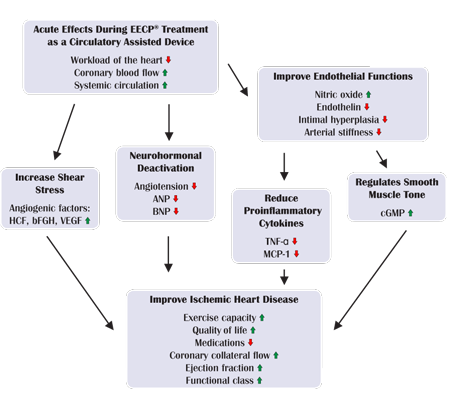
EECP Treatment for Low LVEF: Low ejection fraction poses significant challenges for patients and healthcare providers worldwide. Enhanced External Counterpulsation (EECP) therapy emerges as a groundbreaking non-invasive treatment option that offers hope for individuals struggling with reduced left ventricular function.When your heart’s pumping ability becomes compromised, traditional treatment approaches often involve complex medications and invasive procedures. However, EECP treatment for low LVEF provides an innovative alternative that works by enhancing your body’s natural circulation mechanisms without requiring surgery or extensive medication regimens.
Modern cardiology recognizes that patients with reduced ejection fraction need comprehensive treatment strategies addressing multiple aspects of cardiac dysfunction. EECP therapy uniquely targets the underlying circulatory challenges while promoting natural healing processes within your cardiovascular system.
The effectiveness of EECP in improving cardiac function stems from its ability to reduce cardiac afterload while simultaneously increasing coronary perfusion pressure. This dual mechanism creates optimal conditions for cardiac recovery and symptom improvement in patients with compromised left ventricular function.
Global Statistics on Low LVEF: Understanding the Scope
The Centers for Disease Control and Prevention (CDC) estimates that 6.7 million individuals aged 20 or older in the United States are affected by heart failure, with prevalence expected to increase to 8.5 million Americans by 2030. This alarming trend highlights the urgent need for effective treatments like EECP therapy.
Heart failure with mid-range or mildly reduced ejection fraction (HFmrEF) accounts for up to 25% of patients with heart failure. This substantial population requires specialized treatment approaches that can address their unique cardiac challenges while maintaining quality of life.
Mortality rates associated with reduced ejection fraction remain concerning despite advances in medical therapy. Recent studies show mortality rates of 65.9% during follow-up periods, emphasizing the critical importance of innovative treatments like EECP for improving long-term outcomes.
Long-term Impact of Rising Low LVEF Cases:
The economic burden of reduced ejection fraction extends beyond individual patient costs. Healthcare systems worldwide face increasing pressure to provide effective treatments for this growing population while managing limited resources and complex patient needs.
Disability rates among patients with low LVEF continue climbing, affecting workforce productivity and social support systems. Many individuals with reduced ejection fraction experience limitations in daily activities, requiring modifications to work responsibilities and lifestyle adjustments.
Quality of life deterioration accompanies the physical limitations imposed by low ejection fraction. Patients often experience decreased exercise tolerance, increased fatigue, and reduced ability to participate in social and recreational activities, creating ripple effects throughout families and communities.
The psychological impact of living with reduced ejection fraction cannot be understated. Anxiety about future cardiac events, depression related to activity limitations, and concerns about life expectancy create additional healthcare needs requiring comprehensive treatment approaches.
Understanding Low LVEF: Clinical Pathways and Disease Progression
Left ventricular ejection fraction represents the percentage of blood pumped out of your left ventricle with each heartbeat. A healthy heart has an ejection fraction of 50% to 70%, while values below 40% typically indicate significant cardiac dysfunction requiring medical intervention.
Initial Cardiac Damage Phase:
Low LVEF typically develops following initial insults to your heart muscle. Common causes include myocardial infarction, viral cardiomyopathy, toxic exposures, or genetic predispositions affecting cardiac muscle function. During this early phase, your heart attempts compensation through various mechanisms.
Neurohormonal activation occurs rapidly as your body recognizes decreased cardiac output. The sympathetic nervous system increases activity, releasing norepinephrine and epinephrine to maintain blood pressure and organ perfusion. While initially protective, sustained activation becomes detrimental to cardiac function.
The renin-angiotensin-aldosterone system activates in response to perceived volume depletion. This hormonal cascade leads to vasoconstriction and fluid retention, initially helping maintain blood pressure but eventually contributing to cardiac workload and further dysfunction.
Ventricular Remodeling Process:
Progressive structural changes occur in response to initial cardiac injury and ongoing neurohormonal stimulation. Your left ventricle undergoes dilation and shape changes, transitioning from an elliptical to a more spherical configuration that reduces pumping efficiency.
Cellular-level changes accompany gross structural alterations. Myocyte hypertrophy initially compensates for lost function, but progressive myocyte death and replacement with fibrous tissue ultimately reduces contractile capacity. This process explains why early intervention with treatments like EECP therapy proves crucial.
Mitral valve function often becomes compromised as ventricular geometry changes. Functional mitral regurgitation develops when papillary muscle positioning changes, creating additional volume overload and perpetuating the cycle of ventricular dysfunction.
Advanced Dysfunction Complications:
End-stage low LVEF involves multiple organ system effects beyond primary cardiac dysfunction. Your kidneys develop reduced perfusion, leading to decreased filtration and progressive retention of fluid and metabolic waste products.
Pulmonary congestion develops as left-sided filling pressures increase. This backward pressure transmission creates shortness of breath, exercise intolerance, and potential development of pulmonary hypertension affecting right heart function.
Peripheral perfusion becomes compromised in advanced stages, leading to muscle weakness, fatigue, and reduced exercise capacity. These systemic effects explain why comprehensive treatments addressing circulation, such as EECP therapy, prove particularly beneficial for patients with low LVEF.
How EECP Treatment Works for Low LVEF Patients
Enhanced External Counterpulsation operates through sophisticated mechanisms specifically beneficial for patients with reduced ejection fraction. Understanding these mechanisms helps explain why EECP therapy proves particularly effective for this challenging patient population.
Afterload Reduction Mechanism:
EECP treatment has shown to augment diastolic pressure and reduce Left Ventricular (LV) after-load by reducing systemic vascular resistance. This afterload reduction proves particularly beneficial for patients with low LVEF, as their weakened hearts struggle against increased systemic resistance.
During systolic deflation, EECP creates a vacuum effect that reduces the pressure your heart must pump against. This mechanism provides immediate relief for compromised left ventricles, allowing more efficient ejection of blood with each heartbeat.
The timing of cuff deflation synchronizes precisely with your cardiac cycle, ensuring optimal reduction in afterload during the critical ejection phase. This sophisticated timing maximizes the benefit for patients with reduced ejection fraction who need every advantage in cardiac performance.
Diastolic Augmentation Benefits:
EECP therapy significantly enhances diastolic pressure, improving coronary perfusion in patients with low LVEF. Coronary blood flow occurs primarily during diastole, making this augmentation crucial for maintaining myocardial oxygen supply in compromised hearts.
Increased coronary perfusion pressure promotes improved myocardial perfusion, potentially supporting recovery of hibernating myocardium. This mechanism may contribute to actual improvements in ejection fraction observed in some patients following EECP treatment courses.
Enhanced diastolic pressure also improves systemic organ perfusion, addressing the reduced cardiac output characteristic of low LVEF. Improved kidney, brain, and peripheral organ perfusion contributes to overall symptom improvement and functional capacity enhancement.
Venous Return Optimization:
Sequential cuff inflation from legs upward optimizes venous return to your heart. This mechanism proves particularly important for patients with low LVEF who often have compromised preload optimization due to altered cardiac geometry and function.
Improved venous return helps optimize the Frank-Starling mechanism, allowing your heart to generate better contractile force. Even with reduced ejection fraction, optimizing preload can improve cardiac output and symptom management.
The enhanced venous return also reduces peripheral pooling of blood, improving overall circulatory efficiency. This mechanism addresses the circulatory inadequacy characteristic of reduced ejection fraction while promoting better exercise tolerance.
EECP vs. Traditional Low LVEF Treatments: Comprehensive Analysis
| Treatment Parameter | EECP Therapy | ACE Inhibitors/ARBs | Beta-Blockers | Cardiac Resynchronization |
|---|---|---|---|---|
| Mechanism of Action | External counterpulsation, afterload reduction | Neurohormonal blockade | Heart rate control, cardioprotection | Ventricular synchronization |
| Invasiveness Level | Non-invasive, outpatient | Non-invasive, oral medication | Non-invasive, oral medication | Invasive surgical implantation |
| Treatment Duration | 35 sessions over 7 weeks | Lifelong medication adherence | Lifelong medication adherence | Permanent device implantation |
| Improvement in LVEF | Potential modest improvement | May prevent further decline | Potential modest improvement | Significant improvement possible |
| Symptom Relief Rate | 69% of patients improve ≥1 CCS class | Variable, dose-dependent | Variable, may worsen initially | 70-80% clinical improvement |
| Major Side Effects | Minimal, skin irritation | Cough, hyperkalemia, angioedema | Fatigue, bradycardia, hypotension | Infection, lead complications |
| Contraindications | Few absolute contraindications | Renal dysfunction, pregnancy | Severe asthma, heart block | Infection, life expectancy <1 year |
| Monitoring Requirements | Vital signs during treatment | Regular blood tests, kidney function | Heart rate, blood pressure | Device interrogation, lead function |
| Hospitalization Risk | None | Rare | Rare | Initial procedure requires hospitalization |
Synergistic Treatment Combinations:
EECP therapy works exceptionally well in combination with guideline-directed medical therapy for low LVEF. The mechanical benefits of EECP complement the neurohormonal blockade achieved through ACE inhibitors and beta-blockers, creating comprehensive treatment approaches.
Patients often tolerate optimal medical therapy better following EECP treatment courses. The improved cardiac function and reduced symptoms may allow for better medication adherence and tolerance of higher, more effective doses of evidence-based therapies.
The non-competitive nature of EECP allows it to enhance other treatments without interfering with their mechanisms. This compatibility makes EECP an ideal addition to existing treatment regimens for patients with persistent symptoms despite optimal medical management.
Unique Advantages of EECP:
Unlike medications that require lifelong adherence, EECP provides benefits that can last months to years following treatment completion. Research has shown the beneficial effects of EECP Flow Therapy to last between two and five years after treatment, offering sustained improvement without ongoing intervention.
The excellent safety profile of EECP makes it suitable for patients who cannot tolerate aggressive medical therapies due to side effects or comorbidities. This advantage proves particularly important for elderly patients with multiple medical conditions.
EECP therapy can be repeated if benefits diminish over time, providing ongoing treatment options for patients with progressive disease. This repeatability offers long-term management strategies that surgical interventions cannot provide.
Who Needs EECP Treatment for Low LVEF?
Specific patient populations with reduced ejection fraction benefit most from EECP therapy. Understanding these criteria helps identify optimal candidates while ensuring appropriate treatment selection and resource utilization.
Primary Candidates for EECP:
Patients with ischemic cardiomyopathy and low LVEF represent the largest group benefiting from EECP treatment. Studies show EECP significantly reduced 6-month emergency room visits by 78% and hospitalizations by 73% in patients with refractory angina and left ventricular dysfunction (LVEF < 30 ± 8%).
Individuals with persistent symptoms despite optimal guideline-directed medical therapy often find meaningful improvement with EECP. When conventional treatments reach their limits, EECP provides additional therapeutic benefits that can significantly enhance quality of life and functional capacity.
Patients who are not candidates for cardiac resynchronization therapy due to QRS duration or other technical factors may benefit substantially from EECP. This alternative provides circulatory support without requiring device implantation or ongoing device management.
Specific Clinical Scenarios:
Heart failure patients with preserved kidney function but intolerance to ACE inhibitors or ARBs due to cough or angioedema represent excellent EECP candidates. The therapy provides cardiovascular benefits without the side effects that limit medication tolerance.
Elderly patients with multiple comorbidities who cannot undergo invasive procedures often prove ideal candidates for EECP therapy. The non-invasive nature makes it suitable for frail individuals who need cardiac support but cannot tolerate surgical interventions.
Patients with low LVEF secondary to non-ischemic cardiomyopathy may also benefit from EECP, though the evidence base is stronger for ischemic causes. The mechanical benefits of improved circulation can provide symptomatic relief regardless of underlying etiology.
Functional Status Considerations:
Patients with Class II-III heart failure symptoms often achieve the most significant improvements with EECP therapy. These individuals have sufficient functional capacity to participate in treatment sessions while having enough symptom burden to achieve meaningful improvement.
Exercise capacity limitations due to cardiac dysfunction rather than non-cardiac factors predict better EECP outcomes. Patients whose limitations stem primarily from reduced ejection fraction tend to respond better than those with significant pulmonary or musculoskeletal limitations.
Motivation and ability to complete the 35-session treatment course represent important selection criteria. Patients must commit to the time requirements and transportation needs associated with EECP therapy to achieve optimal benefits.
Contraindications and Precautions:
Severe peripheral vascular disease may limit EECP effectiveness and increase discomfort during treatment. Patients with significant leg circulation problems require careful evaluation before initiating therapy to ensure safety and effectiveness.
Active infections contraindicate EECP therapy due to potential hemodynamic stress during acute illness. Patients should have resolved acute infections and achieved clinical stability before beginning treatment courses.
Severe uncontrolled hypertension requires optimization before EECP initiation. Blood pressure above 180/110 mmHg increases risks during treatment and may limit therapeutic effectiveness until adequate control is achieved.
Clinical Benefits of EECP for Low LVEF Patients
EECP therapy provides multiple clinical benefits specifically relevant to patients with reduced ejection fraction. These advantages extend beyond simple symptom relief to include measurable improvements in cardiac function and overall cardiovascular health.
Hemodynamic Improvements:
Stroke volume optimization occurs through EECP’s effects on preload and afterload. Even with reduced ejection fraction, optimizing loading conditions can significantly improve cardiac output and overall hemodynamic performance during daily activities.
Blood pressure stabilization benefits patients with low LVEF who often experience hypotension due to reduced cardiac output. EECP’s effects on vascular tone and cardiac function can help maintain adequate blood pressure for organ perfusion.
Heart rate variability often improves following EECP treatment, indicating better autonomic nervous system balance. This improvement suggests reduced sympathetic activation and enhanced parasympathetic tone, both beneficial for patients with heart failure.
Functional Capacity Enhancement:
EECP has a significant improvement effect on cardiac function and can significantly improve the quality of life of patients with heart failure. These improvements translate into enhanced ability to perform daily activities and reduced exercise limitations.
Exercise tolerance typically increases substantially following EECP treatment courses. Patients report being able to walk longer distances, climb stairs with less difficulty, and participate in activities previously limited by shortness of breath or fatigue.
Six-minute walk test distances often improve significantly following EECP therapy. This objective measure of functional capacity provides quantifiable evidence of treatment benefits and helps guide ongoing management decisions.
Symptom Relief Patterns:
Dyspnea improvement represents one of the most significant benefits for low LVEF patients undergoing EECP therapy. Reduced shortness of breath during exertion and at rest dramatically improves quality of life and daily functioning.
Fatigue reduction occurs as improved circulation delivers oxygen and nutrients more efficiently throughout the body. Patients often report increased energy levels and reduced need for daytime rest periods following EECP treatment.
Peripheral edema often decreases as cardiac function improves and fluid balance stabilizes. Better cardiac output and improved renal perfusion contribute to reduced fluid retention and associated symptoms.
Long-term Cardiovascular Benefits:
Potential ejection fraction improvement may occur in some patients following EECP therapy, though results vary among individuals. Even modest improvements in pumping function can translate into significant clinical benefits and improved prognosis.
Reduced hospitalizations represent a major long-term benefit of EECP therapy for low LVEF patients. Fewer emergency visits and hospital admissions improve quality of life while reducing healthcare costs and caregiver burden.
Improved medication tolerance often follows EECP treatment, allowing optimization of guideline-directed medical therapy. Better cardiac function may enable patients to tolerate higher doses of beneficial medications previously limited by side effects.
EECP Treatment Protocol for Low LVEF Patients
The standardized EECP protocol requires modifications and special considerations for patients with reduced ejection fraction. Understanding these adaptations ensures optimal treatment delivery while maintaining safety standards.
Pre-treatment Evaluation:
Comprehensive cardiac assessment precedes EECP initiation in low LVEF patients. Echocardiography provides baseline ejection fraction measurements and identifies structural abnormalities that might affect treatment planning or safety considerations.
Hemodynamic stability evaluation ensures patients can tolerate the circulatory changes associated with EECP therapy. Blood pressure control, absence of decompensated heart failure, and stable medication regimens represent important prerequisites.
Exercise capacity assessment helps establish realistic treatment goals and provides baseline measurements for monitoring improvement. Simple tests like six-minute walk distance provide objective measures for tracking treatment response.
Modified Treatment Parameters:
Pressure settings may require adjustment for patients with low LVEF to ensure comfort and effectiveness. Starting with lower pressures and gradually increasing based on tolerance helps optimize treatment while minimizing discomfort.
Monitoring frequency increases for low LVEF patients due to their higher risk of hemodynamic changes during treatment. More frequent vital sign checks and clinical assessments ensure early detection of any complications.
Session scheduling may require modification for patients with significant functional limitations. Some individuals benefit from shorter initial sessions or different scheduling patterns to accommodate their reduced exercise tolerance.
Safety Considerations:
Fluid status monitoring becomes crucial for low LVEF patients who may be sensitive to changes in preload. Daily weight monitoring and assessment for signs of fluid retention help detect early complications.
Blood pressure monitoring during and after sessions helps identify patients who may experience hypotension or hypertension related to treatment. Appropriate interventions can be implemented promptly to maintain safety.
Symptom assessment before each session ensures patients remain stable for treatment. Any signs of decompensated heart failure or other complications require evaluation before proceeding with scheduled sessions.
Response Monitoring:
Functional capacity assessment occurs regularly throughout the treatment course to track improvement and adjust expectations. Progressive increases in exercise tolerance provide objective evidence of treatment effectiveness.
Symptom severity scores help quantify improvements in dyspnea, fatigue, and other heart failure symptoms. These patient-reported outcomes provide important feedback about treatment success and quality of life improvements.
Medication adjustment opportunities may arise as patients improve with EECP therapy. Better cardiac function might allow optimization of heart failure medications that were previously limited by side effects or intolerance.
Scientific Evidence Supporting EECP for Low LVEF
Robust clinical research demonstrates EECP therapy’s effectiveness specifically in patients with reduced ejection fraction. Multiple studies provide evidence for both safety and efficacy in this challenging patient population.
Controlled Trial Results:
The PEECH (Prospective Evaluation of EECP in Congestive Heart Failure) study specifically examined EECP in heart failure patients with reduced ejection fraction. This landmark trial demonstrated significant improvements in exercise capacity and quality of life measures.
In patients with refractory angina and left ventricular dysfunction (LVEF < 30 ± 8%), EECP significantly reduced 6-month emergency room visits by 78% and hospitalizations by 73%. These impressive results demonstrate EECP’s ability to reduce healthcare utilization in high-risk patients.
Systematic reviews examining EECP in heart failure consistently show beneficial effects on functional capacity and symptom management. According to existing evidence, the standard course of EECP is safe in patients with ischemic heart failure and can significantly improve quality of life.
Registry Data Analysis:
Large registry databases provide real-world evidence of EECP effectiveness in diverse patient populations with low LVEF. These studies demonstrate consistent benefits across different healthcare systems and patient demographics.
Long-term follow-up data from registries show sustained benefits lasting years after EECP treatment completion. This durability makes EECP a cost-effective intervention for patients with chronic conditions like reduced ejection fraction.
Safety data from registries confirm EECP’s excellent tolerability even in patients with severely reduced ejection fraction. Serious adverse events remain rare, supporting EECP’s use in high-risk populations who may not tolerate other interventions.
Mechanistic Studies:
Advanced imaging studies demonstrate EECP’s effects on cardiac function and structure in patients with low LVEF. These investigations provide insights into how EECP achieves its clinical benefits at the physiological level.
Coronary flow studies show improved myocardial perfusion following EECP treatment, particularly important for patients with ischemic cardiomyopathy and reduced ejection fraction. Enhanced perfusion may contribute to recovery of hibernating myocardium.
Neurohormonal studies demonstrate beneficial changes in heart failure biomarkers following EECP therapy. Reductions in inflammatory markers and neurohormonal activation suggest EECP may help interrupt the pathophysiological processes driving heart failure progression.
Meta-analysis Findings:
Comprehensive meta-analyses examining EECP in heart failure consistently demonstrate significant improvements in functional capacity and quality of life. These high-level evidence syntheses provide strong support for EECP’s clinical effectiveness.
Mortality analyses, while limited by study design, suggest potential survival benefits associated with EECP therapy in heart failure patients. Reduced hospitalizations and improved functional status may contribute to better long-term outcomes.
Cost-effectiveness analyses support EECP’s economic value in heart failure management. The reduction in hospitalizations and improved functional capacity provide economic benefits that offset treatment costs over time.
Integration with Comprehensive Low LVEF Management
EECP therapy achieves optimal results when integrated into comprehensive management programs for patients with reduced ejection fraction. This coordinated approach addresses multiple aspects of the condition while maximizing therapeutic benefits.
Multidisciplinary Team Coordination:
Heart failure specialists, EECP technicians, nurses, and pharmacists collaborate to ensure comprehensive care for low LVEF patients. Each team member contributes specialized expertise to optimize treatment outcomes and patient safety.
Cardiologists monitor medication optimization and adjust therapies based on patient response to EECP treatment. Improved cardiac function may allow for better tolerance of evidence-based heart failure medications.
Nursing staff provide ongoing education about heart failure self-management, medication adherence, and symptom monitoring. This education becomes particularly important as patients experience improvement and may need to adjust their self-care routines.
Lifestyle Modification Support:
Cardiac rehabilitation programs work synergistically with EECP therapy to maximize functional improvements. The enhanced exercise tolerance following EECP treatment creates opportunities for more effective participation in structured exercise programs.
Nutritional counseling addresses dietary sodium restriction and fluid management, crucial components of heart failure care. Patients often find it easier to maintain dietary restrictions as their symptoms improve with EECP therapy.
Medication adherence support becomes increasingly important as patients feel better and may be tempted to reduce their medications. Education about the importance of continued therapy despite symptom improvement helps maintain long-term benefits.
Advanced Therapy Considerations:
EECP therapy may serve as a bridge to more definitive treatments for some patients with low LVEF. Improved functional status following EECP might make patients better candidates for cardiac transplantation or mechanical circulatory support.
Device therapy evaluation may be reconsidered following EECP treatment if patients show significant improvement. Some individuals who were not initial candidates for cardiac resynchronization therapy might become appropriate candidates after EECP.
Surgical options previously contraindicated due to high risk might become feasible following EECP-induced improvements in cardiac function and overall clinical status. This bridge function adds another dimension to EECP’s therapeutic value.
Ongoing Monitoring Strategies:
Regular echocardiographic monitoring helps track changes in ejection fraction and other cardiac parameters following EECP therapy. These assessments guide ongoing treatment decisions and help identify patients who might benefit from repeat EECP courses.
Functional capacity testing provides objective measures of improvement and helps guide activity recommendations. Progressive increases in exercise tolerance can be documented and used to adjust rehabilitation programs.
Quality of life assessments capture the patient experience of improvement following EECP therapy. These patient-reported outcomes often show dramatic improvements that may not be fully reflected in objective measures.
Future Directions in EECP Research for Low LVEF
Ongoing research continues expanding our understanding of EECP therapy’s mechanisms and applications in patients with reduced ejection fraction. These investigations promise to enhance treatment protocols and identify new therapeutic opportunities.
Advanced Imaging Studies:
Cardiac MRI studies are providing detailed insights into how EECP affects cardiac structure and function in patients with low LVEF. These investigations may help identify patients most likely to benefit from treatment.
Nuclear cardiology studies examine how EECP affects myocardial perfusion and metabolism in patients with reduced ejection fraction. Understanding these mechanisms may lead to optimized treatment protocols for different patient populations.
Strain imaging techniques assess subtle changes in cardiac function that may occur before changes in ejection fraction become apparent. These sensitive measures may help identify treatment benefits earlier in the course of therapy.
Biomarker Research:
Heart failure biomarker studies examine how EECP affects natriuretic peptides, troponins, and other cardiac markers. Changes in these biomarkers may help predict treatment response and guide ongoing management decisions.
Inflammatory marker research investigates EECP’s effects on cytokines and other inflammatory mediators that contribute to heart failure progression. Understanding these effects may help explain EECP’s long-term benefits.
Neurohormonal studies examine how EECP affects the renin-angiotensin-aldosterone system and sympathetic nervous system activation. These investigations provide insights into EECP’s systemic cardiovascular effects.
Treatment Optimization Studies:
Pressure protocol studies investigate optimal cuff pressure settings for different patient populations with low LVEF. Personalized pressure protocols may enhance treatment effectiveness while maintaining safety.
Session frequency research examines whether alternative scheduling patterns might improve outcomes for certain patient subgroups. Modified protocols could make treatment more accessible while maintaining effectiveness.
Combination therapy studies investigate how EECP interacts with other heart failure treatments to optimize overall outcomes. These investigations may identify synergistic combinations that enhance therapeutic benefits.
Technology Advancement Research:
Portable EECP device development may make treatment more accessible for patients with mobility limitations or geographic barriers. Home-based treatment options could expand access to this beneficial therapy.
Artificial intelligence applications are being investigated to optimize treatment parameters based on individual patient characteristics and real-time physiological responses. These advances may personalize EECP therapy for maximum effectiveness.
Remote monitoring capabilities are being developed to enhance patient safety and treatment optimization during EECP therapy. These technologies may improve outcomes while reducing healthcare provider burden.
Conclusion: EECP’s Revolutionary Impact on Low LVEF Management
EECP treatment for low LVEF represents a paradigm shift in managing patients with reduced ejection fraction. The therapy’s unique combination of safety, effectiveness, and non-invasive delivery makes it an invaluable addition to comprehensive heart failure care.
Evidence consistently demonstrates EECP’s ability to improve functional capacity, reduce symptoms, and enhance quality of life for patients with low LVEF. These benefits extend beyond temporary symptom relief to include sustained improvements lasting years after treatment completion.
The therapy’s excellent safety profile makes it suitable for high-risk patients who may not tolerate more aggressive interventions. This accessibility ensures that even the most challenging patients with reduced ejection fraction can receive effective treatment.
Integration with existing heart failure therapies allows EECP to complement rather than compete with established treatments. This synergistic approach maximizes therapeutic benefits while maintaining the comprehensive care patients with low LVEF require.
Future research will likely expand EECP applications and optimize treatment protocols for specific patient populations. As our understanding of the therapy’s mechanisms grows, we can expect even better outcomes for patients with reduced ejection fraction.
The growing body of evidence supporting EECP therapy positions it as an essential component of modern heart failure care. For patients with low LVEF seeking effective, non-invasive treatment options, EECP offers genuine hope for improved outcomes and enhanced quality of life.
About the Author
Mr. Vivek Singh Sengar is a distinguished clinical nutritionist and researcher with specialized expertise in EECP Therapy and Clinical Nutrition. With extensive experience treating over 25,000 patients suffering from heart disease and diabetes across the globe, he has established himself as a leading authority in lifestyle disorder management and cardiac rehabilitation.
As the Founder of FIT MY HEART and Consultant at NEXIN HEALTH and MD CITY Hospital Noida, Mr. Sengar combines clinical expertise with innovative treatment approaches. His comprehensive understanding of EECP therapy’s applications in various cardiac conditions, including low ejection fraction, has helped countless patients achieve better cardiovascular health outcomes.
Mr. Sengar’s research-based approach to patient care emphasizes evidence-based treatments that address the root causes of cardiovascular disease. His work continues advancing the field of non-invasive cardiac therapy while providing hope for patients seeking alternatives to traditional invasive treatments.
His expertise in integrating EECP therapy with nutritional interventions provides patients with comprehensive treatment approaches that address multiple aspects of cardiovascular health. This holistic approach has proven particularly effective for patients with complex conditions like reduced ejection fraction.
For more information about EECP therapy for low LVEF and comprehensive cardiovascular care, visit www.viveksengar.in.
💬 Need Expert Guidance for Your Health?
🌿 NexIn Health is India’s Leading Integrated Wellness Center, specializing in:
-
Non-Surgical Heart Disease Treatments
-
Diabetes Reversal Programs
-
Pain Management
-
Obesity & Fatty Liver Management
-
Women’s Hormonal Health (PCOS, Menopause, etc.)
With a team of 25+ wellness coaches, doctors, clinical nutritionists, and researchers, and over 30 centers globally, NexIn Health combines modern science with natural, non-invasive healing methods — empowering patients to reclaim their health without surgery or lifelong medications.
🔗 Visit NexIn Health: www.nexinhealth.in
📞 Call or WhatsApp: +91 9310 14 5010
📩 Email: care@nexinhealth.in
✅ Whether you’re seeking a second opinion or want to reverse your health condition naturally — take the first step towards healing today.
Your health transformation begins with the right expert.
Connect Now. Live Better.
Ayurverdic Heart Blockage Treatment
Revolutionary Non Surgical Heart Treatment
Frequently Asked Questions:
Que: What is low LVEF and why is it a concern?
Ans: Low LVEF (Left Ventricular Ejection Fraction) means the heart is pumping less blood than normal, which can lead to fatigue, breathlessness, and heart failure.
Que: How does EECP treatment help in low LVEF?
Ans: EECP improves blood flow to the heart, reduces cardiac workload, and helps increase LVEF over time by forming natural bypass pathways.
Que: Is EECP treatment safe for patients with low ejection fraction?
Ans: Yes, EECP is FDA-approved, non-invasive, and safe for stable patients with low LVEF when done under medical supervision.
Que: What is the ideal LVEF range, and when is EECP considered?
Ans: A normal LVEF is 55–70%. EECP is often considered when LVEF is below 40% and symptoms persist despite medication.
Que: How many sessions of EECP are needed for low LVEF patients?
Ans: A standard EECP protocol includes 35–40 one-hour sessions spread over 6–7 weeks.
Que: Can EECP increase LVEF in heart failure patients?
Ans: Yes, many patients show measurable improvement in LVEF and cardiac output after completing EECP therapy.
Que: What are the common symptoms that EECP can help reduce?
Ans: EECP can help reduce symptoms like fatigue, breathlessness, swelling in legs, and chest discomfort.
Que: Does EECP treatment work as an alternative to bypass or stenting in low LVEF?
Ans: In some cases, EECP can serve as a non-surgical alternative or supplement when surgery is risky or not possible.
Que: Can EECP delay or avoid the need for heart transplant in low LVEF cases?
Ans: Yes, EECP can stabilize the condition and may delay or reduce the need for transplant in some patients.
Que: Are there side effects or risks of EECP in patients with low LVEF?
Ans: Side effects are usually mild, like muscle soreness or leg bruising, and rarely require discontinuation.
Que: How soon can improvement be seen after EECP in low LVEF?
Ans: Some patients feel symptom relief within 2–3 weeks; LVEF improvements may be seen by the end of the treatment cycle.
Que: Is EECP a lifelong solution for low ejection fraction?
Ans: EECP improves symptoms and function, but lifestyle changes and ongoing monitoring are essential for lasting results.
Que: Is EECP repeatable in future if symptoms return?
Ans: Yes, EECP can be safely repeated if symptoms or heart function worsen over time.
Que: Who is not eligible for EECP treatment in low LVEF?
Ans: Patients with active deep vein thrombosis, severe aortic valve disease, or uncontrolled hypertension may not be eligible.
Que: Where can I receive EECP treatment for low LVEF?
Ans: EECP is offered at specialized cardiac rehab centers, non-invasive heart clinics, and preventive cardiology units.