Posts Tagged ‘EECP side effects’

EECP Treatment for Heart Failure: A Revolutionary Non-Invasive Approach to Increase Heart Pumping

Posted by

EECP Treatment for Heart Failure: Heart failure continues to challenge millions worldwide, but innovative treatments like Enhanced External Counterpulsation (EECP) are transforming how we approach this complex condition. This breakthrough therapy offers hope for patients seeking alternatives to traditional invasive procedures.

Heart failure affects your body’s ability to pump blood effectively, leading to symptoms that can dramatically impact your quality of life. Traditional treatment methods often involve medications, lifestyle changes, and sometimes surgical interventions. However, EECP therapy presents a unique, non-invasive solution that works by improving blood circulation throughout your cardiovascular system.

Recent clinical studies demonstrate that EECP treatment significantly enhances cardiac function while reducing symptoms in heart failure patients. This therapeutic approach utilizes external pressure to optimize blood flow, creating natural bypasses around blocked arteries. The therapy’s effectiveness lies in its ability to stimulate your body’s own healing mechanisms without requiring surgical intervention.

Global Heart Failure Statistics: Understanding the Magnitude

Approximately 6.7 million Americans over the age of 20 currently live with heart failure, a figure projected to rise to 8.7 million by 2030, 10.3 million by 2040, and a staggering 11.4 million by 2050. These statistics highlight the urgent need for effective treatment options like EECP therapy.

The current worldwide prevalence of HF is estimated at 64.34 million cases (8.52 per 1,000 inhabitants, 29% of which mild, 19% moderate and 51% severe HF). This global burden demonstrates why innovative treatments such as enhanced external counterpulsation are becoming increasingly important in modern cardiology.

The economic impact of heart failure extends beyond individual suffering. Healthcare systems worldwide spend billions annually on heart failure management, making cost-effective treatments like EECP therapy essential for sustainable cardiac care. Countries with aging populations face particularly challenging increases in heart failure prevalence.

Long-term Impact of Rising Heart Failure Rates:

Heart failure mortality rates continue climbing globally. In 2002, the HF mortality was 3.0 per 100,000 persons, which rose to 15.6 per 100,000 persons in 2020. This upward trend emphasizes the critical importance of accessible treatments like EECP for heart failure patients.

The societal burden includes reduced productivity, increased disability claims, and strain on caregiving resources. Families often struggle with the emotional and financial challenges of supporting loved ones with heart failure. EECP treatment offers hope by potentially reducing hospitalizations and improving functional capacity.

Young adults between ages 15-44 show increasing heart failure rates, challenging traditional assumptions about this condition affecting only older populations. This demographic shift requires innovative treatment approaches that can accommodate younger patients’ lifestyle needs while providing effective cardiac support.

Understanding Heart Failure: Clinical Pathways and Disease Progression

Heart failure represents a complex syndrome where your heart cannot pump blood efficiently to meet your body’s demands. The pathogenesis involves multiple interconnected mechanisms that progressively compromise cardiac function over time.

Initial Cardiac Injury Phase:

The disease typically begins with an initial insult to your heart muscle. Common triggers include myocardial infarction, hypertension, viral infections, or genetic predispositions. During this phase, your heart attempts to compensate through various mechanisms including increased heart rate and enlarged chamber size.

Neurohormonal activation occurs early in the disease process. Your body releases hormones like adrenaline and angiotensin II to maintain blood pressure and cardiac output. Initially helpful, these compensatory mechanisms eventually become detrimental, leading to further cardiac damage and symptom progression.

Ventricular Remodeling Stage:

As heart failure progresses, structural changes occur in your heart chambers. The left ventricle often enlarges and changes shape, becoming less efficient at pumping blood. This remodeling process involves changes at the cellular level, including myocyte death and replacement with scar tissue.

Vascular changes accompany cardiac remodeling. Your blood vessels become less responsive to normal regulatory signals, contributing to increased afterload and reduced exercise capacity. These changes explain why treatments like EECP therapy, which improve vascular function, can be particularly beneficial.

Advanced Heart Failure Complications:

In advanced stages, multiple organ systems become affected. Your kidneys may develop dysfunction due to reduced blood flow, leading to fluid retention and worsening symptoms. The liver can become congested, affecting its ability to process medications and maintain protein synthesis.

Pulmonary complications develop as pressure backs up into your lungs, causing shortness of breath and reduced exercise tolerance. This complex interplay of organ dysfunction explains why comprehensive treatments addressing multiple pathways, such as EECP therapy, often prove more effective than single-target approaches.

How EECP Treatment Works: Mechanisms of Action

Enhanced external counterpulsation operates on sophisticated physiological principles that harness your body’s natural circulatory mechanisms. Understanding these mechanisms helps explain why EECP therapy proves effective for heart failure patients.
How EECP Therapy Works - Vivek Sengar

Counterpulsation Principle:

EECP therapy synchronizes with your cardiac cycle using electrocardiogram monitoring. During diastole (when your heart relaxes), pneumatic cuffs inflate sequentially from your legs upward, pushing blood toward your heart and vital organs. This external assistance effectively increases diastolic pressure and coronary perfusion.

During systole (when your heart contracts), the cuffs rapidly deflate, reducing afterload and making it easier for your heart to pump blood. This synchronized assistance reduces cardiac workload while improving overall circulation, particularly beneficial for heart failure patients with compromised pumping function.

Principal of EECP

Principal of EECP

Vascular Adaptations:

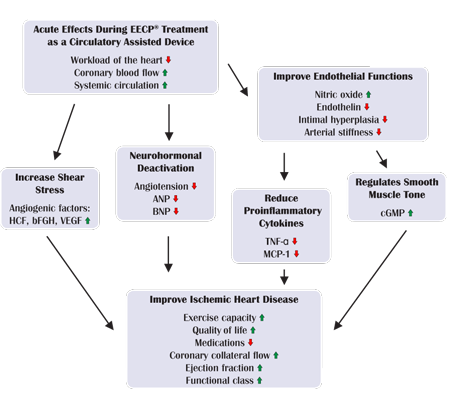
Regular EECP sessions stimulate the development of collateral circulation. Your body responds to the improved blood flow by growing new blood vessels and enhancing existing ones. This process, called angiogenesis, creates natural bypasses around blocked or narrowed arteries.

Endothelial function improves with EECP treatment. The cells lining your blood vessels become more responsive to vasodilating signals, improving your overall vascular health. Enhanced endothelial function contributes to better blood pressure control and reduced cardiovascular risk.

Neurohormonal Benefits:

EECP therapy influences your body’s neurohormonal balance in ways that benefit heart failure patients. The treatment can reduce sympathetic nervous system activity, leading to lower heart rates and blood pressure. This neurohormonal rebalancing helps break the cycle of progressive heart failure deterioration.

Inflammatory markers often decrease with EECP treatment. Chronic inflammation contributes to heart failure progression, so reducing inflammatory activity through EECP therapy may help slow disease advancement while improving symptoms and quality of life.

EECP vs. Traditional Heart Failure Treatments: Comprehensive Comparison

Treatment Aspect EECP Therapy Medication Management Surgical Interventions
Invasiveness Non-invasive, outpatient Non-invasive, daily medications Invasive, requires hospitalization
Treatment Duration 35 – 40 sessions over 7 weeks Lifelong adherence required Single procedure with recovery time
Side Effects Minimal, temporary skin irritation Multiple drug interactions, organ toxicity Surgical risks, infection, bleeding
Effectiveness Rate 69% of patients improved by at least 1 Canadian Cardiovascular Society (CCS) angina class Variable, depends on medication tolerance High success rates but limited candidates
Long-term Benefits Over 92% had sustained improvement at 1-year follow-up Requires continuous medication adjustment Durable results for suitable candidates
Patient Comfort Comfortable, no anesthesia needed Daily pill burden, potential side effects Post-operative pain and recovery period
Contraindications Few absolute contraindications Multiple drug allergies and interactions Extensive medical clearance required
Monitoring Requirements Basic vital signs during treatment Regular blood tests, organ function monitoring Intensive post-operative monitoring

Combination Therapy Advantages:

EECP treatment works synergistically with conventional heart failure medications. Patients often experience enhanced benefits when combining EECP with optimized medical therapy. This integrated approach addresses multiple pathways contributing to heart failure progression.

The non-competitive nature of EECP allows it to complement other treatments without interfering with their mechanisms. Unlike some therapies that may contraindicate others, EECP enhances overall treatment effectiveness while maintaining safety profiles.

Quality of Life Improvements:

The standard course of EECP is safe in patients with IHF and can significantly improve the quality of life of these patients. This improvement often exceeds what patients experience with medications alone, particularly regarding exercise tolerance and daily activity levels.

Psychological benefits accompany physical improvements with EECP therapy. Patients often report reduced anxiety about their condition and increased confidence in their ability to manage daily activities. These psychological improvements contribute significantly to overall treatment success.

Who Needs EECP Treatment for Heart Failure?

EECP therapy benefits a diverse range of heart failure patients, though specific criteria help identify optimal candidates. Understanding these criteria ensures patients receive appropriate evaluation for this innovative treatment option.

Primary Candidates:

Patients with ischemic heart failure represent the largest group benefiting from EECP treatment. These individuals typically have underlying coronary artery disease contributing to their heart failure symptoms. EECP’s ability to improve coronary circulation makes it particularly effective for this population.

Individuals experiencing persistent symptoms despite optimal medical therapy often find significant relief with EECP. When conventional treatments reach their limits, EECP provides an additional therapeutic option that can meaningfully improve quality of life and functional capacity.

Specific Clinical Scenarios:

Patients who are not candidates for surgical revascularization due to high operative risk or unsuitable anatomy benefit greatly from EECP therapy. This non-invasive alternative provides circulatory benefits without surgical risks, making it ideal for high-risk populations.

Heart failure patients with preserved ejection fraction often respond well to EECP treatment. While their heart’s pumping function may appear normal, these patients experience symptoms related to impaired relaxation and filling, which EECP can help address through improved circulation.

Age and Functional Considerations:

Elderly patients with multiple comorbidities frequently prove excellent EECP candidates. The treatment’s non-invasive nature makes it suitable for frail individuals who cannot tolerate more aggressive interventions. Age alone does not contraindicate EECP therapy.

Younger patients seeking to maintain active lifestyles while managing heart failure find EECP particularly appealing. The treatment schedule allows continued work and family responsibilities while providing significant symptom improvement and enhanced exercise capacity.

Contraindications to Consider:

Certain conditions preclude EECP treatment. Active infections, severe peripheral vascular disease, and certain arrhythmias may contraindicate therapy. Pregnancy represents an absolute contraindication due to unknown effects on fetal development.

Severe hypertension requires control before initiating EECP treatment. Patients with blood pressure above 180/110 mmHg need optimization of antihypertensive therapy before beginning EECP sessions to ensure safety and effectiveness.

Clinical Benefits of EECP in Heart Failure Management

EECP therapy provides multiple clinical benefits that extend beyond simple symptom relief. These advantages make it an valuable component of comprehensive heart failure management strategies.

Hemodynamic Improvements:

EECP treatment enhances cardiac output through improved diastolic filling and reduced afterload. Patients often experience measurable improvements in exercise capacity and reduced fatigue during daily activities. These hemodynamic benefits translate into meaningful functional improvements.

Blood pressure optimization occurs with regular EECP sessions. The treatment helps stabilize both systolic and diastolic pressures, potentially reducing medication requirements in some patients. This blood pressure improvement contributes to overall cardiovascular risk reduction.

Symptom Relief Patterns:

Shortness of breath, one of the most distressing heart failure symptoms, often improves significantly with EECP therapy. Patients report being able to climb stairs, walk longer distances, and perform daily activities with less respiratory distress.

Fatigue reduction represents another major benefit of EECP treatment. The improved circulation helps deliver oxygen and nutrients more efficiently throughout the body, resulting in increased energy levels and enhanced quality of life for heart failure patients.

Functional Capacity Enhancement:

Exercise tolerance typically improves markedly with EECP therapy. Patients often progress from severely limited activity to being able to perform moderate exercise. This improvement in functional capacity has profound implications for independence and quality of life.

Sleep quality frequently improves following EECP treatment. Better circulation and reduced fluid retention often lead to decreased nocturnal symptoms, allowing for more restful sleep patterns that further enhance overall well-being.

EECP Treatment Protocol and Procedure Details

Understanding the EECP treatment process helps patients prepare for therapy and know what to expect during their treatment course. The standardized protocol ensures consistent delivery of therapeutic benefits.

Treatment Schedule:

Standard EECP therapy consists of 35 – 40 one-hour sessions administered over seven weeks. Sessions typically occur five days per week, allowing weekends for rest and recovery. This schedule provides optimal therapeutic benefit while accommodating most patients’ lifestyle needs.

Each session involves lying comfortably on a treatment bed while pneumatic cuffs are applied to your legs and lower torso. The treatment is pain-free and many patients find it relaxing, often using the time to read, listen to music, or rest.

Session Procedures:

Before each session, medical staff monitors your vital signs and reviews any changes in your condition. Electrocardiogram electrodes are placed to synchronize the EECP device with your heartbeat, ensuring optimal timing of the counterpulsation cycles.

During treatment, the device inflates cuffs sequentially from your calves to your thighs and buttocks during diastole, then rapidly deflates during systole. Pressure settings are adjusted based on your tolerance and clinical response to optimize therapeutic benefit.

Monitoring and Safety:

Continuous monitoring during EECP sessions ensures patient safety and treatment effectiveness. Medical staff observe vital signs, patient comfort, and treatment parameters throughout each session, making adjustments as needed to maintain optimal therapy delivery.

Progressive assessment occurs weekly to evaluate treatment response and make any necessary protocol modifications. This ongoing evaluation ensures patients receive maximum benefit from their EECP therapy course while maintaining safety standards.

Scientific Evidence Supporting EECP for Heart Failure

Robust clinical research supports EECP therapy’s effectiveness in heart failure management. Multiple studies demonstrate significant improvements in patient outcomes and quality of life measures.

Registry Data Analysis:

Data from the International EECP Patient Registry indicate that 69% of patients improved by at least 1 Canadian Cardiovascular Society (CCS) angina class immediately after EECP. This improvement rate demonstrates EECP’s consistent effectiveness across diverse patient populations.

Long-term follow-up data strengthens the evidence for EECP’s durability. Of these patients, 72% had sustained improvement at 1-year follow-up. This sustained benefit suggests that EECP provides lasting therapeutic value rather than temporary symptom relief.

Systematic Review Findings:

According to the existing evidence, the standard course of EECP is safe in patients with IHF and can significantly improve the quality of life of these patients. This systematic review conclusion provides high-level evidence supporting EECP’s role in heart failure management.

Safety profiles consistently demonstrate EECP’s excellent tolerability across multiple studies. Serious adverse events remain rare, making EECP an attractive option for patients who may not tolerate more aggressive interventions.

Hospitalization Reduction:

Studies examining healthcare utilization show promising trends toward reduced hospitalizations following EECP therapy. 9% of patients underwent EECP and 13.6% of controls were readmitted within 180 days. This reduction in readmission rates suggests EECP may help stabilize patients and reduce healthcare costs.

Emergency department visits often decrease following successful EECP treatment courses. Patients report feeling more confident managing their symptoms and experience fewer acute exacerbations requiring urgent medical attention.

Integration with Comprehensive Heart Failure Care

EECP therapy works best when integrated into comprehensive heart failure management programs. This coordinated approach addresses multiple aspects of the condition while optimizing overall patient outcomes.

Multidisciplinary Team Approach:

Successful EECP integration requires coordination between cardiologists, EECP specialists, nurses, and rehabilitation professionals. Each team member contributes unique expertise to ensure patients receive comprehensive care throughout their treatment journey.

Patient education remains crucial for successful EECP integration. Understanding how EECP complements other treatments helps patients maintain adherence to all aspects of their care plan while maximizing therapeutic benefits.

Lifestyle Modification Support:

EECP therapy often enhances patients’ ability to participate in cardiac rehabilitation and exercise programs. Improved exercise tolerance following EECP treatment creates opportunities for further cardiovascular conditioning and lifestyle improvements.

Nutritional counseling becomes more effective when combined with EECP therapy. Patients often find they have increased energy to prepare healthy meals and maintain better dietary habits as their symptoms improve with treatment.

Medication Optimization:

EECP therapy may allow for optimization of heart failure medications. Some patients experience improved tolerance of evidence-based therapies following EECP treatment, potentially enhancing overall medical management effectiveness.

Regular monitoring during EECP treatment provides opportunities to assess medication effectiveness and make necessary adjustments. This ongoing evaluation ensures patients receive optimal medical therapy alongside their EECP treatment course.

Future Directions in EECP Research

Ongoing research continues to expand our understanding of EECP therapy’s potential applications and mechanisms. These investigations may lead to enhanced treatment protocols and broader therapeutic applications.

Emerging Applications:

Research into EECP’s effects on different types of heart failure continues evolving. Studies examining heart failure with preserved ejection fraction show promising preliminary results, potentially expanding EECP’s therapeutic applications.

Combination therapies incorporating EECP with newer heart failure treatments represent an active area of investigation. These studies may identify synergistic effects that enhance overall treatment effectiveness.

Mechanism Studies:

Advanced imaging techniques are providing new insights into EECP’s cardiovascular effects. Studies using cardiac MRI and other sophisticated technologies help clarify how EECP improves cardiac function and symptom relief.

Biomarker research examines how EECP therapy affects inflammatory markers, neurohormonal activation, and other cardiac biomarkers. These studies may help identify patients most likely to benefit from EECP treatment.

Technology Advances:

Device improvements continue enhancing EECP delivery and patient comfort. New cuff designs and pressure control systems may improve treatment effectiveness while reducing any minor discomfort associated with therapy.

Remote monitoring capabilities are being investigated to enhance patient safety and treatment optimization. These technological advances may allow for more personalized EECP protocols based on individual patient responses.

Patient Selection and Evaluation Process

Proper patient selection ensures optimal EECP outcomes while maintaining safety standards. Comprehensive evaluation helps identify patients most likely to benefit from this innovative therapy.

Initial Assessment:

Thorough cardiovascular evaluation precedes EECP therapy initiation. This assessment includes detailed history, physical examination, electrocardiogram, and echocardiogram to characterize heart failure severity and identify any contraindications.

Exercise testing when appropriate helps establish baseline functional capacity and provides objective measures for monitoring treatment response. These baseline measurements prove valuable for documenting EECP therapy’s effectiveness.

Risk Stratification:

Patient risk assessment considers both cardiac and non-cardiac factors that might influence EECP therapy success. High-risk patients may require additional monitoring or modified treatment protocols to ensure safety.

Comorbidity evaluation examines conditions that might affect EECP tolerance or effectiveness. Certain conditions may require optimization before initiating EECP therapy to maximize treatment benefits.

Treatment Planning:

Individualized treatment plans consider patient-specific factors including symptom severity, functional limitations, and treatment goals. This personalized approach helps ensure EECP therapy addresses each patient’s unique needs and circumstances.

Patient education and expectation setting form crucial components of treatment planning. Understanding EECP therapy’s realistic benefits and timeline helps patients maintain appropriate expectations and treatment adherence.

Conclusion: EECP’s Role in Modern Heart Failure Care

EECP treatment for heart failure represents a significant advancement in non-invasive cardiac therapy. The evidence consistently demonstrates meaningful improvements in symptoms, quality of life, and functional capacity for appropriately selected patients.

The therapy’s excellent safety profile makes it suitable for many patients who cannot tolerate more aggressive interventions. Combined with its effectiveness and non-invasive nature, EECP provides valuable therapeutic option for comprehensive heart failure management.

As heart failure prevalence continues rising globally, treatments like EECP become increasingly important for managing this complex condition. The therapy’s ability to complement existing treatments while providing unique benefits positions it as a valuable component of modern cardiovascular care.

Future research will likely expand EECP applications and enhance treatment protocols. This ongoing development ensures that EECP therapy will continue evolving to meet the growing needs of heart failure patients worldwide.


About the Author

Mr. Vivek Singh Sengar is a distinguished clinical nutritionist and researcher with specialized expertise in EECP therapy and clinical nutrition. As an expert in treating patients with lifestyle disorders, he has successfully treated over 25,000 heart and diabetes patients across the globe.

Mr. Sengar serves as the Founder of FIT MY HEART and works as a Consultant at NEXIN HEALTH and MD CITY Hospital Noida. His extensive experience in cardiovascular care and innovative non-surgical treatment approaches makes him a leading authority in integrated EECP therapy applications combined with holistic healing methods.

His practice focuses on providing comprehensive alternatives to traditional cardiac interventions, helping patients achieve optimal cardiovascular health through evidence-based non-surgical treatments combined with lifestyle optimization and natural healing approaches.

For more information about integrated non-surgical cardiac treatments and comprehensive cardiovascular health services, visit www.viveksengar.in.

💬 Need Expert Guidance for Your Health?

🌿 NexIn Health is India’s Leading Integrated Wellness Center, specializing in:

  • Non-Surgical Heart Disease Treatments

  • Diabetes Reversal Programs

  • Pain Management

  • Obesity & Fatty Liver Management

  • Women’s Hormonal Health (PCOS, Menopause, etc.)

With a team of 25+ wellness coaches, doctors, clinical nutritionists, and researchers, and over 30 centers globally, NexIn Health combines modern science with natural, non-invasive healing methods — empowering patients to reclaim their health without surgery or lifelong medications.


🔗 Visit NexIn Health: www.nexinhealth.in
📞 Call or WhatsApp: +91 9310 14 5010
📩 Email: care@nexinhealth.in


✅ Whether you’re seeking a second opinion or want to reverse your health condition naturally — take the first step towards healing today.
Your health transformation begins with the right expert.
Connect Now. Live Better.

Also Read:

Ayurvedic Heart Blockage Treatment

Revolutionary Non-Surgical Heart Treatment


EECP Treatment for Heart Failure: A Revolutionary Non-Invasive Approach to Cardiac Recovery


Frequently Asked Questions:

Que: What is EECP treatment in the context of heart failure?
Ans: EECP (Enhanced External Counter Pulsation) is a non-invasive therapy that helps improve blood flow to the heart, enhancing cardiac function in heart failure patients.

Que: How does EECP help in heart failure recovery?
Ans: EECP increases oxygen-rich blood flow to the heart, reduces cardiac workload, and supports the development of collateral arteries for better heart function.

Que: Is EECP suitable for all heart failure patients?
Ans: EECP is ideal for stable heart failure patients, especially those with low ejection fraction and persistent symptoms despite medication.

Que: Can EECP improve low ejection fraction in heart failure patients?
Ans: Yes, EECP has shown significant improvement in LVEF (Left Ventricular Ejection Fraction) in many heart failure cases.

Que: How many EECP sessions are needed for visible improvement?
Ans: Typically, 35–40 sessions over 6–7 weeks are recommended for best results in heart failure patients.

Que: Is EECP a cure for heart failure?
Ans: No, EECP is not a cure but a powerful supportive therapy that helps manage and reverse symptoms when combined with lifestyle and medication.

Que: Does EECP reduce the need for surgery or transplant?
Ans: In many cases, EECP reduces the need for bypass surgery or heart transplant by improving cardiac performance non-invasively.

Que: Are there any risks or side effects with EECP in heart failure?
Ans: EECP is generally safe. Minor side effects like leg soreness or mild bruising can occur but are temporary.

Que: How soon can heart failure patients feel relief after EECP?
Ans: Some patients experience relief from breathlessness and fatigue within 2–3 weeks, with maximum benefits after completing the therapy cycle.

Que: Can EECP be used alongside other heart failure treatments?
Ans: Yes, EECP complements medications, dietary changes, and other therapies in a comprehensive heart failure recovery plan.

Que: Is EECP treatment painful?
Ans: No, EECP is painless. Patients lie comfortably while leg cuffs inflate rhythmically to assist blood flow.

Que: Who should avoid EECP treatment in heart failure?
Ans: Patients with uncontrolled high blood pressure, bleeding disorders, or severe aortic valve disease may not be suitable candidates.

Que: Is EECP FDA-approved for heart failure treatment?
Ans: Yes, EECP is FDA-approved for angina and heart failure with proper indications and guidelines.

Que: Where is EECP therapy available in India?
Ans: EECP therapy is available at non-invasive cardiology centers, advanced rehab clinics, and heart hospitals across major Indian cities.

Que: Can EECP be repeated if heart failure symptoms return?
Ans: Yes, EECP is safe to repeat and is often used periodically for long-term heart failure management.

What is EECP Treatment: Best Non – Surgical Alternative of Angioplasty and Bypass Surgery

Posted by
What is EECP Treatment: Enhanced External Counterpulsation (EECP) treatment is a non-invasive therapeutic procedure that has revolutionized cardiovascular care for patients with various heart conditions. EECP treatment offers hope to many who have exhausted traditional treatment options or are not candidates for invasive procedures. This comprehensive guide explores what EECP treatment is, how it works, its applications, benefits, and limitations.EECP treatment is an FDA-approved, non-surgical therapy designed to improve blood flow to the heart muscle and reduce the symptoms of cardiovascular disease. EECP treatment involves the application of external pressure to the lower extremities through a series of inflatable cuffs, synchronized with the patient’s cardiac cycle. This EECP treatment approach has demonstrated significant success in treating angina and various other cardiovascular conditions by enhancing blood circulation without invasive procedures.

The EECP treatment system consists of three main components:

  • Adjustable cuffs that wrap around the patient’s calves, thighs, and buttocks
  • An electrocardiogram (ECG) to monitor heart rhythm
  • A computerized control system that synchronizes cuff inflation and deflation with the patient’s cardiac cycle

How does EECP therapy work?

The mechanism behind EECP treatment involves carefully timed counterpulsation that works in harmony with the heart’s natural rhythm. During EECP treatment:

  1. Diastole Phase: When the heart is at rest (diastole), the cuffs rapidly inflate sequentially from the calves upward, creating a wave-like compression that propels blood back toward the heart. This retrograde pressure during EECP treatment increases coronary perfusion pressure and blood flow to the myocardium.
  2. Systole Phase: Just before the heart contracts (systole), the cuffs rapidly deflate simultaneously, reducing the resistance the heart must pump against. This “systolic unloading” during EECP treatment decreases the heart’s workload and oxygen demand.

This precisely timed sequence in EECP treatment creates several beneficial hemodynamic effects:

  • Increased coronary blood flow
  • Enhanced venous return to the heart
  • Reduced cardiac workload
  • Improved oxygen supply to the heart muscle

Mechanism of Action

EECP treatment works through multiple physiological pathways that collectively improve cardiovascular function:

Hemodynamic Effects of EECP Treatment

The immediate hemodynamic benefits of EECP treatment include:

  • Increased diastolic pressure, improving coronary perfusion by 20-40%
  • Decreased systolic pressure, reducing cardiac afterload
  • Improved cardiac output and stroke volume
  • Enhanced venous return

Vascular Effects during EECP Treatment

EECP treatment generates significant changes in the vascular system:

Development of New Blood Vessels

EECP treatment stimulates angiogenesis (formation of new blood vessels) through:

  • Increased shear stress on vessel walls
  • Upregulation of vascular endothelial growth factor (VEGF)
  • Activation of the hypoxia-inducible factor 1-alpha (HIF-1α) pathway
  • Release of stem cell mobilizing factors

These processes during EECP treatment lead to the formation of new capillary networks that improve blood flow to oxygen-deprived tissues.

Dilation of Existing Blood Vessels

EECP treatment enhances vasodilation through:

  • Increased nitric oxide (NO) production
  • Improved endothelial function
  • Reduced endothelin-1 levels (a potent vasoconstrictor)
  • Decreased sympathetic nervous system activity

Cellular and Molecular Mechanisms

At the cellular level, EECP treatment triggers:

  • Increased production of endothelial progenitor cells
  • Reduced inflammation markers (C-reactive protein, tumor necrosis factor-alpha)
  • Improved peripheral vascular resistance
  • Enhanced oxygen utilization at the tissue level


What conditions can EECP therapy treat?

EECP treatment has been approved for and shown efficacy in treating numerous cardiovascular and related conditions:

Primary Applications of EECP Treatment

  • Chest pain (Angina): EECP treatment is FDA-approved for chronic, stable angina that doesn’t respond adequately to medication or isn’t suitable for invasive procedures.
  • Coronary artery disease: EECP treatment improves blood flow in patients with significant coronary blockages.
  • Shortness of breath (dyspnea): Many patients report improved breathing capacity after EECP treatment.
  • Fatigue: EECP treatment can increase energy levels by improving overall circulatory function.
  • Cough: Some patients with cardiac-related cough experience symptom relief after EECP treatment.

Other Conditions Benefiting from EECP Treatment

EECP treatment has shown promising results for:

  • Cardiac syndrome X: EECP treatment improves microvascular function in patients with angina but normal coronary arteries.
  • Heart failure: EECP treatment enhances cardiac function and exercise capacity in heart failure patients.
  • Left ventricular dysfunction: EECP treatment can improve ejection fraction and cardiac performance.
  • Cerebrovascular disease: EECP treatment may enhance cerebral circulation and cognitive function.
  • Kidney (renal) failure: EECP treatment can improve renal perfusion and potentially slow disease progression.
  • Peripheral artery disease (PAD): EECP treatment increases collateral circulation in the extremities.
  • Erectile dysfunction: By improving vascular function, EECP treatment may benefit men with vascular-related erectile dysfunction.
  • Lung disease: Some patients with pulmonary hypertension show improvement with EECP treatment.
  • Diabetes: EECP treatment may improve peripheral circulation and reduce diabetes-related complications.

Who is eligible for EECP therapy?

Ideal candidates for EECP treatment include:

  • Patients with chronic, stable angina who have exhausted medication options
  • Individuals who are not candidates for bypass surgery or angioplasty
  • Patients seeking non-invasive alternatives to surgical interventions
  • Those with persistent symptoms despite prior revascularisation procedures
  • Patients with multiple risk factors who want to improve their cardiovascular health

Before starting EECP treatment, patients undergo a comprehensive evaluation including:

  • Complete medical history
  • Physical examination
  • Cardiovascular assessments
  • Evaluation of symptom severity and frequency

Who Should Not Undergo EECP Treatment?

EECP treatment is contraindicated or requires special consideration in patients with:

  • Severe Aortic insufficiency: The increased diastolic pressure from EECP treatment may worsen this condition.
  • Atrial fibrillation (Afib): Irregular heartbeats can interfere with proper EECP treatment timing.
  • Blood clots: EECP treatment may dislodge existing clots.
  • Congenital heart disease: Certain structural abnormalities may complicate EECP treatment.
  • Sever Enlarged heart (cardiomegaly): May affect EECP treatment effectiveness.
  • Heart valve disease: Especially severe mitral or aortic regurgitation.
  • Hemorrhage: Active bleeding is a contraindication for EECP treatment.
  • Severe hypertension: Uncontrolled high blood pressure must be managed before EECP treatment.
  • Irregular heartbeat or fast heart rate (tachycardia): These can interfere with EECP treatment synchronization.
  • Hypertrophic cardiomyopathy: The altered hemodynamics may be problematic.
  • Pulmonary hypertension (PH): Severe cases require careful evaluation before EECP treatment.
  • Severe peripheral vascular disease: May limit the effectiveness of EECP treatment.
  • Recent cardiac catheterization: Typically requires a waiting period before EECP treatment.
  • Pregnancy: EECP treatment has not been studied in pregnant women.
  • Deep vein thrombosis: Increases risk of complications during EECP treatment.

Is EECP therapy a common procedure?

While EECP treatment has been FDA-approved since 1995 and has gained recognition worldwide, it isn’t as widely available as some conventional cardiac procedures. The popularity of EECP treatment varies by region:

  • In the United States, over 1,200 centers offer EECP treatment
  • EECP treatment has received approval from regulatory bodies in Europe, Asia, and Australia
  • The International EECP Patient Registry has documented outcomes for over 30,000 patients who have undergone EECP treatment
  • More than 20,000 EECP treatment procedures are performed annually in the US alone

Despite its proven benefits, EECP treatment remains underutilized partly due to:

  • Limited awareness among both patients and healthcare providers
  • Insurance coverage variations
  • The substantial time commitment required for the full EECP treatment course

International Approvals for EECP Treatment

EECP treatment has received regulatory approval from numerous health authorities worldwide:

  • FDA approval in the United States (1995)
  • CE Mark in Europe
  • PMDA approval in Japan
  • TGA approval in Australia
  • CDSCO approval in India
  • NMPA (formerly CFDA) approval in China

These approvals reflect the growing body of evidence supporting EECP treatment’s safety and efficacy, with international clinical guidelines increasingly recognizing EECP treatment as an important therapeutic option for selected patients.

The EECP Treatment Experience

What happens before EECP therapy?

Preparation for EECP treatment involves:

  1. Initial consultation: A specialist evaluates the patient’s medical history, current symptoms, and treatment goals for EECP treatment.
  2. Baseline assessments: Before starting EECP treatment, measurements typically include:
    • Blood pressure and heart rate
    • Electrocardiogram (ECG)
    • Exercise capacity evaluation
    • Quality of life questionnaires
    • Blood tests to assess cardiac biomarkers
  3. Education: Patients receive detailed information about the EECP treatment process, expected outcomes, and timeline.
  4. Clothing guidance: Patients are advised to wear comfortable, loose-fitting clothing to EECP treatment sessions.

What happens during EECP therapy?

A typical EECP treatment session follows this sequence:

  1. The patient lies comfortably on a treatment table.
  2. Three sets of pressure cuffs are wrapped around the calves, lower thighs, and upper thighs/buttocks.
  3. ECG electrodes are placed to monitor heart rhythm and synchronize the EECP treatment system.
  4. A finger plethysmograph monitors blood pressure waves during EECP treatment.
  5. The computer-controlled system inflates and deflates the cuffs in precise timing with the cardiac cycle.
  6. During EECP treatment, patients can read, watch television, or even nap.
  7. Medical staff regularly check the patient’s comfort and vital signs throughout the EECP treatment session.

Many patients report that EECP treatment feels like a strong massage of the legs and buttocks, with a squeezing sensation moving up the legs during each heartbeat.

How long does EECP therapy last?

The standard EECP treatment protocol consists of:

  • 35 one-hour sessions
  • Usually scheduled 5 days per week
  • The full course typically takes 7 weeks to complete
  • Each EECP treatment session includes a few minutes for setup and removal of the cuffs

Some variations in EECP treatment scheduling may occur based on individual needs:

  • Extended protocols (up to 50 sessions) for severe conditions
  • Compressed schedules (twice daily sessions) for patients traveling from distant locations
  • Maintenance EECP treatment sessions (monthly or quarterly) for some patients after completing the initial course

The commitment to a full EECP treatment course is crucial for optimal results, as the beneficial effects of EECP treatment are cumulative.

Read Also: EECP Treatment for Chest Pain

Recovery and Outlook

Patient Experience after EECP therapy

Patient experiences during and after EECP treatment vary:

  • During early sessions: Some patients may experience fatigue after EECP treatment as their body adjusts to the therapy.
  • Mid-course: Many begin noticing improvements in symptoms by the 15-20th EECP treatment session.
  • Upon completion: Most patients report significant improvement in:
    • Exercise capacity
    • Reduction in angina episodes
    • Decreased need for nitroglycerin
    • Improved quality of life
    • Enhanced energy levels

Recovery time from EECP

One of the significant advantages of EECP treatment is the minimal recovery time:

  • No downtime between sessions
  • Patients can return to normal activities immediately after each EECP treatment
  • No hospitalization required
  • No wound care or activity restrictions
  • Patients can drive themselves to and from EECP treatment appointments

This makes EECP treatment particularly suitable for:

  • Elderly patients
  • Those with multiple comorbidities
  • Individuals who cannot afford extended time away from work or family responsibilities

Can I have EECP therapy more than once?

Many patients benefit from repeat courses of EECP treatment:

  • Initial benefits of EECP treatment typically last 3-5 years for most patients
  • When symptoms begin to return, a repeat course of EECP treatment is often beneficial
  • Some patients receive a “booster” course of 15-20 EECP treatment sessions at regular intervals
  • Maintenance protocols may involve periodic single EECP treatment sessions to sustain benefits

There is no limit to the number of EECP treatment courses a patient can receive over their lifetime, provided they remain appropriate candidates.

Risks and Benefits

What are the advantages of EECP therapy?

EECP treatment offers numerous benefits:

  • Non-invasive: EECP treatment requires no incisions, anesthesia, or radiation exposure.
  • Outpatient procedure: EECP treatment requires no hospitalization.
  • Cumulative benefits: The effects of EECP treatment continue to improve over the course of therapy.
  • Sustained results: Benefits often last 3-5 years after a course of EECP treatment.
  • Improved exercise capacity: Most patients show significant functional improvement after EECP treatment.
  • Reduced medication needs: Many patients require fewer anti-anginal medications after EECP treatment.
  • Fewer angina episodes: The frequency and intensity of chest pain typically decrease with EECP treatment.
  • Enhanced quality of life: Patients report better daily functioning after EECP treatment.
  • Safe for multiple courses: EECP treatment can be repeated when symptoms return.
  • Complementary therapy: EECP treatment works well alongside conventional treatments.

What are the risks or complications of EECP therapy?

EECP treatment is generally very safe, with minimal risks:

  • Skin irritation or bruising: The most common side effect of EECP treatment, occurring in about 5-10% of patients.
  • Edema: Mild swelling in the legs may occur during the EECP treatment course but typically resolves quickly.
  • Fatigue: Some patients experience temporary tiredness after initial EECP treatment sessions.
  • Muscle or joint discomfort: Minor aches may occur as the body adjusts to EECP treatment.
  • Numbness or tingling: Occasionally reported during EECP treatment sessions but resolves when pressure is released.
  • Pressure sores: Rare with modern EECP treatment equipment and proper technique.

Serious complications from EECP treatment are extremely rare, with studies reporting rates below 0.5%.

Conclusion

EECP treatment represents a significant advancement in non-invasive cardiovascular therapy, offering hope to patients who have limited options or have not responded adequately to conventional treatments. This FDA-approved therapy leverages the body’s natural circulatory mechanics to improve blood flow, stimulate new vessel formation, and enhance overall cardiovascular function.

For patients with angina, heart failure, and various other cardiovascular conditions, EECP treatment provides a safe, effective option with minimal risks and substantial potential benefits. As awareness grows and more research emerges, EECP treatment is likely to become an increasingly important component of comprehensive cardiovascular care.

If you or someone you know suffers from chronic angina or other cardiovascular symptoms that haven’t responded adequately to standard treatments, consider discussing EECP treatment with a healthcare provider to determine if this therapy might be appropriate.

About Vivek Sengar

Vivek Sengar is the founder of Fit My Heart and a leading expert in Non-Invasive and Preventive Cardiology. With over 11 years of clinical experience, he has helped thousands of patients avoid bypass surgery and stents through EECP Therapy, lifestyle changes, and natural heart care protocols. His mission is to make heart treatment safer, more effective, and surgery-free using globally accepted, evidence-based techniques.

Founder of Fit My Heart | Expert in Non-Surgical Heart Care
✅ Get a Second Opinion on Chest Pain or Blockages
✅ Know if EECP is Right for You

Book An Appointment:

Frequently Asked Questions About EECP Treatment

Q: What does EECP stand for?
A: EECP stands for Enhanced External Counterpulsation, a non-invasive treatment for certain cardiovascular conditions.

Q: How does EECP therapy work?
A: EECP uses inflatable cuffs on the legs that synchronize with your heartbeat to improve blood flow to the heart by compressing during the heart’s resting phase.

Q: What conditions can EECP treat?
A: EECP primarily treats angina, coronary artery disease, heart failure, and can help patients who aren’t candidates for surgery or other interventions.

Q: How long is a typical EECP session?
A: Each EECP session typically lasts 1 hour, with patients usually receiving 35 sessions over a 7-week period.

Q: Is EECP therapy painful?
A: EECP is not painful, though some patients report a tight squeezing sensation. Most find it comfortable enough to read or nap during treatment.

Q: How soon can patients expect results from EECP?
A: Some patients notice improvement after 15-20 sessions, though maximum benefits are typically observed after completing the full course of treatment.

Q: How long do the benefits of EECP last?
A: Benefits typically last 2-5 years for most patients, with some experiencing relief for even longer periods.

Q: Who is not eligible for EECP treatment?
A: EECP is not recommended for patients with severe aortic insufficiency, recent cardiac catheterization, irregular heartbeats, or blood clotting issues.

Q: Does insurance cover EECP therapy?
A: In USA Many insurance plans, including Medicare, cover EECP therapy for patients with refractory angina who meet specific criteria, but in India getting the insurance cover is not easy but if there are no other option and your doctor is strongly recommonding you for EECP then some insurance companies may give the coverage under special health conditions.

Q: Can EECP replace bypass surgery or angioplasty?
A: It’s a Subjective question. In many cases, it can avoid the need for  Bypass surgery, but EECP is not a replacement for these procedures, but serves as an alternative for patients who cannot undergo them or as complementary therapy.

Q: What side effects might occur with EECP?
A: Minor side effects may include skin irritation, muscle fatigue, or slight bruising. Serious side effects are extremely rare.

Q: Can I continue taking my medications during EECP treatment?
A: Yes, patients should continue their prescribed medications during EECP therapy unless directed otherwise by their physician.

Q: Is there any special preparation needed before an EECP session?
A: Wear comfortable, loose-fitting clothing, avoid heavy meals before treatment, and ensure proper hydration for optimal results.

Q: How is EECP different from a blood pressure cuff?
A: While both use compression, EECP uses multiple cuffs precisely synchronized with the heart cycle and delivers much stronger, sequential pressure.

Q: Can I resume normal activities after EECP therapy?
A: Yes, most patients can immediately resume normal daily activities, with many reporting increased energy and exercise capacity after completing treatment.


EECP Treatment for Chest Pain: Best Non Surgical Treatment for Coronary Blockages

Posted by

EECP Treatment for Chest Pain: EECP treatment has emerged as one of the most promising non-invasive therapies for patients suffering from chronic angina and related cardiovascular conditions. Enhanced External Counterpulsation (EECP) treatment offers hope to those who have exhausted conventional treatment options. Despite being in clinical use for decades, many healthcare professionals remain unfamiliar with the detailed mechanisms of how EECP treatment  delivers its therapeutic benefits. This comprehensive review examines the technical aspects of EECP treatment , its physiological effects on the cardiovascular system, and the complex signaling pathways that mediate its clinical outcomes.

Understanding EECP Treatment for Chest Pain

EECP treatment  is a non-invasive, mechanical therapy approved by the FDA specifically for chronic stable angina that remains refractory to optimal anti-anginal medication and revascularization procedures. The EECP treatment  involves the sequential inflation and deflation of pressure cuffs wrapped around the patient’s calves, thighs, and buttocks to create beneficial hemodynamic effects.

Technical Setup of EECP Treatment

The EECP treatment equipment consists of:

  1. Three pairs of pneumatic cuffs applied to the calves, lower thighs, and upper thighs/buttocks
  2. A computerized pneumatic control system
  3. An ECG monitoring system
  4. A finger plethysmograph to monitor arterial waveforms

During EECP treatment patients lie comfortably on a treatment table while the cuffs inflate and deflate in synchrony with their cardiac cycle. The timing for EECP treatment for chest pain is precisely controlled using the patient’s ECG signal:

  • Diastole: During EECP treatment , the cuffs rapidly inflate sequentially from calves to thighs to buttocks, creating a retrograde pressure wave
  • Systole: The cuffs simultaneously deflate, allowing the heart to pump against reduced vascular resistance

Each EECP treatment for chest pain session typically lasts 1 hour, with patients undergoing a standard course of 35 one-hour sessions over 7 weeks (5 sessions per week).

Hemodynamic Effects of EECP Treatment

The controlled application of external pressure during EECP treatment for chest pain produces several immediate hemodynamic effects:

Diastolic Augmentation During EECP Treatment for Chest Pain

During cuff inflation (diastole) in EECP treatment for chest pain, the retrograde pressure wave increases:

  • Coronary perfusion pressure
  • Coronary blood flow
  • Venous return to the heart
  • Cardiac output

Studies using Doppler echocardiography have demonstrated that EECP treatment for chest pain can increase diastolic coronary flow velocity by 28-30% in patients with coronary artery disease.

Systolic Unloading with EECP Treatment for Chest Pain

During cuff deflation (systole) in EECP treatment for chest pain, there is:

  • Decreased peripheral vascular resistance
  • Reduced cardiac afterload
  • Decreased myocardial oxygen demand
  • Improved left ventricular ejection fraction

This synchronized counterpulsation effect during EECP treatment for chest pain creates hemodynamics similar to those produced by intra-aortic balloon pump therapy, but without its invasive nature and associated risks.

Molecular and Cellular Mechanisms of EECP Treatment for Chest Pain

EECP treatment for chest pain triggers a cascade of biomolecular responses that extend far beyond its immediate hemodynamic effects. These responses involve complex signaling pathways affecting vascular endothelium, smooth muscle cells, and circulating progenitor cells.

Shear Stress and Endothelial Function in EECP Treatment for Chest Pain

The increased blood flow and pressure gradients generated by EECP treatment for chest pain create significant shear stress on the vascular endothelium. This mechanical force activates mechanoreceptors and initiates several signaling pathways:

  1. eNOS Activation: Shear stress during EECP treatment for chest pain phosphorylates endothelial nitric oxide synthase (eNOS) through the PI3K/Akt pathway, increasing nitric oxide (NO) production
  2. Mechanotransduction Pathways during EECP treatment:
    • Activation of integrins and focal adhesion kinases
    • Phosphorylation of PECAM-1 (Platelet Endothelial Cell Adhesion Molecule-1)
    • Conformational changes in glycocalyx components
  3. Transcription Factor Regulation with EECP treatment:
    • Increased nuclear translocation of Nrf2 (Nuclear factor erythroid 2-related factor 2)
    • Reduced NF-κB (Nuclear Factor kappa B) activation
    • Upregulation of KLF2 (Krüppel-like Factor 2), a flow-responsive transcription factor

Nitric Oxide Pathway in EECP Treatment for Chest Pain

Nitric oxide plays a central role in the mechanism of EECP treatment:

  1. Production: EECP treatment for chest pain increases eNOS activity, catalyzing the conversion of L-arginine to L-citrulline and NO
  2. Signaling during EECP treatment:
    • NO diffuses to vascular smooth muscle cells
    • Activates soluble guanylate cyclase (sGC)
    • Increases intracellular cGMP levels
    • Activates protein kinase G (PKG)
    • PKG phosphorylates multiple targets, leading to reduced intracellular Ca²⁺ and smooth muscle relaxation
  3. Effects of EECP treatment:
    • Vasodilation of existing vessels
    • Anti-inflammatory actions
    • Anti-platelet aggregation
    • Inhibition of smooth muscle cell proliferation
    • Reduction of leukocyte adhesion to endothelium

Research has demonstrated that EECP treatment for chest pain increases NO bioavailability, with studies showing elevated plasma nitrite/nitrate levels (stable NO metabolites) after a course of treatment.

Angiogenesis and Arteriogenesis with EECP Treatment for Chest Pain

EECP treatment for chest pain stimulates both angiogenesis (formation of new capillaries) and arteriogenesis (enlargement of pre-existing collateral vessels):

Angiogenic Pathways in EECP Treatment for Chest Pain

  1. VEGF Signaling:
    • Increased shear stress during EECP treatment for chest pain upregulates Vascular Endothelial Growth Factor (VEGF) expression
    • VEGF binds to VEGFR-2 on endothelial cells
    • Activates PLCγ-PKC-MAPK pathway
    • Stimulates endothelial cell proliferation and migration
  2. HIF-1α Pathway activation during EECP treatment:
    • Shear stress stabilizes Hypoxia-Inducible Factor 1-alpha (HIF-1α)
    • HIF-1α translocates to the nucleus
    • Binds to Hypoxia Response Elements (HREs)
    • Upregulates transcription of numerous angiogenic genes (VEGF, bFGF, PDGF)
  3. Other Proangiogenic Factors increased by EECP treatment:
    • Increased expression of basic Fibroblast Growth Factor (bFGF)
    • Elevated levels of Hepatocyte Growth Factor (HGF)
    • Upregulation of angiopoietins (Ang-1 and Ang-2)

Arteriogenic Mechanisms of EECP Treatment for Chest Pain

  1. Fluid Shear Stress: The altered pressure gradients in EECP treatment for chest pain activate:
    • Monocyte chemoattractant protein-1 (MCP-1) expression
    • Granulocyte-macrophage colony-stimulating factor (GM-CSF) production
  2. Metalloproteinase Activation during EECP treatment:
    • Increased expression of MMP-2 and MMP-9
    • Breakdown of extracellular matrix to permit vessel expansion
    • Remodeling of vascular architecture
  3. Growth Factor Signaling enhanced by EECP treatment:
    • Platelet-Derived Growth Factor (PDGF) pathway activation
    • Transforming Growth Factor-beta (TGF-β) signaling
    • Upregulation of Fibroblast Growth Factor Receptor 1 (FGFR1)

Clinical evidence supports these mechanisms, with studies showing increased circulating levels of VEGF, bFGF, and HGF following EECP treatment for chest pain.

Progenitor Cell Mobilization in EECP Treatment for Chest Pain

EECP treatment for chest pain promotes the mobilization and homing of endothelial progenitor cells (EPCs) from bone marrow to sites of vascular injury:

  1. Mobilization Mechanisms during EECP treatment:
    • Increased shear stress activates eNOS in bone marrow
    • Elevated NO levels promote MMP-9 expression
    • MMP-9 cleaves membrane-bound Kit ligand
    • This releases soluble Kit ligand, which promotes stem cell mobility
  2. Homing Process enhanced by EECP treatment:
    • Upregulation of SDF-1 (Stromal cell-Derived Factor-1) at sites of vascular stress
    • SDF-1 binds to CXCR4 receptors on circulating EPCs
    • This chemokine gradient directs EPCs to areas requiring vascular repair
  3. Differentiation during EECP treatment:
    • Local factors promote EPC differentiation into mature endothelial cells
    • Integration of these cells into the vascular wall
    • Contribution to vascular repair and angiogenesis

Clinical studies have documented significant increases in circulating CD34+/KDR+ endothelial progenitor cells after EECP treatment for chest pain, supporting this mechanism.

Anti-inflammatory and Anti-oxidative Effects of EECP Treatment for Chest Pain

EECP treatment for chest pain exerts substantial anti-inflammatory effects:

  1. Reduced Inflammatory Markers with EECP treatment:
    • Decreased C-reactive protein (CRP) levels
    • Lower tumor necrosis factor-alpha (TNF-α) concentrations
    • Reduced interleukin-6 (IL-6) and IL-1β
  2. Antioxidant Mechanisms activated by EECP treatment:
    • Activation of Nrf2 pathway
    • Upregulation of heme oxygenase-1 (HO-1)
    • Increased superoxide dismutase (SOD) activity
    • Elevated glutathione peroxidase expression
  3. Leukocyte Interaction modified by EECP treatment:
    • Decreased expression of adhesion molecules (VCAM-1, ICAM-1, E-selectin)
    • Reduced leukocyte rolling and adherence to endothelium
    • Diminished neutrophil activation

Clinical Applications and Outcomes of EECP Treatment:

Refractory Angina

The primary indication for EECP treatment  is chronic stable angina that remains symptomatic despite optimal medical therapy and revascularization. The International EECP Patient Registry reported that:

  • 73-89% of patients undergoing EECP treatment  experienced reduction in angina by at least one Canadian Cardiovascular Society (CCS) class
  • 50% reduction in nitroglycerin use after EECP treatment
  • Significant improvement in quality of life measures with EECP treatment
  • Benefits of EECP treatment persisting for 3-5 years after treatment in many patients

Heart Failure Management with EECP Treatment:

Growing evidence supports the efficacy of EECP treatment in heart failure with reduced ejection fraction:

  • The PEECH trial (Prospective Evaluation of EECP in Congestive Heart Failure) demonstrated that EECP treatment provides:
    • Improved exercise tolerance
    • Enhanced quality of life
    • Increased peak oxygen consumption
    • Reduced B-type natriuretic peptide (BNP) levels
  • Proposed mechanisms of EECP treatment  in heart failure include:
    • Improved endothelial function
    • Enhanced peripheral perfusion
    • Reduced systemic vascular resistance
    • Decreased left ventricular wall stress
    • Improved coronary perfusion

Other Applications of EECP Treatment:

Emerging research suggests potential benefits of EECP treatment in:

  • Cardiac syndrome X (microvascular dysfunction)
  • Peripheral arterial disease
  • Post-cardiac transplantation allograft vasculopathy
  • Erectile dysfunction of vascular origin
  • Restless leg syndrome
  • Acute ischemic stroke

Limitations and Contraindications for EECP Treatment:

Despite its impressive safety profile, EECP treatment is contraindicated in certain conditions:

  • Coagulopathy with INR > 2.5
  • Arrhythmias interfering with ECG triggering
  • Active thrombophlebitis
  • Severe peripheral arterial disease
  • Aortic aneurysm requiring surgical repair
  • Pregnancy
  • Severe aortic insufficiency (relative contraindication)

Future Directions for EECP Treatment:

Current research in EECP treatment is exploring several exciting directions:

  1. Optimized Treatment Protocols: Investigating whether modified EECP treatment  schedules or pressure patterns might enhance outcomes for specific patient populations
  2. Biomarker-Guided Therapy: Development of biomarker panels to identify patients most likely to benefit from EECP treatment
  3. Combination Approaches: Evaluating EECP treatment  in combination with stem cell therapy, gene therapy, or novel pharmacological agents
  4. Expanded Applications: Testing EECP treatment  in cerebrovascular disease, venous insufficiency, and metabolic disorders
  5. Mechanistic Research: Further elucidation of the molecular pathways and genetic modulators that mediate the effects of EECP treatment

Conclusion

EECP treatment for chest pain represents a sophisticated, non-invasive therapeutic approach for patients with refractory angina and potentially other cardiovascular conditions. The mechanism of EECP treatment  extends far beyond simple hemodynamic effects, encompassing complex cellular and molecular pathways that promote vascular health and myocardial perfusion.

As our understanding of EECP treatment  continues to evolve, its clinical applications will likely expand and patient selection will improve in the coming years. For patients who have exhausted conventional treatment options, EECP treatment offers a safe, effective alternative that addresses not just the symptoms but the underlying vascular pathophysiology of ischemic heart disease.

Healthcare is increasingly moving toward less invasive, more physiologically-based interventions, and EECP treatment  stands as a prime example of how mechanical therapies can harness and enhance the body’s natural healing processes without the risks associated with invasive procedures.

About Vivek Sengar

Vivek Sengar is the founder of Fit My Heart and a leading expert in Non-Invasive and Preventive Cardiology. With over 11 years of clinical experience, he has helped thousands of patients avoid bypass surgery and stents through EECP Therapy, lifestyle changes, and natural heart care protocols. His mission is to make heart treatment safer, more effective, and surgery-free using globally accepted, evidence-based techniques.

Founder of Fit My Heart | Expert in Non-Surgical Heart Care
Get a Second Opinion on Chest Pain or Blockages
Know if EECP is Right for You

Book An Appointment:

15 Frequently Asked Questions About EECP Treatment for Chest Pain

Que: What exactly is EECP therapy?
Ans: EECP (Enhanced External Counterpulsation) is a non-invasive, FDA-approved therapy that uses inflatable cuffs on the legs to increase blood flow to the heart, effectively reducing chest pain in patients with chronic angina.

Que: How does the EECP mechanism work for angina relief?
Ans: EECP works through timed, sequential inflation of leg cuffs during diastole, pushing blood back to the heart, which improves coronary blood flow and reduces angina symptoms.

Que: Who qualifies as an ideal candidate for this treatment?
Ans: Patients with chronic, stable angina who haven’t responded adequately to medication and aren’t candidates for invasive procedures like stenting or bypass surgery are ideal candidates for EECP therapy.

Que: How long does a typical EECP session last?
Ans: Each EECP session typically lasts one hour, with patients usually receiving 35 sessions over a 7-week period (5 sessions per week).

Que: Is the EECP procedure painful?
Ans: No, EECP is not painful. Most patients report feeling pressure similar to a firm massage on their legs during treatment, but not pain.

Que: What are the success rates of EECP for treating angina?
Ans: Clinical studies show 70-80% of patients experience significant reduction in angina symptoms, with benefits often lasting 3-5 years after completing treatment.

Que: How does EECP compare to angioplasty or stents?
Ans: Unlike invasive procedures, EECP is completely non-invasive with no recovery time. It works by improving overall circulation rather than treating specific blockages.

Que: What are the potential side effects of this therapy?
Ans: Side effects are minimal and may include mild skin irritation, muscle fatigue, or leg discomfort. Serious complications are extremely rare.

Que: How soon will I notice results from the treatment?
Ans: Many patients report improvement in chest pain symptoms after 15-20 sessions, though the full benefits typically manifest after completing the 35-session protocol.

Que: Is EECP therapy covered by insurance?
Ans: Most insurance plans, including Medicare, cover EECP for angina patients who meet specific criteria for refractory angina.

Que: Can EECP help conditions other than chest pain?
Ans: Yes, emerging research suggests EECP may benefit heart failure, peripheral artery disease, erectile dysfunction, and some forms of stroke.

Que: How does EECP stimulate new blood vessel growth?
Ans: EECP increases shear stress on vessel walls, activating growth factors like VEGF and HIF-1α that promote angiogenesis (new capillary formation) and arteriogenesis (collateral vessel enlargement).

Que: Who should avoid this treatment?
Ans: EECP is contraindicated for patients with severe coagulopathy, arrhythmias, active thrombophlebitis, severe peripheral arterial disease, aortic aneurysm, pregnancy, or severe aortic insufficiency.

Que: Can I maintain normal activities during my EECP course?
Ans: Yes, most patients can maintain their normal daily activities during the treatment period. There’s no downtime or recovery period after individual sessions.

Que: Should I continue taking my medications during EECP therapy?
Ans: Yes, patients should continue taking prescribed medications during EECP. Some patients may require less medication after completing treatment, but changes should only be made under doctor supervision.


Enhanced External Counterpulsation: 3 Unique Benefits of EECP

Posted by

Enhanced External Counterpulsation: What is EECP?

  • EECP (Enhanced External Counterpulsation) is a non-invasive circulatory support technique.

  • It uses inflatable cuffs (like blood pressure cuffs) placed on the legs and buttocks.

  • The cuffs inflate and deflate in sync with the heartbeat, improving blood flow to the heart, brain, and other vital organs.

  • It enhances circulation by increasing venous return and diastolic aortic pressure, which improves myocardial function.


How Does Enhanced External Counterpulsation (EECP) Work?

  • Sequential inflation of the cuffs squeezes blood from the legs toward the heart.

  • The inflation occurs during the heart’s resting phase (diastole) to boost blood supply.

  • It helps open smaller blood vessels, reduces inflammation, and supports vessel repair.

  • Benefits include:

    • Increased blood flow to vital organs (heart, brain, kidneys)

    • Improved heart function and reduced stress

    • Support for brain recovery after stroke

    • Better blood sugar control in diabetics


Who Can Benefit from Enhanced External Counterpulsation EECP?

EECP is especially helpful for patients with the following conditions:

  • Cardiovascular Issues:

    • Angina (chest pain)

    • Heart failure

    • Past heart attacks

  • Neurological Disorders:

    • Ischemic stroke

    • Parkinson’s disease

    • Alzheimer’s disease

  • Metabolic and Other Conditions:

    • Type 2 diabetes (and its complications)

    • Eye diseases due to poor blood flow

    • Sleep disorders

    • Erectile dysfunction

    • Sudden hearing loss

    • Depression or anxiety due to chronic illness

Also Read: EECP Treatment for Old Age Patients


Who Should Not Receive EECP? (Contraindications)

  • Blood clots in the legs

  • Severe heart valve problems (e.g., severe aortic regurgitation)

  • Uncontrolled high blood pressure

  • Irregular heartbeat not well-managed

  • Open wounds or skin infections on the legs

  • High lung pressure


How is EECP Administered?

  • Standard Protocol:

    • 1 hour/day, 5–6 days/week for 6–7 weeks (total of 35–36 hours)

  • Cuffs are placed on:

    • Calves

    • Thighs

    • Buttocks

  • Monitoring includes:

    • Blood pressure

    • Heart rate and rhythm

    • Oxygen saturation

    • Skin condition

  • Adjustments:

    • Based on patient comfort and response

    • Treatment stopped if oxygen drops or pain occurs


How to Prepare for EECP

  • Keep stomach empty for at least 2–3 hours before the session

  • Empty your bladder for comfort before starting

  • Take prescribed medications as advised by your doctor

  • Wear loose, comfortable clothing; avoid tight undergarments

  • Avoid caffeine or heavy meals right before treatment

  • Stay relaxed and calm; deep breathing may help

  • Avoid using mobile phones or talking during the session

  • Inform staff if you feel discomfort, pain, dizziness, or shortness of breath

  • Remove jewelry or objects around waist and thighs

  • Bring water and a light snack for after the session if needed


Safety and Monitoring

  • Patients should be screened before starting EECP.

  • Ongoing monitoring during sessions is essential.

  • Doctors adjust cuff pressure and timing as needed.

  • EECP is generally safe and well-tolerated with proper care.


Treatment Maintenance and Follow-up

  • Shorter sessions can be used for less fit or frail patients.

  • Booster treatments can be repeated yearly.

  • Maintenance therapy may include 2–3 hours/week after initial cycle.


Benefits of EECP

  • Reduces chest pain and improves exercise tolerance

  • Enhances heart and brain function

  • Supports recovery after heart procedures or stroke

  • Improves quality of life in elderly patients

  • Helps manage:

    • Sleep and mood disorders

    • Blood sugar in diabetics

    • Vision and hearing loss

    • Sexual dysfunction


Conclusion

EECP is a safe, non-invasive, and effective treatment option for elderly individuals with cardiovascular, neurological, and metabolic conditions. It is especially valuable for those who are not good candidates for surgery or strong medications. With proper screening, individualized protocols, and professional monitoring, EECP significantly improves symptoms, functionality, and overall quality of life.

About Mr. Vivek Singh Sengar

Mr. Vivek Singh Sengar is a highly respected EECP (Enhanced External Counterpulsation) expert with over 13 years of clinical experience in the field of non-invasive cardiology and integrative care. As the Founder of FIT MY HEART, he has dedicated his career to providing advanced EECP therapy to patients suffering from chronic heart conditions such as heart failure, angina, low ejection fraction, post-heart attack recovery, and coronary blockages.

Trained in Clinical Nutrition and Integrative Cardiac Rehabilitation, Mr. Sengar blends modern science with lifestyle medicine to deliver holistic, drug-free heart care. He has treated thousands of patients who were either ineligible for bypass or angioplasty, helping them regain functional capacity, improve heart pumping, and reverse symptoms—often without surgery.

His approach combines EECP with chrono-nutrition, therapeutic fasting, herbal support, Panchakarma, and patient education to address root causes rather than just symptoms. Mr. Sengar is also the creator of India’s first 60-hour EECP training program for healthcare professionals and is widely regarded as a pioneer in the expansion of EECP in India for both cardiac and non-cardiac applications.

With a deep passion for preventive healthcare, Mr. Vivek Singh Sengar continues to inspire trust, transformation, and long-term wellness in patients across the country.