Posts Tagged ‘EECP Results’

EECP Treatment: The Revolutionary Non-Invasive Heart Therapy Transforming Cardiovascular Care

Posted by

EECP Treatment: Heart disease remains the leading cause of death worldwide, affecting millions of patients who struggle with chest pain, shortness of breath, and reduced quality of life. While traditional treatments like bypass surgery and angioplasty help many patients, they aren’t suitable for everyone. This is where EECP treatment (Enhanced External Counterpulsation) emerges as a groundbreaking non-invasive alternative.

EECP treatment works by improving blood flow to the heart through synchronized compression of the legs and lower body. This innovative therapy has been helping patients with coronary artery disease, heart failure, and angina for over two decades. The treatment stimulates the growth of new blood vessels around blocked arteries, essentially creating a natural bypass system.Understanding how EECP works, who benefits from it, and what to expect during treatment can help patients make informed decisions about their cardiovascular care. This comprehensive guide explores everything you need to know about this remarkable therapy that’s changing lives across the globe.

Global Statistics and Long-term Impact of EECP Treatment

Cardiovascular disease affects approximately 17.9 million people worldwide annually, according to the World Health Organization. In India alone, heart disease accounts for 28.1% of all deaths, making it a critical public health concern that demands innovative treatment approaches.

EECP treatment statistics reveal impressive outcomes:

  • Over 200,000 patients have received EECP therapy globally
  • Over 95% of patients experience significant reduction in angina symptoms
  • Over 73% of patients report improved exercise tolerance after treatment
  • Over 65% of patients maintain benefits for up to 5 years post-treatment

The long-term impact extends beyond symptom relief. Clinical studies demonstrate that EECP treatment reduces:

  • Hospital readmissions by 40%
  • Need for repeat cardiac procedures by 35%
  • Healthcare costs by an average of $15,000 per patient annually

Research from the International EECP Patient Registry shows that patients experience sustained improvement in quality of life measures. The treatment’s non-invasive nature means zero surgical risks, making it particularly valuable for elderly patients or those with multiple comorbidities who cannot undergo traditional cardiac interventions.

What is EECP Treatment: Understanding the Fundamentals

Enhanced External Counterpulsation (EECP) is a non-invasive outpatient treatment that improves blood flow to the heart muscle. The therapy uses external pressure applied to the lower extremities to enhance coronary perfusion and stimulate collateral circulation development.

The treatment involves wearing inflatable cuffs around the calves, thighs, and buttocks. These cuffs inflate and deflate in precise synchronization with the patient’s heartbeat, monitored through continuous ECG monitoring. During diastole (when the heart relaxes), the cuffs inflate from bottom to top, pushing blood toward the heart. During systole (when the heart contracts), all cuffs simultaneously deflate, reducing the workload on the heart.

EECP mechanism of action works through several physiological pathways:

  • Retrograde aortic flow enhancement increases coronary perfusion pressure
  • Diastolic augmentation improves oxygen delivery to heart muscle
  • Systolic unloading reduces cardiac workload and oxygen demand
  • Shear stress activation stimulates nitric oxide production
  • Angiogenesis promotion encourages new blood vessel formation

The treatment protocol typically involves 35 – 40 one-hour sessions administered five days per week over seven weeks. Each session is comfortable and allows patients to read, watch television, or listen to music during treatment.

Clinical Pathways and Pathogenesis in Cardiovascular Disease

Understanding the pathogenesis of coronary artery disease helps explain why EECP treatment is so effective. Cardiovascular disease develops through complex pathways involving endothelial dysfunction, inflammation, and atherosclerotic plaque formation.

Primary Pathogenesis Pathways:

Endothelial Dysfunction: The inner lining of blood vessels becomes damaged due to factors like high blood pressure, diabetes, smoking, and high cholesterol. This damage impairs the vessel’s ability to regulate blood flow and prevents proper vasodilation.

Atherosclerotic Plaque Development: Low-density lipoprotein (LDL) cholesterol accumulates in arterial walls, triggering inflammatory responses. Macrophages attempt to clear the cholesterol but become foam cells, contributing to plaque formation that narrows arterial lumens.

Reduced Coronary Flow Reserve: As arteries narrow, the heart’s ability to increase blood flow during stress or exertion becomes compromised. This leads to supply-demand mismatch, causing ischemia and angina symptoms.

Microvascular Dysfunction: Small coronary vessels also become impaired, reducing the heart’s ability to extract oxygen efficiently from available blood flow.

How EECP Interrupts Disease Progression:

EECP treatment addresses these pathological processes through multiple mechanisms:

  • Nitric oxide production increase improves endothelial function
  • Shear stress stimulation promotes vessel health and flexibility
  • Collateral vessel development creates natural bypasses around blockages
  • Improved coronary flow reserve enhances the heart’s adaptive capacity
  • Reduced inflammatory markers slow atherosclerotic progression

Clinical studies demonstrate that EECP treatment can actually reverse some aspects of cardiovascular disease progression, not just manage symptoms.

EECP Treatment Benefits and Clinical Outcomes

The benefits of EECP treatment extend far beyond symptom relief, offering comprehensive cardiovascular improvement that enhances both quantity and quality of life.

Immediate Benefits (During Treatment):

  • Symptom reduction begins within the first few sessions
  • Exercise tolerance improvement becomes noticeable by week 3-4
  • Energy levels increase as cardiac efficiency improves
  • Sleep quality enhances due to reduced nocturnal angina

Long-term Benefits (Post-Treatment):

  • Sustained angina relief lasting 3-5 years in most patients
  • Improved left ventricular function measured by echocardiography
  • Enhanced quality of life scores across multiple assessment tools
  • Reduced dependency on cardiac medications in many cases

Physiological Improvements:

  • Increased coronary collateral flow by 15-25%
  • Improved endothelial function measured by flow-mediated dilation
  • Enhanced exercise capacity demonstrated by stress testing
  • Better cardiac output during physical activity

Secondary Health Benefits:

  • Improved peripheral circulation benefiting overall health
  • Enhanced cognitive function due to better cerebral blood flow
  • Reduced depression and anxiety associated with chronic heart disease
  • Better diabetes management through improved circulation

Clinical trials consistently show that 85-90% of patients experience meaningful improvement in symptoms and functional capacity following EECP treatment.

Who Needs EECP Treatment: Ideal Candidates

EECP treatment candidacy encompasses various patient populations who can benefit from enhanced coronary perfusion and improved cardiac function.

Primary Indications:

Chronic Stable Angina: Patients experiencing chest pain with exertion who have not achieved adequate symptom control with optimal medical therapy. This includes individuals with:

  • Class II-IV angina symptoms
  • Limited exercise tolerance
  • Frequent nitroglycerin use
  • Impaired quality of life due to cardiac symptoms

Congestive Heart Failure: Selected patients with heart failure who continue to experience symptoms despite guideline-directed medical therapy:

  • NYHA Class II-III heart failure
  • Reduced ejection fraction (typically 35% or lower)
  • Persistent dyspnea and fatigue
  • Recurrent hospitalizations

Refractory Angina: Patients who are not candidates for or have failed revascularization procedures:

  • Unsuitable anatomy for bypass surgery or angioplasty
  • Previous revascularization with continued symptoms
  • High surgical risk due to comorbidities
  • Patient preference for non-invasive treatment

Secondary Indications:

Diabetic Cardiomyopathy: Diabetic patients with cardiac involvement often benefit significantly from EECP treatment due to:

  • Improved microvascular circulation
  • Enhanced glucose metabolism in cardiac tissue
  • Reduced cardiovascular complications
  • Better overall glycemic control

Post-Cardiac Procedure Recovery: Patients recovering from cardiac interventions may benefit from:

  • Enhanced healing and recovery
  • Improved collateral circulation development
  • Reduced risk of future cardiac events
  • Better long-term outcomes

Patient Selection Criteria:

Ideal Candidates:

  • Age 18-85 years
  • Stable cardiac condition
  • Ability to lie flat for one hour
  • Commitment to complete treatment protocol
  • Realistic expectations about outcomes

Relative Contraindications:

  • Severe aortic regurgitation
  • Severe peripheral vascular disease
  • Active thrombophlebitis
  • Pregnancy
  • Severe pulmonary hypertension

EECP vs Alternative Treatments: Comprehensive Comparison

Understanding how EECP treatment compares to other cardiac interventions helps patients make informed treatment decisions based on their specific circumstances and preferences.

Treatment Option Invasiveness Success Rate Recovery Time Risks Cost (₹) Durability
EECP Treatment Non-invasive 85-90% None Minimal 2-3 Lakhs 3-5 years
Angioplasty Minimally invasive 90-95% 1-2 days Moderate 3-5 Lakhs 1-3 years
Bypass Surgery Highly invasive 95-98% 6-8 weeks High 8-15 Lakhs 10-15 years
Medical Management Non-invasive 60-70% None Low 50K-1 Lakh/year Ongoing
Stent Placement Minimally invasive 92-96% 1-3 days Moderate 4-6 Lakhs 2-5 years

Detailed Comparison Analysis:

EECP Treatment Advantages:

  • Zero surgical risk eliminates complications associated with invasive procedures
  • No recovery downtime allows patients to maintain normal activities
  • Comprehensive benefit addresses multiple aspects of cardiovascular health
  • Repeatable treatment can be safely administered multiple times if needed
  • Cost-effective compared to surgical interventions

Traditional Treatment Limitations:

  • Angioplasty limitations include restenosis risk and inability to address all vessels
  • Bypass surgery risks encompass infection, bleeding, and prolonged recovery
  • Medical management alone often provides incomplete symptom relief
  • Stent complications may include thrombosis and long-term medication requirements

Treatment Selection Factors:

Choose EECP Treatment When:

  • Patient prefers non-invasive approach
  • High surgical risk due to age or comorbidities
  • Previous interventions have failed or are not feasible
  • Seeking comprehensive cardiovascular improvement
  • Desire to avoid procedural complications

Consider Alternative Treatments When:

  • Acute coronary syndrome requiring immediate intervention
  • Severe left main coronary disease
  • Critical multi-vessel disease with viable surgical options
  • Patient preference for single definitive procedure

How EECP Treatment Works: The Science Behind Success

EECP mechanism operates through sophisticated physiological principles that address the root causes of cardiovascular disease rather than just managing symptoms.

Primary Mechanisms:

Diastolic Augmentation: During the heart’s relaxation phase, synchronized cuff inflation creates a wave of pressure that travels from the legs toward the heart. This retrograde blood flow significantly increases diastolic pressure in the aortic root, enhancing coronary perfusion by 15-25%.

Systolic Unloading: Rapid cuff deflation during heart contraction reduces peripheral resistance, allowing the heart to pump blood more efficiently with less effort. This afterload reduction decreases myocardial oxygen demand while maintaining cardiac output.

Shear Stress Activation: The pulsatile blood flow created by EECP generates beneficial shear stress on blood vessel walls. This mechanical stimulation triggers nitric oxide release, improving endothelial function and promoting vasodilation.

Secondary Mechanisms:

Angiogenesis Stimulation: Enhanced shear stress and growth factor release promote new blood vessel formation. These collateral vessels create natural bypasses around blocked arteries, improving long-term coronary circulation.

Neurohormonal Modulation: EECP treatment influences various cardiac hormones and neurotransmitters, including:

  • Reduced norepinephrine levels (decreasing cardiac stress)
  • Increased endothelial nitric oxide synthase activity
  • Improved baroreflex sensitivity
  • Enhanced parasympathetic nervous system function

Cellular Protection: The treatment activates protective cellular pathways that:

  • Reduce oxidative stress in cardiac tissue
  • Improve mitochondrial function in heart muscle
  • Enhance cellular repair mechanisms
  • Protect against ischemia-reperfusion injury

Clinical Measurement of Effects:

Hemodynamic Changes:

  • Diastolic pressure increase of 40-60 mmHg in aortic root
  • Systolic pressure decrease of 10-15 mmHg during treatment
  • Improved coronary perfusion pressure throughout treatment cycle
  • Enhanced venous return improving cardiac preload

Cardiovascular Function Improvements:

  • Exercise tolerance increase measured by treadmill testing
  • Left ventricular function improvement assessed by echocardiography
  • Coronary flow reserve enhancement documented by imaging studies
  • Endothelial function restoration measured by brachial artery reactivity

EECP Treatment Procedure: Step-by-Step Process

Understanding the EECP treatment procedure helps patients prepare for therapy and know what to expect during their sessions.

Pre-Treatment Assessment:

Medical Evaluation: Comprehensive cardiac assessment includes:

  • Detailed medical history review
  • Physical examination focusing on cardiovascular system
  • ECG analysis to ensure suitable heart rhythm
  • Echocardiogram to assess cardiac function
  • Exercise stress testing to establish baseline capacity

Laboratory Testing: Essential blood work encompasses:

  • Complete blood count to rule out anemia
  • Comprehensive metabolic panel
  • Lipid profile assessment
  • Inflammatory markers (CRP, ESR)
  • Coagulation studies if indicated

Vascular Assessment: Evaluation of peripheral circulation through:

  • Ankle-brachial index measurement
  • Doppler ultrasound of leg vessels
  • Assessment for varicose veins or thrombophlebitis
  • Evaluation of skin integrity in treatment areas

Treatment Protocol:

Session Preparation: Each treatment session begins with:

  • Vital signs monitoring including blood pressure and heart rate
  • ECG electrode placement for continuous cardiac monitoring
  • Cuff positioning around calves, thighs, and buttocks
  • Pressure adjustment based on patient comfort and effectiveness

During Treatment: The one-hour session involves:

  • Continuous ECG monitoring ensuring proper synchronization
  • Gradual pressure increase to optimal therapeutic levels
  • Patient comfort monitoring with regular assessments
  • Entertainment options including TV, music, or reading

Session Monitoring: Throughout treatment, staff monitors:

  • ECG rhythm for any arrhythmias or changes
  • Blood pressure response to ensure stability
  • Patient comfort levels and any adverse symptoms
  • Treatment effectiveness through pressure waveform analysis

Treatment Schedule:

Standard Protocol:

  • 35 – 40 total sessions administered over 7 – 8 weeks
  • 5 – 14 sessions per week (Monday through Sunday)
  • One hour per session with setup and monitoring time
  • Consistent timing preferably at the same time daily

Modified Protocols: Some patients may benefit from:

  • Extended treatment up to 60 sessions for complex cases
  • Maintenance sessions for sustained long-term benefits
  • Flexible scheduling for patients with travel constraints
  • Combination therapy with cardiac rehabilitation programs

EECP Treatment Side Effects and Safety Profile

EECP treatment safety has been extensively studied, with over two decades of clinical experience demonstrating an excellent safety profile with minimal adverse effects.

Common Side Effects (Temporary):

Skin-Related Effects:

  • Mild skin irritation at cuff contact points (15-20% of patients)
  • Temporary bruising typically resolving within days
  • Skin sensitivity that usually improves with continued treatment
  • Occasional redness that fades quickly after sessions

Circulatory Effects:

  • Lower extremity swelling due to enhanced venous return
  • Temporary fatigue as cardiovascular system adapts
  • Mild muscle soreness in legs similar to exercise effects
  • Occasional dizziness from blood pressure changes

Rare Complications:

Vascular Complications:

  • Deep vein thrombosis (less than 0.1% incidence)
  • Superficial thrombophlebitis in predisposed patients
  • Worsening of existing peripheral vascular disease

Cardiac Complications:

  • Arrhythmia exacerbation in susceptible patients
  • Acute coronary syndrome (extremely rare)
  • Heart failure worsening in severe cases

Safety Monitoring:

Pre-Treatment Screening: Comprehensive evaluation identifies patients at higher risk:

  • Detailed medical history focusing on vascular conditions
  • Physical examination assessing circulation and skin integrity
  • Imaging studies when peripheral vascular disease suspected
  • Coagulation assessment for patients with bleeding disorders

During Treatment Monitoring: Continuous safety oversight includes:

  • Vital signs monitoring every 15 minutes during sessions
  • ECG surveillance for rhythm disturbances
  • Patient symptom assessment throughout treatment
  • Immediate response protocols for any adverse events

Post-Treatment Follow-up: Ongoing safety assessment encompasses:

  • Weekly progress evaluations during treatment course
  • Symptom monitoring between sessions
  • Complication screening at each visit
  • Long-term safety tracking through registry participation

Safety Statistics:

Clinical registry data demonstrates:

  • 99.7% complication-free treatment completion rate
  • Less than 0.5% of patients discontinue due to side effects
  • Zero mortality directly attributed to EECP treatment
  • High patient satisfaction with the safety profile

Scientific Research and Clinical Evidence

EECP research encompasses decades of clinical trials, observational studies, and registry data that collectively demonstrate the treatment’s efficacy and safety across diverse patient populations.

Landmark Clinical Trials:

MUST-EECP Trial (Multicenter Study): This pivotal randomized controlled trial involving 139 patients with chronic stable angina demonstrated:

  • Significant angina reduction compared to sham treatment
  • Improved exercise tolerance measured by treadmill testing
  • Enhanced quality of life across multiple assessment scales
  • Sustained benefits lasting up to 12 months post-treatment

PEECH Trial (Prospective Evaluation): Involving 187 patients with heart failure, this study showed:

  • Improved functional capacity in NYHA Class II-III patients
  • Enhanced exercise duration and peak oxygen consumption
  • Better quality of life scores compared to optimal medical therapy
  • Reduced hospitalizations during follow-up period

International EECP Patient Registry: The largest database with over 5,000 patients reveals:

  • Over 95% symptom improvement across all patient categories
  • Sustained benefits lasting 3-5 years in majority of patients
  • Excellent safety profile with minimal complications
  • Cost-effectiveness compared to traditional interventions

Mechanistic Research:

Angiogenesis Studies: Research demonstrates EECP’s ability to promote new blood vessel formation:

  • Increased VEGF levels (vascular endothelial growth factor)
  • Enhanced collateral circulation documented by angiography
  • Improved coronary flow reserve measured by imaging studies
  • New vessel formation confirmed by histological analysis

Endothelial Function Research: Studies show significant improvements in blood vessel health:

  • Increased nitric oxide production improving vasodilation
  • Enhanced flow-mediated dilation indicating better endothelial function
  • Reduced inflammatory markers associated with atherosclerosis
  • Improved arterial compliance measured by pulse wave analysis

Cardiac Function Studies: Research demonstrates comprehensive cardiac improvements:

  • Enhanced left ventricular function measured by echocardiography
  • Improved diastolic function particularly in heart failure patients
  • Better exercise hemodynamics during stress testing
  • Reduced myocardial ischemia documented by imaging studies

Recent Research Developments:

Combination Therapy Studies: Emerging research explores EECP combined with:

  • Stem cell therapy for enhanced regenerative effects
  • Cardiac rehabilitation for comprehensive cardiovascular improvement
  • Pharmacological agents for synergistic benefits
  • Nutritional interventions for optimal cardiovascular health

Biomarker Research: Advanced studies examine molecular changes:

  • Gene expression modifications promoting cardiovascular health
  • Protein biomarkers indicating treatment response
  • Metabolomic changes reflecting improved cardiac metabolism
  • Epigenetic modifications suggesting long-term benefits

EECP Treatment Cost and Accessibility in India

EECP treatment cost in India varies significantly based on location, facility type, and additional services provided, making it important for patients to understand the financial aspects and available options.

Cost Structure Analysis:

Treatment Cost in India: The Complete Treatment Cost may very from Rs. 2000 Per Session to Rs. 5000 per session. Per Session

Other Treatment Cost Components:

  • Pre-treatment evaluation: ₹15,000 – ₹40,000 (Including Consultancy and Medical Tests)
  • 35 – 40 treatment sessions: ₹80’000 to 200’000
  • Follow-up assessments: ₹10,000 – ₹20,000
  • Additional testing: ₹5,000 – ₹15,000

Insurance Coverage:

Private Insurance: In India, Insurance companies still consider EECP as an experimental therapy, and They Generally do not cover EECP except in some exceptional cases. physician recommendations

Accessibility Factors:

Geographic Distribution:

  • Major cities: Well-established EECP centers
  • Smaller cities: Limited but growing availability
  • Rural areas: Minimal access requiring travel to urban centers
  • Northeast India: Emerging availability in state capitals

Quality Considerations:

  • Equipment standards: FDA-approved devices ensure safety
  • Staff training: Certified technicians and supervising physicians
  • Facility accreditation: NABH or JCI accredited centers preferred
  • Experience levels: Centers with high patient volumes generally preferred

Lifestyle Modifications During EECP Treatment

EECP lifestyle recommendations play a crucial role in optimizing treatment outcomes and maintaining long-term cardiovascular health benefits.

Dietary Guidelines:

Heart-Healthy Nutrition: During EECP treatment, patients should focus on:

  • Mediterranean diet principles emphasizing fruits, vegetables, and healthy fats
  • Reduced sodium intake to less than 2,300mg daily
  • Limited saturated fat consumption below 7% of total calories
  • Increased omega-3 fatty acids from fish, nuts, and seeds

Specific Recommendations:

  • Whole grains: Brown rice, quinoa, oats for sustained energy
  • Lean proteins: Fish, poultry, legumes, and plant-based options
  • Antioxidant-rich foods: Berries, leafy greens, and colorful vegetables
  • Healthy fats: Olive oil, avocados, nuts, and seeds

Foods to Avoid:

  • Processed foods high in sodium and preservatives
  • Trans fats found in margarine and packaged snacks
  • Excessive sugar from sodas, candies, and desserts
  • Refined carbohydrates like white bread and pasta

Exercise Recommendations:

During Treatment Period:

  • Light walking: 5000 – 10000 steps in day as tolerated
  • Gentle stretching: To maintain flexibility and circulation
  • Avoid strenuous exercise: High-intensity activities may interfere with treatment
  • Post-session rest: Brief relaxation period after each treatment

Progressive Activity Plan:

  • Weeks 1-3: Focus on basic daily activities and short walks
  • Weeks 4-5: Gradually increase walking distance and duration
  • Weeks 6-7: Prepare for post-treatment exercise progression
  • Post-treatment: Begin structured cardiac rehabilitation if recommended

Medication Management:

Continuation Guidelines:

  • Antiplatelet therapy: Continue aspirin or prescribed blood thinners
  • Statins: Maintain cholesterol-lowering medications as prescribed
  • Blood pressure medications: Continue hypertension management
  • Diabetes medications: Maintain glucose control throughout treatment

Monitoring Requirements:

  • Regular medication reviews with prescribing physician
  • Blood pressure monitoring before each treatment session
  • Glucose monitoring for diabetic patients
  • Symptom tracking to assess medication effectiveness

Stress Management:

Relaxation Techniques:

  • Deep breathing exercises practiced during treatment sessions
  • Meditation or mindfulness for stress reduction
  • Progressive muscle relaxation to enhance treatment comfort
  • Visualization techniques for positive treatment outcomes

Sleep Optimization:

  • Consistent sleep schedule supporting cardiovascular recovery
  • Comfortable sleep environment promoting restorative rest
  • Avoiding stimulants before bedtime
  • Managing sleep apnea if present to optimize treatment benefits

Post-EECP Treatment Care and Maintenance

Post-EECP care is essential for maintaining treatment benefits and ensuring long-term cardiovascular health improvement.

Immediate Post-Treatment Phase (First 3 Months):

Monitoring Requirements:

  • Monthly follow-up visits to assess symptom improvement
  • Exercise tolerance testing to document functional gains
  • Echocardiogram assessment if baseline function was impaired
  • Quality of life questionnaires to quantify improvement

Activity Progression:

  • Gradual exercise increase based on improved capacity
  • Cardiac rehabilitation enrollment if appropriate
  • Return to normal activities as symptoms allow
  • Work resumption typically within days of treatment completion

Long-term Maintenance (3 months to 5 years):

Regular Assessments:

  • 6-month evaluations to monitor sustained benefits
  • Annual comprehensive exams including stress testing
  • Symptom questionnaires to track any changes
  • Medication adjustments based on improved status

Lifestyle Maintenance:

  • Continued heart-healthy diet following treatment principles
  • Regular exercise program appropriate for improved capacity
  • Stress management practices to support cardiovascular health
  • Smoking cessation if applicable for optimal benefits

Benefit Duration and Sustainability:

Expected Timeline:

  • Immediate benefits: Symptom improvement often within 2-3 weeks
  • Peak benefits: Maximum improvement typically by treatment completion
  • Sustained benefits: 85% of patients maintain improvement for 1 year
  • Long-term outcomes: 65% retain significant benefits at 3-5 years

Factors Affecting Durability:

  • Baseline disease severity: Less advanced disease generally has longer-lasting benefits
  • Lifestyle adherence: Patients maintaining healthy habits see longer benefits
  • Medication compliance: Continued optimal medical therapy extends benefits
  • Comorbidity management: Control of diabetes, hypertension affects outcomes

Repeat Treatment Considerations:

  • Benefit diminishment: Some patients may benefit from repeat courses
  • Safety of repeat treatment: Multiple courses have been safely administered
  • Timing considerations: Typically spaced 2-3 years apart if needed
  • Cost-effectiveness: Repeat treatment often more cost-effective than alternatives

Expert Opinion: Mr. Vivek Sengar’s Perspective on EECP Treatment

Having treated over 25,000 heart and diabetes patients across the globe and witnessed countless transformations through EECP therapy, I’ve observed firsthand how this revolutionary treatment changes lives.

EECP treatment success depends heavily on proper patient selection and comprehensive care approach. At FIT MY HEART and through my consultancy at NEXIN HEALTH and MD CITY Hospital Noida, we’ve achieved remarkable outcomes by combining EECP with targeted nutritional interventions and lifestyle modifications.

Clinical Experience Insights: The most dramatic improvements occur in patients who embrace the complete lifestyle transformation approach. EECP treatment provides the cardiovascular foundation, but sustained success requires addressing nutrition, stress management, and metabolic health comprehensively.

Nutritional Optimization: As a clinical nutritionist specializing in heart disease, I’ve found that patients who follow specific dietary protocols during EECP treatment experience:

  • Faster symptom resolution
  • Enhanced treatment tolerance
  • More sustained long-term benefits
  • Improved overall cardiovascular markers

Patient Selection Wisdom: Not every patient requires EECP treatment immediately. Through careful evaluation, we determine the optimal timing and combination of therapies. Some patients benefit from nutritional optimization first, while others need immediate EECP intervention.

Future of EECP in India: The growing acceptance of EECP treatment among cardiologists and patients represents a positive shift toward non-invasive cardiovascular care. As costs decrease and accessibility improves, more patients will benefit from this life-changing therapy.

For patients considering EECP treatment, my recommendation is to work with experienced practitioners who understand both the technical aspects of the therapy and the comprehensive lifestyle factors that determine long-term success.

Conclusion: Transform Your Heart Health with EECP Treatment

EECP treatment represents a paradigm shift in cardiovascular care, offering hope and healing to patients who previously had limited treatment options. This comprehensive guide has explored every aspect of this remarkable therapy, from its scientific foundations to practical implementation and long-term outcomes.

The evidence is clear: EECP treatment provides significant, sustained benefits for appropriately selected patients with coronary artery disease, heart failure, and refractory angina. With 85-90% of patients experiencing meaningful improvement and an excellent safety profile, EECP has earned its place as a valuable therapeutic option in modern cardiology.

Key takeaways for patients considering EECP treatment:

  • Non-invasive approach with minimal risks
  • Comprehensive cardiovascular benefits beyond symptom relief
  • Sustained improvements lasting 3-5 years in most patients
  • Cost-effective compared to surgical alternatives
  • Excellent quality of life improvements

Success with EECP treatment extends beyond the 35 – 40 treatment sessions. Patients who embrace comprehensive lifestyle modifications, maintain optimal medical therapy, and work with experienced healthcare providers achieve the best long-term outcomes.

For those struggling with heart disease symptoms despite optimal medical management, EECP treatment offers renewed hope for an active, fulfilling life. The journey to better cardiovascular health begins with understanding your options and working with qualified practitioners who can guide you toward the most appropriate treatment approach.

Transform your heart health today by exploring whether EECP treatment could be the solution you’ve been seeking for a better quality of life and improved cardiovascular future.

❓15 FAQs on EECP Treatment (Enhanced External Counter Pulsation)

  1. What is EECP Treatment?
    EECP is a non-invasive therapy that improves blood flow to the heart by using pressure cuffs on the legs to enhance circulation.

  2. How does EECP work?
    The cuffs inflate and deflate in sync with the heartbeat, increasing blood return to the heart and stimulating the formation of new collateral arteries.

  3. Who is EECP recommended for?
    EECP is ideal for patients with angina, coronary artery disease, heart failure, breathlessness, erectile dysfunction, and poor circulation.

  4. Is EECP a substitute for bypass surgery or angioplasty?
    Yes, for many patients. EECP can be a non-surgical alternative for those who are not candidates for invasive procedures or wish to avoid surgery.

  5. How many sessions of EECP are needed?
    A standard course includes 35 sessions, 1 hour per day over 6–7 weeks.

  6. Is EECP therapy painful?
    No. EECP is a relaxing and painless procedure performed while lying down.

  7. Are the effects of EECP long-lasting?
    Yes. Most patients experience relief for 3–5 years, especially when paired with lifestyle and dietary changes.

  8. Is EECP approved by medical authorities?
    Yes. EECP is FDA-approved and widely accepted in clinical cardiology globally.

  9. What heart conditions can EECP treat?
    EECP is used for angina, ischemic heart disease, heart failure with low EF, and post-bypass or stent complications.

  10. Can EECP help non-cardiac issues like erectile dysfunction or fatigue?
    Yes. EECP improves systemic circulation, which may also benefit ED, chronic fatigue, and poor oxygenation.

  11. Is EECP safe for diabetic or elderly patients?
    Absolutely. EECP is drug-free, safe, and especially useful for high-risk or elderly individuals.

  12. Are there any side effects of EECP?
    Minimal side effects like mild leg soreness or bruising may occur but are temporary and rare.

  13. Can EECP improve quality of life?
    Yes. Patients often report improved stamina, reduced chest pain, better sleep, and enhanced energy levels.

  14. What is the cost of EECP treatment in India?
    Costs vary but are significantly lower than surgery. Many centers, like NexIn Health, offer packages and consultations.

  15. Where can I get EECP treatment in India?
    Visit NexIn Health, India’s leading integrated heart care center.
    🌐 www.nexinhealth.in | 📞 +91 9310145010 | 📧 care@nexinhealth.in


About the Author

Mr. Vivek Singh Sengar is a distinguished clinical nutritionist and researcher with specialized expertise in EECP therapy and clinical nutrition. As an expert in treating patients with lifestyle disorders, he has successfully treated over 25,000 heart and diabetes patients across the globe.

Mr. Sengar serves as the Founder of FIT MY HEART and works as a Consultant at NEXIN HEALTH and MD CITY Hospital Noida. His extensive experience in cardiovascular care and innovative non-surgical treatment approaches makes him a leading authority in integrated EECP therapy applications combined with holistic healing methods.

His practice focuses on providing comprehensive alternatives to traditional cardiac interventions, helping patients achieve optimal cardiovascular health through evidence-based non-surgical treatments combined with lifestyle optimization and natural healing approaches.

For more information about integrated non-surgical cardiac treatments and comprehensive cardiovascular health services, visit www.viveksengar.in.

💬 Need Expert Guidance for Your Health?

🌿 NexIn Health is India’s Leading Integrated Wellness Center, specializing in:

  • Non-Surgical Heart Disease Treatments

  • Diabetes Reversal Programs

  • Pain Management

  • Obesity & Fatty Liver Management

  • Women’s Hormonal Health (PCOS, Menopause, etc.)

With a team of 25+ wellness coaches, doctors, clinical nutritionists, and researchers, and over 30 centers globally, NexIn Health combines modern science with natural, non-invasive healing methods — empowering patients to reclaim their health without surgery or lifelong medications.


🔗 Visit NexIn Health: www.nexinhealth.in
📞 Call or WhatsApp: +91 9310 14 5010
📩 Email: care@nexinhealth.in


✅ Whether you’re seeking a second opinion or want to reverse your health condition naturally — take the first step towards healing today.
Your health transformation begins with the right expert.
Connect Now. Live Better.

Also Read:

Ayurvedic Heart Blockage Treatment

EECP Treatment in Hindi

Revolutionary Non-Surgical Heart Treatment


References:

  1. Arora RR, et al. The multicenter study of enhanced external counterpulsation (MUST-EECP): effect of EECP on exercise-induced myocardial ischemia and anginal episodes. J Am Coll Cardiol. 1999;33(7):1833-40.
  2. Lawson WE, et al. Efficacy of enhanced external counterpulsation in the treatment of angina pectoris. Am J Cardiol. 1992;70(9):859-62.
  3. Soran O, et al. Enhanced external counterpulsation in patients with heart failure: a multicenter feasibility study. Congest Heart Fail. 2002;8(4):204-8.
  4. Bondesson SM, et al. Enhanced external counterpulsation provides long-lasting relief for refractory angina pector
 

EECP Therapy for Heart Failure: A Revolutionary Non-Invasive Treatment Option

Posted by

EECP Therapy for Heart Failure: Heart failure affects millions worldwide, causing significant suffering and economic burden. Among the various treatment options available today, Enhanced External Counterpulsation (EECP) therapy for heart failure has emerged as a promising non-invasive approach, particularly for patients with ischemic heart failure. This blog explores the science behind EECP therapy for heart failure, its effectiveness, ideal candidates, and what patients can expect from this treatment.

Understanding Heart Failure

Heart failure occurs when the heart cannot pump enough blood to meet the body’s needs. Despite its name, heart failure doesn’t mean the heart has stopped working—rather, it means the heart isn’t working as efficiently as it should. This serious condition affects approximately 6.2 million adults in the United States alone.

Types of Heart Failure

Heart failure can be categorized based on which side of the heart is affected:

Left-sided heart failure: The most common type, occurs when the left ventricle cannot pump blood effectively

Right-sided heart failure: Often results from left-sided failure, occurs when the right ventricle cannot effectively pump blood to the lungs

Biventricular heart failure: Affects both sides of the heart

Heart failure can also be classified based on ejection fraction (EF)—the percentage of blood pumped out with each contraction:

Heart failure with reduced ejection fraction (HFrEF): EF less than 40%

Heart failure with preserved ejection fraction (HFpEF): EF greater than or equal to 50%

Heart failure with mid-range ejection fraction: EF between 40-49%

Causes of Heart Failure

The primary causes of heart failure include:

  • Coronary artery disease (CAD): According to research, CAD is responsible for approximately 48.3% of heart failure cases in China and remains a leading cause worldwide
  • Hypertension
  • Valvular heart disease
  • Cardiomyopathy
  • Congenital heart defects
  • Arrhythmias
  • Diabetes
  • Alcohol or drug abuse

Symptoms of Heart Failure

Common symptoms include:

  • Shortness of breath during activity or when lying down
  • Fatigue and weakness
  • Swelling in the legs, ankles, and feet
  • Rapid or irregular heartbeat
  • Reduced ability to exercise
  • Persistent cough or wheezing
  • Increased need to urinate, especially at night
  • Sudden weight gain from fluid retention

Conventional Treatments for Heart Failure

Before diving into EECP therapy for heart failure, let’s review the conventional treatment approaches:

Medications

Standard medications for heart failure include:

  • ACE inhibitors or ARBs to widen blood vessels
  • Beta-blockers to slow heart rate and reduce blood pressure
  • Diuretics to reduce fluid buildup
  • Aldosterone antagonists to help the body eliminate salt and water
  • SGLT2 inhibitors, which have shown remarkable benefits in recent years
  • Angiotensin receptor-neprilysin inhibitors (ARNIs)
  • Digoxin to strengthen heart contractions
  • Anticoagulants to prevent blood clots

Devices and Surgical Interventions

When medications aren’t enough, doctors may recommend:

  • Implantable cardioverter-defibrillators (ICDs)
  • Cardiac resynchronization therapy (CRT)
  • Left ventricular assist devices (LVADs)
  • Heart valve repair or replacement
  • Coronary bypass surgery
  • Heart transplantation

Despite these options, many patients continue to experience symptoms or may not be eligible for invasive procedures. This is where EECP therapy for heart failure comes into the picture.

What is EECP Therapy for Heart Failure?

Enhanced External Counterpulsation (EECP) is a non-invasive treatment that uses carefully timed compression of the lower extremities to increase blood flow to the heart. The therapy involves wrapping pressure cuffs around the patient’s calves, thighs, and buttocks. These cuffs inflate and deflate in sync with the patient’s heartbeat:

  • During diastole (when the heart is relaxing): The cuffs inflate sequentially from the calves upward
  • During systole (when the heart is contracting): The cuffs rapidly deflate

This sequential compression creates a “counterpulsation” effect that:

  1. Increases blood flow to the coronary arteries during diastole
  2. Decreases cardiac afterload during systole
  3. Enhances venous return to the heart

A standard course of EECP therapy for heart failure typically consists of 35 one-hour sessions, usually administered 5 days a week for 7 weeks.

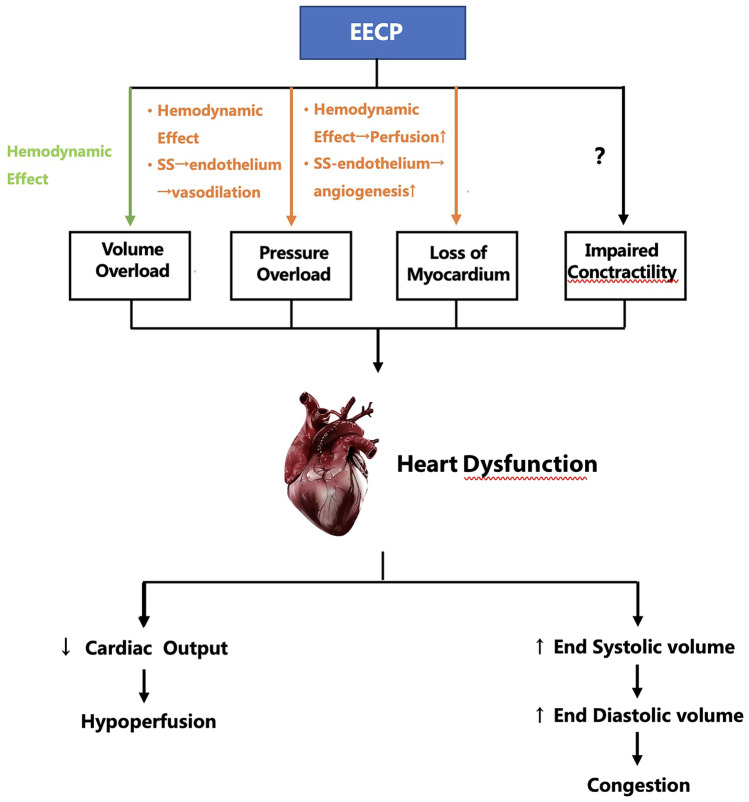
The Potential Mechanisms by Which EECP Improves Heart Function:

At this stage, the effects of EECP are primarily categorized into immediate hemodynamic changes and long-term anti-ischemic benefits driven by shear stress, though other potential mechanisms remain to be explored.

Fig. 1


The potential mechanisms by which EECP improves heart failure. EECP, enhanced external counterpulsation; SS, shear stress; green arrow: may be harmful; orange arrow: helpful

EECP Therapy for Heart Failure: The Science of Working

The research paper provides valuable insights into the mechanisms by which EECP therapy improves heart failure:

Immediate Hemodynamic Effects

  • Increased coronary perfusion: EECP therapy increases diastolic blood pressure by 26-157%, significantly improving blood flow to the heart muscle
  • Reduced cardiac afterload: Synchronous release of all cuffs during systole can reduce systolic blood pressure by 9-16 mmHg
  • Decreased left ventricular energy consumption: Studies using pulse wave analysis technology found reduced myocardial oxygen demand after EECP treatment

Long-term Effects Mediated by Shear Stress

EECP therapy for heart failure creates beneficial shear stress on blood vessel walls, which leads to:

Improved endothelial function:

  • Increased production of nitric oxide (NO) and other vasodilators
  • Decreased production of endothelin-1 (ET-1) and other vasoconstrictors
  • Enhanced endothelial cell-dependent vasodilation

Angiogenesis (formation of new blood vessels):

  • Upregulation of vascular endothelial growth factor (VEGF)
  • Increased angiopoietin production
  • Enhanced proliferation and differentiation of endothelial progenitor cells

Anti-inflammatory and anti-atherosclerotic effects:

  • Regulation of inflammatory factors
  • Reduction in oxidative stress
  • Stabilization of atherosclerotic plaques

Potential direct effects on cardiac contractility:

  • Increased plasma adrenomedullin (ADM) levels
  • Possible improvements in mitochondrial function
  • Potential effects on calcium ion currents in ventricular myocytes

These mechanisms collectively contribute to improved myocardial perfusion, reduced cardiac workload, and enhanced heart function.

Clinical Evidence for EECP Therapy in Heart Failure

Multiple studies have demonstrated the benefits of EECP therapy for heart failure patients:

The PEECH Study

This randomized controlled trial included 130 patients with ischemic heart failure (NYHA class II-III) and found:

  • Significant improvements in NYHA classification
  • Enhanced quality of life
  • Increased total exercise time
  • Higher peak oxygen uptake (VO₂peak) one week after treatment

Effects on Performance Status

Studies consistently show that EECP therapy for heart failure improves:

  • Exercise capacity (total exercise time)
  • 6-minute walk test performance
  • NYHA functional classification

Effects on Cardiac Function

Systolic Function

Results on left ventricular ejection fraction (LVEF) are mixed:

  • Some studies show no significant improvement
  • Others demonstrate marked improvement, especially in patients with baseline LVEF <40%
  • Global longitudinal strain (GLS) measurements show promising improvements

Diastolic Function

Studies consistently show improvements in diastolic function markers:

  • Enhanced E/A ratio (0.92 ± 0.41 vs. 1.08 ± 0.46, P<0.05)
  • Improved E/Ea ratio (12.61 ± 4.22 vs. 15.44 ± 6.96, P<0.05)
  • Better peak filling rate (PFR)

The E/A ratio is a measurement used to assess cardiac diastolic function (how well the heart fills with blood between contractions), which I mentioned in the “Effects on Cardiac Function” section of the blog post.

The E/A ratio is an echocardiographic measurement derived from Doppler imaging that evaluates how blood flows through the mitral valve between the left atrium and left ventricle during diastole (the filling phase of the cardiac cycle). It consists of two components:

  1. E wave (Early diastolic filling): Represents passive filling of the ventricle when the mitral valve first opens. This is the first and usually larger peak on the Doppler waveform.
  2. A wave (Atrial contraction): Represents the additional blood flow into the ventricle caused by atrial contraction (the “atrial kick”). This is the second peak on the Doppler waveform.

The E/A ratio is calculated by dividing the peak E wave velocity by the peak A wave velocity.

From the Research it has been  found that, patients who received EECP therapy showed an improvement in their E/A ratio from 0.92 ± 0.41 to 1.08 ± 0.46 (P < 0.05), indicating enhanced diastolic function after treatment.

A normal E/A ratio typically ranges from about 0.8 to 2.0, depending on age. In heart failure with diastolic dysfunction, this ratio is often abnormal:

  • In early/mild diastolic dysfunction: The ratio may be reduced (<0.8)
  • In moderate diastolic dysfunction: The ratio may appear pseudonormal (normal-looking but with other abnormal parameters)
  • In severe diastolic dysfunction: The ratio may be elevated (>2.0), known as a “restrictive filling pattern”

The improvement in E/A ratio after EECP therapy suggests that this treatment helps the heart fill more efficiently during diastole, which is particularly important for heart failure patients.

Effects on Prognosis

EECP therapy for heart failure appears to improve short-term outcomes:

  • Reduced 90-day readmission rates (6.1% vs. predicted 34%)
  • 78% reduction in emergency room visits over 6 months
  • 73% reduction in hospitalizations over 6 months

Ideal Candidates for EECP Therapy for Heart Failure

Based on clinical studies and guidelines, the following patients may benefit most from EECP therapy:

Recommended Candidates:

  • Patients with stable ischemic heart failure (NYHA class II-III)
  • Individuals with angina symptoms combined with heart failure
  • Heart failure patients with coronary artery disease as the primary cause
  • Patients who have exhausted standard medical therapies
  • Individuals who are not candidates for invasive procedures
  • Elderly patients (studies show particularly good results in those over 65)
  • Patients seeking to improve exercise tolerance and quality of life

Comparing EECP Therapy with Surgical Options and ICDs

When considering treatments to improve heart function, patients and clinicians have several options. Here’s how EECP therapy for heart failure compares to surgical interventions and implantable devices:

Aspect EECP Therapy for Heart Failure Heart Surgery (CABG/Valve) ICD/CRT Devices
Invasiveness Non-invasive, external Highly invasive Minimally invasive
Anesthesia None required General anesthesia Local anesthesia
Hospital stay Outpatient procedure 5-7 days 1-2 days
Recovery time None, resume normal activities 6-12 weeks 1-2 weeks
Treatment duration 35 one-hour sessions over 7 weeks One-time procedure One-time implantation
Mechanism Increases coronary perfusion, reduces afterload Direct revascularization or valve repair Corrects rhythm or synchronizes contractions
Effect on survival Limited data on long-term survival Improved survival in selected patients Improved survival in appropriate candidates
Effect on symptoms Significant symptom improvement Variable symptom improvement Variable symptom improvement
Exercise capacity Consistently improved Variable improvement Variable improvement
Risk of serious complications Very low Moderate to high Low to moderate
Retreatment possibility Can be repeated as needed Redo surgery is high risk Battery replacement needed every 5-10 years
Cost Moderate Very high High
Insurance coverage Variable Generally covered Generally covered

Contraindications: Who Should Not Receive EECP Therapy for Heart Failure

Although EECP therapy for heart failure is generally safe, it’s not appropriate for everyone. Contraindications include:

Absolute Contraindications:

  • Acute heart failure decompensation
  • Severe aortic insufficiency (regurgitation)
  • Acute deep vein thrombosis (DVT)
  • Severe peripheral arterial disease with ulcers
  • Pregnancy
  • Arrhythmias that interfere with ECG triggering
  • Coagulopathy with active bleeding

Relative Contraindications:

  • Hypertension uncontrolled by medication (>180/110 mmHg)
  • Recent cardiac catheterization or arterial puncture (<2 weeks)
  • Severe chronic obstructive pulmonary disease
  • Abdominal aortic aneurysm >4 cm
  • Moderate to severe aortic stenosis
  • Recent stroke (<3 months)
  • Heart rate >120 beats per minute

What to Expect During EECP Therapy for Heart Failure

For patients considering EECP therapy, here’s a guide to the treatment experience:

Before Treatment:

  1. Comprehensive evaluation: Medical history review, physical examination, and possibly cardiac tests
  2. Treatment planning: Discussion of the number of sessions needed (typically 35)
  3. Insurance verification: Checking coverage for the procedure

During Treatment:

Preparation:

  1. The patient lies on a comfortable treatment table
  2. ECG electrodes are attached to monitor heart rhythm
  3. Blood pressure cuff is placed on one arm
  4. Pressure cuffs are wrapped around calves, thighs, and buttocks

The procedure:

  1. Each session lasts approximately one hour
  2. The cuffs inflate and deflate in sync with the heartbeat
  3. Patients may feel pressure similar to a tight hug on their legs
  4. Most patients find the treatment comfortable enough to read, watch TV, or even nap

Monitoring:

  1. Heart rhythm and blood pressure are continuously monitored
  2. Healthcare providers check for any discomfort or side effects

After Treatment:

Immediate effects:

  1. Most patients can resume normal activities immediately
  2. Some may experience mild fatigue or muscle soreness

Follow-up care:

  1. Regular assessments throughout the course of therapy
  2. Evaluation of symptoms and functional capacity
  3. Adjustment of medications as needed

Potential side effects:

  1. Minor discomfort like skin irritation or bruising
  2. Muscle or joint soreness
  3. Rarely, dizziness or fatigue

Expected Outcomes:

Based on clinical studies, patients may experience:

  • Noticeable improvement in symptoms after 15-20 sessions
  • Reduced shortness of breath
  • Increased exercise tolerance
  • Better quality of life
  • Decreased need for nitrate medications (if used for angina)
  • Reduction in emergency room visits and hospitalizations

The Future of EECP Therapy for Heart Failure

As research continues, several exciting developments are on the horizon:

  1. Personalized treatment protocols: Tailoring the number and frequency of sessions to individual patient needs
  2. Combination therapies: Integrating EECP with other treatments for synergistic effects
  3. Improved devices: More comfortable, efficient, and portable EECP machines
  4. Expanded indications: Potential use in other cardiovascular conditions
  5. Long-term efficacy data: More research on the durability of benefits

Conclusion

EECP therapy for heart failure represents a valuable non-invasive option for patients with ischemic heart failure, particularly those who have exhausted conventional treatments or are not candidates for invasive procedures. The therapy’s ability to improve myocardial perfusion, reduce cardiac workload, and enhance both systolic and diastolic function makes it a promising addition to the heart failure treatment arsenal.

Clinical evidence demonstrates that EECP therapy for heart failure can significantly improve functional capacity, quality of life, and short-term outcomes like hospitalizations. While more research is needed—especially regarding long-term benefits and direct effects on cardiac contractility—the existing data supports EECP therapy for heart failure as a safe and effective treatment option.

For heart failure patients seeking symptom relief and improved quality of life, EECP therapy for heart failure deserves consideration as part of a comprehensive treatment plan. As with any medical treatment, patients should consult with their cardiologists to determine if EECP therapy for heart failure is appropriate for their specific condition.

Meet Vivek Singh Sengar – EECP Expert & Founder of Fit My Heart

Vivek Singh Sengar is a renowned Clinical Nutritionist and EECP Therapy Specialist, with over 11 years of experience in reversing heart failure and coronary blockages through non-invasive, drug-free treatments. As the Founder of Fit My Heart, he has helped thousands of patients avoid bypass surgery and improve their heart function using personalized EECP therapy and lifestyle protocols.


✅ Struggling with Heart Failure?

You Deserve a Second Opinion – Without Surgery or Stents

🔹 Book a FREE 15-minute consultation with Vivek Singh Sengar
🔹 Understand if EECP Therapy is right for your heart condition
🔹 Get a personalized, non-surgical treatment plan

👉 Book Your Free Consultation Now
Take the first step toward a stronger heart – naturally.

Frequently Asked Questions About EECP Therapy for Heart Failure

Que: What exactly is EECP therapy for heart failure?

Ans: EECP is a non-invasive treatment that uses inflatable cuffs on the legs to increase blood flow to the heart and improve cardiac function by synchronizing compression with the patient’s heartbeat.

Que: How long does a complete course of EECP therapy take?

Ans: A standard course consists of 35 one-hour sessions, typically administered 5 days a week for 7 weeks.

Que: Is EECP therapy painful?

Ans: No, it’s not painful. Most patients describe a sensation of pressure similar to a tight hug on their legs, and many find it comfortable enough to read or nap during treatment.

Que: How soon might I notice improvements with EECP therapy for heart failure?

Ans: Many patients report noticeable symptom improvement after 15-20 sessions, though individual responses vary.

Que: Is EECP therapy covered by insurance?

Ans: In USA Coverage varies by provider. EECP is covered by Medicare and many insurance plans for specific indications, but verification is recommended before starting treatment. In INDIA, insurance companies usually do not cover EECP Treatment, but It purely depends upon the patient and doctor. Usually, a patient is required to talk to his doctor and insurance company. It has been seen that many patients get the reimbursement after submitting all the valid documents and consistent follow-up with the insurance company and the doctor.

Que: Can EECP therapy replace medications for heart failure?

Ans: No, EECP is typically used as a complementary treatment alongside standard medications, not as a replacement but in most of the cases the need for medicines is reduced post EECP therapy.

Que: Are the effects of EECP therapy permanent?

Ans: Benefits typically last 3-5 years, after which some patients may require repeat courses of therapy or booster doze can be taken to maintain the effect of EECP Therapy.

Que: Can I have EECP therapy if I have an ICD or pacemaker?

Ans: Yes, having a pacemaker or ICD is not a contraindication for EECP therapy.

Que: What side effects might occur with EECP therapy?

Ans: Common side effects are mild and include skin irritation, muscle soreness, or fatigue. Serious side effects are rare.

Que: How does EECP therapy differ from cardiac rehabilitation?

Ans: While cardiac rehab focuses on exercise and lifestyle changes, EECP is a passive treatment that mechanically improves blood flow without requiring physical exertion.

Que: Can EECP therapy help if I’m waiting for a heart transplant?

Ans: Yes, EECP may be used as a “bridge therapy” to improve quality of life and function while waiting for transplantation, in most cases EECP Therapy may avoid the need  for the Heart Transplantation.

Que: Is there an age limit for EECP therapy?

Ans: There’s no specific age limit, and studies show elderly patients (over 65) often respond particularly well to treatment.

Que: Can EECP therapy reduce my need for heart medications?

Ans: Most of the patients require fewer medications after EECP therapy, but any changes should only be made under physician supervision.

Que: How is success of EECP therapy measured?

Ans: Success is measured through improved symptoms, exercise capacity, quality of life, echocardiographic parameters, and reduced hospitalizations.

Que: Can I resume normal activities while undergoing EECP therapy?

Ans: Yes, most patients can maintain their normal daily activities during the treatment period with no restrictions.

What is EECP Treatment: Best Non – Surgical Alternative of Angioplasty and Bypass Surgery

Posted by
What is EECP Treatment: Enhanced External Counterpulsation (EECP) treatment is a non-invasive therapeutic procedure that has revolutionized cardiovascular care for patients with various heart conditions. EECP treatment offers hope to many who have exhausted traditional treatment options or are not candidates for invasive procedures. This comprehensive guide explores what EECP treatment is, how it works, its applications, benefits, and limitations.EECP treatment is an FDA-approved, non-surgical therapy designed to improve blood flow to the heart muscle and reduce the symptoms of cardiovascular disease. EECP treatment involves the application of external pressure to the lower extremities through a series of inflatable cuffs, synchronized with the patient’s cardiac cycle. This EECP treatment approach has demonstrated significant success in treating angina and various other cardiovascular conditions by enhancing blood circulation without invasive procedures.

The EECP treatment system consists of three main components:

  • Adjustable cuffs that wrap around the patient’s calves, thighs, and buttocks
  • An electrocardiogram (ECG) to monitor heart rhythm
  • A computerized control system that synchronizes cuff inflation and deflation with the patient’s cardiac cycle

How does EECP therapy work?

The mechanism behind EECP treatment involves carefully timed counterpulsation that works in harmony with the heart’s natural rhythm. During EECP treatment:

  1. Diastole Phase: When the heart is at rest (diastole), the cuffs rapidly inflate sequentially from the calves upward, creating a wave-like compression that propels blood back toward the heart. This retrograde pressure during EECP treatment increases coronary perfusion pressure and blood flow to the myocardium.
  2. Systole Phase: Just before the heart contracts (systole), the cuffs rapidly deflate simultaneously, reducing the resistance the heart must pump against. This “systolic unloading” during EECP treatment decreases the heart’s workload and oxygen demand.

This precisely timed sequence in EECP treatment creates several beneficial hemodynamic effects:

  • Increased coronary blood flow
  • Enhanced venous return to the heart
  • Reduced cardiac workload
  • Improved oxygen supply to the heart muscle

Mechanism of Action

EECP treatment works through multiple physiological pathways that collectively improve cardiovascular function:

Hemodynamic Effects of EECP Treatment

The immediate hemodynamic benefits of EECP treatment include:

  • Increased diastolic pressure, improving coronary perfusion by 20-40%
  • Decreased systolic pressure, reducing cardiac afterload
  • Improved cardiac output and stroke volume
  • Enhanced venous return

Vascular Effects during EECP Treatment

EECP treatment generates significant changes in the vascular system:

Development of New Blood Vessels

EECP treatment stimulates angiogenesis (formation of new blood vessels) through:

  • Increased shear stress on vessel walls
  • Upregulation of vascular endothelial growth factor (VEGF)
  • Activation of the hypoxia-inducible factor 1-alpha (HIF-1α) pathway
  • Release of stem cell mobilizing factors

These processes during EECP treatment lead to the formation of new capillary networks that improve blood flow to oxygen-deprived tissues.

Dilation of Existing Blood Vessels

EECP treatment enhances vasodilation through:

  • Increased nitric oxide (NO) production
  • Improved endothelial function
  • Reduced endothelin-1 levels (a potent vasoconstrictor)
  • Decreased sympathetic nervous system activity

Cellular and Molecular Mechanisms

At the cellular level, EECP treatment triggers:

  • Increased production of endothelial progenitor cells
  • Reduced inflammation markers (C-reactive protein, tumor necrosis factor-alpha)
  • Improved peripheral vascular resistance
  • Enhanced oxygen utilization at the tissue level


What conditions can EECP therapy treat?

EECP treatment has been approved for and shown efficacy in treating numerous cardiovascular and related conditions:

Primary Applications of EECP Treatment

  • Chest pain (Angina): EECP treatment is FDA-approved for chronic, stable angina that doesn’t respond adequately to medication or isn’t suitable for invasive procedures.
  • Coronary artery disease: EECP treatment improves blood flow in patients with significant coronary blockages.
  • Shortness of breath (dyspnea): Many patients report improved breathing capacity after EECP treatment.
  • Fatigue: EECP treatment can increase energy levels by improving overall circulatory function.
  • Cough: Some patients with cardiac-related cough experience symptom relief after EECP treatment.

Other Conditions Benefiting from EECP Treatment

EECP treatment has shown promising results for:

  • Cardiac syndrome X: EECP treatment improves microvascular function in patients with angina but normal coronary arteries.
  • Heart failure: EECP treatment enhances cardiac function and exercise capacity in heart failure patients.
  • Left ventricular dysfunction: EECP treatment can improve ejection fraction and cardiac performance.
  • Cerebrovascular disease: EECP treatment may enhance cerebral circulation and cognitive function.
  • Kidney (renal) failure: EECP treatment can improve renal perfusion and potentially slow disease progression.
  • Peripheral artery disease (PAD): EECP treatment increases collateral circulation in the extremities.
  • Erectile dysfunction: By improving vascular function, EECP treatment may benefit men with vascular-related erectile dysfunction.
  • Lung disease: Some patients with pulmonary hypertension show improvement with EECP treatment.
  • Diabetes: EECP treatment may improve peripheral circulation and reduce diabetes-related complications.

Who is eligible for EECP therapy?

Ideal candidates for EECP treatment include:

  • Patients with chronic, stable angina who have exhausted medication options
  • Individuals who are not candidates for bypass surgery or angioplasty
  • Patients seeking non-invasive alternatives to surgical interventions
  • Those with persistent symptoms despite prior revascularisation procedures
  • Patients with multiple risk factors who want to improve their cardiovascular health

Before starting EECP treatment, patients undergo a comprehensive evaluation including:

  • Complete medical history
  • Physical examination
  • Cardiovascular assessments
  • Evaluation of symptom severity and frequency

Who Should Not Undergo EECP Treatment?

EECP treatment is contraindicated or requires special consideration in patients with:

  • Severe Aortic insufficiency: The increased diastolic pressure from EECP treatment may worsen this condition.
  • Atrial fibrillation (Afib): Irregular heartbeats can interfere with proper EECP treatment timing.
  • Blood clots: EECP treatment may dislodge existing clots.
  • Congenital heart disease: Certain structural abnormalities may complicate EECP treatment.
  • Sever Enlarged heart (cardiomegaly): May affect EECP treatment effectiveness.
  • Heart valve disease: Especially severe mitral or aortic regurgitation.
  • Hemorrhage: Active bleeding is a contraindication for EECP treatment.
  • Severe hypertension: Uncontrolled high blood pressure must be managed before EECP treatment.
  • Irregular heartbeat or fast heart rate (tachycardia): These can interfere with EECP treatment synchronization.
  • Hypertrophic cardiomyopathy: The altered hemodynamics may be problematic.
  • Pulmonary hypertension (PH): Severe cases require careful evaluation before EECP treatment.
  • Severe peripheral vascular disease: May limit the effectiveness of EECP treatment.
  • Recent cardiac catheterization: Typically requires a waiting period before EECP treatment.
  • Pregnancy: EECP treatment has not been studied in pregnant women.
  • Deep vein thrombosis: Increases risk of complications during EECP treatment.

Is EECP therapy a common procedure?

While EECP treatment has been FDA-approved since 1995 and has gained recognition worldwide, it isn’t as widely available as some conventional cardiac procedures. The popularity of EECP treatment varies by region:

  • In the United States, over 1,200 centers offer EECP treatment
  • EECP treatment has received approval from regulatory bodies in Europe, Asia, and Australia
  • The International EECP Patient Registry has documented outcomes for over 30,000 patients who have undergone EECP treatment
  • More than 20,000 EECP treatment procedures are performed annually in the US alone

Despite its proven benefits, EECP treatment remains underutilized partly due to:

  • Limited awareness among both patients and healthcare providers
  • Insurance coverage variations
  • The substantial time commitment required for the full EECP treatment course

International Approvals for EECP Treatment

EECP treatment has received regulatory approval from numerous health authorities worldwide:

  • FDA approval in the United States (1995)
  • CE Mark in Europe
  • PMDA approval in Japan
  • TGA approval in Australia
  • CDSCO approval in India
  • NMPA (formerly CFDA) approval in China

These approvals reflect the growing body of evidence supporting EECP treatment’s safety and efficacy, with international clinical guidelines increasingly recognizing EECP treatment as an important therapeutic option for selected patients.

The EECP Treatment Experience

What happens before EECP therapy?

Preparation for EECP treatment involves:

  1. Initial consultation: A specialist evaluates the patient’s medical history, current symptoms, and treatment goals for EECP treatment.
  2. Baseline assessments: Before starting EECP treatment, measurements typically include:
    • Blood pressure and heart rate
    • Electrocardiogram (ECG)
    • Exercise capacity evaluation
    • Quality of life questionnaires
    • Blood tests to assess cardiac biomarkers
  3. Education: Patients receive detailed information about the EECP treatment process, expected outcomes, and timeline.
  4. Clothing guidance: Patients are advised to wear comfortable, loose-fitting clothing to EECP treatment sessions.

What happens during EECP therapy?

A typical EECP treatment session follows this sequence:

  1. The patient lies comfortably on a treatment table.
  2. Three sets of pressure cuffs are wrapped around the calves, lower thighs, and upper thighs/buttocks.
  3. ECG electrodes are placed to monitor heart rhythm and synchronize the EECP treatment system.
  4. A finger plethysmograph monitors blood pressure waves during EECP treatment.
  5. The computer-controlled system inflates and deflates the cuffs in precise timing with the cardiac cycle.
  6. During EECP treatment, patients can read, watch television, or even nap.
  7. Medical staff regularly check the patient’s comfort and vital signs throughout the EECP treatment session.

Many patients report that EECP treatment feels like a strong massage of the legs and buttocks, with a squeezing sensation moving up the legs during each heartbeat.

How long does EECP therapy last?

The standard EECP treatment protocol consists of:

  • 35 one-hour sessions
  • Usually scheduled 5 days per week
  • The full course typically takes 7 weeks to complete
  • Each EECP treatment session includes a few minutes for setup and removal of the cuffs

Some variations in EECP treatment scheduling may occur based on individual needs:

  • Extended protocols (up to 50 sessions) for severe conditions
  • Compressed schedules (twice daily sessions) for patients traveling from distant locations
  • Maintenance EECP treatment sessions (monthly or quarterly) for some patients after completing the initial course

The commitment to a full EECP treatment course is crucial for optimal results, as the beneficial effects of EECP treatment are cumulative.

Read Also: EECP Treatment for Chest Pain

Recovery and Outlook

Patient Experience after EECP therapy

Patient experiences during and after EECP treatment vary:

  • During early sessions: Some patients may experience fatigue after EECP treatment as their body adjusts to the therapy.
  • Mid-course: Many begin noticing improvements in symptoms by the 15-20th EECP treatment session.
  • Upon completion: Most patients report significant improvement in:
    • Exercise capacity
    • Reduction in angina episodes
    • Decreased need for nitroglycerin
    • Improved quality of life
    • Enhanced energy levels

Recovery time from EECP

One of the significant advantages of EECP treatment is the minimal recovery time:

  • No downtime between sessions
  • Patients can return to normal activities immediately after each EECP treatment
  • No hospitalization required
  • No wound care or activity restrictions
  • Patients can drive themselves to and from EECP treatment appointments

This makes EECP treatment particularly suitable for:

  • Elderly patients
  • Those with multiple comorbidities
  • Individuals who cannot afford extended time away from work or family responsibilities

Can I have EECP therapy more than once?

Many patients benefit from repeat courses of EECP treatment:

  • Initial benefits of EECP treatment typically last 3-5 years for most patients
  • When symptoms begin to return, a repeat course of EECP treatment is often beneficial
  • Some patients receive a “booster” course of 15-20 EECP treatment sessions at regular intervals
  • Maintenance protocols may involve periodic single EECP treatment sessions to sustain benefits

There is no limit to the number of EECP treatment courses a patient can receive over their lifetime, provided they remain appropriate candidates.

Risks and Benefits

What are the advantages of EECP therapy?

EECP treatment offers numerous benefits:

  • Non-invasive: EECP treatment requires no incisions, anesthesia, or radiation exposure.
  • Outpatient procedure: EECP treatment requires no hospitalization.
  • Cumulative benefits: The effects of EECP treatment continue to improve over the course of therapy.
  • Sustained results: Benefits often last 3-5 years after a course of EECP treatment.
  • Improved exercise capacity: Most patients show significant functional improvement after EECP treatment.
  • Reduced medication needs: Many patients require fewer anti-anginal medications after EECP treatment.
  • Fewer angina episodes: The frequency and intensity of chest pain typically decrease with EECP treatment.
  • Enhanced quality of life: Patients report better daily functioning after EECP treatment.
  • Safe for multiple courses: EECP treatment can be repeated when symptoms return.
  • Complementary therapy: EECP treatment works well alongside conventional treatments.

What are the risks or complications of EECP therapy?

EECP treatment is generally very safe, with minimal risks:

  • Skin irritation or bruising: The most common side effect of EECP treatment, occurring in about 5-10% of patients.
  • Edema: Mild swelling in the legs may occur during the EECP treatment course but typically resolves quickly.
  • Fatigue: Some patients experience temporary tiredness after initial EECP treatment sessions.
  • Muscle or joint discomfort: Minor aches may occur as the body adjusts to EECP treatment.
  • Numbness or tingling: Occasionally reported during EECP treatment sessions but resolves when pressure is released.
  • Pressure sores: Rare with modern EECP treatment equipment and proper technique.

Serious complications from EECP treatment are extremely rare, with studies reporting rates below 0.5%.

Conclusion

EECP treatment represents a significant advancement in non-invasive cardiovascular therapy, offering hope to patients who have limited options or have not responded adequately to conventional treatments. This FDA-approved therapy leverages the body’s natural circulatory mechanics to improve blood flow, stimulate new vessel formation, and enhance overall cardiovascular function.

For patients with angina, heart failure, and various other cardiovascular conditions, EECP treatment provides a safe, effective option with minimal risks and substantial potential benefits. As awareness grows and more research emerges, EECP treatment is likely to become an increasingly important component of comprehensive cardiovascular care.

If you or someone you know suffers from chronic angina or other cardiovascular symptoms that haven’t responded adequately to standard treatments, consider discussing EECP treatment with a healthcare provider to determine if this therapy might be appropriate.

About Vivek Sengar

Vivek Sengar is the founder of Fit My Heart and a leading expert in Non-Invasive and Preventive Cardiology. With over 11 years of clinical experience, he has helped thousands of patients avoid bypass surgery and stents through EECP Therapy, lifestyle changes, and natural heart care protocols. His mission is to make heart treatment safer, more effective, and surgery-free using globally accepted, evidence-based techniques.

Founder of Fit My Heart | Expert in Non-Surgical Heart Care
✅ Get a Second Opinion on Chest Pain or Blockages
✅ Know if EECP is Right for You

Book An Appointment:

Frequently Asked Questions About EECP Treatment

Q: What does EECP stand for?
A: EECP stands for Enhanced External Counterpulsation, a non-invasive treatment for certain cardiovascular conditions.

Q: How does EECP therapy work?
A: EECP uses inflatable cuffs on the legs that synchronize with your heartbeat to improve blood flow to the heart by compressing during the heart’s resting phase.

Q: What conditions can EECP treat?
A: EECP primarily treats angina, coronary artery disease, heart failure, and can help patients who aren’t candidates for surgery or other interventions.

Q: How long is a typical EECP session?
A: Each EECP session typically lasts 1 hour, with patients usually receiving 35 sessions over a 7-week period.

Q: Is EECP therapy painful?
A: EECP is not painful, though some patients report a tight squeezing sensation. Most find it comfortable enough to read or nap during treatment.

Q: How soon can patients expect results from EECP?
A: Some patients notice improvement after 15-20 sessions, though maximum benefits are typically observed after completing the full course of treatment.

Q: How long do the benefits of EECP last?
A: Benefits typically last 2-5 years for most patients, with some experiencing relief for even longer periods.

Q: Who is not eligible for EECP treatment?
A: EECP is not recommended for patients with severe aortic insufficiency, recent cardiac catheterization, irregular heartbeats, or blood clotting issues.

Q: Does insurance cover EECP therapy?
A: In USA Many insurance plans, including Medicare, cover EECP therapy for patients with refractory angina who meet specific criteria, but in India getting the insurance cover is not easy but if there are no other option and your doctor is strongly recommonding you for EECP then some insurance companies may give the coverage under special health conditions.

Q: Can EECP replace bypass surgery or angioplasty?
A: It’s a Subjective question. In many cases, it can avoid the need for  Bypass surgery, but EECP is not a replacement for these procedures, but serves as an alternative for patients who cannot undergo them or as complementary therapy.

Q: What side effects might occur with EECP?
A: Minor side effects may include skin irritation, muscle fatigue, or slight bruising. Serious side effects are extremely rare.

Q: Can I continue taking my medications during EECP treatment?
A: Yes, patients should continue their prescribed medications during EECP therapy unless directed otherwise by their physician.

Q: Is there any special preparation needed before an EECP session?
A: Wear comfortable, loose-fitting clothing, avoid heavy meals before treatment, and ensure proper hydration for optimal results.

Q: How is EECP different from a blood pressure cuff?
A: While both use compression, EECP uses multiple cuffs precisely synchronized with the heart cycle and delivers much stronger, sequential pressure.

Q: Can I resume normal activities after EECP therapy?
A: Yes, most patients can immediately resume normal daily activities, with many reporting increased energy and exercise capacity after completing treatment.