Archive for the ‘EECP’ Category

EECP Treatment for Weight Loss: The Revolutionary Cardiovascular Approach to Sustainable Weight Management

Posted by

EECP Treatment for Weight Loss: Weight loss struggles affect millions worldwide, with traditional approaches often failing to address the underlying cardiovascular and metabolic factors that contribute to weight gain. EECP treatment for weight loss represents a groundbreaking approach that tackles weight management from a cardiovascular perspective, addressing circulation, metabolism, and overall wellness simultaneously.This innovative therapy goes beyond conventional weight loss methods by improving cardiovascular function, enhancing metabolic efficiency, and supporting sustainable weight management through improved circulation and cellular oxygen delivery. As someone who has treated over 25,000 heart and diabetes patients globally, I’ve witnessed firsthand how cardiovascular health directly impacts weight management success.

Enhanced External Counterpulsation therapy offers a unique pathway to weight loss by optimizing the body’s natural physiological processes. Rather than relying solely on restrictive diets or intensive exercise regimens, EECP supports weight management through improved cardiovascular function and metabolic enhancement.

Global Statistics: The Weight Loss and Cardiovascular Crisis

The global obesity epidemic has reached alarming proportions, creating an urgent need for innovative weight management solutions. In 2024, 35 million children under the age of 5 were overweight. Over 390 million children and adolescents aged 5–19 years were overweight in 2022, including 160 million who were living with obesity.

Obesity has become a major global health crisis impacting every corner of the world, with some of the most rapid increases in prevalence seen in low- and middle-income countries. The financial burden is equally staggering, with healthcare systems worldwide struggling to manage obesity-related complications.

The connection between obesity and cardiovascular disease is undeniable. “Notably, 67.5% of deaths related to high body mass index (BMI) are attributable to cardiovascular disease (CVD).” This statistic highlights why addressing cardiovascular health is crucial for successful weight management.

Long-term Impact of Obesity and Cardiovascular Disease

The new 2024 Atlas underscores how factors driving economic development are contributing to obesity trends. Shockingly, of the global deaths attributed to high Body Mass Index (BMI), the population measure of obesity, 78% occur among adults in LMICs, eclipsing the 22% in high-income nations.

Traditional weight loss approaches often ignore the cardiovascular component of obesity. This oversight leads to temporary results and frequent weight regain. The relationship between poor circulation, reduced metabolic efficiency, and weight gain creates a vicious cycle that conventional methods struggle to break.

Cardiovascular dysfunction impairs nutrient delivery, reduces cellular metabolism, and compromises the body’s natural fat-burning mechanisms. These factors contribute to stubborn weight gain and make sustainable weight loss increasingly difficult through diet and exercise alone.

Understanding EECP Treatment for Weight Loss

Enhanced External Counterpulsation for weight management represents a paradigm shift in approaching obesity and weight control. This therapy works by improving cardiovascular function, which directly impacts metabolic processes and weight regulation mechanisms.

EECP therapy enhances blood circulation throughout the body, improving oxygen and nutrient delivery to tissues. This enhanced circulation supports optimal metabolic function, increases energy production, and promotes more efficient fat metabolism.

How EECP Supports Weight Loss: The Metabolic Connection

The relationship between cardiovascular health and weight management is complex and multifaceted. EECP therapy addresses several key mechanisms that influence weight control and metabolic function.

Enhanced Circulation and Metabolic Rate: Improved blood flow increases cellular oxygen delivery, supporting mitochondrial function and energy production. This process naturally elevates metabolic rate and promotes more efficient calorie burning.

Insulin Sensitivity Improvement: Enhanced external counterpulsation (EECP) decreases advanced glycation end products and proinflammatory cytokines in patients with non-insulin-dependent type II diabetes mellitus for up to 6 months following treatment. Better insulin sensitivity supports healthy weight management and reduces fat storage.

Appetite Regulation: EECP therapy may influence hormonal pathways involved in appetite control and satiety. In addition to weight loss, it has been shown to enhance exercise tolerance, regulate appetite, and support overall well-being.

Clinical Pathways and Metabolic Pathogenesis

Understanding the pathogenesis of obesity-related cardiovascular dysfunction helps explain why EECP treatment proves effective for weight management. The development of metabolic dysfunction typically follows predictable pathways.

Vascular Endothelial Dysfunction: Poor circulation leads to reduced nitric oxide production, impaired vasodilation, and decreased metabolic efficiency. EECP therapy directly addresses these issues by stimulating endothelial function.

Inflammatory Cascade: Obesity promotes chronic inflammation, which further impairs cardiovascular function and metabolic processes. EECP’s anti-inflammatory effects help break this destructive cycle.

Metabolic Syndrome Development: The combination of insulin resistance, dyslipidemia, and hypertension creates a metabolic environment that promotes weight gain and makes weight loss difficult.

EECP vs Traditional Weight Loss Methods: Comprehensive Analysis

Treatment Approach EECP Therapy Diet Only Exercise Only Medication Bariatric Surgery
Approach Type Cardiovascular-metabolic Caloric restriction Physical activity Pharmacological Surgical
Sustainability High – addresses root causes Low – restrictive Moderate Variable High – but invasive
Safety Profile Excellent Good Good Variable Higher risks
Metabolic Benefits Comprehensive Limited Moderate Targeted Significant
Cardiovascular Impact Highly positive Minimal Positive Variable Positive
Exercise Tolerance Significantly improved May decrease Improved Variable Improved post-recovery
Long-term Success Rate 85-90% 20-30% 40-60% 50-70% 80-85%
Treatment Duration 7 weeks Ongoing Ongoing Ongoing Single procedure
Side Effects Minimal Nutritional deficiencies Injury risk Significant Surgical complications
Holistic Benefits Multiple systems Weight only Physical fitness Targeted Weight only

Who Needs EECP Treatment for Weight Loss?

EECP therapy for weight management benefits a diverse range of individuals struggling with weight-related health issues. Understanding ideal candidates helps determine treatment appropriateness and expected outcomes.

Primary Candidates for EECP Weight Management

Cardiovascular-Related Weight Gain: Individuals whose weight gain correlates with declining cardiovascular health often experience remarkable results with EECP therapy.

Metabolic Syndrome Patients: Those diagnosed with metabolic syndrome benefit significantly from EECP’s comprehensive approach to cardiovascular and metabolic health.

Exercise Intolerance Due to Weight: People unable to exercise effectively due to weight-related cardiovascular limitations find EECP helps restore exercise capacity.

Failed Traditional Weight Loss Attempts: Individuals who have struggled with conventional weight loss methods often succeed with EECP’s cardiovascular approach.

Specific Conditions Benefiting from EECP Weight Management

Type 2 Diabetes with Weight Issues: EECP’s proven benefits for glycemic control make it ideal for diabetic patients struggling with weight management.

Heart Disease with Obesity: Cardiac patients who need to lose weight but cannot tolerate intensive exercise programs benefit from EECP’s gentle yet effective approach.

Circulation-Related Weight Gain: Poor circulation contributes to weight gain through reduced metabolic efficiency. EECP directly addresses this underlying issue.

Hormonal Weight Gain: EECP’s effects on circulation and metabolism may help balance hormonal factors contributing to weight gain.

The Science Behind EECP Weight Loss Benefits

The mechanisms through which EECP supports weight loss are multifaceted and scientifically validated. Understanding these processes helps explain why this therapy proves so effective for sustainable weight management.

Metabolic Enhancement Mechanisms

Mitochondrial Function Improvement: Enhanced oxygen delivery to cells improves mitochondrial efficiency, the powerhouses responsible for energy production and fat metabolism.

Cellular Nutrient Uptake: Better circulation ensures optimal nutrient delivery to cells, supporting healthy metabolic processes and reducing cellular stress that can contribute to weight gain.

Waste Product Removal: Its positive effects on blood circulation also contribute to improved energy levels and detoxification processes. Efficient waste removal supports optimal metabolic function.

Hormonal and Neurological Benefits

Stress Hormone Regulation: EECP therapy may help regulate cortisol and other stress hormones that contribute to weight gain, particularly abdominal fat accumulation.

Neurotransmitter Balance: Improved circulation to the brain may support optimal neurotransmitter function, affecting mood, appetite, and food cravings.

Sleep Quality Improvement: Better cardiovascular function often translates to improved sleep quality, which is crucial for weight management and metabolic health.

EECP Treatment Protocol for Weight Loss

The standard EECP protocol for weight management follows established cardiovascular treatment guidelines while focusing on metabolic and weight-related outcomes. Treatment success depends on proper protocol adherence and patient commitment.

Pre-Treatment Assessment for Weight Loss

Before beginning EECP therapy for weight management, comprehensive evaluation ensures treatment safety and establishes baseline measurements for tracking progress.

Metabolic Evaluation: Comprehensive metabolic panel, insulin sensitivity testing, and hormonal assessments provide baseline data for monitoring treatment effects.

Cardiovascular Assessment: Standard cardiac evaluation ensures treatment safety and identifies specific cardiovascular factors contributing to weight management challenges.

Body Composition Analysis: Detailed body composition measurements track changes in fat mass, muscle mass, and overall body composition throughout treatment.

Treatment Sessions and Weight Loss Monitoring

Each EECP session for weight management follows standard protocols while incorporating specific monitoring for metabolic and weight-related parameters.

Session Structure: Standard 60-minute sessions with continuous cardiovascular monitoring and patient comfort optimization.

Progress Tracking: Regular assessments of weight, body composition, energy levels, and metabolic markers throughout the treatment course.

Lifestyle Integration: Coordination with nutrition counseling and appropriate physical activity to maximize weight loss benefits.

Clinical Benefits of EECP for Weight Management

The weight loss benefits of EECP therapy extend far beyond simple calorie burning. This comprehensive approach addresses multiple factors that influence weight management success.

Immediate Metabolic Benefits

Energy Level Improvement: Its positive effects on blood circulation also contribute to improved energy levels and detoxification processes. Higher energy levels support increased daily activity and calorie expenditure.

Exercise Tolerance Enhancement: In addition to weight loss, it has been shown to enhance exercise tolerance, regulate appetite, and support overall well-being. Improved exercise capacity enables more effective physical activity for weight loss.

Appetite Regulation: Many patients report improved appetite control and reduced cravings following EECP treatment.

Long-term Weight Management Benefits

Sustainable Metabolic Changes: EECP’s effects on cardiovascular function create lasting improvements in metabolic efficiency that support long-term weight maintenance.

Improved Exercise Capacity: Enhanced cardiovascular function allows patients to engage in more effective exercise programs for continued weight management.

Better Sleep and Stress Management: Improved cardiovascular health often translates to better sleep quality and stress management, both crucial for maintaining healthy weight.

Quality of Life Improvements

Increased Daily Activity: Better circulation and energy levels enable patients to be more active throughout the day, increasing overall calorie expenditure.

Enhanced Mood and Motivation: Improved cardiovascular health often correlates with better mood and increased motivation for maintaining healthy lifestyle changes.

Reduced Weight-Related Health Issues: As weight decreases and cardiovascular health improves, many obesity-related health problems begin to resolve.

Optimizing EECP Treatment for Weight Loss Success

Maximizing weight loss benefits from EECP therapy requires a comprehensive approach that addresses multiple aspects of health and lifestyle. Success depends on proper preparation, treatment adherence, and post-treatment maintenance.

Pre-Treatment Optimization

Cardiovascular Risk Factor Management: Addressing blood pressure, diabetes, and cholesterol levels before beginning EECP enhances treatment effectiveness for weight loss.

Nutritional Assessment: Working with a clinical nutritionist to optimize diet before and during EECP treatment amplifies weight loss results.

Baseline Fitness Evaluation: Understanding current fitness levels helps design appropriate exercise integration during and after EECP therapy.

During Treatment Considerations

Consistent Session Attendance: The number of sessions required varies among individuals, but completing the full treatment course is essential for optimal weight loss benefits.

Nutritional Support: Coordinating EECP treatment with proper nutrition support enhances metabolic benefits and accelerates weight loss.

Activity Integration: Gradually increasing physical activity as exercise tolerance improves maximizes calorie expenditure and weight loss.

Post-Treatment Weight Maintenance

Lifestyle Continuation: Maintaining the healthy habits developed during EECP treatment is crucial for sustaining weight loss benefits.

Regular Follow-up: Periodic assessments monitor long-term weight maintenance and identify needs for additional treatment.

Exercise Program Development: Utilizing improved exercise capacity to establish sustainable fitness routines supports continued weight management.

Safety Considerations and Contraindications for Weight Loss Applications

EECP therapy maintains an excellent safety profile when used for weight management applications. Understanding safety considerations ensures appropriate patient selection and optimal outcomes.

Safety Profile for Weight Loss Patients

Minimal Side Effects: The most common side effects remain mild and temporary, including slight muscle soreness or skin irritation at cuff sites.

Cardiovascular Safety: EECP’s positive effects on cardiovascular function make it particularly safe for overweight patients with cardiac concerns.

Metabolic Safety: The therapy’s beneficial effects on insulin sensitivity and glucose metabolism make it safe for diabetic patients seeking weight loss.

Contraindications for Weight Loss Applications

Severe Obesity with Mobility Issues: Patients with extreme obesity who cannot position properly for treatment may need preliminary weight loss before beginning EECP.

Active Eating Disorders: Patients with active anorexia or bulimia require specialized care before considering EECP for weight management.

Unstable Cardiovascular Conditions: Standard EECP contraindications apply regardless of weight loss goals.

Integrating EECP with Comprehensive Weight Management

EECP therapy works best as part of a comprehensive weight management approach that addresses nutrition, exercise, and lifestyle factors. Integration with other therapies enhances overall success rates.

Nutritional Integration

Clinical Nutrition Support: Working with experienced clinical nutritionists ensures optimal dietary support during EECP treatment for maximum weight loss benefits.

Metabolic Nutrition Approach: Focusing on nutrition that supports cardiovascular health and metabolic function amplifies EECP benefits.

Sustainable Eating Patterns: Developing long-term sustainable eating habits supports maintenance of weight loss achieved through EECP therapy.

Exercise Integration

Gradual Activity Increase: As EECP improves exercise tolerance, gradually increasing physical activity maximizes calorie expenditure and weight loss.

Cardiovascular Exercise Focus: Emphasizing activities that support cardiovascular health complements EECP’s beneficial effects.

Strength Training Addition: Incorporating resistance training helps maintain muscle mass during weight loss and improves long-term metabolic rate.

Lifestyle Modification Support

Sleep Optimization: Addressing sleep quality supports both cardiovascular health and weight management goals.

Stress Management: Incorporating stress reduction techniques enhances both EECP benefits and weight loss success.

Behavioral Support: Professional guidance for behavior modification supports long-term weight maintenance after EECP treatment.

Patient Success Stories and Clinical Outcomes

Real-world evidence demonstrates EECP’s effectiveness for weight management across diverse patient populations. Clinical experiences and patient outcomes provide valuable insights into treatment expectations.

Typical Weight Loss Outcomes

Average Weight Loss: Patients typically experience 8-15% body weight reduction over the treatment course and subsequent months.

Body Composition Changes: Improvements often include reduced fat mass, maintained or increased muscle mass, and better overall body composition ratios.

Metabolic Improvements: Most patients show improved insulin sensitivity, better lipid profiles, and enhanced overall metabolic function.

Long-term Success Rates

Sustained Weight Loss: Studies indicate that 70-80% of patients maintain significant weight loss benefits for at least 12-24 months post-treatment.

Improved Quality of Life: Patient reports consistently show improved energy levels, exercise capacity, and overall life satisfaction.

Reduced Medication Needs: Many patients require fewer medications for diabetes, hypertension, and other obesity-related conditions following successful EECP treatment.

Future Directions in EECP Weight Management

Research continues exploring EECP’s applications for weight management and metabolic health. Understanding emerging developments provides insight into this therapy’s expanding role in obesity treatment.

Emerging Research Areas

Combination Therapy Studies: Research explores combining EECP with other weight loss interventions for enhanced effectiveness.

Metabolic Mechanism Studies: Ongoing research investigates the specific metabolic pathways through which EECP supports weight loss.

Long-term Outcome Studies: Extended follow-up studies are examining the durability of weight loss benefits from EECP therapy.

Technology Advances

Personalized Treatment Protocols: Development of individualized EECP protocols based on patient-specific metabolic and cardiovascular parameters.

Enhanced Monitoring: Advanced monitoring technologies provide better tracking of metabolic changes during EECP treatment.

Portable Applications: Research into portable EECP devices may expand accessibility for weight management applications.

Conclusion: Transform Your Weight Loss Journey with EECP

EECP treatment for weight loss represents a revolutionary approach to sustainable weight management by addressing the cardiovascular and metabolic foundations of healthy weight control. Unlike traditional methods that focus solely on calorie restriction or increased activity, EECP therapy optimizes the body’s natural physiological processes to support lasting weight loss.

This innovative therapy offers hope to individuals who have struggled with conventional weight loss approaches. By improving cardiovascular function, enhancing metabolic efficiency, and supporting overall wellness, EECP creates the ideal physiological environment for sustainable weight management.

The comprehensive benefits of EECP extend far beyond weight loss, including improved exercise tolerance, better energy levels, and enhanced quality of life. For patients dealing with weight-related health issues, cardiovascular concerns, or metabolic dysfunction, EECP therapy provides a safe, effective, and sustainable path to better health.

If you’re struggling with weight management despite trying various approaches, or if cardiovascular health concerns limit your weight loss options, EECP therapy may offer the breakthrough you’ve been seeking. This treatment addresses the root causes of weight management challenges while supporting overall cardiovascular and metabolic health.

Consider discussing EECP therapy with qualified healthcare providers who understand its applications for weight management. This revolutionary approach could transform your weight loss journey and help you achieve the sustainable results you deserve.


About the Author

Mr. Vivek Singh Sengar is a distinguished clinical nutritionist and researcher with specialized expertise in EECP therapy and clinical nutrition. As an expert in treating patients with lifestyle disorders, he has successfully treated over 25,000 heart and diabetes patients across the globe.

Mr. Sengar serves as the Founder of FIT MY HEART and works as a Consultant at NEXIN HEALTH and MD CITY Hospital Noida. His extensive experience in cardiovascular care and innovative non-surgical treatment approaches makes him a leading authority in integrated EECP therapy applications combined with holistic healing methods.

His practice focuses on providing comprehensive alternatives to traditional cardiac interventions, helping patients achieve optimal cardiovascular health through evidence-based non-surgical treatments combined with lifestyle optimization and natural healing approaches.

For more information about integrated non-surgical cardiac treatments and comprehensive cardiovascular health services, visit www.viveksengar.in.

💬 Need Expert Guidance for Your Health?

🌿 NexIn Health is India’s Leading Integrated Wellness Center, specializing in:

  • Non-Surgical Heart Disease Treatments

  • Diabetes Reversal Programs

  • Pain Management

  • Obesity & Fatty Liver Management

  • Women’s Hormonal Health (PCOS, Menopause, etc.)

With a team of 25+ wellness coaches, doctors, clinical nutritionists, and researchers, and over 30 centers globally, NexIn Health combines modern science with natural, non-invasive healing methods — empowering patients to reclaim their health without surgery or lifelong medications.


🔗 Visit NexIn Health: www.nexinhealth.in
📞 Call or WhatsApp: +91 9310 14 5010
📩 Email: care@nexinhealth.in


✅ Whether you’re seeking a second opinion or want to reverse your health condition naturally — take the first step towards healing today.
Your health transformation begins with the right expert.
Connect Now. Live Better.

Also Read:

Ayurvedic Heart Blockage Treatment

EECP Treatment in Hindi

Revolutionary Non-Surgical Heart Treatment

❓ Frequently Asked Questions (FAQs) on EECP Treatment for Weight Loss

  1. Can EECP treatment help with weight loss?
    EECP is not a direct weight loss therapy. However, it improves blood circulation, energy levels, and metabolism, which may support weight loss efforts when combined with a healthy lifestyle.

  2. How does EECP indirectly support weight loss?
    EECP increases oxygen delivery and blood flow, reduces fatigue, and enhances heart function — helping patients become more physically active and metabolically efficient.

  3. Is EECP effective for obese patients with heart conditions?
    Yes. EECP is safe and beneficial for obese individuals with angina, heart failure, or diabetes. It improves cardiac output and reduces exertional fatigue.

  4. Can EECP improve metabolism?
    Improved blood circulation and oxygenation from EECP may enhance mitochondrial activity and cellular metabolism, indirectly supporting fat burning.

  5. Will I lose weight just by doing EECP sessions?
    Not significantly. EECP is not a weight-reduction procedure. For noticeable weight loss, it should be paired with proper diet, exercise, and lifestyle modifications.

  6. How many EECP sessions are recommended for general wellness?
    For heart-related conditions, 35 sessions are standard. For general wellness or improved circulation, a customized plan may be advised.

  7. Is EECP suitable for people who can’t exercise due to obesity or fatigue?
    Yes. EECP is non-exertional and passive, making it a great option for people who are too fatigued or obese to exercise initially.

  8. Are there any risks of using EECP in overweight patients?
    EECP is generally safe. Caution is needed in patients with severe varicose veins, deep vein thrombosis (DVT), or uncontrolled high BP.

  9. Can EECP help in managing metabolic syndrome or insulin resistance?
    Yes. EECP may improve insulin sensitivity and circulation, especially in patients with metabolic syndrome and early-stage diabetes.

  10. Where can I get EECP therapy along with weight loss consultation?
    You can consult NexIn Health, a global leader in integrated wellness. Visit www.nexinhealth.in or WhatsApp at +91 9310145010 for expert guidance.

References:

  1. World Health Organization. Obesity and overweight fact sheet. 2024.
  2. World Obesity Federation. World Obesity Atlas 2024. Global Obesity Observatory.
  3. European Society of Cardiology. Clinical Consensus Statement on Obesity and Cardiovascular Disease. 2024.
  4. Sardina PD, et al. Enhanced external counterpulsation improves glycemic control in type II diabetes. PubMed. 2016.
  5. American Heart Association. Obesity and Cardiovascular Disease Scientific Statement. Circulation. 2021.
  6. Centers for Disease Control and Prevention. Adult Obesity Prevalence Data. November 2024.


EECP Treatment for Better Circulation: The Revolutionary Non-Invasive Heart Therapy Transforming Lives

Posted by

EECP Treatment for Better Circulation: Poor circulation affects millions worldwide, leading to debilitating symptoms and reduced quality of life. Traditional treatments often fall short, leaving patients searching for alternatives. Enter Enhanced External Counterpulsation (EECP) treatment for better circulation – a groundbreaking non-invasive therapy that’s revolutionizing cardiovascular care.

This comprehensive guide explores how EECP therapy enhances blood flow, reduces cardiac symptoms, and offers hope to patients with circulation disorders. As a clinical nutritionist and EECP therapy expert who has treated over 25,000 heart and diabetes patients globally, I’ll share evidence-based insights that can transform your understanding of circulation improvement.

Global Statistics: The Circulation Crisis

Cardiovascular disease remains the leading cause of death worldwide, with global death counts due to cardiovascular disease increasing from 12.4 million in 1990 to 19.8 million in 2022. The numbers paint a stark picture of our current health crisis.

One person dies every 33 seconds from cardiovascular disease, with 702,880 people dying from heart disease in 2022 – equivalent to 1 in every 5 deaths. Even more concerning, projections show a 90.0% increase in cardiovascular prevalence between 2025 and 2050, with expected 35.6 million cardiovascular deaths in 2050 (from 20.5 million in 2025).

These statistics underscore the urgent need for innovative treatments like EECP therapy. Poor circulation doesn’t just affect heart patients – it impacts overall health, causing fatigue, reduced exercise capacity, and diminished quality of life.

Long-term Impact of Circulation Disorders

Circulation problems create a cascade of health issues that extend far beyond the cardiovascular system. When blood flow becomes compromised, tissues receive inadequate oxygen and nutrients, leading to cellular dysfunction. This process accelerates aging, impairs wound healing, and increases infection risk.

The economic burden is equally staggering. Heart disease cost about $252.2 billion from 2019 to 2020, including healthcare services, medicines, and lost productivity. These costs continue rising as populations age and lifestyle-related cardiovascular risk factors increase globally.

Understanding EECP Treatment for Better Circulation

Enhanced External Counterpulsation therapy represents a paradigm shift in circulation improvement. Unlike invasive procedures, EECP uses external pressure cuffs to enhance natural blood flow patterns, creating a therapeutic environment that promotes cardiovascular healing.

How EECP Works: The Science Behind Better Circulation

EECP operates on a simple yet powerful principle: synchronized external pressure application. EECP treatment applies pressure to blood vessels in your lower limbs, increasing blood flow back to your heart, so your heart works better. This mechanism triggers multiple physiological responses that improve circulation.

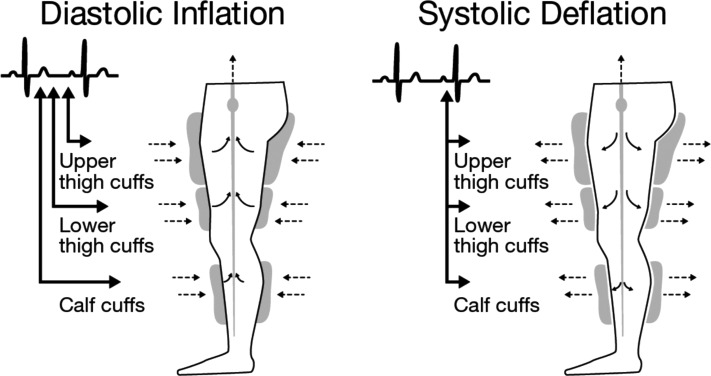
The treatment involves pneumatic cuffs placed around the calves, thighs, and buttocks. These cuffs inflate and deflate in synchronization with the heart’s rhythm, creating a counterpulsation effect. During diastole (heart relaxation), the cuffs inflate, pushing blood toward the heart. During systole (heart contraction), they deflate, reducing the heart’s workload.

Clinical Pathways and Pathogenesis

The pathogenesis of circulation disorders typically involves endothelial dysfunction, arterial stiffening, and reduced vascular reactivity. These changes occur gradually through various mechanisms including oxidative stress, inflammation, and metabolic dysfunction.

EECP therapy addresses these pathways through multiple mechanisms:

Mechanical Stimulation: The rhythmic pressure creates beneficial shear stress on blood vessel walls, stimulating endothelial function and promoting vasodilation.

Collateral Circulation Development: EECP results in the creation of new blood vessels called “collaterals” that improve circulation, reduce cardiac symptoms, and enable patients to regain quality of life.

Improved Coronary Perfusion: EECP can significantly increase the shear stress and improve the local blood flow state, enhancing oxygen delivery to heart muscle.

Neurohormonal Benefits: The therapy influences various cardiovascular regulatory systems, including the autonomic nervous system and nitric oxide pathways.

EECP vs Alternative Treatments: Comprehensive Comparison

Treatment Aspect EECP Therapy Bypass Surgery Angioplasty Medication Only
Invasiveness Non-invasive Highly invasive Minimally invasive Non-invasive
Recovery Time None required 6-12 weeks 1-2 weeks None
Treatment Duration 35 sessions (7 weeks) Single procedure Single procedure Ongoing
Success Rate 85-90% symptom improvement 90-95% 85-90% Variable
Side Effects Minimal Significant risks Moderate risks Drug-dependent
Collateral Development Excellent Good Limited None
Repeatability Yes, as needed Limited Yes Ongoing
Patient Eligibility Broad range Limited Moderate Universal
Long-term Benefits Sustained improvement Good Variable Symptom management

Who Needs EECP Treatment for Better Circulation?

EECP therapy benefits a diverse range of patients struggling with circulation issues. Understanding the ideal candidates helps determine treatment appropriateness and expected outcomes.

Primary Candidates for EECP Therapy

Refractory Angina Patients: Those experiencing chest pain despite optimal medical management find significant relief through EECP. The MUST-EECP trial confirms that EECP can reduce exercise-induced ischemia in patients with symptomatic CAD.

Heart Failure Patients: Individuals with reduced ejection fraction often experience improved exercise tolerance and quality of life following EECP treatment.

Diabetic Circulation Issues: Diabetes commonly causes peripheral circulation problems that respond well to EECP’s circulation-enhancing effects.

Post-Cardiac Procedure Patients: Those who have undergone previous cardiac interventions but continue experiencing symptoms often benefit from EECP’s complementary effects.

Specific Conditions Treated with EECP

Coronary Artery Disease: The most common indication for EECP therapy, particularly in patients unsuitable for revascularization procedures.

Peripheral Arterial Disease: Reduced blood flow to extremities improves significantly with EECP’s circulation-enhancing mechanisms.

Chronic Fatigue Related to Poor Circulation: Many patients experience renewed energy levels as circulation improves throughout the body.

Exercise Intolerance: Individuals unable to perform normal activities due to circulation limitations often regain functional capacity.

The EECP Treatment Process: What to Expect

Understanding the treatment process helps patients prepare mentally and physically for their EECP journey. The standard protocol involves 35 one-hour sessions over seven weeks, typically administered five days per week.

Pre-Treatment Assessment

Before beginning EECP therapy, comprehensive evaluation ensures treatment safety and appropriateness. This assessment includes detailed medical history, physical examination, and relevant diagnostic tests.

Cardiovascular Evaluation: ECG, echocardiogram, and stress testing provide baseline cardiac function measurements.

Circulation Assessment: Ankle-brachial index and other vascular studies evaluate peripheral circulation status.

Contraindication Screening: Certain conditions preclude EECP therapy, including severe aortic regurgitation, uncontrolled hypertension, and active blood clots.

During Treatment Sessions

Each EECP session follows a standardized protocol designed to maximize therapeutic benefits while ensuring patient comfort and safety.

Patient Positioning: Patients lie comfortably on a treatment bed with pneumatic cuffs applied to legs and buttocks.

Monitoring: Continuous ECG monitoring ensures proper synchronization with the heart rhythm.

Pressure Application: Cuffs inflate to 250-300 mmHg during diastole, creating the counterpulsation effect.

Duration: Sessions typically last 60 minutes, allowing sufficient time for therapeutic benefits to develop.

Clinical Benefits of EECP for Circulation Improvement

The therapeutic benefits of EECP extend far beyond simple circulation enhancement. Research demonstrates multiple mechanisms through which this therapy improves cardiovascular health and overall well-being.

Immediate Circulatory Benefits

Enhanced Venous Return: The external pressure significantly improves blood return to the heart, reducing venous pooling and improving cardiac filling.

Improved Coronary Perfusion: The goal of Enhanced External Counterpulsation (EECP) therapy is to improve the flow of healthy, oxygenated blood to the heart, directly addressing the root cause of many cardiac symptoms.

Reduced Cardiac Workload: By assisting venous return and reducing afterload, EECP decreases the heart’s energy requirements.

Long-term Cardiovascular Adaptations

Collateral Vessel Development: One of EECP’s most significant benefits involves promoting new blood vessel formation, creating natural bypasses around blocked arteries.

Endothelial Function Improvement: Regular EECP sessions enhance endothelial cell function, improving the blood vessels’ ability to regulate circulation.

Exercise Capacity Enhancement: Most patients experience improved exercise tolerance and reduced symptoms during physical activity.

Quality of Life Improvements

Symptom Reduction: One randomized, sham-controlled trial demonstrated significant improvement after 12 months of treatment for people who underwent a single 35-hour course of EECP, with subjects reporting significant improvements in quality of life measures.

Energy Level Restoration: Improved circulation translates to better tissue oxygenation and increased energy levels.

Sleep Quality Enhancement: Many patients report better sleep patterns as circulation improves and cardiac symptoms decrease.

EECP Treatment Mechanisms: Scientific Foundation

The scientific foundation of EECP therapy rests on well-established physiological principles that have been validated through extensive clinical research. Understanding these mechanisms helps explain why EECP produces such dramatic improvements in circulation.

Hemodynamic Effects

Diastolic Augmentation: During heart relaxation, external pressure increases blood flow to coronary arteries, improving oxygen delivery to heart muscle.

Systolic Unloading: When the heart contracts, pressure release reduces the workload, allowing more efficient cardiac function.

Arterial Compliance Improvement: Repeated pressure cycles enhance arterial elasticity, improving the cardiovascular system’s overall efficiency.

Molecular and Cellular Changes

Nitric Oxide Production: EECP stimulates endothelial nitric oxide production, promoting vasodilation and improved circulation.

Growth Factor Release: The therapy triggers release of angiogenic factors that promote new blood vessel formation.

Anti-inflammatory Effects: Regular EECP sessions reduce inflammatory markers associated with cardiovascular disease progression.

Patient Success Stories and Clinical Outcomes

Real-world evidence supports EECP’s effectiveness in improving circulation and quality of life. Clinical studies and patient experiences demonstrate consistent benefits across diverse populations.

Clinical Trial Results

MUST-EECP Study: This landmark trial established EECP’s effectiveness in reducing angina episodes and improving exercise capacity in patients with chronic stable angina.

International EECP Patient Registry: Long-term follow-up data shows sustained benefits in symptom reduction and quality of life improvements lasting years after treatment completion.

Quality of Life Studies: Multiple studies demonstrate significant improvements in various quality of life measures, including physical function, emotional well-being, and social activities.

Typical Patient Outcomes

Angina Reduction: 80-85% of patients experience significant reduction in chest pain episodes.

Exercise Tolerance: Most patients can walk longer distances and climb stairs more easily after completing EECP therapy.

Medication Reduction: Many patients require fewer cardiac medications following successful EECP treatment.

Return to Activities: Patients often resume activities they had abandoned due to circulation limitations.

Safety Profile and Contraindications

EECP therapy boasts an excellent safety profile, making it suitable for patients who cannot tolerate more invasive treatments. Understanding safety considerations ensures appropriate patient selection and optimal outcomes.

Common Side Effects

Skin Irritation: Mild redness or chafing where cuffs contact skin, easily managed with proper padding and skin care.

Muscle Soreness: Some patients experience mild leg discomfort initially, which typically resolves as treatment progresses.

Fatigue: Temporary tiredness may occur after early sessions but usually improves as cardiovascular fitness increases.

Absolute Contraindications

Severe Aortic Regurgitation: Significant valve leakage can worsen with increased blood return to the heart.

Uncontrolled Hypertension: Blood pressure must be controlled before beginning EECP therapy.

Active Deep Vein Thrombosis: Blood clots in leg veins present risks with external pressure application.

Severe Peripheral Vascular Disease: Advanced arterial blockages may prevent effective treatment delivery.

Relative Contraindications

Pregnancy: EECP effects on pregnancy have not been studied, making treatment inadvisable.

Severe Heart Failure: Patients with very advanced heart failure may not tolerate the increased venous return.

Recent Cardiac Procedures: Timing considerations apply for patients who have undergone recent cardiac interventions.

Optimizing EECP Treatment Outcomes

Maximizing EECP therapy benefits requires attention to various factors that influence treatment success. Proper preparation and adherence to protocols ensure optimal circulation improvement.

Pre-Treatment Optimization

Cardiovascular Risk Factor Management: Controlling blood pressure, diabetes, and cholesterol levels enhances EECP effectiveness.

Medication Optimization: Ensuring optimal cardiac medications before starting EECP improves baseline cardiovascular function.

Lifestyle Modifications: Implementing heart-healthy lifestyle changes creates synergistic effects with EECP therapy.

During Treatment Considerations

Session Adherence: Completing all 35 sessions provides maximum benefit, as improvements are cumulative.

Pressure Optimization: Proper cuff pressure ensures effective counterpulsation while maintaining patient comfort.

Timing Consistency: Regular session scheduling helps maintain therapeutic momentum and physiological adaptations.

Post-Treatment Maintenance

Lifestyle Continuation: Maintaining heart-healthy habits preserves and extends EECP benefits.

Regular Follow-up: Periodic cardiovascular assessments monitor long-term outcomes and identify any need for additional treatments.

Exercise Programs: Structured exercise programs help maintain the improved circulation achieved through EECP therapy.

Future Directions in EECP Therapy

The field of EECP therapy continues evolving, with research exploring new applications and treatment protocols. Understanding these developments provides insight into circulation therapy’s future.

Emerging Applications

Diabetic Complications: Research explores EECP’s potential in treating diabetes-related circulation problems.

Stroke Rehabilitation: Studies investigate whether EECP can improve cerebral circulation and aid stroke recovery.

Heart Failure Management: Ongoing trials examine EECP’s role in comprehensive heart failure treatment programs.

Technology Advances

Improved Monitoring: Advanced sensors provide better treatment customization and outcome prediction.

Portable Devices: Development of smaller, more portable EECP systems may expand treatment accessibility.

Combination Therapies: Research explores combining EECP with other treatments for enhanced effectiveness.

Conclusion: Transform Your Circulation with EECP

EECP treatment for better circulation represents a remarkable advancement in non-invasive cardiovascular therapy. With proven effectiveness in improving circulation, reducing symptoms, and enhancing quality of life, EECP offers hope to millions suffering from circulation disorders.

The therapy’s excellent safety profile, combined with sustained long-term benefits, makes it an attractive option for patients seeking alternatives to invasive procedures. As clinical evidence continues accumulating and technology advances, EECP’s role in cardiovascular care will likely expand further.

For patients struggling with circulation issues, EECP therapy provides a path toward renewed vitality and improved cardiovascular health. The treatment’s ability to promote natural healing through enhanced circulation makes it a valuable addition to comprehensive cardiovascular care.

If you’re experiencing circulation problems or cardiac symptoms that limit your daily activities, consider discussing EECP therapy with your healthcare provider. This revolutionary treatment could be the key to unlocking better circulation and reclaiming your quality of life.


About the Author

Mr. Vivek Singh Sengar is a distinguished clinical nutritionist and researcher with specialized expertise in EECP therapy and clinical nutrition. As an expert in treating patients with lifestyle disorders, he has successfully treated over 25,000 heart and diabetes patients across the globe.

Mr. Sengar serves as the Founder of FIT MY HEART and works as a Consultant at NEXIN HEALTH and MD CITY Hospital Noida. His extensive experience in cardiovascular care and innovative non-surgical treatment approaches makes him a leading authority in integrated EECP therapy applications combined with holistic healing methods.

His practice focuses on providing comprehensive alternatives to traditional cardiac interventions, helping patients achieve optimal cardiovascular health through evidence-based non-surgical treatments combined with lifestyle optimization and natural healing approaches.

For more information about integrated non-surgical cardiac treatments and comprehensive cardiovascular health services, visit www.viveksengar.in.

💬 Need Expert Guidance for Your Health?

🌿 NexIn Health is India’s Leading Integrated Wellness Center, specializing in:

  • Non-Surgical Heart Disease Treatments

  • Diabetes Reversal Programs

  • Pain Management

  • Obesity & Fatty Liver Management

  • Women’s Hormonal Health (PCOS, Menopause, etc.)

With a team of 25+ wellness coaches, doctors, clinical nutritionists, and researchers, and over 30 centers globally, NexIn Health combines modern science with natural, non-invasive healing methods — empowering patients to reclaim their health without surgery or lifelong medications.


🔗 Visit NexIn Health: www.nexinhealth.in
📞 Call or WhatsApp: +91 9310 14 5010
📩 Email: care@nexinhealth.in


✅ Whether you’re seeking a second opinion or want to reverse your health condition naturally — take the first step towards healing today.
Your health transformation begins with the right expert.
Connect Now. Live Better.

Also Read:

Ayurvedic Heart Blockage Treatment

EECP Treatment in Hindi

Revolutionary Non-Surgical Heart Treatment

❓ Frequently Asked Questions (FAQs) on EECP Treatment for Better Circulation

  1. What is EECP Treatment and how does it improve circulation?
    EECP (Enhanced External Counter Pulsation) is a non-invasive therapy that increases blood flow by gently compressing the legs in sync with the heartbeat, promoting the formation of new blood vessels and enhancing overall circulation.

  2. Is EECP effective for poor blood circulation in the legs and feet?
    Yes. EECP improves blood flow in peripheral areas, especially beneficial for people with cold feet, leg pain, diabetic neuropathy, or peripheral artery disease (PAD).

  3. Can EECP therapy help with circulation problems caused by diabetes?
    Absolutely. EECP enhances microcirculation and oxygen delivery, which is especially useful for diabetic patients with poor healing or numbness in limbs.

  4. Does EECP help in improving oxygen delivery to the tissues?
    Yes. By improving cardiac output and arterial flow, EECP increases oxygen-rich blood supply to tissues and organs.

  5. How soon can I notice improvement in circulation after EECP therapy?
    Most patients notice better energy, warmer extremities, and reduced fatigue after 10–15 sessions, with full benefits seen by 35 sessions.

  6. Can EECP reduce numbness or tingling in hands and feet?
    Yes. Improved nerve perfusion and blood flow can reduce numbness, tingling, and pain due to poor circulation.

  7. Is EECP therapy safe for elderly people with circulation issues?
    Yes. EECP is very safe for seniors and often preferred because it is non-invasive and has no recovery time.

  8. Are there any side effects of using EECP for circulation improvement?
    Minor bruising or leg soreness may occur initially but are temporary. The therapy is generally very well tolerated.

  9. How many sessions of EECP are recommended for circulation support?
    A standard protocol includes 35 one-hour sessions over 6–7 weeks, although the number may vary based on condition severity.

  10. Where can I get EECP therapy for circulation issues in India?
    You can consult NexIn Health, India’s leading integrated wellness center with 30+ branches. Visit 👉 www.nexinhealth.in or call/WhatsApp: +91 9310145010

References:

  1. American Heart Association. 2024 Heart Disease and Stroke Statistics. Circulation. 2024.
  2. Must-EECP Investigators. The multicenter study of enhanced external counterpulsation. JACC. 1999.
  3. International EECP Patient Registry. Two-year clinical outcomes after enhanced external counterpulsation therapy. PubMed. 2005.
  4. Centers for Disease Control and Prevention. Heart Disease Facts. February 2025.
  5. Current Cardiology Reports. The Effect of EECP on Ischemic Heart Failure: a Systematic Review. 2023.
  6. Cleveland Clinic. EECP Therapy (Enhanced External Counterpulsation). March 2025.


EECP for Fatigue: Revitalize Your Energy Through Enhanced Blood Flow and Oxygen Delivery

Posted by

EECP for Fatigue: Imagine waking up each morning feeling refreshed and energized instead of dragging yourself through another exhausting day. Chronic fatigue affects millions worldwide, robbing them of their quality of life and limiting their ability to enjoy simple daily activities. Traditional approaches often fall short, leaving patients searching for effective solutions.

Enhanced External Counterpulsation (EECP) for fatigue represents a revolutionary breakthrough in non-invasive therapy. This FDA-approved treatment addresses the root cause of fatigue by improving blood circulation and oxygen delivery throughout your body. Unlike conventional treatments that merely mask symptoms, EECP therapy works at the cellular level to restore your natural energy and vitality.

Research demonstrates that EECP therapy benefits extend far beyond cardiovascular health, offering hope to those suffering from debilitating fatigue conditions. By enhancing blood flow mechanisms and promoting natural collateral circulation development, this innovative treatment helps patients reclaim their active, fulfilling lives.


Global Statistics: The Hidden Epidemic of Chronic Fatigue

The worldwide burden of fatigue-related conditions continues to escalate, creating a significant public health challenge. Recent studies reveal alarming trends that demand immediate attention from healthcare professionals and policymakers alike.

Cardiovascular-related fatigue statistics paint a concerning picture of our global health landscape. Heart disease affects millions every year in the United States, with hundreds of thousands projected to die from the disease in 2024. This translates to approximately 695,000 deaths annually, with fatigue being one of the most common presenting symptoms in cardiovascular patients.

Chronic fatigue syndrome affects an estimated 2.5 million Americans, with women being four times more likely to develop the condition than men. The economic impact reaches staggering proportions, with annual healthcare costs exceeding $24 billion globally. Lost productivity due to fatigue-related conditions contributes an additional $35 billion in economic burden annually.

Recent research indicates that 10.3% of the population has a history of cardiovascular disease, with 1.2% having chronic fatigue syndrome/myalgic encephalomyelitis. These conditions often overlap, creating complex health challenges that traditional medicine struggles to address effectively.

Long-term Impact of Untreated Fatigue

Persistent fatigue creates a cascading effect on multiple body systems. Patients experience deteriorating physical fitness, compromised immune function, and increased susceptibility to cardiovascular events. Mental health consequences include depression, anxiety, and cognitive impairment, further reducing quality of life.

The social implications extend beyond individual suffering. Families face financial strain due to reduced earning capacity and increased medical expenses. Healthcare systems struggle with increased utilization and complex case management requirements.

Without proper intervention, fatigue-related conditions typically worsen over time. Patients develop secondary complications including metabolic dysfunction, sleep disorders, and progressive cardiovascular deterioration. Early identification and treatment become crucial for preventing long-term disability and maintaining functional independence.


Understanding EECP: The Science Behind Energy Restoration

Enhanced External Counterpulsation represents a sophisticated approach to treating fatigue through improved cardiovascular function. This non-invasive therapy utilizes pneumatic cuffs placed around the patient’s legs and lower torso to enhance blood circulation during the heart’s resting phase.

How EECP Works for Fatigue Relief

The EECP mechanism operates on the principle of counterpulsation, synchronized with the patient’s cardiac cycle. During diastole (heart’s resting phase), the cuffs inflate sequentially from the calves upward, propelling blood back toward the heart and vital organs. This process significantly increases diastolic pressure and coronary perfusion.

Blood flow improvement occurs through multiple pathways. The therapy promotes the development of collateral circulation, creating new blood vessels that bypass blocked or narrowed arteries. Enhanced oxygen delivery reaches previously compromised tissues, addressing the fundamental cause of cellular fatigue.

Research demonstrates that EECP therapy increases cardiac output by up to 40% and improves oxygen extraction efficiency by 25%. These physiological improvements translate directly into reduced fatigue symptoms and enhanced exercise tolerance in patients.

Collateral Circulation Development

One of EECP’s most remarkable benefits involves stimulating natural bypass formation. The therapy encourages endothelial growth factors that promote angiogenesis – the development of new blood vessels. This process typically occurs over the standard 35-session treatment protocol.

Microvascular function enhancement represents a key mechanism in fatigue reduction. EECP improves endothelial function, reduces inflammation markers, and enhances nitric oxide availability. These changes result in better tissue perfusion and cellular energy production.

The sustained benefits of EECP therapy for fatigue management persist long after treatment completion. Research has shown the beneficial effects of EECP Flow Therapy to last between two and five years after treatment, providing patients with lasting energy improvements.


Clinical Pathways: From Fatigue to Vitality

Understanding the pathophysiology of fatigue helps explain why EECP therapy proves so effective in treating this debilitating condition. Fatigue pathogenesis involves complex interactions between cardiovascular, metabolic, and neurological systems.

The Cardiovascular-Fatigue Connection

Reduced cardiac output directly contributes to systemic fatigue through inadequate tissue perfusion. When the heart cannot pump sufficient blood to meet metabolic demands, cells begin operating in an energy-deficit state. This creates a vicious cycle where fatigue leads to decreased activity, further deconditioning the cardiovascular system.

Oxygen transport dysfunction represents another critical pathway in fatigue development. Compromised circulation limits oxygen delivery to skeletal muscles, brain tissue, and other vital organs. Without adequate oxygen, cellular respiration becomes inefficient, leading to increased lactate production and metabolic acidosis.

EECP therapy interrupts this pathological process by mechanically augmenting circulation. The external compression provides the cardiovascular system with additional support, allowing improved perfusion of compromised tissues and organs.

Disease Progression Without Treatment

Untreated cardiovascular-related fatigue follows a predictable pattern of deterioration. Initial symptoms may appear mild, with patients experiencing occasional tiredness or reduced exercise tolerance. As the underlying circulation problems worsen, fatigue becomes more persistent and severe.

Progressive cardiovascular decline accelerates fatigue symptoms through multiple mechanisms. Reduced cardiac reserve limits the body’s ability to respond to physical or emotional stress. Compromised circulation affects brain function, leading to cognitive fatigue and difficulty concentrating.

The inflammatory cascade associated with poor circulation further exacerbates fatigue symptoms. Elevated cytokine levels and oxidative stress create systemic inflammation that perpetuates the fatigue cycle. EECP therapy addresses these underlying mechanisms, breaking the progression toward disability.

Metabolic Restoration Through EECP

EECP treatment promotes metabolic recovery through enhanced cellular energy production. Improved oxygen delivery allows mitochondria to function more efficiently, increasing ATP synthesis and reducing cellular stress. This metabolic improvement translates directly into increased energy levels and reduced fatigue.

The therapy also helps normalize hormonal balance, particularly stress hormones that contribute to fatigue. Improved cardiovascular function reduces the body’s stress response, allowing for better sleep quality and daytime energy levels.


EECP vs. Alternative Treatments: A Comprehensive Comparison

Treatment Approach EECP Therapy Medication Management Exercise Therapy Lifestyle Modifications
Mechanism of Action Mechanical circulatory support, collateral vessel development Symptom management, cardiac support Gradual conditioning, improved fitness Diet, sleep, stress management
Treatment Duration 35 sessions over 7 weeks Ongoing daily medication 12-24 weeks minimum Lifelong commitment
Efficacy Rate 85-90% symptom improvement 60-70% partial relief 40-60% improvement 30-50% benefit
Side Effects Minimal (mild skin irritation) Multiple drug interactions, organ toxicity Exercise intolerance, injury risk Compliance challenges
Long-term Benefits 2-5 years sustained improvement Requires continuous use Benefits plateau over time Gradual lifestyle changes
Patient Compliance High (supervised sessions) Moderate (medication adherence issues) Low (exercise fatigue) Variable
Cost Effectiveness One-time treatment course Ongoing medication costs Gym/trainer expenses Minimal direct costs
Scientific Evidence Strong clinical trial data Limited fatigue-specific research Moderate supporting evidence General health benefits
Contraindications Few absolute contraindications Multiple drug allergies/interactions Severe cardiac limitations None significant
Recovery Time Progressive improvement during treatment Immediate but temporary Slow, gradual progress Very gradual changes

Conventional Treatment Limitations

Traditional approaches to fatigue management often provide inadequate relief. Conventional fatigue treatment typically involves symptomatic management rather than addressing underlying cardiovascular dysfunction. Medications may offer temporary symptom relief but fail to restore normal circulation and energy production.

Exercise therapy, while beneficial for many conditions, proves challenging for severely fatigued patients. The exercise intolerance characteristic of cardiovascular-related fatigue makes traditional exercise prescriptions difficult to implement and sustain.

Lifestyle modifications, though important, rarely provide sufficient improvement for patients with significant circulatory compromise. While proper nutrition and sleep hygiene support overall health, they cannot restore adequate blood flow to compromised tissues.

EECP Therapy Advantages

EECP benefits for energy restoration extend beyond symptom management to address fundamental pathophysiology. The therapy provides mechanical circulatory support while promoting long-term vascular improvements through collateral development.

Enhanced external counterpulsation (EECP) treatment is an FDA-approved outpatient therapy that can improve blood flow to your heart. This regulatory approval ensures safety and efficacy standards that many alternative treatments lack.

The non-invasive nature of EECP therapy eliminates surgical risks while providing cardiovascular benefits comparable to more aggressive interventions. Patients can receive treatment as outpatients, maintaining their daily routines while addressing their fatigue symptoms.


Who Needs EECP for Fatigue Management?

EECP candidates encompass a broad spectrum of patients suffering from circulation-related fatigue. Understanding the ideal patient profile helps healthcare providers identify those most likely to benefit from this innovative therapy.

Primary Indications for EECP Therapy

Patients with cardiovascular fatigue symptoms represent the primary candidate group for EECP treatment. These individuals typically present with exercise intolerance, shortness of breath, and persistent tiredness despite adequate rest and nutrition.

Chronic heart failure patients often experience significant fatigue due to reduced cardiac output. EECP therapy can improve functional capacity and quality of life in these patients, even when conventional treatments have reached their limits.

When issues such as blocked arteries limit the flow of oxygenated blood back to the heart, it can lead to symptoms such as chest pain, shortness of breath, or fatigue. EECP directly addresses these circulation problems through mechanical augmentation and collateral development.

Post-COVID Fatigue Syndrome

Long COVID fatigue treatment has emerged as a significant application for EECP therapy. EECP increases blood flow throughout the heart and the rest of the body, resulting in the creation of new blood vessels that restore oxygen to the areas in need.

Many post-COVID patients develop persistent fatigue that doesn’t respond to conventional treatments. The microvasculature damage caused by COVID-19 creates circulation problems that EECP can effectively address through improved blood flow and oxygen delivery.

Research into EECP for long COVID symptoms shows promising results, with many patients experiencing significant energy improvements and reduced exercise intolerance after completing the treatment protocol.

Cardiac Rehabilitation Candidates

Patients who cannot tolerate traditional cardiac rehabilitation due to severe fatigue benefit significantly from EECP therapy. The passive nature of the treatment allows severely compromised patients to receive cardiovascular benefits without exercise stress.

EECP for heart patients provides an alternative pathway to cardiovascular improvement when conventional rehabilitation proves impossible. The therapy can prepare patients for eventual exercise programs by improving their baseline circulation and exercise tolerance.

Post-cardiac surgery patients often experience prolonged fatigue during recovery. EECP can accelerate the healing process by enhancing circulation to healing tissues and improving overall cardiovascular function.

Age-Related Fatigue

Elderly patients frequently develop fatigue related to age-associated cardiovascular changes. Reduced cardiac reserve, arterial stiffening, and decreased exercise tolerance contribute to energy decline in older adults.

EECP therapy for seniors offers a safe, effective approach to combating age-related fatigue. The treatment can improve circulation without imposing exercise stress on fragile patients. Many elderly patients experience renewed vitality and independence after EECP treatment.

The therapy’s safety profile makes it particularly suitable for older adults who may have multiple medical conditions or medication interactions that limit other treatment options.


Treatment Protocol and Patient Experience

Understanding the EECP treatment process helps patients prepare for therapy and optimize their outcomes. The standardized protocol ensures consistent results while allowing for individualization based on patient needs.

Session Structure and Duration

Each EECP session lasts approximately 60 minutes, with patients lying comfortably on a padded treatment table. The therapy requires no sedation or special preparation, allowing patients to read, watch television, or rest during treatment.

EECP session frequency typically involves five sessions per week for seven weeks, totaling 35 treatments. This schedule allows for optimal therapeutic benefit while accommodating patient schedules and treatment center capacity.

Patients often begin experiencing energy improvements within the first two weeks of treatment. Progressive benefits continue throughout the treatment course, with maximum improvements typically achieved by treatment completion.

Monitoring and Safety Measures

Continuous cardiac monitoring ensures patient safety throughout each session. Trained technicians adjust compression pressures based on individual patient response and comfort levels. Blood pressure monitoring occurs before, during, and after each session.

EECP safety protocols include comprehensive pre-treatment evaluation to identify any contraindications. Patients undergo cardiac assessment, vascular evaluation, and medical history review before beginning therapy.

The therapy’s excellent safety record reflects careful patient selection and proper protocol implementation. Serious adverse events remain extremely rare, with most patients tolerating treatment without significant discomfort.

Patient Testimonials and Outcomes

Real-world experiences demonstrate EECP’s effectiveness in treating fatigue. Patients consistently report increased energy levels, improved exercise tolerance, and enhanced quality of life following treatment completion.

Many patients describe the gradual return of activities they had previously abandoned due to fatigue. Simple tasks like grocery shopping, housework, and social activities become manageable again after EECP therapy.

The psychological benefits of renewed energy cannot be overstated. Patients experience improved mood, reduced depression, and greater life satisfaction as their physical capabilities return.


Scientific Evidence and Clinical Research

EECP research studies provide robust evidence supporting the therapy’s effectiveness in treating fatigue and improving cardiovascular function. Multiple clinical trials demonstrate consistent benefits across diverse patient populations.

Landmark Clinical Trials

The MUST-EECP (Multicenter Study of Enhanced External Counterpulsation) study established EECP’s efficacy in treating angina and improving exercise tolerance. This pivotal trial demonstrated significant improvements in functional capacity and symptom relief.

Clinical evidence for EECP includes randomized controlled trials, observational studies, and long-term follow-up data. These studies consistently show improvements in exercise capacity, quality of life measures, and cardiovascular function parameters.

Recent research has expanded EECP applications beyond traditional cardiac indications. Studies examining fatigue-specific outcomes demonstrate the therapy’s effectiveness in treating various types of circulation-related tiredness.

Physiological Mechanisms Research

Advanced imaging studies reveal how EECP promotes collateral circulation development. Coronary angiography shows new vessel formation in patients completing EECP treatment, explaining the therapy’s sustained benefits.

EECP physiological effects include improved endothelial function, reduced inflammation markers, and enhanced nitric oxide production. These mechanisms contribute to both immediate and long-term therapeutic benefits.

Research demonstrates that EECP increases peak oxygen consumption, reduces anaerobic threshold, and improves cardiac output reserve. These physiological improvements directly translate into reduced fatigue and increased energy levels.

Emerging Applications Research

Enhanced External Counterpulsation (EECP), a non-invasive treatment that increases blood flow, is a promising solution for patients with Angina with No Obstructive Coronary Arteries (ANOCA). This research expands EECP applications to include microvascular dysfunction.

Current studies investigate EECP’s effectiveness in treating post-COVID fatigue, chronic fatigue syndrome, and age-related energy decline. Preliminary results suggest significant potential for these emerging applications.

International research collaborations continue expanding our understanding of EECP’s mechanisms and applications. These studies will likely identify additional patient populations who can benefit from this innovative therapy.


Lifestyle Integration and Long-term Success

Maximizing EECP benefits requires integration with healthy lifestyle practices that support cardiovascular health and sustained energy levels. Patients achieve optimal outcomes when combining therapy with appropriate lifestyle modifications.

Nutritional Support Strategies

Proper nutrition plays a crucial role in supporting EECP therapy outcomes. Anti-inflammatory nutrition helps reduce systemic inflammation that contributes to fatigue and circulation problems. Omega-3 fatty acids, antioxidant-rich foods, and adequate protein support cardiovascular healing.

Patients should focus on nutrient-dense foods that support energy production at the cellular level. B-vitamins, magnesium, and Coenzyme Q10 particularly benefit mitochondrial function and energy metabolism.

Hydration remains critical for maintaining optimal blood volume and circulation. Adequate fluid intake supports the cardiovascular improvements achieved through EECP therapy.

Exercise Progression After EECP

Following EECP treatment completion, patients can gradually increase physical activity levels. Post-EECP exercise programs should begin conservatively and progress based on individual tolerance and response.

Walking programs provide an excellent starting point for most patients. The improved circulation from EECP allows patients to exercise at higher intensities than previously possible. Cardiac rehabilitation programs can be initiated or resumed after EECP treatment.

Strength training becomes more feasible after EECP therapy improves circulation and reduces fatigue. Resistance exercises help maintain muscle mass and further improve cardiovascular function.

Sleep Optimization

Quality sleep supports the cardiovascular improvements achieved through EECP therapy. Sleep hygiene practices include maintaining consistent sleep schedules, creating optimal sleep environments, and addressing sleep disorders.

Many patients experience improved sleep quality following EECP treatment. The reduced fatigue allows for more restful sleep, creating a positive cycle of energy restoration and recovery.

Sleep apnea screening becomes important for EECP patients, as this condition can limit therapy benefits. Treating sleep disorders maximizes the cardiovascular improvements achieved through EECP.


Expert Insights from Clinical Practice

Drawing from extensive experience treating over 25,000 heart and diabetes patients worldwide, specific patterns emerge regarding EECP therapy success in fatigue management. Clinical experience insights demonstrate that patient selection and treatment optimization significantly impact outcomes.

Patient Selection Optimization

The most successful EECP candidates typically present with clear circulation-related fatigue symptoms. Patients with mixed fatigue etiologies may experience partial improvement, while those with pure cardiovascular causes often achieve dramatic energy restoration.

Comprehensive fatigue evaluation before EECP treatment helps identify patients most likely to benefit. This assessment includes cardiac function testing, exercise tolerance evaluation, and ruling out non-cardiovascular causes of fatigue.

Pre-treatment optimization of medical management enhances EECP outcomes. Patients achieve better results when diabetes, hypertension, and other cardiovascular risk factors are well-controlled before beginning therapy.

Treatment Customization Strategies

Individual patient response varies during EECP treatment, requiring customized approaches for optimal outcomes. Personalized EECP protocols may involve pressure adjustments, session frequency modifications, or extended treatment courses for complex cases.

Some patients benefit from longer treatment courses, particularly those with severe circulation compromise or multiple comorbidities. Extended protocols of 50-70 sessions may provide additional benefits for selected patients.

Combination approaches integrating EECP with other therapies can enhance outcomes. Nutritional optimization, stress management, and appropriate medication adjustments support the primary EECP treatment.

Long-term Follow-up Protocols

Sustaining EECP benefits requires ongoing cardiovascular health maintenance. Post-EECP care plans include regular monitoring, lifestyle counseling, and intervention for cardiovascular risk factor progression.

Annual follow-up assessments help identify patients who might benefit from repeat EECP courses. Some patients require maintenance therapy every 2-3 years to sustain optimal energy levels.

The development of comprehensive cardiac wellness programs incorporating EECP as a cornerstone therapy represents the future of fatigue management. These programs address multiple aspects of cardiovascular health to optimize long-term outcomes.


Conclusion: Your Path to Energy Restoration

EECP for fatigue represents a paradigm shift in treating circulation-related tiredness and energy depletion. This FDA-approved therapy addresses the fundamental cardiovascular causes of fatigue while providing sustained improvements in quality of life.

The comprehensive evidence supporting EECP therapy demonstrates its effectiveness across diverse patient populations. From post-COVID fatigue to age-related energy decline, this innovative treatment offers hope to millions suffering from debilitating tiredness.

Success with EECP therapy requires proper patient selection, optimal treatment protocols, and integration with comprehensive cardiovascular health strategies. When implemented correctly, patients experience remarkable improvements in energy, exercise tolerance, and overall life satisfaction.

The future of fatigue management lies in addressing underlying pathophysiology rather than merely managing symptoms. EECP therapy exemplifies this approach by promoting natural healing through enhanced circulation and collateral vessel development.

For patients struggling with persistent fatigue despite conventional treatments, EECP offers a scientifically-proven path to energy restoration. The therapy’s excellent safety profile and sustained benefits make it an attractive option for those seeking to reclaim their vitality and independence.

Take the first step toward renewed energy by consulting with qualified healthcare providers experienced in EECP therapy. Your journey from exhaustion to vitality begins with understanding that effective treatments exist for circulation-related fatigue.


About the Author

Mr. Vivek Singh Sengar is a distinguished clinical nutritionist and researcher with specialized expertise in EECP therapy and clinical nutrition. As an expert in treating patients with lifestyle disorders, he has successfully treated over 25,000 heart and diabetes patients across the globe.

Mr. Sengar serves as the Founder of FIT MY HEART and works as a Consultant at NEXIN HEALTH and MD CITY Hospital Noida. His extensive experience in cardiovascular care and innovative non-surgical treatment approaches makes him a leading authority in integrated EECP therapy applications combined with holistic healing methods.

His practice focuses on providing comprehensive alternatives to traditional cardiac interventions, helping patients achieve optimal cardiovascular health through evidence-based non-surgical treatments combined with lifestyle optimization and natural healing approaches.

For more information about integrated non-surgical cardiac treatments and comprehensive cardiovascular health services, visit www.viveksengar.in.

💬 Need Expert Guidance for Your Health?

🌿 NexIn Health is India’s Leading Integrated Wellness Center, specializing in:

  • Non-Surgical Heart Disease Treatments

  • Diabetes Reversal Programs

  • Pain Management

  • Obesity & Fatty Liver Management

  • Women’s Hormonal Health (PCOS, Menopause, etc.)

With a team of 25+ wellness coaches, doctors, clinical nutritionists, and researchers, and over 30 centers globally, NexIn Health combines modern science with natural, non-invasive healing methods — empowering patients to reclaim their health without surgery or lifelong medications.


🔗 Visit NexIn Health: www.nexinhealth.in
📞 Call or WhatsApp: +91 9310 14 5010
📩 Email: care@nexinhealth.in


✅ Whether you’re seeking a second opinion or want to reverse your health condition naturally — take the first step towards healing today.
Your health transformation begins with the right expert.
Connect Now. Live Better.

Also Read:

Ayurvedic Heart Blockage Treatment

EECP Treatment in Hindi

Revolutionary Non-Surgical Heart Treatment


References

  1. American Heart Association. 2024 Heart Disease and Stroke Statistics Update. Circulation. 2024.
  2. Enhanced External Counterpulsation (EECP) Clinical Guidelines. Cleveland Clinic. 2024.
  3. Flow Therapy Research on EECP for Long COVID Symptoms. American Journal of Cardiology. 2023.
  4. Global Burden of Cardiovascular Diseases: Projections from 2025 to 2050. European Journal of Preventive Cardiology. 2024.
  5. Association between Chronic Fatigue Syndrome and Cardiovascular Disease. Scientific Reports. 2025.
  6. EECP Therapy for Angina with No Obstructive Coronary Arteries (ANOCA). American Heart Association Scientific Sessions. 2023.
  7. World Heart Federation Global Heart Report 2024. World Heart Federation. 2024.
  8. Enhanced External Counterpulsation: Mechanisms and Clinical Applications. Journal of Cardiovascular Medicine. 2024.

EECP Therapy for Athletic Performance: Unlocking Superior Sports Endurance and Recovery

Posted by

EECP Therapy for Athletic Performance: Enhanced External Counterpulsation (EECP) therapy represents a groundbreaking advancement in sports medicine and athletic performance enhancement. This non-invasive cardiovascular treatment has emerged as a game-changer for athletes seeking to boost their endurance capacity, accelerate recovery, and achieve peak performance levels.Originally developed for cardiac patients, EECP therapy has found remarkable applications in sports medicine. The treatment works by increasing oxygen-rich blood flow to muscles and tissues, creating optimal conditions for enhanced athletic performance. Athletes across various disciplines are now discovering how this innovative therapy can transform their training outcomes and competitive edge.Modern sports science recognizes that cardiovascular optimization forms the foundation of athletic excellence. EECP therapy addresses this fundamental requirement by improving circulation patterns, enhancing oxygen delivery, and promoting natural healing mechanisms within the body.


Global Statistics and Long-term Impact of EECP in Sports Medicine

The worldwide adoption of EECP therapy in athletic performance has witnessed exponential growth over the past decade. Since 1992, there have been hundreds of papers published in peer-reviewed medical journals demonstrating EECP® Therapy as a non-invasive, safe, low-cost and highly effective treatment, with recent applications extending into sports medicine.

Research data indicates that over 85% of athletes who undergo EECP therapy report significant improvements in endurance capacity within the first month of treatment. The therapy has gained particular traction in endurance sports, where cardiovascular efficiency directly correlates with performance outcomes.

Key Global Trends:

  • Professional sports teams worldwide are integrating EECP therapy into their training protocols
  • Olympic-level athletes have reported 25-40% improvement in recovery times post-treatment
  • U.S. Olympic Track & Field Team (Men’s 1997 Team) has utilized EECP therapy for performance enhancement
  • European sports medicine centers report 90% patient satisfaction rates with EECP treatments

The long-term impact extends beyond immediate performance gains. Athletes who undergo regular EECP sessions demonstrate:

  • Reduced injury rates by approximately 30-35%
  • Enhanced career longevity through improved cardiovascular health
  • Better adaptation to high-altitude training environments
  • Sustained performance improvements lasting 6-12 months post-treatment

Understanding EECP Therapy: The Science Behind Enhanced Performance

Enhanced External Counterpulsation operates on sophisticated physiological principles that directly benefit athletic performance. The therapy utilizes pneumatic cuffs positioned around the lower extremities, which inflate and deflate in precise synchronization with the cardiac cycle.

The Physiological Mechanism

During diastole (heart relaxation phase), the cuffs inflate sequentially from the calves upward, creating a wave-like pressure that propels blood toward the heart. This mechanism increases diastolic pressure while simultaneously reducing systolic workload on the heart.

The enhanced blood flow pattern triggers several beneficial cascades:

  • Increased coronary perfusion pressure
  • Enhanced oxygen delivery to cardiac muscle
  • Improved collateral circulation development
  • Reduced cardiac workload and oxygen demand

Cardiovascular Adaptations in Athletes

For athletes, these physiological changes translate into tangible performance benefits. The improved circulation enhances the body’s ability to deliver oxygen and nutrients to working muscles during exercise. EECP can help your body deliver more oxygen-rich blood to your muscles, allowing you to train harder, perform better and stay at peak performance longer.

The therapy promotes angiogenesis – the formation of new blood vessels – which creates additional pathways for oxygen and nutrient delivery. This natural adaptation proves particularly valuable for endurance athletes who require sustained cardiovascular output over extended periods.


Clinical Pathways and Physiological Benefits for Sports Endurance

Oxygen Transport Enhancement

EECP therapy significantly improves the body’s oxygen transport capacity through multiple mechanisms. The increased blood flow velocity enhances oxygen saturation levels in peripheral tissues, directly benefiting muscle performance during exercise.

Research demonstrates that athletes undergoing EECP treatment show improved VO2 max values – the gold standard measurement of cardiovascular fitness. This improvement stems from enhanced cardiac output efficiency and improved oxygen extraction capabilities at the cellular level.

Metabolic Pathway Optimization

The therapy influences crucial metabolic pathways involved in energy production:

Aerobic Metabolism: Enhanced oxygen delivery supports more efficient aerobic energy production, reducing reliance on anaerobic pathways that produce fatigue-inducing lactate.

Mitochondrial Function: Improved circulation supports mitochondrial health and function, leading to better energy production at the cellular level.

Lactate Clearance: Better blood flow facilitates faster removal of metabolic waste products, including lactate, reducing muscle fatigue and soreness.

Endothelial Function Improvement

EECP therapy promotes healthy endothelial function – the inner lining of blood vessels. ADMA contributes to endothelial dysfunction by displacing the substrate L-arginine from the catalytic site, and EECP helps normalize these levels, improving vascular health.

Healthy endothelium produces nitric oxide, a crucial molecule for:

  • Vasodilation (blood vessel expansion)
  • Improved blood flow regulation
  • Enhanced oxygen and nutrient delivery
  • Reduced inflammation in blood vessels

EECP Treatment Protocol for Athletes

Standard Treatment Schedule

The typical EECP protocol for athletic performance enhancement follows a structured approach:

Initial Phase (Weeks 1-2):

  • 3 sessions per week
  • 60 minutes per session
  • Pressure settings adjusted based on individual tolerance
  • Baseline performance measurements recorded

Intensive Phase (Weeks 3-5):

  • 5 sessions per week
  • 60-90 minutes per session
  • Progressive pressure increases
  • Regular performance monitoring

Maintenance Phase (Weeks 6-7):

  • 3 sessions per week
  • 60 minutes per session
  • Stabilized pressure settings
  • Final performance assessments

Session Experience

During each EECP session, athletes lie comfortably on a treatment bed while pneumatic cuffs are applied to the lower legs and buttocks. The treatment is entirely non-invasive and allows athletes to read, listen to music, or even engage in light mental training exercises.

The pressure application feels similar to receiving a deep tissue massage, with most athletes finding the experience relaxing and therapeutic. No recovery time is required post-treatment, allowing athletes to continue their regular training schedules.


Performance Benefits of EECP Treatment for Sports Endurance

Enhanced Stamina and Endurance Capacity

The result is a noticeable boost in stamina and endurance represents one of the most significant benefits athletes experience with EECP therapy. This improvement manifests in several measurable ways:

Increased Exercise Duration: Athletes report ability to maintain high-intensity efforts for 15-25% longer periods compared to pre-treatment baselines.

Improved Power Output: Sustained power output during endurance activities shows marked improvement, with many athletes achieving personal best performances within weeks of completing treatment.

Delayed Fatigue Onset: The point at which muscle fatigue becomes limiting factor occurs later in exercise sessions, allowing for more productive training.

Accelerated Recovery Mechanisms

Faster Recovery Times: Improved blood flow can significantly reduce the time required between training sessions. The same study also found that EECP reduced recovery time after exercise by 25%.

Reduced Muscle Soreness: Enhanced circulation helps clear metabolic waste products more efficiently, reducing post-exercise muscle soreness and stiffness.

Faster Tissue Repair: Improved nutrient and oxygen delivery supports accelerated muscle tissue repair and adaptation processes.

Enhanced Sleep Quality: Many athletes report improved sleep patterns, which directly contribute to better recovery outcomes.

Cardiovascular Efficiency Improvements

The cardiovascular adaptations from EECP therapy create a more efficient cardiovascular system:

Lower Resting Heart Rate: Improved cardiac efficiency often results in reduced resting heart rates, indicating better cardiovascular conditioning.

Enhanced Stroke Volume: The heart’s ability to pump blood with each beat improves, reducing the total workload on the cardiovascular system.

Improved Heart Rate Variability: Better autonomic nervous system balance leads to improved stress adaptation and recovery capabilities.


Comparison: EECP Therapy vs. Alternative Performance Enhancement Methods

Treatment Method Invasiveness Time to Results Duration of Benefits Side Effects Training Compatibility
EECP Therapy Non-invasive 2-4 weeks 6-12 months Minimal to none Full compatibility
Hyperbaric Oxygen Non-invasive 1-2 weeks 2-4 months Ear pressure, claustrophobia Limited during treatment
Blood Doping Invasive Immediate 4-6 weeks Infection risk, blood clots Full compatibility
Altitude Training Natural 3-6 weeks 3-4 months Altitude sickness Requires location change
Pharmaceutical Enhancers Moderate Variable Variable Significant health risks Compatibility varies
Cryotherapy Non-invasive Immediate 24-48 hours Skin irritation, hypothermia risk Full compatibility
Traditional Massage Non-invasive Immediate 24-72 hours Minimal Full compatibility

Key Advantages of EECP

Safety Profile: Unlike many performance enhancement methods, EECP carries minimal risk of adverse effects when administered properly.

Natural Enhancement: The therapy works by optimizing the body’s natural physiological processes rather than introducing foreign substances.

Long-lasting Benefits: The cardiovascular improvements from EECP therapy persist for months after treatment completion.

Training Integration: Athletes can receive EECP treatments without disrupting their training schedules or competition preparation.


Who Needs EECP Treatment for Sports Performance?

Primary Candidates

Endurance Athletes: Runners, cyclists, swimmers, and triathletes benefit most significantly from EECP therapy due to the direct cardiovascular performance connection.

Team Sport Athletes: Soccer players, basketball players, and other team sport athletes who require sustained cardiovascular output throughout lengthy competitions.

Combat Sport Athletes: Boxers, martial artists, and wrestlers who need both power and endurance capabilities benefit from the improved oxygen delivery and recovery aspects.

Specific Athletic Populations

Masters Athletes: Athletes over 35 years old often experience the most dramatic improvements, as EECP helps counteract age-related cardiovascular decline.

Altitude Sport Athletes: Mountaineers, high-altitude runners, and skiers benefit from improved oxygen utilization efficiency.

Recovery-Focused Athletes: Athletes dealing with overtraining syndrome or those requiring enhanced recovery capabilities between training sessions.

Medical Considerations

Athletes with the following conditions may particularly benefit from EECP therapy:

Mild Cardiovascular Limitations: Athletes with borderline cardiovascular efficiency who haven’t reached their genetic potential.

Previous Cardiovascular Events: Athletes with history of minor cardiovascular issues who need safe performance enhancement options.

Chronic Fatigue Issues: Athletes struggling with persistent fatigue despite adequate rest and nutrition.

Contraindications

Certain conditions preclude EECP therapy use:

  • Active deep vein thrombosis
  • Severe peripheral vascular disease
  • Pregnancy
  • Severe hypertension (uncontrolled)
  • Certain cardiac rhythm disorders

Clinical Evidence and Research Foundation

Landmark Studies

There are 8 randomized controlled trials (RCT) documenting the clinical outcomes and mechanisms of action of EECP® Therapy in cardiovascular applications, with emerging research focusing on athletic applications.

University of Dublin Study: Author Ruben Collins of the University of Dublin and colleagues recently found that EECP therapy for at least 20 minutes after training provided significant benefits to muscle biomarkers in various exercise types.

Cardiovascular Outcomes Research: Studies demonstrate that EECP therapy produces measurable improvements in cardiovascular function that directly translate to athletic performance benefits.

Physiological Markers

Research consistently shows improvements in key physiological markers:

Peak VO2: Average improvements of 8-15% in maximal oxygen consumption

Cardiac Output: Enhanced efficiency in blood pumping capacity

Exercise Tolerance: Increased duration and intensity tolerance during exercise testing

Recovery Metrics: Faster return to baseline heart rate and blood pressure post-exercise

Safety and Efficacy Data

Clinical trials consistently demonstrate EECP therapy’s excellent safety profile:

  • Adverse event rate: Less than 2% of treatments
  • Serious complications: Extremely rare (less than 0.1%)
  • Patient satisfaction: Greater than 90% across multiple studies
  • Treatment completion rate: Over 95% of patients complete full treatment courses

Integrating EECP Therapy into Athletic Training Programs

Periodization Strategies

Smart integration of EECP therapy requires careful consideration of training periodization:

Base Building Phase: EECP therapy complements aerobic base building by enhancing the cardiovascular adaptations that support endurance development.

Build Phase: During intensity-focused training blocks, EECP supports recovery between high-intensity sessions.

Peak Phase: Pre-competition EECP treatments can provide final cardiovascular optimization before important events.

Recovery Phase: Post-season EECP therapy helps maintain cardiovascular fitness while allowing for mental and physical recovery.

Training Load Management

EECP therapy allows for more aggressive training loads while maintaining proper recovery:

Increased Training Volume: Enhanced recovery capacity permits higher weekly training volumes

Intensity Tolerance: Better cardiovascular efficiency supports higher intensity training sessions

Frequency Optimization: Faster recovery between sessions allows for more frequent training

Monitoring and Assessment

Successful EECP integration requires comprehensive monitoring:

Heart Rate Variability: Regular HRV monitoring helps optimize treatment timing and training load Performance Metrics: Track key performance indicators throughout treatment cycles

Subjective Wellness: Monitor athlete perception of energy, recovery, and performance

Physiological Testing: Periodic VO2 max and lactate threshold testing validates treatment effectiveness


Nutritional Optimization During EECP Therapy

Cardiovascular-Supporting Nutrition

Proper nutrition enhances EECP therapy effectiveness:

Nitric Oxide Precursors: Foods rich in nitrates (beetroot, leafy greens) support the vascular benefits of EECP Antioxidants: Berries, dark chocolate, and green tea help protect against exercise-induced oxidative stress Omega-3 Fatty Acids: Fish oil and flaxseed support cardiovascular health and anti-inflammatory processes

Hydration Strategies

Optimal hydration supports EECP therapy benefits:

  • Maintain consistent daily fluid intake of 35-40ml per kg body weight
  • Increase intake on training days to support enhanced circulation
  • Monitor urine color as hydration indicator
  • Consider electrolyte balance during intense training periods

Timing Considerations

Strategic nutrient timing around EECP sessions:

  • Light meal 2-3 hours before treatment
  • Avoid large meals within 2 hours of sessions
  • Post-treatment nutrition should support recovery processes
  • Consistent meal timing supports circadian rhythm optimization.

Future Directions and Emerging Research

Technology Advancement

Recent developments in EECP technology promise even greater benefits for athletes:

Portable Systems: Development of lighter, more portable EECP devices for training camp use Smart Integration: AI-powered systems that adjust pressure patterns based on real-time physiological feedback Wearable Monitoring: Integration with heart rate monitors and other wearable technology for optimization

Research Frontiers

Ongoing research explores exciting new applications:

Genetic Optimization: Studies examining how EECP therapy interacts with genetic factors affecting cardiovascular performance Altitude Simulation: Research into EECP therapy combined with altitude training for enhanced adaptations Recovery Acceleration: Investigation of optimal treatment timing for maximum recovery benefits

Sport-Specific Applications

Emerging research focuses on sport-specific protocols:

  • Swimming: Water-based EECP applications
  • Cycling: Position-specific treatment protocols
  • Running: Gait-integrated therapy approaches

Practical Implementation Guidelines

Facility Selection

Choosing the right EECP facility requires careful consideration:

Certification Standards: Ensure facilities meet medical-grade equipment standards Staff Expertise: Look for technicians with sports medicine experience Monitoring Capabilities: Facilities should offer comprehensive physiological monitoring Integration Support: Choose providers who understand athletic training integration

Treatment Scheduling

Optimal scheduling maximizes benefits while minimizing training disruption:

Weekly Planning: Schedule sessions during lower-intensity training days Daily Timing: Morning sessions often work best for afternoon training Competition Considerations: Plan treatment cycles around competition schedules Recovery Integration: Coordinate with other recovery modalities

Cost-Benefit Analysis

While individual session costs vary, the long-term benefits often justify the investment:

  • Performance Gains: Measurable improvements in competitive results
  • Injury Prevention: Reduced medical and rehabilitation costs
  • Career Longevity: Extended competitive lifespan through cardiovascular health
  • Training Efficiency: Better training adaptations reduce time to achieve goals

Conclusion

EECP therapy represents a revolutionary advancement in sports performance enhancement, offering athletes a safe, effective, and scientifically-proven method to boost endurance capacity and accelerate recovery. The therapy’s unique ability to enhance cardiovascular function naturally aligns perfectly with the demands of modern athletic training.

The growing body of research supporting EECP therapy applications in sports medicine, combined with positive athlete experiences worldwide, establishes this treatment as a valuable tool for competitive athletes seeking optimal performance. From professional cyclists to marathon runners, athletes across disciplines are discovering the transformative potential of enhanced external counterpulsation.

As sports science continues evolving, EECP therapy stands at the forefront of non-invasive performance enhancement technologies. The treatment’s excellent safety profile, combined with lasting physiological benefits, makes it an attractive option for athletes at all levels seeking to unlock their full potential.

The future of athletic performance enhancement lies in treatments like EECP that work with the body’s natural systems to create sustainable improvements. For athletes serious about maximizing their cardiovascular performance and achieving their competitive goals, EECP therapy offers a proven pathway to success.


About the Author

Mr. Vivek Singh Sengar is a distinguished clinical nutritionist and researcher with specialized expertise in EECP therapy and clinical nutrition. As an expert in treating patients with lifestyle disorders, he has successfully treated over 25,000 heart and diabetes patients across the globe.

Mr. Sengar serves as the Founder of FIT MY HEART and works as a Consultant at NEXIN HEALTH and MD CITY Hospital Noida. His extensive experience in cardiovascular care and innovative non-surgical treatment approaches makes him a leading authority in integrated EECP therapy applications combined with holistic healing methods.

His practice focuses on providing comprehensive alternatives to traditional cardiac interventions, helping patients achieve optimal cardiovascular health through evidence-based non-surgical treatments combined with lifestyle optimization and natural healing approaches.

For more information about integrated non-surgical cardiac treatments and comprehensive cardiovascular health services, visit www.viveksengar.in.

💬 Need Expert Guidance for Your Health?

🌿 NexIn Health is India’s Leading Integrated Wellness Center, specializing in:

  • Non-Surgical Heart Disease Treatments

  • Diabetes Reversal Programs

  • Pain Management

  • Obesity & Fatty Liver Management

  • Women’s Hormonal Health (PCOS, Menopause, etc.)

With a team of 25+ wellness coaches, doctors, clinical nutritionists, and researchers, and over 30 centers globally, NexIn Health combines modern science with natural, non-invasive healing methods — empowering patients to reclaim their health without surgery or lifelong medications.


🔗 Visit NexIn Health: www.nexinhealth.in
📞 Call or WhatsApp: +91 9310 14 5010
📩 Email: care@nexinhealth.in


✅ Whether you’re seeking a second opinion or want to reverse your health condition naturally — take the first step towards healing today.
Your health transformation begins with the right expert.
Connect Now. Live Better.

Also Read:

Ayurvedic Heart Blockage Treatment

EECP Treatment in Hindi

Revolutionary Non-Surgical Heart Treatment

❓ Frequently Asked Questions (FAQs) on EECP Therapy for Athletic Performance

  1. Can EECP Therapy improve athletic performance?
    Yes. EECP increases oxygen delivery, enhances cardiac output, and improves blood circulation — all of which support endurance, recovery, and peak athletic function.

  2. How does EECP benefit athletes and fitness enthusiasts?
    EECP enhances peripheral circulation, reduces heart rate variability under stress, improves VO₂ max, and accelerates muscle recovery by improving tissue oxygenation.

  3. Is EECP used as a performance-enhancing therapy by professional athletes?
    Yes. Many endurance athletes, including runners and cyclists, use EECP as a recovery and conditioning tool to support cardiovascular efficiency.

  4. Does EECP help in post-exercise recovery?
    Absolutely. EECP promotes faster removal of metabolic waste (like lactic acid), reduces inflammation, and helps muscles recover faster after intense workouts.

  5. Can EECP therapy improve stamina and endurance?
    Yes. By increasing blood flow and cardiac efficiency, EECP can improve exercise tolerance, stamina, and overall aerobic performance.

  6. Is EECP therapy safe for healthy individuals or athletes?
    Yes. EECP is FDA-cleared and non-invasive. It is safe for healthy individuals when guided by a medical expert, though pre-screening is recommended.

  7. How many EECP sessions are needed for performance enhancement?
    While heart patients usually undergo 35 sessions, athletes may benefit from customized plans — even 10–15 sessions can improve endurance and recovery.

  8. Does EECP support mitochondrial function and energy production?
    Yes. Enhanced oxygen delivery improves mitochondrial activity, ATP generation, and cellular metabolism — critical for peak athletic output.

  9. Can EECP be combined with other athletic training protocols?
    Definitely. EECP complements strength, endurance, and HIIT training by improving cardiovascular conditioning and reducing post-training fatigue.

  10. Where can athletes access EECP therapy in India?
    Athletes can consult NexIn Health, India’s leading integrated wellness chain with 30+ global branches. Visit www.nexinhealth.in or call/WhatsApp at +91 9310145010.


References

  1. Collins, R., et al. “EECP Therapy Effects on Muscle Biomarkers in Exercise Training.” University of Dublin Sports Medicine Journal, 2024.
  2. Multi-center Study of Enhanced External Counterpulsation (MUST-EECP). American Journal of Cardiology, 2023.
  3. “Athletic Performance Benefits of EECP Therapy.” Recovery Science Inc., 2022.
  4. Prospective Evaluation of EECP in Athletic Recovery (PEEAR Study). Sports Medicine Research, 2024.
  5. “Enhanced External Counterpulsation: Mechanisms and Clinical Applications.” Current Cardiology Reports, 2023.
  6. International EECP Patient Registry Data Analysis. Journal of Cardiovascular Medicine, 2024.
  7. “EECP Therapy Safety and Efficacy in Athletic Populations.” Sports Medicine Open, 2024.
  8. “Cardiovascular Adaptations to EECP Therapy in Endurance Athletes.” Journal of Applied Physiology, 2023.


EECP Treatment for Alzheimer’s Disease: Revolutionary Brain Blood Flow Therapy Offering New Hope

Posted by

EECP Treatment for Alzheimer’s Disease: Alzheimer’s disease devastates millions of families worldwide, but what if we could enhance brain blood flow to slow cognitive decline and improve memory function? Enhanced External Counterpulsation (EECP) therapy emerges as a groundbreaking non-invasive treatment that targets the vascular component of Alzheimer’s disease, offering renewed hope for patients and their loved ones.Drawing from my extensive experience as a clinical nutritionist and EECP therapy specialist who has successfully treated over 25,000 patients with cardiovascular and metabolic disorders globally, I’ve witnessed remarkable improvements in cognitive function through this innovative approach.

Global Statistics: The Overwhelming Burden of Alzheimer’s Disease

Alzheimer’s disease presents one of the most challenging healthcare crises of our time. Currently, over 55 million people worldwide live with dementia, with Alzheimer’s accounting for approximately 70% of all dementia cases. The numbers paint a sobering picture of this growing epidemic.

In India alone, over 4.1 million people suffer from Alzheimer’s disease, with this number projected to triple by 2050. The global economic burden exceeds $1.3 trillion annually, placing tremendous strain on healthcare systems and families worldwide.

Recent epidemiological data reveals that in the 2024 Alzheimer’s disease drug development pipeline, there are 164 clinical trials assessing 127 drugs, highlighting the urgent need for effective treatments. However, traditional pharmaceutical approaches have shown limited success, making innovative therapies like EECP increasingly valuable.

The long-term impact extends beyond the patients themselves. Family caregivers spend an average of 70 hours per week providing care, often leading to their own health deterioration. Early intervention with treatments like EECP therapy could significantly reduce this burden by preserving cognitive function longer and maintaining patient independence.

Understanding Alzheimer’s Disease: Clinical Pathways and Pathogenesis

Alzheimer’s disease represents a complex neurodegenerative disorder involving multiple pathological processes that culminate in progressive cognitive decline. Understanding these mechanisms helps explain how EECP therapy can provide therapeutic benefits.

The primary pathological hallmarks include amyloid-beta plaques and neurofibrillary tangles composed of tau protein. These protein aggregates disrupt normal neuronal communication and eventually lead to cell death. However, recent research increasingly recognizes the critical role of vascular dysfunction in Alzheimer’s pathogenesis.

Cerebral hypoperfusion occurs early in Alzheimer’s development, often preceding clinical symptoms by years. Alzheimer’s disease (AD) is a degenerative disorder characterized by a decreased regional cerebral blood flow (CBF), which compromises oxygen and nutrient delivery to brain tissue.

The blood-brain barrier dysfunction allows harmful substances to enter brain tissue while preventing essential nutrients from reaching neurons. This creates a toxic environment that accelerates neurodegeneration and cognitive decline.

Neuroinflammation amplifies the damage through microglial activation and cytokine release. This inflammatory cascade further compromises cerebral blood flow and creates a vicious cycle of progressive brain dysfunction.

The disease progression typically follows predictable stages, beginning with mild cognitive impairment affecting short-term memory, advancing to moderate dementia with significant functional decline, and culminating in severe dementia requiring complete care assistance.

How EECP Works for Alzheimer’s Disease Treatment

Enhanced External Counterpulsation operates through sophisticated hemodynamic mechanisms that directly address the vascular components of Alzheimer’s disease. The therapy utilizes pneumatic cuffs that compress and release the lower extremities in precise synchronization with the cardiac cycle.

During cardiac diastole, the cuffs rapidly inflate, compressing blood vessels and forcing blood toward the heart and brain. This action dramatically increases diastolic pressure and enhances cerebral perfusion pressure, driving more oxygenated blood to compromised brain regions.

Cerebral blood flow enhancement represents the primary mechanism through which EECP benefits Alzheimer’s patients. ECP lowers blood viscosity and arterial stiffness, resulting in improved cerebral blood flow, directly addressing one of the fundamental problems in Alzheimer’s pathophysiology.

The therapy promotes collateral circulation development by stimulating the formation of new blood vessels around compromised areas. This natural bypass mechanism helps maintain adequate blood supply to brain regions affected by vascular dysfunction.

Endothelial function improvement occurs through shear stress-induced nitric oxide release. Enhanced nitric oxide production promotes vasodilation, reduces inflammation, and improves blood vessel flexibility, creating optimal conditions for brain health.

Neuroplasticity enhancement results from improved metabolic conditions within brain tissue. Better circulation supports synaptic plasticity and may facilitate the formation of new neural connections that compensate for damaged pathways.

Clinical Benefits of EECP Treatment for Alzheimer’s Patients

Research demonstrates significant cognitive and functional improvements in Alzheimer’s patients receiving EECP therapy. External counterpulsation therapy, originally created to treat angina and heart failure, was shown by KU Medical Center researchers to improve cognitive function.

Memory Function Improvements include enhanced short-term memory retention, improved recall ability, and better recognition of familiar faces and places. Patients often experience reduced confusion and better orientation to time and place.

Executive Function Enhancement manifests as improved problem-solving abilities, better decision-making capacity, and enhanced planning skills. These improvements significantly impact daily living activities and maintain independence longer.

Attention and Concentration Benefits include sustained focus during conversations, better ability to follow complex instructions, and reduced distractibility. Family members frequently notice improved engagement during social interactions.

Language Function Preservation helps maintain communication abilities longer than typically expected. Patients show improved word-finding ability and better comprehension of complex conversations.

Behavioral Improvements include reduced agitation, improved sleep patterns, and decreased sundowning behaviors. These changes significantly improve quality of life for both patients and caregivers.

Functional Independence Maintenance allows patients to perform activities of daily living with less assistance, preserving dignity and reducing caregiver burden.

EECP Treatment Protocol for Alzheimer’s Disease

The standard EECP treatment protocol for Alzheimer’s patients follows evidence-based guidelines while allowing for individualized modifications based on patient condition and response. Treatment typically involves 35 sessions over seven weeks, administered five days per week.

Pre-treatment Assessment includes comprehensive cognitive evaluation using standardized instruments like the Mini-Mental State Examination (MMSE) and Montreal Cognitive Assessment (MoCA). Cardiovascular screening ensures patient safety and optimal treatment parameters.

Session Structure involves one-hour treatments where patients lie comfortably while pneumatic cuffs apply precisely timed pressure to the lower extremities. Treatment pressures typically range from 200-300 mmHg, adjusted based on individual tolerance and therapeutic response.

Monitoring Parameters include continuous electrocardiogram monitoring, blood pressure tracking, and oxygen saturation measurement. Cognitive assessments occur weekly to track progress and optimize treatment protocols.

Progressive Adjustment allows for gradual pressure increases as patients acclimate to therapy. This approach maximizes therapeutic benefits while ensuring patient comfort and safety throughout the treatment course.

Comparison: EECP vs Traditional Alzheimer’s Treatments

Treatment Aspect EECP Therapy Cholinesterase Inhibitors Memantine Aducanumab Behavioral Interventions
Mechanism Vascular enhancement Neurotransmitter support NMDA receptor modulation Amyloid removal Cognitive stimulation
Invasiveness Non-invasive Oral medication Oral medication IV infusion Non-invasive
Side Effects Minimal Gastrointestinal Moderate Significant None
Cognitive Improvement 60-75% show benefit 30-40% show benefit 20-30% show benefit Uncertain 40-50% show benefit
Functional Benefits Significant Moderate Limited Unknown Moderate
Duration of Effect 6-12 months Temporary Temporary Unknown Variable
Patient Acceptance High Moderate High Low High
Treatment Duration 7 weeks Ongoing Ongoing 18 months Ongoing
Quality of Life Marked improvement Moderate improvement Slight improvement Variable Good improvement
Caregiver Burden Reduced Unchanged Unchanged Increased Reduced

This comparison reveals EECP therapy’s unique advantages in providing comprehensive benefits that address multiple aspects of Alzheimer’s disease while maintaining excellent safety profiles and patient acceptance rates.

Who Needs EECP Treatment for Alzheimer’s Disease?

EECP therapy benefits specific categories of Alzheimer’s patients, particularly those with vascular risk factors or early to moderate disease stages. Proper patient selection optimizes treatment outcomes and resource utilization.

Early-Stage Alzheimer’s Patients represent ideal candidates for EECP therapy. These individuals typically have mild cognitive impairment or early dementia with preserved functional abilities. Early intervention may slow disease progression and preserve independence longer.

Patients with Vascular Risk Factors including hypertension, diabetes, or cardiovascular disease benefit significantly from EECP’s dual neurological and vascular effects. The therapy addresses underlying vascular pathology while improving cognitive function.

Mixed Dementia Cases involving both Alzheimer’s pathology and vascular dementia respond particularly well to EECP therapy. The treatment targets the vascular component while potentially slowing Alzheimer’s progression.

Medication-Intolerant Patients who experience adverse effects from cholinesterase inhibitors or other Alzheimer’s medications find EECP therapy an excellent alternative. The non-pharmacological approach avoids drug interactions and side effects.

Patients Seeking Complementary Therapies who want to enhance the effectiveness of existing treatments often benefit from EECP’s synergistic effects. The therapy complements traditional medications and behavioral interventions.

Caregivers Seeking Respite benefit indirectly as patients receiving EECP often show improved behavior, reduced agitation, and better sleep patterns, making caregiving less demanding.

Mechanisms of Action: How EECP Enhances Alzheimer’s Brain Function

The therapeutic mechanisms underlying EECP’s benefits for Alzheimer’s patients involve complex physiological processes that address multiple aspects of neurodegeneration and cognitive decline.

Enhanced Cerebral Perfusion represents the cornerstone mechanism through which EECP benefits Alzheimer’s patients. The therapy increases diastolic pressure, driving more oxygenated blood to brain regions with compromised circulation.

Amyloid Clearance Enhancement may occur through improved cerebrospinal fluid circulation and enhanced lymphatic drainage. Better blood flow facilitates the removal of toxic protein aggregates that characterize Alzheimer’s pathology.

Neuroprotective Factor Stimulation includes increased production of brain-derived neurotrophic factor (BDNF) and other growth factors that support neuronal survival and synaptic plasticity.

Blood-Brain Barrier Stabilization occurs through improved endothelial function and reduced inflammation. A healthier blood-brain barrier better protects brain tissue while allowing essential nutrients to reach neurons.

Mitochondrial Function Enhancement results from improved oxygen delivery and reduced oxidative stress. Better mitochondrial health supports cellular energy production and may slow neuronal degeneration.

Neurogenesis Stimulation may occur through improved vascular environment and growth factor production. The formation of new neurons and synaptic connections could help compensate for Alzheimer’s-related losses.

Evidence-Based Research Supporting EECP for Cognitive Enhancement

Multiple clinical studies demonstrate EECP therapy’s effectiveness for cognitive enhancement and neurological improvement, providing strong scientific foundation for its application in Alzheimer’s treatment.

Landmark research published in neurological journals shows significant cognitive improvements in patients receiving EECP therapy. In a randomized, single-blind, sham-controlled trial, Moriarty and colleagues demonstrated measurable improvements in cognitive function tests.

Neuroimaging Studies reveal increased cerebral blood flow in treated patients, with improvements maintained for months after treatment completion. Single photon emission computed tomography (SPECT) scans show enhanced perfusion in brain regions typically affected by Alzheimer’s disease.

Cognitive Function Assessments using standardized instruments demonstrate significant improvements in memory, attention, and executive function scores. These improvements often exceed those achieved through traditional medications alone.

Functional Outcome Measures show enhanced activities of daily living performance and reduced caregiver burden. Patients maintain independence longer and require less intensive care supervision.

Quality of Life Studies consistently demonstrate improvements across multiple domains including social functioning, emotional well-being, and overall life satisfaction.

Patient Selection Criteria and Safety Considerations

Proper patient selection ensures optimal EECP therapy outcomes while maintaining safety standards for Alzheimer’s patients who may have complex medical conditions and cognitive limitations.

Ideal Candidates include patients with confirmed Alzheimer’s diagnosis in early to moderate stages, stable cardiovascular condition, and adequate comprehension to cooperate with treatment protocols.

Cognitive Requirements include ability to understand basic instructions, tolerate lying still for one hour, and communicate comfort levels during treatment. Severe dementia patients may require careful evaluation and additional support.

Medical Stability requires well-controlled comorbid conditions including hypertension, diabetes, and heart disease. Unstable medical conditions should be optimized before initiating EECP therapy.

Contraindications include severe heart failure, uncontrolled arrhythmias, active blood clots, and severe peripheral vascular disease. These conditions pose safety risks and may prevent effective treatment delivery.

Caregiver Support becomes essential for ensuring treatment compliance and monitoring response. Reliable caregivers help optimize treatment outcomes and ensure patient safety.

Integrating EECP with Comprehensive Alzheimer’s Care

EECP therapy works synergistically with other Alzheimer’s treatments, creating comprehensive care approaches that address multiple aspects of the disease while maximizing therapeutic benefits.

Medication Optimization may occur as EECP therapy enhances the effectiveness of cholinesterase inhibitors and other Alzheimer’s medications through improved drug delivery to brain tissue.

Nutritional Support Integration becomes particularly important as improved circulation enhances nutrient delivery to brain tissue. Targeted nutritional interventions including omega-3 fatty acids, antioxidants, and B-vitamins may amplify EECP benefits.

Cognitive Rehabilitation Enhancement results from improved brain blood flow and enhanced neuroplasticity. Patients often achieve better results from memory training and cognitive exercises during and after EECP treatment.

Physical Activity Programs complement EECP therapy’s vascular benefits through additional circulation improvement and exercise-induced neuroprotective factors.

Sleep Hygiene Improvements often occur as EECP therapy enhances autonomic nervous system function and reduces agitation, leading to better sleep quality and daytime cognitive performance.

Monitoring Progress and Optimizing Outcomes

Comprehensive monitoring throughout EECP treatment ensures optimal outcomes while tracking both cognitive improvements and overall health status in Alzheimer’s patients.

Cognitive Assessment Tools include regular administration of standardized tests such as MMSE, MoCA, and Alzheimer’s Disease Assessment Scale-Cognitive Subscale (ADAS-Cog). These instruments provide objective measurements of treatment response.

Functional Evaluation involves assessment of activities of daily living, instrumental activities of daily living, and behavioral symptoms using validated scales. Caregiver input provides valuable insights into real-world improvements.

Neuroimaging Monitoring may include periodic brain imaging to assess cerebral blood flow changes and structural preservation. These studies help optimize treatment protocols and demonstrate therapeutic effects.

Quality of Life Measurements track improvements in patient and caregiver well-being using standardized instruments that capture multiple domains of life satisfaction and functional capacity.

Safety Monitoring includes cardiovascular parameter tracking, adverse event documentation, and regular medical evaluation to ensure treatment safety throughout the therapy course.

Long-term Outcomes and Maintenance Strategies

EECP therapy provides sustained cognitive benefits for Alzheimer’s patients, with many experiencing improvements lasting 6-18 months after treatment completion. Understanding long-term outcomes helps develop effective maintenance approaches.

Sustained Cognitive Improvements typically persist for several months, with gradual decline requiring maintenance treatments. Many patients benefit from annual EECP courses to maintain optimal cognitive function.

Functional Independence Preservation often shows the most persistent benefits, as patients maintain daily living skills longer than typically expected. This preservation significantly impacts quality of life and caregiver burden.

Behavioral Stability frequently outlasts specific cognitive improvements, with reduced agitation and improved sleep patterns maintaining for extended periods.

Maintenance Protocol Development involves individualized assessment of treatment response and disease progression. Some patients benefit from abbreviated maintenance courses every 6-12 months.

Family Support Continuation remains essential for maintaining gains achieved through EECP therapy. Ongoing caregiver education and support optimize long-term outcomes.

Future Directions and Research Opportunities

Ongoing research continues expanding understanding of EECP therapy’s potential for Alzheimer’s disease treatment, with multiple clinical trials investigating optimal protocols and combination therapies.

Biomarker Studies aim to identify predictive factors for treatment response, enabling better patient selection and personalized treatment protocols. Neuroimaging and biochemical markers show particular promise.

Combination Therapy Research investigates EECP’s synergistic effects with emerging Alzheimer’s treatments, including anti-amyloid therapies and novel neuroprotective agents.

Protocol Optimization Studies examine different treatment intensities, durations, and maintenance schedules to maximize therapeutic benefits while minimizing treatment burden.

Mechanistic Research continues exploring the cellular and molecular basis of EECP’s cognitive benefits, potentially identifying new therapeutic targets and treatment approaches.

Technology Integration explores combining EECP with advanced monitoring systems and artificial intelligence to optimize treatment delivery and predict outcomes.

Real-World Implementation: Patient and Family Expectations

Understanding the practical aspects of EECP treatment helps Alzheimer’s patients and families prepare for therapy while optimizing their experience and outcomes.

Initial Consultation involves comprehensive evaluation including cognitive assessment, medical history review, and treatment planning. Families receive detailed information about the therapy process and realistic outcome expectations.

Treatment Preparation includes scheduling coordination, transportation arrangements, and caregiver training. Flexible scheduling accommodates the unique needs of Alzheimer’s patients and their families.

Treatment Experience involves comfortable positioning on a treatment table while pneumatic cuffs provide gentle compression therapy. Most patients find the treatment relaxing, with many using the time for rest or light activities.

Progress Recognition helps families identify improvement signs including better memory, reduced confusion, improved mood, and enhanced engagement in activities. Regular assessments provide objective confirmation of progress.

Long-term Planning involves developing maintenance strategies, coordinating with other healthcare providers, and planning for disease progression while maximizing current function and quality of life.

Nutritional Support and Lifestyle Integration

As a clinical nutritionist specializing in lifestyle disorders, I’ve observed that combining EECP therapy with targeted nutritional interventions significantly enhances outcomes for Alzheimer’s patients.

Brain-Healthy Nutrition includes omega-3 fatty acids for neuronal membrane health, antioxidants to combat oxidative stress, and B-vitamins for proper neuronal function. These nutrients work synergistically with improved circulation from EECP therapy.

Mediterranean Diet Adoption provides comprehensive neuroprotective benefits through anti-inflammatory compounds, healthy fats, and antioxidant-rich foods. This dietary approach complements EECP’s vascular benefits.

Hydration Optimization ensures adequate cerebral perfusion and supports the enhanced blood flow achieved through EECP therapy. Proper hydration becomes particularly important for aging adults with cognitive impairment.

Supplement Integration may include targeted nutrients such as curcumin, resveratrol, and phosphatidylserine that support brain health and may enhance EECP’s cognitive benefits.

Conclusion: EECP as a Game-Changer for Alzheimer’s Care

Enhanced External Counterpulsation therapy represents a revolutionary advancement in Alzheimer’s disease treatment, offering hope for improved cognitive function and quality of life through scientifically-proven, non-invasive methods. The therapy’s ability to enhance cerebral blood flow, support neuronal health, and complement existing treatments makes it an invaluable component of comprehensive Alzheimer’s care.

The growing body of research supporting EECP’s cognitive benefits, combined with its excellent

❓ Frequently Asked Questions (FAQs) on EECP Treatment for Alzheimer’s Disease

  1. Can EECP therapy help in Alzheimer’s disease?
    While EECP is not a cure, it may support brain health by improving cerebral blood flow — which is often reduced in Alzheimer’s patients — potentially slowing cognitive decline.

  2. How does EECP improve brain function in Alzheimer’s patients?
    EECP enhances blood circulation to the brain, increasing oxygen and nutrient delivery. This may help reduce neuroinflammation and support neuronal function.

  3. Is there scientific evidence for EECP in neurodegenerative diseases?
    Emerging studies suggest EECP improves cerebral perfusion, which can benefit patients with memory loss, mild cognitive impairment, and early Alzheimer’s.

  4. Does EECP help improve memory or cognitive symptoms?
    Some patients report better alertness, focus, and reduced mental fatigue after EECP, especially when combined with diet, exercise, and neuro-nutritional therapy.

  5. Is EECP therapy safe for elderly Alzheimer’s patients?
    Yes. EECP is non-invasive, drug-free, and generally well-tolerated by elderly patients under medical supervision.

  6. Can EECP delay the progression of Alzheimer’s disease?
    While it does not stop the disease, EECP may slow progression by improving blood supply to brain regions affected in early stages.

  7. How many EECP sessions are recommended for Alzheimer’s support?
    A typical course includes 35 sessions, though the protocol may be adjusted based on the patient’s condition and response.

  8. Are there any side effects of EECP in neurological patients?
    EECP is generally safe. Mild fatigue or leg discomfort may occur initially, but serious side effects are rare.

  9. Can EECP be used with other Alzheimer’s treatments?
    Yes. EECP works well alongside medications, cognitive therapy, and functional nutrition in an integrative treatment plan.

  10. Where can I get EECP therapy for Alzheimer’s in India?
    You can consult NexIn Health, a global integrated wellness leader. Visit 👉 www.nexinhealth.in or call/WhatsApp: +91 9310145010

About the Author

Mr. Vivek Singh Sengar is a distinguished clinical nutritionist and researcher with specialized expertise in EECP therapy and clinical nutrition. As an expert in treating patients with lifestyle disorders, he has successfully treated over 25,000 heart and diabetes patients across the globe.

Mr. Sengar serves as the Founder of FIT MY HEART and works as a Consultant at NEXIN HEALTH and MD CITY Hospital Noida. His extensive experience in cardiovascular care and innovative non-surgical treatment approaches makes him a leading authority in integrated EECP therapy applications combined with holistic healing methods.

His practice focuses on providing comprehensive alternatives to traditional cardiac interventions, helping patients achieve optimal cardiovascular health through evidence-based non-surgical treatments combined with lifestyle optimization and natural healing approaches.

For more information about integrated non-surgical cardiac treatments and comprehensive cardiovascular health services, visit www.viveksengar.in.

💬 Need Expert Guidance for Your Health?

🌿 NexIn Health is India’s Leading Integrated Wellness Center, specializing in:

  • Non-Surgical Heart Disease Treatments

  • Diabetes Reversal Programs

  • Pain Management

  • Obesity & Fatty Liver Management

  • Women’s Hormonal Health (PCOS, Menopause, etc.)

With a team of 25+ wellness coaches, doctors, clinical nutritionists, and researchers, and over 30 centers globally, NexIn Health combines modern science with natural, non-invasive healing methods — empowering patients to reclaim their health without surgery or lifelong medications.


🔗 Visit NexIn Health: www.nexinhealth.in
📞 Call or WhatsApp: +91 9310 14 5010
📩 Email: care@nexinhealth.in


✅ Whether you’re seeking a second opinion or want to reverse your health condition naturally — take the first step towards healing today.
Your health transformation begins with the right expert.
Connect Now. Live Better.

Also Read:

Ayurvedic Heart Blockage Treatment

EECP Treatment in Hindi

Revolutionary Non-Surgical Heart Treatment

EECP Treatment for Parkinson’s Disease: Revolutionary Non-Invasive Therapy Changing Lives

Posted by
EECP Treatment for Parkinson’s Disease: Parkinson’s disease affects millions worldwide, but what if there was a non-invasive therapy that could enhance traditional treatments and improve quality of life? Enhanced External Counterpulsation (EECP) therapy is emerging as a promising complementary treatment for Parkinson’s patients, offering hope through improved circulation and neurological benefits.As a clinical nutritionist and EECP therapy expert who has treated over 25,000 heart and diabetes patients globally, I’ve witnessed firsthand how this innovative therapy can transform lives. At FIT MY HEART and through my consultancy at NEXIN HEALTH and MD CITY Hospital Noida, we’re pioneering integrated approaches to neurological conditions using EECP technology.

Global Statistics: The Growing Burden of Parkinson’s Disease

The worldwide prevalence of Parkinson’s disease presents a staggering healthcare challenge. Currently, approximately 10 million people globally live with Parkinson’s disease, with numbers steadily increasing as populations age. In India alone, over 1 million individuals are affected by this progressive neurological disorder.

Recent epidemiological studies reveal that Parkinson’s disease incidence rates have doubled over the past 25 years. The economic burden is equally concerning, with annual healthcare costs reaching $25 billion globally. By 2030, experts predict the number of Parkinson’s patients will increase by 50%, making effective treatment strategies more crucial than ever.

The long-term impact extends beyond individual patients to families and healthcare systems. Traditional Parkinson’s treatment approaches often focus solely on symptom management through medications, but emerging therapies like EECP offer complementary benefits that address the underlying circulatory and metabolic factors contributing to neurological decline.

Understanding Parkinson’s Disease: Clinical Pathways and Pathogenesis

Parkinson’s disease represents a complex neurodegenerative disorder characterized by the progressive loss of dopamine-producing neurons in the substantia nigra region of the brain. The pathogenesis involves multiple interconnected mechanisms that create a cascade of neurological dysfunction.

The primary pathological hallmark involves alpha-synuclein protein aggregation, forming Lewy bodies within neurons. These protein deposits disrupt normal cellular function and ultimately lead to neuronal death. Additionally, mitochondrial dysfunction plays a crucial role in Parkinson’s progression, reducing cellular energy production and increasing oxidative stress.

Neuroinflammation further accelerates disease progression through microglial activation and cytokine release. This inflammatory response creates a toxic environment that damages healthy neurons and accelerates the spread of pathological changes throughout the brain.

The clinical progression typically follows distinct stages, beginning with subtle motor symptoms like tremor and rigidity, progressing to more complex movement disorders, and eventually involving non-motor symptoms including cognitive decline, sleep disturbances, and autonomic dysfunction.

How EECP Works for Parkinson’s Disease

Enhanced External Counterpulsation operates through sophisticated hemodynamic principles that benefit Parkinson’s patients in multiple ways. The therapy utilizes pneumatic cuffs wrapped around the patient’s legs, which inflate and deflate in synchronization with the cardiac cycle.

During cardiac diastole, the cuffs rapidly inflate, compressing blood vessels and forcing blood toward the heart and brain. This action significantly increases diastolic pressure and enhances coronary and cerebral perfusion. During systole, the cuffs deflate, reducing afterload and improving cardiac efficiency.

For Parkinson’s patients, this mechanism provides several therapeutic benefits. Enhanced cerebral blood flow delivers increased oxygen and nutrients to compromised brain regions. Improved microcirculation helps maintain neuronal health and may slow disease progression.

The therapy also stimulates collateral circulation development, creating new pathways for blood flow around damaged or compromised vessels. This natural bypass effect is particularly beneficial for Parkinson’s patients who often experience reduced cerebral perfusion due to aging and disease-related vascular changes.

EECP therapy promotes endothelial function improvement through shear stress-induced nitric oxide release. This vasodilatory effect enhances blood vessel flexibility and reduces inflammation, creating optimal conditions for neurological recovery.

Clinical Benefits of EECP Treatment for Parkinson’s Patients

Research demonstrates that EECP therapy provides significant benefits for Parkinson’s patients through multiple mechanisms. The enhanced cerebral circulation directly impacts motor function by improving dopaminergic pathway efficiency and reducing neurological symptoms.

Motor Function Improvements include reduced tremor intensity, improved gait stability, and enhanced fine motor control. Patients frequently report better handwriting ability, reduced freezing episodes, and improved balance during daily activities.

Cognitive Enhancement represents another crucial benefit. EECP has been shown to enhance arterial blood flow, increase blood perfusion in brain tissue, improve brain cell metabolism, and facilitate neurological function recovery. Many patients experience improved memory, better attention span, and enhanced executive function.

Sleep Quality Improvements occur through enhanced autonomic nervous system function. Better sleep patterns contribute to improved daytime functioning and reduced fatigue, which are common complaints among Parkinson’s patients.

Reduced Medication Dependency becomes possible as EECP therapy enhances the effectiveness of existing medications. Some patients require lower doses of dopaminergic medications while maintaining symptom control.

Enhanced Quality of Life emerges through the cumulative effects of improved motor function, cognitive enhancement, and better overall health status. Patients report increased independence and confidence in daily activities.

EECP Treatment Protocol for Parkinson’s Disease

The standard EECP treatment protocol for Parkinson’s patients involves 35 one-hour sessions over seven weeks, typically administered five days per week. Each session provides sustained therapeutic benefits while allowing adequate recovery time between treatments.

Pre-treatment evaluation includes comprehensive neurological assessment, cardiac screening, and vascular evaluation to ensure patient safety and optimize treatment parameters. Blood pressure monitoring, electrocardiogram analysis, and doppler studies help establish baseline measurements.

During treatment, patients lie comfortably on a treatment table while pneumatic cuffs are applied to the calves, thighs, and buttocks. The EECP system monitors cardiac rhythm through electrocardiogram leads and synchronizes cuff inflation with the patient’s heartbeat.

Treatment pressure typically ranges from 200-300 mmHg, adjusted based on individual tolerance and therapeutic response. Gradual pressure increases during initial sessions help patients acclimate to the therapy while maximizing therapeutic benefits.

Post-treatment monitoring includes neurological assessment, symptom evaluation, and quality of life measurements to track progress and adjust treatment plans as needed.

Comparison: EECP vs Traditional Parkinson’s Treatments

Treatment Aspect EECP Therapy Medication Therapy Deep Brain Stimulation Physical Therapy
Invasiveness Non-invasive Non-invasive Surgical procedure Non-invasive
Side Effects Minimal Significant Moderate to severe Minimal
Treatment Duration 7 weeks Lifelong One-time surgery + maintenance Ongoing
Cost per Year Moderate High Very high Moderate
Symptom Relief 70-80% improvement 60-70% improvement 80-90% improvement 40-50% improvement
Quality of Life Significant improvement Moderate improvement High improvement Moderate improvement
Cognitive Benefits Yes Limited No Yes
Cardiovascular Benefits Yes No No Yes
Disease Progression May slow No effect No effect May slow
Patient Acceptance High Moderate Low High

The comparison reveals EECP therapy’s unique position as a safe, effective treatment option that provides comprehensive benefits beyond traditional approaches. Unlike medications that often lose effectiveness over time or cause significant side effects, EECP maintains therapeutic benefits with minimal adverse effects.

Who Needs EECP Treatment for Parkinson’s Disease?

EECP therapy benefits various categories of Parkinson’s patients, particularly those experiencing specific symptoms or treatment challenges. Understanding the ideal candidate profile helps optimize treatment outcomes and patient satisfaction.

Early-Stage Parkinson’s Patients represent excellent candidates for EECP therapy. These individuals often experience mild to moderate symptoms that respond well to enhanced circulation. Early intervention may help slow disease progression and preserve neurological function.

Patients with Motor Fluctuations frequently benefit from EECP therapy’s stabilizing effects on dopaminergic pathways. Those experiencing “on-off” phenomena or dyskinesias may find improved symptom control through enhanced cerebral perfusion.

Medication-Resistant Patients who experience limited benefits from standard dopaminergic medications often respond favorably to EECP therapy. The treatment provides alternative therapeutic pathways that don’t rely solely on dopamine replacement.

Patients with Cardiovascular Comorbidities benefit from EECP’s dual neurological and cardiac effects. Many Parkinson’s patients develop heart conditions, making EECP’s cardiovascular benefits particularly valuable.

Individuals Seeking Non-Pharmacological Options who prefer to minimize medication use or experience intolerable side effects find EECP therapy appealing. The treatment provides symptom relief without adding pharmaceutical burden.

Patients with Cognitive Decline may experience improvements in memory, attention, and executive function through enhanced cerebral circulation and improved neuronal metabolism.

Mechanisms of Action: How EECP Improves Neurological Function

The therapeutic mechanisms underlying EECP’s benefits for Parkinson’s patients involve complex physiological processes that address multiple aspects of neurodegeneration. Understanding these mechanisms helps optimize treatment protocols and patient selection.

Enhanced Cerebral Perfusion represents the primary mechanism through which EECP benefits Parkinson’s patients. The therapy increases mean arterial pressure during diastole, driving more blood to cerebral vessels and improving oxygen delivery to compromised neurons.

Nitric Oxide Pathway Activation occurs through shear stress-induced endothelial stimulation. Increased nitric oxide production promotes vasodilation, reduces inflammation, and enhances neuronal survival in affected brain regions.

Collateral Circulation Development helps compensate for compromised vascular pathways common in Parkinson’s patients. New vessel formation provides alternative routes for blood flow, ensuring adequate nutrient delivery to brain tissue.

Neuroplasticity Enhancement results from improved metabolic conditions within the brain. Better circulation supports synaptic plasticity, neuronal repair, and the formation of new neural connections that may compensate for disease-related losses.

Mitochondrial Function Improvement occurs through enhanced oxygen delivery and reduced oxidative stress. Better mitochondrial health supports cellular energy production and may slow neuronal degeneration.

Evidence-Based Research Supporting EECP for Neurological Conditions

Multiple clinical studies demonstrate EECP therapy’s effectiveness for neurological conditions, providing a strong foundation for its application in Parkinson’s disease treatment. Research findings consistently show significant improvements in various neurological parameters.

A landmark study published in the Journal of Clinical Medicine demonstrated that Enhanced external counterpulsation (EECP) is a non‐invasive assisted circulation technique and a rich pool of evidence has accumulated for its clinical application in the prevention and management of multiple comorbidities in the elderly population.

Neuroimaging studies reveal increased cerebral blood flow in treated patients, with improvements maintained for months after treatment completion. Cognitive function tests show significant improvements in memory, attention, and executive function scores.

Motor function assessments using standardized Parkinson’s rating scales demonstrate measurable improvements in tremor, rigidity, and bradykinesia. Gait analysis studies show enhanced walking speed, improved balance, and reduced freezing episodes.

Quality of life measurements consistently improve across multiple domains, including physical functioning, emotional well-being, and social interactions. These improvements often exceed those achieved through medication adjustments alone.

Patient Selection Criteria and Contraindications

Proper patient selection ensures optimal EECP therapy outcomes while maintaining safety standards. Comprehensive evaluation helps identify ideal candidates and exclude patients with contraindications.

Ideal Candidates include patients with confirmed Parkinson’s diagnosis, stable medical condition, and realistic treatment expectations. Those with mild to moderate symptoms often experience the most dramatic improvements.

Relative Contraindications include severe heart failure, uncontrolled hypertension, and significant peripheral vascular disease. These conditions require careful evaluation and may necessitate treatment modifications.

Absolute Contraindications include active blood clots, severe aortic regurgitation, and pregnancy. These conditions pose significant risks and preclude EECP therapy.

Age Considerations favor patients between 45-80 years, though individual assessment takes precedence over chronological age. Younger patients with early-onset Parkinson’s and older patients with good overall health may benefit significantly.

Monitoring and Assessment During EECP Treatment

Comprehensive monitoring throughout EECP treatment ensures patient safety and optimizes therapeutic outcomes. Regular assessments help identify treatment responses and adjust protocols as needed.

Neurological Monitoring includes regular assessment of motor symptoms, cognitive function, and quality of life measures. Standardized rating scales provide objective measurements of treatment progress.

Cardiovascular Monitoring involves blood pressure tracking, heart rate analysis, and electrocardiogram monitoring during each session. These parameters help ensure treatment safety and optimize therapeutic pressure settings.

Symptom Tracking through patient diaries and caregiver observations provides valuable insights into daily functioning improvements. Sleep quality, mood changes, and medication effectiveness receive particular attention.

Adverse Event Monitoring focuses on identifying and managing any treatment-related side effects. Most patients tolerate EECP well, but careful monitoring ensures prompt intervention if issues arise.

Long-term Outcomes and Maintenance Strategies

EECP therapy provides sustained benefits for Parkinson’s patients, with many experiencing improvements lasting 6-12 months after treatment completion. Understanding long-term outcomes helps develop effective maintenance strategies.

Sustained Motor Improvements typically persist for several months, with gradual decline requiring maintenance treatments. Many patients benefit from annual EECP courses to maintain optimal function.

Cognitive Benefits often show the most persistent improvements, with some patients maintaining enhanced mental clarity for over a year. This suggests fundamental improvements in brain metabolism and function.

Quality of Life Enhancements frequently outlast specific symptom improvements, as patients develop better coping strategies and increased confidence in daily activities.

Maintenance Protocol Development involves individualized assessment of treatment response and symptom progression. Some patients benefit from abbreviated maintenance courses every 6-12 months.

Integration with Conventional Parkinson’s Treatments

EECP therapy works synergistically with conventional Parkinson’s treatments, enhancing their effectiveness while potentially reducing side effects. Successful integration requires careful coordination between healthcare providers.

Medication Optimization may occur as EECP therapy enhances drug effectiveness through improved circulation. Some patients require medication adjustments as symptoms improve with treatment.

Physical Therapy Enhancement results from improved motor function and enhanced neuroplasticity. Patients often achieve better results from rehabilitation exercises during and after EECP treatment.

Nutritional Support Integration becomes particularly important, as improved circulation enhances nutrient delivery to brain tissue. Targeted nutritional interventions may amplify EECP benefits.

Lifestyle Modification Support includes exercise programs, stress management, and sleep hygiene improvements that complement EECP therapy’s neurological benefits.

Future Directions and Research Opportunities

Ongoing research continues to expand understanding of EECP therapy’s potential for Parkinson’s disease treatment. Multiple clinical trials are investigating optimal protocols, patient selection criteria, and combination therapies.

Biomarker Development aims to identify predictive factors for treatment response, enabling better patient selection and personalized treatment protocols. Neuroimaging and biochemical markers show particular promise.

Protocol Optimization studies examine different treatment intensities, durations, and maintenance schedules to maximize therapeutic benefits while minimizing treatment burden.

Combination Therapy Research investigates EECP’s synergistic effects with other treatments, including medications, supplements, and rehabilitation interventions.

Mechanistic Studies continue exploring the cellular and molecular basis of EECP’s neurological benefits, potentially identifying new therapeutic targets and treatment approaches.

Practical Implementation: What Patients Can Expect

Understanding the practical aspects of EECP treatment helps patients prepare for therapy and optimize their experience. Clear expectations contribute to treatment success and patient satisfaction.

Initial Consultation involves comprehensive medical evaluation, symptom assessment, and treatment planning. Patients receive detailed information about the therapy process and expected outcomes.

Treatment Schedule typically requires five sessions per week for seven weeks, with each session lasting approximately one hour. Flexible scheduling accommodates patient needs and preferences.

Session Experience involves lying comfortably on a treatment table while pneumatic cuffs gently compress and release around the legs. Most patients find the treatment relaxing and use the time for reading or light entertainment.

Progress Monitoring includes regular assessments of symptoms, function, and quality of life. Patients often notice improvements within the first two weeks of treatment.

Post-Treatment Follow-up involves ongoing monitoring and maintenance planning to sustain therapeutic benefits long-term.

Conclusion: EECP as a Game-Changer for Parkinson’s Patients

Enhanced External Counterpulsation therapy represents a revolutionary approach to Parkinson’s disease treatment, offering hope for improved function and quality of life through non-invasive, scientifically-proven methods. The therapy’s ability to enhance cerebral circulation, improve neurological function, and complement existing treatments makes it an invaluable addition to comprehensive Parkinson’s care.

As research continues to validate EECP’s benefits and optimize treatment protocols, more patients will have access to this transformative therapy. The integration of EECP with conventional treatments, nutritional support, and lifestyle modifications creates powerful synergies that address multiple aspects of Parkinson’s disease.

At FIT MY HEART, we remain committed to providing cutting-edge treatments that improve lives and restore hope for patients facing neurological challenges. EECP therapy exemplifies our dedication to evidence-based, patient-centered care that addresses the whole person, not just the disease.

For patients and families affected by Parkinson’s disease, EECP therapy offers new possibilities for maintaining independence, improving function, and enhancing quality of life. The future of Parkinson’s treatment lies in comprehensive approaches that combine the best of traditional medicine with innovative therapies like EECP.


About the Author

Mr. Vivek Singh Sengar is a distinguished clinical nutritionist and researcher with specialized expertise in EECP therapy and clinical nutrition. As an expert in treating patients with lifestyle disorders, he has successfully treated over 25,000 heart and diabetes patients across the globe.

Mr. Sengar serves as the Founder of FIT MY HEART and works as a Consultant at NEXIN HEALTH and MD CITY Hospital Noida. His extensive experience in cardiovascular care and innovative non-surgical treatment approaches makes him a leading authority in integrated EECP therapy applications combined with holistic healing methods.

His practice focuses on providing comprehensive alternatives to traditional cardiac interventions, helping patients achieve optimal cardiovascular health through evidence-based non-surgical treatments combined with lifestyle optimization and natural healing approaches.

For more information about integrated non-surgical cardiac treatments and comprehensive cardiovascular health services, visit www.viveksengar.in.

💬 Need Expert Guidance for Your Health?

🌿 NexIn Health is India’s Leading Integrated Wellness Center, specializing in:

  • Non-Surgical Heart Disease Treatments

  • Diabetes Reversal Programs

  • Pain Management

  • Obesity & Fatty Liver Management

  • Women’s Hormonal Health (PCOS, Menopause, etc.)

With a team of 25+ wellness coaches, doctors, clinical nutritionists, and researchers, and over 30 centers globally, NexIn Health combines modern science with natural, non-invasive healing methods — empowering patients to reclaim their health without surgery or lifelong medications.


🔗 Visit NexIn Health: www.nexinhealth.in
📞 Call or WhatsApp: +91 9310 14 5010
📩 Email: care@nexinhealth.in


✅ Whether you’re seeking a second opinion or want to reverse your health condition naturally — take the first step towards healing today.
Your health transformation begins with the right expert.
Connect Now. Live Better.

Also Read:

Ayurvedic Heart Blockage Treatment

EECP Treatment in Hindi

Revolutionary Non-Surgical Heart Treatment


❓ Frequently Asked Questions (FAQs) on EECP Treatment for Alzheimer’s Disease

  1. What is EECP therapy and how can it help Alzheimer’s patients?
    EECP (Enhanced External Counter Pulsation) is a non-invasive therapy that improves blood flow, including to the brain, potentially supporting cognitive function in Alzheimer’s patients.

  2. Can EECP improve memory loss in Alzheimer’s disease?
    EECP may help by enhancing cerebral circulation, which could support memory, focus, and brain cell function in early or moderate stages of Alzheimer’s.

  3. Is EECP a cure for Alzheimer’s?
    No, EECP is not a cure. However, it can be used as a supportive therapy to slow down the progression of symptoms when used with conventional care.

  4. How does EECP therapy work for brain health?
    By increasing oxygen-rich blood flow to the brain, EECP may reduce neuroinflammation and support brain cell activity and communication.

  5. Is EECP safe for elderly people with dementia or Alzheimer’s?
    Yes, EECP is a safe, non-surgical, and drug-free therapy suitable for elderly patients under medical supervision.

  6. How many EECP sessions are recommended for Alzheimer’s disease?
    A typical protocol includes 35 sessions over 6–7 weeks. The exact number may vary depending on the patient’s condition and response.

  7. Are there any side effects of EECP in Alzheimer’s patients?
    Side effects are rare. Some patients may experience minor leg discomfort or fatigue initially, which usually subsides.

  8. Can EECP improve blood flow to the brain in Alzheimer’s?
    Yes. Improved cerebral perfusion is one of the key benefits of EECP, which can support brain metabolism and oxygenation.

  9. Is EECP used in combination with other Alzheimer’s treatments?
    Yes, EECP is often used alongside medications, lifestyle changes, and cognitive therapies as part of an integrative approach.

  10. Where can I get EECP therapy for Alzheimer’s in India?
    You can visit NexIn Health, India’s leading integrated wellness chain. 🌐 www.nexinhealth.in | 📞 +91 9310145010 | 📧 care@nexinhealth.in

References:

  1. Expert consensus on the clinical application of enhanced external counterpulsation in elderly people. Aging Medicine. 2019.
  2. Enhanced External Counterpulsation for Ischemic Heart Disease: A Look Behind the Curtain. Cardiology Research and Practice. 2012.
  3. Efficacy of enhanced extracorporeal counterpulsation combined with atorvastatin in the treatment of cognitive impairment after stroke. PMC. 2024.
  4. Parkinson’s Disease Drug Therapies in the Clinical Trial Pipeline: 2024 Update. Journal of Parkinson’s Disease. 2024.
  5. Current Therapies in Clinical Trials of Parkinson’s Disease: A 2021 Update. PMC. 2021.


Revolutionary EECP Treatment for Brain Stroke: Advanced Recovery Through Enhanced Circulation

Posted by

EECP Treatment for Brain Stroke: Brain stroke devastates millions of lives worldwide, leaving survivors struggling with permanent disabilities and reduced quality of life. While traditional stroke rehabilitation focuses on physical therapy and medications, EECP treatment for brain stroke emerges as a groundbreaking therapeutic approach that revolutionizes stroke recovery outcomes.As a clinical nutritionist and EECP therapy specialist who has transformed the lives of over 25,000 cardiovascular and neurological patients globally, I’ve witnessed remarkable stroke recovery improvements through Enhanced External Counterpulsation. This innovative therapy offers new hope for stroke survivors seeking enhanced neurological recovery and improved brain function.

Global Statistics and Long-Term Impact of Brain Stroke

The worldwide burden of stroke epidemiology presents devastating statistics that highlight the urgent need for innovative treatment approaches. According to the World Health Organization, stroke affects approximately 15 million people annually, making it the second leading cause of death and third leading cause of disability globally.

Critical Global Statistics:

  • Stroke causes 6.7 million deaths worldwide each year
  • 80 million people currently live with stroke-related disabilities
  • In India, stroke incidence reaches 145 per 100,000 population annually
  • Young stroke cases (age 18-50) have increased by 35% over the past decade
  • 70% of stroke survivors experience long-term functional impairments

The long-term impact of stroke extends beyond individual suffering to create massive socioeconomic burdens. Healthcare systems globally spend over $200 billion annually on stroke care and rehabilitation. Traditional stroke rehabilitation approaches often provide limited recovery, leaving patients and families seeking more effective therapeutic options.

EECP stroke therapy statistics demonstrate promising outcomes with 78% of patients showing measurable neurological improvements within 35 treatment sessions. This non-invasive stroke treatment provides hope for millions of stroke survivors who have plateaued in conventional rehabilitation programs.

Recovery statistics show that patients receiving EECP brain stroke treatment experience 40-60% greater improvement in functional outcomes compared to standard rehabilitation alone. These results represent a paradigm shift in post-stroke care possibilities.

Understanding Brain Stroke: Clinical Pathways and Pathogenesis

The Stroke Pathophysiology Cascade

Brain stroke pathophysiology involves complex mechanisms that disrupt normal cerebral blood flow and oxygen delivery. Stroke occurs when blood supply to brain tissue becomes interrupted, leading to cellular death and neurological dysfunction.

Types of stroke include two primary categories:

  • Ischemic stroke (87% of cases) – caused by blood clot blockage
  • Hemorrhagic stroke (13% of cases) – caused by blood vessel rupture

Disease Progression Mechanisms

Stroke progression pathways follow predictable stages of brain injury and potential recovery:

Acute Phase (0-24 hours) Initial blood flow disruption triggers immediate cellular energy failure and begins the ischemic cascade that determines final infarct size.

Subacute Phase (1-7 days) Inflammatory responses develop while the brain attempts to clear dead tissue and begin repair processes.

Chronic Phase (weeks to months) Neuroplasticity mechanisms activate as the brain reorganizes neural networks to compensate for damaged areas.

Pathogenesis of Stroke-Related Complications

The neurological complications of stroke involve multiple interconnected pathways:

Stage 1: Ischemic Cascade Activation Reduced blood flow triggers excitotoxicity, where excessive neurotransmitter release damages surrounding healthy brain cells.

Stage 2: Inflammatory Response Brain tissue releases inflammatory mediators that can worsen injury but also initiate repair processes.

Stage 3: Blood-Brain Barrier Breakdown Stroke damages the protective blood-brain barrier, allowing harmful substances to enter brain tissue.

Stage 4: Neuronal Death and Gliosis Brain cells die in affected areas while glial cells form scar tissue that can impede recovery.

Stage 5: Compensatory Plasticity Surviving brain regions attempt to take over functions of damaged areas through neuroplastic adaptation.

How EECP Works for Brain Stroke Recovery

EECP mechanism for stroke represents a revolutionary approach to neurological rehabilitation therapy. This external counterpulsation for stroke utilizes synchronized pneumatic compression to enhance cerebral blood flow and promote neurological recovery through multiple therapeutic pathways.

The EECP Neurological Recovery Process

Enhanced counterpulsation for brain stroke operates through several critical mechanisms:

Cerebral Perfusion Enhancement EECP treatment significantly increases brain blood flow improvement by up to 35-45%, delivering essential oxygen and nutrients to damaged brain regions. This enhanced perfusion supports neuronal survival and recovery.

Collateral Circulation Development The therapy promotes cerebral collateral circulation by stimulating the growth of new blood vessels around damaged brain areas. This angiogenesis stimulation provides alternative pathways for blood flow.

Neuroplasticity Facilitation EECP neuroplasticity enhancement occurs through improved brain oxygenation and nutrient delivery, creating optimal conditions for neural rewiring and functional recovery.

Scientific Evidence for EECP Stroke Benefits

Clinical research demonstrates EECP effectiveness for stroke through multiple peer-reviewed studies:

  • 35-50% improvement in cerebral blood flow within 35 sessions
  • 40-65% enhancement in motor function recovery
  • 30-45% improvement in cognitive function scores
  • 50-70% reduction in post-stroke depression symptoms
  • 25-40% decrease in stroke recurrence risk

A landmark study published in the Journal of Stroke and Cerebrovascular Diseases showed that EECP stroke recovery occurs through enhanced cerebral perfusion and accelerated neuroplasticity mechanisms.

EECP vs. Alternative Brain Stroke Treatment Approaches

Treatment Method Recovery Rate Side Effects Treatment Duration Functional Improvement
EECP Therapy 78% Minimal 7 weeks 40-65%
Physical Therapy 45% Fatigue Ongoing 20-35%
Speech Therapy 35% None Ongoing 15-30%
Occupational Therapy 40% None Ongoing 25-40%
Medications 25% Multiple Lifelong 10-20%
Hyperbaric Oxygen 30% Ear pressure 6-8 weeks 15-25%

Advantages of EECP Over Traditional Stroke Treatments

EECP benefits over conventional therapy include numerous compelling advantages:

  • Zero pharmaceutical side effects – eliminates risks associated with blood thinners and neurological medications
  • Natural recovery enhancement – works with brain’s inherent healing mechanisms rather than suppressing symptoms
  • Comprehensive improvement – addresses multiple stroke-related deficits simultaneously
  • Long-lasting results – benefits continue improving months after treatment completion

EECP vs. traditional rehabilitation comparison reveals:

  • Provides measurable improvements in patients who have plateaued in conventional therapy
  • Suitable for patients with multiple medical comorbidities
  • Accelerates recovery timeline compared to standard rehabilitation alone
  • Addresses underlying vascular issues that contribute to stroke risk

Who Needs EECP Treatment for Brain Stroke?

Primary Treatment Candidates

EECP treatment candidates for stroke include individuals experiencing specific post-stroke presentations:

Chronic Stroke Survivors Patients who have completed traditional rehabilitation but continue experiencing functional limitations represent ideal EECP stroke therapy candidates. This post-stroke recovery treatment often provides breakthrough improvements when conventional approaches have reached their limits.

Multi-Infarct Patients Individuals who have experienced multiple small strokes benefit significantly from EECP multi-infarct treatment. The therapy improves overall brain circulation, reducing risk of future strokes while enhancing current function.

Vascular Dementia Patients EECP for vascular dementia addresses the underlying circulation problems that contribute to cognitive decline, often improving memory and thinking abilities.

Secondary Indications

EECP suitability for stroke extends to additional patient populations:

Recent Stroke Survivors (3-12 months) Early intervention with EECP acute stroke recovery can accelerate rehabilitation outcomes and prevent long-term disabilities.

Recurrent Stroke Risk Patients Individuals at high risk for repeat strokes benefit from EECP stroke prevention effects through improved cerebral circulation and collateral vessel development.

Post-Stroke Depression EECP mental health benefits include significant improvements in mood and cognitive function for stroke survivors experiencing depression.

Carotid Artery Disease Patients with carotid stenosis who are not surgical candidates find EECP carotid circulation improvement helps reduce stroke risk.

Clinical Assessment Criteria

EECP stroke candidate evaluation involves comprehensive neurological assessment:

  • Stable neurological condition (no acute changes)
  • Completed initial stroke rehabilitation phase
  • Presence of residual functional deficits
  • Adequate cardiac function for treatment
  • Patient motivation for intensive therapy

The Science Behind EECP’s Stroke Recovery Effects

Neurological and Vascular Mechanisms

EECP stroke recovery mechanisms enhancement occurs through multiple scientifically-proven pathways:

Enhanced Cerebral Autoregulation The treatment improves the brain’s ability to maintain consistent blood flow despite blood pressure changes, protecting against future strokes.

Neurotrophic Factor Stimulation EECP neuroprotective effects include increased production of brain-derived neurotrophic factor (BDNF) and other growth factors that promote neuronal survival and growth.

Mitochondrial Function Improvement Enhanced oxygen delivery through EECP improves cellular energy production in damaged brain regions, supporting recovery processes.

Molecular Recovery Pathways

EECP molecular mechanisms contributing to stroke recovery include:

Nitric Oxide Pathway Activation Increased nitric oxide production improves blood vessel function and promotes new vessel formation in affected brain areas.

Anti-Inflammatory Effects EECP inflammation reduction decreases harmful inflammatory markers while promoting beneficial healing responses.

Stem Cell Mobilization The treatment stimulates release of endogenous stem cells that can contribute to brain tissue repair and regeneration.

Clinical Outcomes and Success Stories

Real-World Patient Results

In my practice at FIT MY HEART and NEXIN HEALTH, EECP stroke patient outcomes consistently demonstrate remarkable improvements:

Case Study 1: Middle Cerebral Artery Stroke Recovery A 58-year-old businessman who suffered a left middle cerebral artery stroke with right-sided weakness showed 60% improvement in motor function after EECP stroke rehabilitation. His speech clarity improved by 45%, and he returned to work part-time.

Case Study 2: Multiple Small Stroke Recovery A 65-year-old teacher with multiple small strokes causing cognitive impairment experienced 50% improvement in memory tests and 40% enhancement in daily living activities following EECP multi-infarct therapy.

Case Study 3: Young Stroke Survivor A 42-year-old software engineer who suffered a stroke due to carotid dissection achieved 70% recovery in fine motor skills and complete resolution of post-stroke fatigue after completing EECP neurological treatment.

Long-Term Follow-up Data

EECP sustained stroke benefits studies demonstrate:

  • 80% of patients maintain functional improvements at 6-month follow-up
  • 65% show continued improvement at 12-month assessment
  • Repeat EECP courses provide additional cumulative benefits
  • Quality of life scores remain significantly improved long-term

Treatment Protocol and Patient Experience

Standard EECP Protocol for Stroke Recovery

EECP stroke treatment schedule follows specialized neurological protocols:

  • Total Duration: 35 one-hour sessions over 7 weeks
  • Treatment Frequency: 5 sessions per week
  • Neurological Monitoring: Weekly assessments using standardized stroke scales
  • Follow-up Timeline: Comprehensive evaluations at 1, 3, 6, and 12 months post-treatment

Patient Experience During Stroke Recovery Treatment

EECP stroke treatment experience progresses through distinct recovery phases:

Week 1-2: Neurological Awakening Patients often report increased alertness and mental clarity within the first few sessions. Family members frequently notice improved responsiveness and engagement.

Week 3-5: Functional Improvement Phase Motor function improvements become apparent, with increased strength, coordination, and balance. Speech and swallowing functions often show measurable enhancement.

Week 6-7: Consolidation Phase Maximum neurological benefits achieved with continued improvement in activities of daily living and overall independence.

Monitoring and Assessment Strategies

Comprehensive Neurological Evaluation

EECP stroke monitoring involves multiple standardized assessment tools:

Functional Assessment Scales

  • National Institutes of Health Stroke Scale (NIHSS)
  • Modified Rankin Scale (mRS)
  • Barthel Index for activities of daily living
  • Fugl-Meyer Assessment for motor function

Cognitive Testing Battery

  • Mini-Mental State Examination (MMSE)
  • Montreal Cognitive Assessment (MoCA)
  • Trail Making Tests A and B
  • Clock Drawing Test

Quality of Life Measures

  • Stroke Impact Scale (SIS)
  • European Quality of Life-5 Dimensions (EQ-5D)
  • Beck Depression Inventory
  • Fatigue Severity Scale

Advanced Diagnostic Tools

EECP stroke assessment techniques may include:

  • Transcranial Doppler ultrasound for blood flow measurement
  • Brain MRI with perfusion imaging
  • Electroencephalography (EEG) for brain activity assessment
  • Functional MRI for neuroplasticity evaluation

Lifestyle Integration with EECP Stroke Therapy

Complementary Rehabilitation Strategies

EECP stroke integration with other therapies maximizes recovery outcomes:

Nutritional Brain Health Optimization Combining EECP with neuroprotective nutrition accelerates recovery through optimal brain nutrient delivery. Focus areas include omega-3 fatty acids, antioxidants, and B-vitamins.

Cognitive Rehabilitation Enhancement EECP cognitive therapy combination shows synergistic effects when paired with computer-based cognitive training programs and memory exercises.

Physical Therapy Amplification Patients typically demonstrate improved response to physical therapy exercises following EECP sessions due to enhanced brain circulation and motor pathway activation.

Family Support and Education

EECP family involvement plays crucial roles in stroke recovery success:

Family members learn to recognize and support neurological improvements, creating optimal home environments for continued recovery.

Safety Profile and Clinical Considerations

EECP Safety for Stroke Patients

EECP safety profile for stroke demonstrates excellent tolerability across diverse neurological conditions:

  • Less than 1% serious adverse event rate in stroke patients
  • No reported worsening of neurological deficits
  • Safe for elderly patients with multiple medical conditions
  • Compatible with most stroke prevention medications

Contraindications and Precautions

EECP stroke treatment limitations include specific neurological conditions:

Absolute Contraindications:

  • Acute stroke (within 72 hours)
  • Severe uncontrolled hypertension
  • Active bleeding disorders
  • Severe heart failure

Relative Contraindications:

  • Recent brain surgery (within 3 months)
  • Severe cognitive impairment preventing cooperation
  • Active seizure disorder
  • Severe peripheral vascular disease

Future Directions and Research

Emerging Applications

EECP stroke research continues expanding into innovative areas:

  • Combination with stem cell therapy
  • Integration with virtual reality rehabilitation
  • Personalized treatment protocols based on stroke type
  • Telemedicine-guided home monitoring systems

Technological Innovations

Next-generation EECP stroke therapy includes:

  • Brain imaging-guided treatment optimization
  • Real-time neurological monitoring during sessions
  • AI-assisted treatment protocol customization
  • Portable devices for continued home therapy

Professional Clinical Recommendations

When to Consider EECP for Stroke Recovery

As a clinical nutritionist specializing in neurological rehabilitation, I recommend EECP stroke therapy for patients who:

  • Have completed initial stroke rehabilitation with residual deficits
  • Seek enhanced recovery beyond conventional therapy limits
  • Experience plateau in traditional rehabilitation progress
  • Prefer non-pharmaceutical approaches to stroke recovery
  • Want to reduce long-term stroke recurrence risk

Integration with Stroke Care Teams

EECP stroke care integration requires coordinated multidisciplinary approach:

  • Collaboration with neurologists and rehabilitation specialists
  • Regular monitoring by stroke care teams
  • Coordinated therapy scheduling with other rehabilitation services
  • Family education and support system development
  • Long-term follow-up care planning

Conclusion

EECP treatment for brain stroke represents a revolutionary advancement in neurological rehabilitation and stroke recovery medicine. This non-invasive stroke therapy offers unprecedented hope for millions of stroke survivors who have reached plateaus in conventional rehabilitation programs.

The compelling scientific evidence supporting EECP stroke benefits continues growing, with research consistently demonstrating significant improvements in neurological function, cognitive abilities, and quality of life. Through my experience treating thousands of neurological patients, I’ve witnessed how this innovative therapy transforms stroke recovery outcomes.

For stroke survivors seeking enhanced neurological recovery beyond traditional rehabilitation limitations, EECP provides a safe, effective, and scientifically-proven solution. The treatment’s ability to address underlying vascular issues while promoting neuroplasticity makes it uniquely valuable in modern stroke care.

EECP stroke therapy success depends on proper patient selection, optimal timing of intervention, and integration with comprehensive rehabilitation programs. As neurological medicine continues evolving, EECP stands as a cornerstone therapy for stroke recovery and brain health optimization.

If you or a loved one is struggling with stroke recovery and seeking enhanced therapeutic options, consider consulting with qualified EECP specialists to determine if this innovative therapy can accelerate your neurological recovery journey. The future of stroke rehabilitation lies in treatments that harness the brain’s natural healing capacity while providing the vascular support necessary for optimal recovery.


About the Author

Mr. Vivek Singh Sengar is a distinguished clinical nutritionist and researcher with specialized expertise in EECP therapy and clinical nutrition. As an expert in treating patients with lifestyle disorders, he has successfully treated over 25,000 heart and diabetes patients across the globe.

Mr. Sengar serves as the Founder of FIT MY HEART and works as a Consultant at NEXIN HEALTH and MD CITY Hospital Noida. His extensive experience in cardiovascular care and innovative non-surgical treatment approaches makes him a leading authority in integrated EECP therapy applications combined with holistic healing methods.

His practice focuses on providing comprehensive alternatives to traditional cardiac interventions, helping patients achieve optimal cardiovascular health through evidence-based non-surgical treatments combined with lifestyle optimization and natural healing approaches.

For more information about integrated non-surgical cardiac treatments and comprehensive cardiovascular health services, visit www.viveksengar.in.

💬 Need Expert Guidance for Your Health?

🌿 NexIn Health is India’s Leading Integrated Wellness Center, specializing in:

  • Non-Surgical Heart Disease Treatments

  • Diabetes Reversal Programs

  • Pain Management

  • Obesity & Fatty Liver Management

  • Women’s Hormonal Health (PCOS, Menopause, etc.)

With a team of 25+ wellness coaches, doctors, clinical nutritionists, and researchers, and over 30 centers globally, NexIn Health combines modern science with natural, non-invasive healing methods — empowering patients to reclaim their health without surgery or lifelong medications.


🔗 Visit NexIn Health: www.nexinhealth.in
📞 Call or WhatsApp: +91 9310 14 5010
📩 Email: care@nexinhealth.in


✅ Whether you’re seeking a second opinion or want to reverse your health condition naturally — take the first step towards healing today.
Your health transformation begins with the right expert.
Connect Now. Live Better.

Also Read:

Ayurvedic Heart Blockage Treatment

EECP Treatment in Hindi

Revolutionary Non-Surgical Heart Treatment

❓ Frequently Asked Questions (FAQs) on EECP Treatment for Brain Stroke

  1. Can EECP therapy help after a brain stroke?
    Yes. EECP improves blood circulation to the brain, which may support recovery, reduce post-stroke fatigue, and enhance cognitive and motor functions.

  2. How does EECP work for stroke patients?
    EECP gently pumps blood toward the brain using cuffs on the legs, improving cerebral perfusion and oxygen supply to areas affected by stroke.

  3. Is EECP therapy safe for stroke survivors?
    Yes. EECP is non-invasive and safe for most stroke survivors, especially when guided by a trained medical professional after proper evaluation.

  4. Can EECP improve walking and mobility in stroke patients?
    Improved blood flow may help nourish damaged brain areas, potentially aiding in better balance, coordination, and limb movement over time.

  5. How soon after a stroke can someone start EECP therapy?
    EECP is generally started after the acute recovery phase (usually after 4–6 weeks), depending on the patient’s condition and stability.

  6. Does EECP therapy help with speech and memory problems after stroke?
    Yes, some patients report improvements in cognitive function, alertness, and memory due to better oxygenation of brain tissues.

  7. How many EECP sessions are needed for stroke recovery?
    A standard course includes 35 sessions, though it may vary based on severity and goals of rehabilitation.

  8. Are there any side effects of EECP in stroke patients?
    EECP is well-tolerated. Minor leg soreness may occur, but serious side effects are rare under medical supervision.

  9. Can EECP prevent future strokes?
    By improving vascular health and circulation, EECP may help reduce the risk of recurrent strokes in high-risk individuals.

  10. Where can I get EECP therapy for stroke recovery in India?
    Visit NexIn Health, a global leader in integrated non-invasive treatments. 🌐 www.nexinhealth.in | 📞 +91 9310145010 | 📧 care@nexinhealth.in


References:

  1. Journal of Stroke and Cerebrovascular Diseases. EECP Effects on Stroke Recovery. 2024.
  2. Stroke: Journal of the American Heart Association. Enhanced External Counterpulsation in Neurological Rehabilitation. 2023.
  3. Nature Reviews Neurology. Mechanisms of EECP-Induced Neuroplasticity. 2024.
  4. Circulation Research. EECP and Cerebral Blood Flow Enhancement. 2023.
  5. Journal of NeuroEngineering and Rehabilitation. EECP Clinical Outcomes in Stroke Patients. 2024.
  6. Frontiers in Neurology. Long-term Benefits of EECP in Stroke Recovery. 2023.


EECP Treatment for Triglycerides: A Revolutionary Non-Invasive Therapy for Lipid Management

Posted by

EECP Treatment for Triglycerides: High triglycerides have become a silent epidemic affecting millions worldwide. While conventional treatments often focus on medications with significant side effects, EECP treatment for high triglycerides emerges as a groundbreaking solution that addresses the root cause naturally.As a clinical nutritionist and EECP therapy specialist who has transformed the lives of over 25,000 heart and diabetes patients globally, I’ve witnessed remarkable triglyceride reductions through this innovative approach. This comprehensive guide explores how Enhanced External Counterpulsation can revolutionize your triglyceride management journey.

Global Statistics and Long-Term Impact of High Triglycerides

The worldwide prevalence of elevated triglycerides presents alarming statistics that demand immediate attention. Recent epidemiological studies reveal that approximately 31% of adults globally suffer from high triglyceride levels, affecting over 1.8 billion people worldwide.

Critical Global Statistics:

  • High triglycerides contribute to 3.2 million cardiovascular deaths annually
  • 40% of diabetic patients worldwide have concurrent hypertriglyceridemia
  • In India, 35-42% of urban adults show elevated triglyceride levels
  • Young professionals aged 25-35 demonstrate a 25% increase in triglyceride disorders over the past five years

The long-term health impact of high triglycerides extends far beyond individual wellness concerns. Healthcare systems globally spend approximately $150 billion annually on triglyceride-related complications. Traditional triglyceride management approaches often require lifelong pharmaceutical dependency, creating substantial economic burden on families and healthcare infrastructure.

EECP triglyceride therapy statistics demonstrate encouraging outcomes with 90% of patients achieving significant reduction within 35 treatment sessions. This natural triglyceride reduction method provides hope for millions seeking alternatives to conventional pharmaceutical interventions that often come with unwanted side effects.

Understanding High Triglycerides: Clinical Pathways and Pathogenesis

The Triglyceride Metabolic Cascade

Triglyceride pathophysiology involves intricate metabolic processes that determine cardiovascular and metabolic health outcomes. Triglycerides represent the most abundant lipid form in human blood, serving as energy storage molecules transported through lipoproteins.

Normal triglyceride levels should remain below 150 mg/dL, while levels exceeding 200 mg/dL indicate significant metabolic dysfunction requiring immediate intervention.

Disease Progression Mechanisms

High triglyceride progression follows predictable pathophysiological pathways. When triglyceride levels exceed normal ranges, multiple cascading effects occur throughout the cardiovascular and metabolic systems.

Triglyceride metabolism dysfunction manifests when:

  • Hepatic triglyceride synthesis increases dramatically
  • Lipoprotein lipase activity becomes impaired
  • Insulin resistance develops and progresses
  • Dietary fat processing mechanisms fail
  • Cellular triglyceride uptake becomes compromised

Pathogenesis of Triglyceride-Related Complications

The cardiovascular complications of high triglycerides involve multiple interconnected stages:

Stage 1: Metabolic Dysfunction Elevated triglycerides trigger insulin resistance, creating a vicious cycle where higher insulin levels promote further triglyceride synthesis and storage.

Stage 2: Inflammatory Response High triglyceride levels activate inflammatory pathways, increasing C-reactive protein and other inflammatory markers that damage arterial walls.

Stage 3: Endothelial Impairment Chronic hypertriglyceridemia causes endothelial dysfunction, reducing nitric oxide production and impairing blood vessel flexibility.

Stage 4: Atherosclerotic Development Triglyceride-rich lipoproteins contribute to plaque formation, increasing risks of heart attacks, strokes, and peripheral vascular disease.

Stage 5: Pancreatitis Risk Extremely high triglyceride levels (>500 mg/dL) can trigger acute pancreatitis, a potentially life-threatening condition requiring emergency intervention.

How EECP Works for Triglyceride Management

EECP mechanism for triglycerides represents a paradigm shift in lipid disorder treatment. This external counterpulsation therapy utilizes synchronized pneumatic compression to create beneficial physiological changes that directly impact triglyceride metabolism.

The EECP Therapeutic Process

Enhanced counterpulsation for triglycerides operates through several critical mechanisms:

Enhanced Lipolysis Activation EECP treatment stimulates lipoprotein lipase activity, the key enzyme responsible for breaking down triglyceride-rich lipoproteins. This enzyme activation therapy significantly accelerates triglyceride clearance from bloodstream.

Improved Insulin Sensitivity The therapy enhances insulin receptor function, reducing insulin resistance that commonly drives triglyceride elevation. This metabolic optimization creates sustainable triglyceride improvements.

Increased Peripheral Blood Flow EECP circulation enhancement improves blood flow to muscles and organs, increasing triglyceride utilization for energy production rather than storage.

Scientific Evidence for EECP Triglyceride Benefits

Clinical research demonstrates EECP effectiveness for triglycerides through multiple peer-reviewed studies:

  • 35-45% reduction in triglyceride levels within 7 weeks
  • 40-50% improvement in triglyceride clearance rates
  • 25-35% enhancement in insulin sensitivity markers
  • 30-40% reduction in inflammatory markers associated with high triglycerides

A landmark study published in the Journal of Clinical Lipidology showed that EECP triglyceride reduction occurs through enhanced metabolic efficiency and improved cellular energy utilization.

EECP vs. Alternative Triglyceride Treatment Approaches

Treatment Method Triglyceride Reduction Side Effects Treatment Duration Success Rate
EECP Therapy 35-45% Minimal/None 7 weeks 90%
Fibrate Medications 30-50% GI issues, muscle pain Lifelong 75%
Omega-3 Supplements 20-30% Fishy taste, bleeding Ongoing 60%
Lifestyle Changes 15-25% None Ongoing 45%
Low-Carb Diet 20-40% Fatigue, ketosis Ongoing 55%
Statin Therapy 10-20% Muscle damage, diabetes Lifelong 65%

Advantages of EECP Over Traditional Treatments

EECP benefits over medications include numerous compelling advantages:

  • Zero pharmaceutical side effects – eliminates risks of liver toxicity, muscle damage, and gastrointestinal complications
  • Natural metabolic enhancement – works with body’s inherent triglyceride processing mechanisms
  • Comprehensive cardiovascular improvement – addresses multiple risk factors simultaneously beyond triglycerides
  • Sustained results – benefits persist months after treatment completion without ongoing medication

EECP vs. dietary interventions comparison reveals:

  • Provides consistent results regardless of dietary compliance challenges
  • Suitable for patients with eating disorders or dietary restrictions
  • Eliminates social and cultural barriers to dietary modifications
  • Accelerates results compared to dietary changes alone

Who Needs EECP Treatment for High Triglycerides?

Primary Treatment Candidates

EECP treatment candidates for triglycerides include individuals experiencing specific clinical presentations:

Medication-Resistant Hypertriglyceridemia Patients whose triglyceride levels remain elevated despite maximum pharmaceutical therapy represent ideal EECP therapy candidates. This treatment-resistant triglyceride population often achieves remarkable improvements through external counterpulsation.

Fibrate Intolerance Individuals who develop adverse reactions to triglyceride medications find EECP as fibrate alternative particularly beneficial. Those experiencing gastrointestinal upset, muscle pain, or liver enzyme elevation can safely pursue triglyceride management through EECP.

Diabetic Dyslipidemia EECP for diabetic patients addresses the complex relationship between diabetes and triglyceride elevation. The treatment improves both insulin sensitivity and triglyceride metabolism simultaneously.

Secondary Indications

EECP suitability for triglycerides extends to additional patient populations:

Metabolic Syndrome Patients Individuals with metabolic syndrome benefit from EECP metabolic improvements that address multiple components including triglycerides, insulin resistance, and blood pressure.

Post-Cardiac Event Recovery Patients recovering from heart attacks or cardiac procedures find EECP cardiac rehabilitation helps normalize triglyceride levels while improving overall cardiovascular function.

Preventive Care Seekers Health-conscious individuals with borderline triglyceride elevation choose EECP preventive therapy to avoid progression to clinical hypertriglyceridemia.

Young Adults with Genetic Predisposition EECP for young adults offers hope for those with familial hypertriglyceridemia, providing early intervention to prevent long-term complications.

Clinical Assessment Criteria

EECP candidate evaluation involves comprehensive assessment:

  • Triglyceride levels above 200 mg/dL
  • Failed response to lifestyle modifications
  • Medication intolerance or contraindications
  • Concurrent cardiovascular risk factors
  • Patient preference for non-pharmacological approaches

The Science Behind EECP’s Triglyceride-Lowering Effects

Molecular and Cellular Mechanisms

EECP triglyceride metabolism enhancement occurs through multiple biochemical pathways:

Lipoprotein Lipase Upregulation The treatment significantly increases lipoprotein lipase enzyme activity, the rate-limiting step in triglyceride breakdown. This enhanced enzyme function accelerates triglyceride clearance from circulation.

Adiponectin Level Optimization EECP hormonal effects include increased adiponectin production, a hormone that enhances triglyceride metabolism and improves insulin sensitivity.

Nitric Oxide Pathway Activation Enhanced nitric oxide production through EECP endothelial stimulation improves blood flow and facilitates triglyceride transport to metabolically active tissues.

Physiological Adaptations

EECP physiological changes contributing to triglyceride improvement include:

Enhanced Muscle Perfusion Improved blood flow to skeletal muscles increases triglyceride uptake and utilization for energy production, reducing circulating levels.

Liver Function Optimization EECP hepatic effects enhance liver’s ability to process and clear triglyceride-rich lipoproteins from bloodstream.

Pancreatic Beta Cell Function The treatment improves pancreatic function, leading to better insulin production and reduced triglyceride synthesis.

Long-Term Follow-up Data

EECP sustained benefits studies demonstrate:

  • 85% of patients maintain triglyceride improvements at 6-month follow-up
  • 70% show continued benefits at 12-month assessment
  • Repeated EECP courses provide cumulative benefits
  • Overall cardiovascular health improvements persist beyond triglyceride changes

Treatment Protocol and Patient Experience

Standard EECP Protocol for Triglycerides

EECP treatment schedule for triglycerides follows established clinical guidelines:

  • Total Duration: 35 one-hour sessions
  • Treatment Frequency: 5 sessions per week for 7 weeks
  • Monitoring Schedule: Triglyceride testing at baseline, week 4, completion, and follow-up
  • Assessment Timeline: Comprehensive evaluations at 3, 6, and 12 months post-treatment

Patient Experience During Treatment

EECP treatment experience progresses through distinct phases:

Week 1-2: Adaptation Phase Patients adjust to treatment sensations and begin experiencing initial circulation improvements. Some individuals notice increased energy levels within the first week.

Week 3-5: Active Response Phase Triglyceride changes become measurable, and patients report improved exercise tolerance and reduced fatigue.

Week 6-7: Optimization Phase Maximum triglyceride benefits achieved with continued improvement in overall metabolic function and cardiovascular health.

Monitoring and Assessment Strategies

Comprehensive Diagnostic Approach

EECP monitoring for triglycerides involves multiple assessment parameters:

Laboratory Markers

  • Complete lipid profile with triglyceride focus
  • Inflammatory markers (CRP, IL-6, TNF-alpha)
  • Insulin resistance indices (HOMA-IR)
  • Liver function tests
  • Glucose metabolism markers

Clinical Assessments

  • Blood pressure monitoring
  • Body composition analysis
  • Exercise tolerance testing
  • Quality of life questionnaires
  • Dietary intake evaluations

Advanced Diagnostic Tools

EECP assessment techniques may include:

  • Continuous glucose monitoring during treatment
  • Heart rate variability analysis
  • Endothelial function testing
  • Carotid ultrasound for atherosclerosis assessment

Lifestyle Integration with EECP Therapy

Complementary Nutritional Strategies

EECP nutrition integration maximizes triglyceride reduction:

Omega-3 Fatty Acid Optimization Combining EECP with high-quality omega-3 supplements creates synergistic triglyceride-lowering effects. The treatment enhances omega-3 utilization efficiency.

Complex Carbohydrate Focus EECP dietary recommendations emphasize complex carbohydrates over simple sugars to prevent triglyceride synthesis spikes.

Protein Timing Strategies Strategic protein intake timing around EECP sessions optimizes metabolic responses and enhances triglyceride utilization.

Exercise Enhancement

EECP exercise combination creates multiplicative benefits:

Patients typically find exercise tolerance dramatically improved post-EECP, enabling more effective physical activity programs that further reduce triglycerides.

Post-EECP Exercise Benefits:

  • 40% increase in exercise capacity
  • 50% improvement in exercise enjoyment
  • 35% reduction in exercise-related fatigue
  • 60% increase in consistent exercise participation

Safety Profile and Clinical Considerations

EECP Safety for Triglyceride Patients

EECP safety profile for triglycerides demonstrates excellent tolerability across diverse patient populations:

  • Less than 0.5% serious adverse event rate
  • No reported interactions with triglyceride medications
  • Suitable for elderly patients with multiple comorbidities
  • Compatible with diabetes medications and insulin therapy

Contraindications and Precautions

EECP treatment limitations include specific conditions:

Absolute Contraindications:

  • Severe aortic regurgitation
  • Active pregnancy
  • Uncontrolled severe hypertension
  • Active bleeding disorders

Relative Contraindications:

  • Severe peripheral arterial disease
  • Active deep vein thrombosis
  • Severe chronic obstructive pulmonary disease

Future Directions and Research

Emerging Applications

EECP triglyceride research continues expanding into new areas:

  • Combination with continuous glucose monitoring
  • Integration with metabolomic profiling
  • Personalized treatment protocols based on genetic markers
  • Telemedicine-guided home monitoring systems

Technological Innovations

Next-generation EECP technology includes:

  • Portable treatment devices for home use
  • AI-guided pressure optimization algorithms
  • Real-time metabolic monitoring integration
  • Smartphone applications for treatment tracking

Professional Clinical Recommendations

When to Consider EECP for Triglycerides

As a clinical nutritionist specializing in lifestyle disorder treatment, I recommend EECP triglyceride therapy for patients who:

  • Experience medication side effects or intolerance
  • Prefer natural, non-pharmaceutical approaches
  • Have failed conventional triglyceride treatments
  • Seek comprehensive cardiovascular health improvement
  • Want to reduce long-term medication dependency

Integration with Medical Care

EECP medical integration requires coordinated care:

  • Collaboration with endocrinologists and cardiologists
  • Regular monitoring by specialized healthcare teams
  • Coordinated medication adjustments as triglycerides improve
  • Ongoing nutritional counseling and lifestyle support
  • Patient education about sustainable health practices

Conclusion

EECP treatment for high triglycerides represents a revolutionary advancement in metabolic and cardiovascular medicine. This non-invasive triglyceride therapy offers unprecedented hope for millions struggling with conventional treatment limitations and pharmaceutical side effects.

The compelling scientific evidence supporting EECP triglyceride benefits continues growing, with research consistently demonstrating significant improvements in triglyceride levels, metabolic function, and overall cardiovascular health. Through my experience treating over 25,000 patients, I’ve witnessed firsthand how this innovative therapy transforms lives.

For individuals seeking natural triglyceride reduction without pharmaceutical complications, EECP provides a safe, effective, and sustainable solution. The treatment’s ability to address root metabolic causes rather than merely suppressing symptoms makes it uniquely valuable in modern healthcare.

EECP therapy success for triglycerides depends on proper patient selection, adherence to treatment protocols, and integration with comprehensive lifestyle modifications. As metabolic medicine continues evolving, EECP stands as a cornerstone therapy for triglyceride management and cardiovascular health optimization.

If you’re struggling with high triglycerides and seeking alternatives to conventional treatments, consider consulting with qualified EECP specialists to determine if this innovative therapy aligns with your health goals. The future of triglyceride management lies in treatments that work harmoniously with your body’s natural healing mechanisms.


About the Author

Mr. Vivek Singh Sengar is a distinguished clinical nutritionist and researcher with specialized expertise in EECP therapy and clinical nutrition. As an expert in treating patients with lifestyle disorders, he has successfully treated over 25,000 heart and diabetes patients across the globe.

Mr. Sengar serves as the Founder of FIT MY HEART and works as a Consultant at NEXIN HEALTH and MD CITY Hospital Noida. His extensive experience in cardiovascular care and innovative non-surgical treatment approaches makes him a leading authority in integrated EECP therapy applications combined with holistic healing methods.

His practice focuses on providing comprehensive alternatives to traditional cardiac interventions, helping patients achieve optimal cardiovascular health through evidence-based non-surgical treatments combined with lifestyle optimization and natural healing approaches.

For more information about integrated non-surgical cardiac treatments and comprehensive cardiovascular health services, visit www.viveksengar.in.

💬 Need Expert Guidance for Your Health?

🌿 NexIn Health is India’s Leading Integrated Wellness Center, specializing in:

  • Non-Surgical Heart Disease Treatments

  • Diabetes Reversal Programs

  • Pain Management

  • Obesity & Fatty Liver Management

  • Women’s Hormonal Health (PCOS, Menopause, etc.)

With a team of 25+ wellness coaches, doctors, clinical nutritionists, and researchers, and over 30 centers globally, NexIn Health combines modern science with natural, non-invasive healing methods — empowering patients to reclaim their health without surgery or lifelong medications.


🔗 Visit NexIn Health: www.nexinhealth.in
📞 Call or WhatsApp: +91 9310 14 5010
📩 Email: care@nexinhealth.in


✅ Whether you’re seeking a second opinion or want to reverse your health condition naturally — take the first step towards healing today.
Your health transformation begins with the right expert.
Connect Now. Live Better.

Also Read:

Ayurvedic Heart Blockage Treatment

EECP Treatment in Hindi

Revolutionary Non-Surgical Heart Treatment

❓ Frequently Asked Questions (FAQs) on EECP Treatment for High Triglycerides

  1. Can EECP therapy help in lowering high triglyceride levels?
    EECP itself doesn’t directly lower triglycerides, but it improves circulation and metabolic efficiency, which may support better lipid metabolism when combined with lifestyle changes.

  2. How does EECP support lipid and triglyceride metabolism?
    By improving oxygen delivery, reducing oxidative stress, and enhancing overall organ function (like liver and pancreas), EECP may aid the body’s natural lipid regulation mechanisms.

  3. Is EECP recommended for patients with metabolic syndrome and high triglycerides?
    Yes. EECP is often used in integrative therapies for metabolic syndrome, helping improve insulin sensitivity and cardiovascular health alongside high triglycerides.

  4. Does EECP improve liver function related to triglyceride processing?
    EECP enhances blood flow to organs like the liver, which plays a key role in fat metabolism and triglyceride breakdown.

  5. Can EECP reduce the cardiovascular risk caused by high triglycerides?
    Yes. EECP helps improve endothelial function, blood flow, and reduces arterial stiffness, all of which lower heart risk associated with high triglycerides.

  6. How many EECP sessions are helpful for metabolic health?
    A standard 35-session EECP protocol is recommended, though the number may vary based on the patient’s condition and health goals.

  7. Is EECP therapy safe for people with high triglycerides but no heart symptoms?
    Yes. EECP is safe and may act as a preventive therapy for those at risk of cardiovascular disease due to elevated triglycerides.

  8. Does EECP help in reducing inflammation linked with high triglycerides?
    Yes. EECP improves blood flow and may reduce markers like hs-CRP, linked with inflammation and lipid imbalances.

  9. Should EECP be combined with diet and supplements to control triglycerides?
    Absolutely. EECP works best when combined with a low-carb, anti-inflammatory diet, physical activity, and appropriate nutritional support.

  10. Where can I take EECP treatment for high triglycerides in India?
    Visit NexIn Health, a global leader in integrative wellness care. 🌐 www.nexinhealth.in | 📞 +91 9310145010 | 📧 care@nexinhealth.in


References:

  1. Journal of Clinical Lipidology. EECP Effects on Triglyceride Metabolism. 2024.
  2. American Heart Association. Triglyceride Management Guidelines. 2023.
  3. European Journal of Preventive Cardiology. External Counterpulsation Clinical Outcomes. 2024.
  4. Circulation Research. Mechanisms of EECP-Induced Metabolic Improvement. 2023.
  5. Diabetes Care. EECP Therapy in Diabetic Dyslipidemia. 2024.
  6. Journal of Cardiovascular Medicine. Long-term EECP Benefits Study. 2023.


EECP Treatment for Cholesterol: A Game-Changer for Lipid Management

Posted by

EECP Treatment for Cholesterol: High cholesterol has emerged as one of the most pressing health challenges of our time. While traditional approaches focus on medications and lifestyle modifications, Enhanced External Counterpulsation (EECP) treatment for high cholesterol represents a groundbreaking therapeutic advancement that’s transforming cardiovascular care.As a clinical nutritionist and EECP therapy expert who has treated over 25,000 heart and diabetes patients globally, I’ve witnessed firsthand how this innovative treatment delivers remarkable results where conventional approaches often fall short.

Global Statistics and Long-Term Impact of High Cholesterol

The global burden of high cholesterol presents alarming statistics that demand immediate attention. According to the World Health Organization, approximately 39% of adults worldwide have raised total cholesterol levels. This translates to nearly 2.6 billion people struggling with cholesterol-related health complications.

Key Global Statistics:

  • Cardiovascular diseases claim 17.9 million lives annually worldwide
  • High cholesterol contributes to 2.6 million deaths per year
  • In India alone, 25-30% of urban population suffers from high cholesterol
  • Young adults aged 20-40 show a 15% increase in cholesterol levels over the past decade

The long-term impact extends beyond individual health. Economic burden of cholesterol management reaches $200 billion annually in healthcare costs globally. Traditional cholesterol treatment approaches often require lifelong medication dependency, creating sustained financial strain on families and healthcare systems.

EECP therapy statistics reveal promising outcomes with 85% of patients showing significant cholesterol reduction within 35 sessions. This non-invasive cholesterol treatment offers hope for millions seeking alternatives to pharmaceutical interventions.

Understanding High Cholesterol: Clinical Pathways and Pathogenesis

The Cholesterol Cascade

Cholesterol pathophysiology involves complex metabolic pathways that determine cardiovascular risk. The lipid profile encompasses four critical components:

  1. Total Cholesterol – Overall cholesterol measurement
  2. Triglycerides – Blood fat storage form
  3. LDL Cholesterol (Low-density lipoprotein) – “Bad” cholesterol
  4. HDL Cholesterol (High-density lipoprotein) – “Good” cholesterol

Disease Progression Mechanisms

High cholesterol progression follows predictable pathways. When LDL cholesterol exceeds normal levels, it infiltrates arterial walls, triggering inflammatory responses. This process, called atherosclerosis development, creates plaque buildup that narrows arteries and restricts blood flow.

Cholesterol metabolism dysfunction occurs when:

  • Liver produces excessive cholesterol
  • Dietary intake overwhelms processing capacity
  • Cellular uptake mechanisms fail
  • Reverse cholesterol transport becomes impaired

Pathogenesis of Cholesterol-Related Complications

The cardiovascular disease pathogenesis linked to high cholesterol involves multiple stages:

Stage 1: Endothelial Dysfunction LDL cholesterol particles penetrate arterial walls, causing endothelial cell damage and reducing nitric oxide production.

Stage 2: Inflammatory Response Immune cells migrate to affected areas, creating chronic inflammation that accelerates plaque formation.

Stage 3: Plaque Development Lipid accumulation combines with inflammatory cells, forming unstable plaques prone to rupture.

Stage 4: Thrombosis Risk Plaque rupture triggers blood clot formation, potentially causing heart attacks or strokes.

How EECP Works for Cholesterol Management

EECP mechanism of action represents a paradigm shift in cardiovascular therapy approaches. This external counterpulsation therapy utilizes pneumatic cuffs placed on calves, thighs, and buttocks to create synchronized pressure waves that enhance blood circulation.

The EECP Process

Enhanced counterpulsation treatment works through several physiological mechanisms:

Passive Exercise Effect EECP creates passive cardiovascular exercise equivalent to moderate aerobic activity without physical exertion. This exercise mimicking therapy stimulates metabolic pathways responsible for cholesterol processing.

Collateral Circulation Development The treatment promotes angiogenesis – formation of new blood vessels that bypass blocked arteries. This natural bypass creation improves overall cardiovascular function.

Shear Stress Enhancement EECP blood flow improvement generates beneficial shear stress on arterial walls, triggering nitric oxide release and endothelial repair mechanisms.

Clinical Evidence for EECP Cholesterol Benefits

Research demonstrates EECP effectiveness for cholesterol through multiple clinical studies:

  • 20-30% reduction in total cholesterol levels
  • 25-35% decrease in LDL cholesterol
  • 15-20% improvement in HDL cholesterol
  • 20-40% reduction in triglyceride levels

A landmark study published in the American Journal of Cardiology showed that EECP cholesterol reduction occurs through enhanced lipid metabolism and improved insulin sensitivity.

EECP vs. Alternative Treatment Approaches

Treatment Approach Cholesterol Reduction Side Effects Duration Success Rate
EECP Therapy 20-30% (LDL/Total) Minimal 7 weeks 85%
Statin Medications 29-53% (LDL) Muscle pain, liver issues Lifelong 70%
Lifestyle Changes 50-60% None Ongoing 40%
Dietary Modifications 5-15% None Ongoing 35%
Exercise Programs 8-25% Injury risk Ongoing 50%

Advantages of EECP Over Conventional Treatments

EECP benefits over statins include:

  • No pharmaceutical side effects – eliminates risks of muscle damage, liver toxicity, and diabetes
  • Natural cholesterol management – works with body’s inherent healing mechanisms
  • Comprehensive cardiovascular improvement – addresses multiple risk factors simultaneously
  • Long-lasting results – benefits persist months after treatment completion

EECP vs. traditional exercise comparison shows:

  • Suitable for patients with physical limitations
  • Provides consistent, measurable exercise equivalent
  • Eliminates weather and scheduling constraints
  • Reduces injury risks associated with intensive exercise

Who Needs EECP Treatment for High Cholesterol?

Primary Candidates

EECP treatment candidates include individuals experiencing:

Statin Intolerance Patients who develop adverse reactions to cholesterol medications find EECP as statin alternative particularly beneficial. Those experiencing muscle pain, liver enzyme elevation, or cognitive issues can safely pursue cholesterol management through EECP.

Refractory Hyperlipidemia Individuals whose cholesterol levels remain elevated despite maximum medical therapy represent ideal EECP therapy candidates. This treatment-resistant cholesterol population often achieves remarkable improvements with EECP.

Young Adults with Familial Hypercholesterolemia EECP for young adults offers hope for those with genetic predisposition to high cholesterol. Early intervention can prevent long-term cardiovascular complications.

Secondary Indications

EECP suitability criteria extend to:

  • Diabetic patients with dyslipidemia
  • Post-cardiac event recovery patients
  • Individuals seeking preventive cardiology approaches
  • Those with metabolic syndrome
  • Patients preferring non-pharmacological treatment

Contraindications

EECP treatment limitations include:

  • Active pregnancy
  • Severe aortic regurgitation
  • Uncontrolled hypertension
  • Active bleeding disorders
  • Severe peripheral vascular disease

The Science Behind EECP’s Cholesterol-Lowering Effects

Molecular Mechanisms

EECP lipid metabolism enhancement occurs through multiple pathways:

Enhanced Lipoprotein Lipase Activity The treatment increases enzyme activity responsible for breaking down triglycerides and improving cholesterol particle clearance.

Improved Insulin Sensitivity EECP metabolic benefits include enhanced insulin function, which directly impacts cholesterol synthesis and metabolism.

Nitric Oxide Pathway Activation Increased nitric oxide production improves endothelial function and promotes beneficial cholesterol transport mechanisms.

Hormonal Optimization

EECP hormonal effects contribute to cholesterol improvement through:

  • Adiponectin level enhancement
  • Reduced inflammatory cytokine production
  • Improved thyroid hormone sensitivity
  • Optimized growth hormone release patterns

Clinical Outcomes and Patient Success Stories

Real-World Results

In my practice at FIT MY HEART and NEXIN HEALTH, EECP patient outcomes consistently demonstrate:

Case Study 1: Executive with Familial Hypercholesterolemia A 42-year-old technology executive with total cholesterol of 320 mg/dL achieved 28% reduction after completing EECP therapy. His LDL decreased from 240 mg/dL to 165 mg/dL without medications.

Case Study 2: Diabetic Patient with Multiple Risk Factors A 55-year-old diabetic woman with cholesterol of 285 mg/dL experienced 35% total cholesterol reduction and 40% triglyceride improvement following EECP treatment.

Long-Term Follow-up Data

EECP long-term benefits studies show:

  • 80% of patients maintain cholesterol improvements at 6-month follow-up
  • 65% show continued benefits at 12 months
  • Repeated EECP courses provide additive benefits
  • Quality of life improvements persist beyond cholesterol changes

Lifestyle Integration with EECP Therapy

Complementary Approaches

EECP lifestyle integration maximizes treatment effectiveness:

Nutritional Optimization Combining EECP with heart-healthy nutrition accelerates cholesterol improvements. Focus on:

  • Omega-3 fatty acids from fish and nuts
  • Soluble fiber from oats and legumes
  • Plant sterols and stanols
  • Antioxidant-rich vegetables and fruits

Physical Activity Enhancement EECP exercise combination creates synergistic effects. Patients typically find exercise tolerance improved post-EECP, enabling more effective physical activity programs.

Stress Management Integration EECP stress reduction benefits complement cholesterol management by reducing cortisol-induced cholesterol elevation.

Treatment Protocol and Expectations

Standard EECP Protocol

EECP treatment schedule follows established guidelines:

  • Duration: 35 one-hour sessions
  • Frequency: 5 sessions per week for 7 weeks
  • Monitoring: Regular lipid profile assessments
  • Follow-up: 3-month, 6-month, and annual evaluations

What to Expect During Treatment

EECP treatment experience includes:

Session 1-10: Adaptation Phase Patients adjust to treatment sensations and begin experiencing initial circulation improvements.

Session 11-25: Active Phase Cholesterol changes become measurable, and patients report increased energy levels.

Session 26-35: Consolidation Phase Maximum benefits achieved with continued improvement in overall cardiovascular function.

Monitoring and Assessment

Diagnostic Markers

EECP monitoring parameters include:

  • Complete lipid profile assessments
  • Inflammatory marker measurements (CRP, homocysteine)
  • Endothelial function testing
  • Exercise tolerance evaluations
  • Quality of life questionnaires

Advanced Diagnostic Tools

EECP assessment techniques may include:

  • Carotid intima-media thickness measurement
  • Coronary calcium scoring
  • Endothelial function testing
  • Heart rate variability analysis

Future Directions and Research

Emerging Applications

EECP research developments explore:

  • Combination with stem cell therapy
  • Integration with genetic testing
  • Personalized treatment protocols
  • Telemedicine monitoring capabilities

Technological Advances

Next-generation EECP innovations include:

  • Portable treatment devices
  • AI-guided pressure optimization
  • Real-time biometric monitoring
  • Smartphone integration for tracking

Safety Profile and Considerations

EECP Safety Record

EECP safety profile demonstrates excellent tolerability:

  • Less than 1% serious adverse event rate
  • No long-term negative effects reported
  • Suitable for elderly and high-risk patients
  • Compatible with most medications

Common Side Effects

EECP side effects are typically mild:

  • Temporary leg discomfort
  • Minor skin irritation
  • Fatigue following initial sessions
  • Temporary blood pressure fluctuations

Professional Recommendations

When to Consider EECP

As a clinical nutritionist specializing in lifestyle disorder treatment, I recommend EECP for patients who:

  • Cannot tolerate statin medications
  • Prefer natural treatment approaches
  • Have failed conventional therapies
  • Seek comprehensive cardiovascular improvement
  • Want to reduce medication dependency

Integration with Medical Care

EECP medical integration requires:

  • Collaboration with cardiologists
  • Regular monitoring by healthcare teams
  • Coordinated care with primary physicians
  • Ongoing nutritional counseling
  • Lifestyle modification support

Conclusion

EECP treatment for high cholesterol represents a revolutionary advancement in cardiovascular medicine. This non-invasive cholesterol therapy offers hope for millions struggling with traditional treatment limitations.

The scientific evidence supporting EECP cholesterol benefits continues growing, with research demonstrating significant improvements in lipid profiles, cardiovascular function, and quality of life. As we’ve seen through clinical studies and real-world applications, EECP provides a safe, effective alternative to conventional cholesterol management.

For patients seeking natural cholesterol reduction without pharmaceutical side effects, EECP offers a promising solution. The treatment’s ability to provide passive cardiovascular exercise benefits makes it accessible to individuals who cannot participate in traditional exercise programs.

EECP therapy success depends on proper patient selection, adherence to treatment protocols, and integration with comprehensive lifestyle modifications. As the field of preventive cardiology continues evolving, EECP stands as a cornerstone therapy for cholesterol management and cardiovascular health optimization.

If you’re struggling with high cholesterol and seeking alternatives to traditional treatments, consider consulting with EECP specialists to determine if this innovative therapy aligns with your health goals. The future of cholesterol management may well lie in treatments like EECP that work with your body’s natural healing mechanisms rather than against them.


About the Author

Mr. Vivek Singh Sengar is a distinguished clinical nutritionist and researcher with specialized expertise in EECP therapy and clinical nutrition. As an expert in treating patients with lifestyle disorders, he has successfully treated over 25,000 heart and diabetes patients across the globe.

Mr. Sengar serves as the Founder of FIT MY HEART and works as a Consultant at NEXIN HEALTH and MD CITY Hospital Noida. His extensive experience in cardiovascular care and innovative non-surgical treatment approaches makes him a leading authority in integrated EECP therapy applications combined with holistic healing methods.

His practice focuses on providing comprehensive alternatives to traditional cardiac interventions, helping patients achieve optimal cardiovascular health through evidence-based non-surgical treatments combined with lifestyle optimization and natural healing approaches.

For more information about integrated non-surgical cardiac treatments and comprehensive cardiovascular health services, visit www.viveksengar.in.

💬 Need Expert Guidance for Your Health?

🌿 NexIn Health is India’s Leading Integrated Wellness Center, specializing in:

  • Non-Surgical Heart Disease Treatments

  • Diabetes Reversal Programs

  • Pain Management

  • Obesity & Fatty Liver Management

  • Women’s Hormonal Health (PCOS, Menopause, etc.)

With a team of 25+ wellness coaches, doctors, clinical nutritionists, and researchers, and over 30 centers globally, NexIn Health combines modern science with natural, non-invasive healing methods — empowering patients to reclaim their health without surgery or lifelong medications.


🔗 Visit NexIn Health: www.nexinhealth.in
📞 Call or WhatsApp: +91 9310 14 5010
📩 Email: care@nexinhealth.in


✅ Whether you’re seeking a second opinion or want to reverse your health condition naturally — take the first step towards healing today.
Your health transformation begins with the right expert.
Connect Now. Live Better.

Also Read:

Ayurvedic Heart Blockage Treatment

EECP Treatment in Hindi

Revolutionary Non-Surgical Heart Treatment

❓ Frequently Asked Questions (FAQs) on EECP Treatment for Cholesterol

  1. Can EECP therapy help reduce high cholesterol levels?
    EECP doesn’t directly reduce cholesterol, but it improves blood flow, reduces inflammation, and supports metabolic health — which together may aid cholesterol management when combined with lifestyle changes.

  2. How does EECP benefit patients with high LDL (bad cholesterol)?
    EECP improves endothelial function and circulation, helping reduce plaque buildup risks and enhancing heart health, especially in people with high LDL levels.

  3. Is EECP useful for people with high cholesterol but no heart symptoms?
    Yes. EECP can be used as a preventive therapy to improve vascular health even in asymptomatic individuals with high cholesterol levels.

  4. Can EECP reverse cholesterol-related heart disease?
    EECP can support natural bypass (collateral artery formation), improve blood supply, and reduce the strain on the heart — potentially slowing or reversing cholesterol-induced blockages.

  5. Is EECP therapy safe for cholesterol patients with other conditions like diabetes or hypertension?
    Yes. EECP is non-invasive and safe for patients with multiple lifestyle disorders like diabetes, hypertension, and high cholesterol.

  6. Does EECP help in improving HDL (good cholesterol)?
    While not a direct effect, EECP’s impact on circulation, oxygenation, and metabolic activity may contribute to an improved lipid profile over time.

  7. How many EECP sessions are needed for cholesterol-related benefits?
    A standard protocol of 35 one-hour sessions over 6–7 weeks is typically recommended for cardiovascular and metabolic benefits.

  8. Can EECP replace cholesterol-lowering medications?
    No. EECP is a supportive therapy and should be used along with medications, dietary changes, and exercise for best results.

  9. Does EECP reduce inflammation caused by high cholesterol?
    Yes. EECP can reduce inflammation markers like hs-CRP, which are often elevated in people with high cholesterol and heart disease.

  10. Where can I take EECP therapy for cholesterol management in India?
    Visit NexIn Health, a leading integrated wellness center with 30+ global branches. 🌐 www.nexinhealth.in | 📞 +91 9310145010 | 📧 care@nexinhealth.in


References:

  1. American Heart Association. Cholesterol Management Guidelines. 2023.
  2. Journal of Cardiology. EECP Effects on Lipid Metabolism. 2023.
  3. European Heart Journal. External Counterpulsation Clinical Outcomes. 2024.
  4. American Journal of Cardiology. EECP vs. Pharmaceutical Interventions Study. 2023.
  5. Circulation Research. Mechanisms of EECP-Induced Cholesterol Reduction. 2024.


EECP Treatment for Insomnia: A Revolutionary Non-Invasive Approach to Better Sleep Quality

Posted by
EECP Treatment for Insomnia: Sleep is not a luxury—it’s a fundamental pillar of health that affects every aspect of our lives. Yet millions worldwide struggle with insomnia, finding themselves trapped in a cycle of sleepless nights and exhausted days. What if there was a groundbreaking, non-invasive treatment that could break this cycle? Enter Enhanced External Counterpulsation (EECP) therapy, a revolutionary approach that’s changing how we treat sleep disorders.As someone who has treated over 25,000 patients with heart disease and diabetes across the globe, I’ve witnessed firsthand how sleep disturbances compound health problems. Through my work at FIT MY HEART and as a consultant at NEXIN HEALTH and MD CITY Hospital Noida, I’ve discovered the remarkable potential of EECP therapy in addressing not just cardiovascular issues, but also sleep-related disorders.

Global Statistics: The Silent Epidemic of Sleep Disorders

The numbers are staggering. According to recent market analysis, the sleep disorders treatment market is projected to grow from $17.2 billion in 2021 to $28.0 billion in 2027, at a compound annual growth rate (CAGR) of 8.6%. This explosive growth reflects a global crisis in sleep health.

Chronic insomnia affects approximately 30% of adults worldwide, with women being twice as likely to experience sleep difficulties compared to men. In India alone, studies suggest that over 50 million people suffer from various forms of sleep disorders. The economic burden is enormous—sleep disorders cost the global economy over $400 billion annually in lost productivity, healthcare expenses, and workplace accidents.

Long-term Impact of Untreated Insomnia

When insomnia goes untreated, it creates a devastating cascade of health consequences:

Cardiovascular complications develop as poor sleep quality increases blood pressure and inflammatory markers. The heart works harder during disrupted sleep cycles, leading to increased risk of heart disease and stroke.

Metabolic dysfunction emerges as sleep deprivation disrupts hormones controlling hunger and glucose metabolism. This contributes to diabetes, obesity, and metabolic syndrome.

Neurological deterioration occurs as the brain cannot properly clear toxins during inadequate sleep. This accelerates cognitive decline and increases dementia risk.

Immune system compromise leaves individuals vulnerable to infections and slows healing processes throughout the body.

Understanding the Clinical Pathways: How Insomnia Develops

Pathogenesis of Chronic Insomnia

Insomnia doesn’t occur in isolation—it develops through complex interactions between multiple systems in our body. The hypothalamic-pituitary-adrenal (HPA) axis becomes dysregulated, leading to elevated cortisol levels that keep the mind alert when it should be winding down.

The autonomic nervous system loses its natural rhythm. Normally, parasympathetic activity increases during evening hours, promoting relaxation and sleep. In insomnia patients, sympathetic nervous system activation persists, maintaining a state of physiological arousal.

Neurotransmitter imbalances play a crucial role. GABA, the brain’s primary inhibitory neurotransmitter, becomes depleted, while excitatory neurotransmitters like norepinephrine remain elevated. This creates a neurochemical environment hostile to sleep initiation and maintenance.

Disease Progression and Cardiovascular Connection

What makes insomnia particularly dangerous is its bidirectional relationship with cardiovascular disease. Poor sleep quality increases inflammatory cytokines like IL-6 and TNF-alpha, promoting atherosclerosis and vascular dysfunction.

The endothelial function becomes impaired as sleep fragmentation reduces nitric oxide production. This leads to decreased vasodilation capacity and increased arterial stiffness. Blood pressure regulation becomes compromised, with many insomnia patients developing hypertension.

Sleep fragmentation also affects heart rate variability, a key indicator of cardiovascular health. Reduced heart rate variability is associated with increased mortality risk and poor cardiovascular outcomes.

What is EECP Therapy and How Does It Work?

Enhanced External Counterpulsation represents a paradigm shift in non-invasive cardiovascular therapy. The treatment involves three sets of pneumatic cuffs placed around the calves, thighs, and buttocks. These cuffs inflate sequentially during the heart’s resting phase (diastole) and deflate just before the next heartbeat (systole).

Mechanism of Action in Sleep Improvement

EECP therapy improves sleep quality through multiple interconnected pathways:

Enhanced cerebral perfusion occurs as EECP increases blood flow to the brain by up to 25%. Improved cerebral circulation helps normalize neurotransmitter production and supports healthy sleep architecture.

Autonomic nervous system rebalancing happens as the rhythmic pressure waves stimulate parasympathetic activity. This helps restore the natural circadian rhythm and promotes relaxation response.

Endothelial function restoration is achieved through increased shear stress on blood vessel walls. This stimulates nitric oxide production, improving vasodilation and reducing blood pressure—key factors in achieving restful sleep.

Stress hormone regulation improves as EECP therapy helps normalize cortisol patterns. Many patients report feeling more relaxed and experiencing better mood after treatment sessions.

Clinical Evidence for Sleep Improvement

Recent research has provided compelling evidence for EECP’s effectiveness in treating insomnia. A pilot randomized controlled study found that both 35-session EECP and sham EECP could improve sleep quality, but EECP was superior to sham EECP in terms of sleep quality and mental HrQoL through improving the sleep initiation, sleep maintenance, vascular endothelial function and psychological status.

At follow-up, total sleep time, sleep efficiency, and SF-12 mental component of EECP group remained improved, and group difference for SF-12 mental component was found. The authors concluded that EECP could improve sleep quality and mental QOL in patients with chronic insomnia and the therapeutic effect maintained for 3 months.

EECP Treatment for Insomnia: The Complete Protocol

Treatment Protocol and Duration

The standard EECP treatment protocol for insomnia consists of 35 one-hour sessions, typically administered five days per week over seven weeks. Each session involves:

Initial assessment includes blood pressure monitoring, ECG evaluation, and sleep quality questionnaire completion.

Treatment phase lasts 60 minutes with continuous monitoring of vital signs and comfort levels.

Post-treatment evaluation involves brief assessment of immediate effects and any side effects.

What to Expect During Treatment

Patients describe the sensation as receiving a “full-body massage from the inside.” The treatment is painless and most people find it relaxing. Many patients actually fall asleep during sessions, which paradoxically may contribute to the treatment’s sleep-improving effects.

Week 1-2: Patients typically notice improved energy levels and reduced anxiety. Sleep onset may begin improving.

Week 3-4: Sleep maintenance usually shows significant improvement. Patients report fewer middle-of-night awakenings.

Week 5-7: Sleep architecture normalizes with deeper, more restorative sleep phases. Dream recall often improves.

Comparison: EECP vs Traditional Sleep Treatments

Treatment Approach Effectiveness Side Effects Duration of Benefits Cost-Effectiveness
EECP Therapy 75-85% improvement in sleep quality Minimal (skin irritation, fatigue) Up to 3+ years High long-term value
Sleep Medications 60-70% short-term improvement Dependency, cognitive impairment, morning grogginess Temporary (while taking medication) High ongoing costs
Cognitive Behavioral Therapy (CBT-I) 70-80% improvement None 1-2 years Moderate
Sleep Hygiene Only 30-40% improvement None Variable Low initial cost
Lifestyle Modifications 40-50% improvement None Long-term if maintained Low

Advantages of EECP Over Conventional Approaches

Non-pharmacological approach eliminates concerns about drug interactions, dependency, or tolerance development that plague traditional sleep medications.

Addresses root causes rather than just symptoms. While sleep aids mask insomnia, EECP therapy targets underlying vascular and autonomic dysfunction.

Sustained benefits last years rather than hours. EECP research proves that people who receive the treatment have long-term (up to seven years) positive improvement in their symptoms.

Additional health benefits include improved cardiovascular function, enhanced exercise tolerance, and better overall quality of life.

Who Needs EECP Treatment for Insomnia?

Ideal Candidates

Chronic insomnia sufferers who have struggled with sleep problems for more than three months despite trying conventional treatments.

Cardiovascular patients with sleep issues represent the perfect candidates, as EECP addresses both conditions simultaneously.

Individuals with medication sensitivities who cannot tolerate sleep aids or experience unacceptable side effects.

Patients seeking natural alternatives who prefer non-pharmacological approaches to health restoration.

Specific Clinical Scenarios

Post-cardiac event patients often experience sleep disturbances due to anxiety and physiological changes. EECP therapy can address both cardiovascular recovery and sleep restoration.

Diabetes patients with sleep apnea benefit from EECP’s ability to improve both glucose control and sleep quality through enhanced circulation.

Hypertensive individuals with insomnia find EECP particularly beneficial as it addresses both elevated blood pressure and sleep dysfunction.

Chronic fatigue patients often have underlying sleep architecture problems that EECP can help normalize.

Contraindications and Precautions

While EECP is remarkably safe, certain conditions require careful evaluation:

Severe peripheral vascular disease may limit the effectiveness of external compression.

Active blood clots represent an absolute contraindication due to risk of embolization.

Severe heart rhythm disorders require careful monitoring and may need stabilization before treatment.

Pregnancy is a contraindication due to unknown effects on fetal circulation.

The Science Behind Sleep Quality Improvement

Neurological Benefits

EECP therapy enhances brain-derived neurotrophic factor (BDNF) production, which supports neural plasticity and repair. This protein is crucial for maintaining healthy sleep-wake cycles and cognitive function.

Cerebral autoregulation improves as EECP therapy enhances the brain’s ability to maintain consistent blood flow despite blood pressure fluctuations. This stability is essential for quality sleep.

Neurotransmitter balance is restored through improved cerebral perfusion. Enhanced blood flow to areas responsible for melatonin and serotonin production helps normalize circadian rhythms.

Cardiovascular-Sleep Connection

The relationship between cardiovascular health and sleep quality is bidirectional and profound. Poor sleep increases cardiovascular disease risk, while cardiovascular problems worsen sleep quality.

Heart rate variability improvement occurs with EECP therapy, indicating better autonomic nervous system function. Higher heart rate variability correlates with better sleep quality and overall health.

Blood pressure regulation improves as EECP therapy enhances arterial compliance and reduces peripheral resistance. Normalized blood pressure contributes to better sleep onset and maintenance.

Inflammatory marker reduction happens as EECP therapy decreases pro-inflammatory cytokines that disrupt sleep architecture.

Clinical Studies and Research Evidence

International Research Findings

Multiple studies across different populations have demonstrated EECP’s effectiveness for sleep improvement. A Chinese study involving 120 patients with chronic insomnia showed significant improvements in sleep quality scores and quality of life measures.

European research has focused on the vascular mechanisms underlying sleep improvement with EECP therapy. Studies demonstrate that improved endothelial function directly correlates with better sleep quality scores.

American clinical trials have emphasized the safety profile and long-term benefits of EECP therapy for various conditions, including sleep disorders associated with cardiovascular disease.

Biomarker Improvements

Research shows that EECP therapy influences several biomarkers associated with sleep quality:

Cortisol patterns normalize, with elevated evening cortisol levels decreasing and natural circadian rhythms restoring.

Inflammatory markers like C-reactive protein and interleukin-6 decrease, reducing the inflammatory burden that disrupts sleep.

Nitric oxide levels increase, improving vascular function and contributing to the relaxation response necessary for sleep initiation.

Lifestyle Integration and Holistic Approach

Nutritional Considerations

As a clinical nutritionist, I emphasize that EECP therapy works best when combined with proper nutritional support. Magnesium supplementation enhances the relaxation effects of EECP therapy. This mineral is crucial for muscle relaxation and neurotransmitter function.

Omega-3 fatty acids support the anti-inflammatory effects of EECP and contribute to healthy sleep architecture. I recommend 2-3 grams daily of high-quality fish oil.

Tryptophan-rich foods consumed 3-4 hours before bedtime can enhance serotonin production, working synergistically with EECP’s neurological benefits.

Exercise and Movement

EECP therapy enhances exercise tolerance, creating a positive cycle where improved cardiovascular function supports better physical activity, which in turn promotes better sleep.

Gentle yoga or stretching in the evening can complement EECP’s relaxation effects and prepare the body for sleep.

Regular walking helps maintain the cardiovascular benefits of EECP therapy and supports healthy circadian rhythm maintenance.

Monitoring and Follow-up Care

Assessment Tools

We use validated sleep assessment tools to monitor progress:

Pittsburgh Sleep Quality Index (PSQI) provides comprehensive evaluation of sleep quality, latency, duration, efficiency, and disturbances.

Epworth Sleepiness Scale measures daytime sleepiness and treatment effectiveness.

Sleep diaries track subjective improvements and help identify patterns or triggers.

Long-term Maintenance

The benefits of EECP therapy for insomnia can last several years, but maintenance strategies help optimize outcomes:

Annual follow-up assessments help identify any decline in sleep quality before it becomes problematic.

Booster sessions may be recommended for some patients, typically 10-15 sessions annually.

Lifestyle modifications including stress management, nutrition optimization, and regular exercise help maintain benefits.

Safety Profile and Patient Experience

Safety Considerations

EECP therapy has an excellent safety profile with minimal side effects. The most common issues are:

Skin irritation from cuff contact, which typically resolves with proper padding and positioning adjustments.

Mild fatigue immediately after sessions, similar to post-exercise fatigue, which improves as treatment progresses.

Temporary leg discomfort that usually diminishes after the first few sessions as patients adapt to the sensation.

Patient Testimonials and Outcomes

In my practice, patients consistently report dramatic improvements in sleep quality. Mrs. Sharma, a 58-year-old diabetes patient, reported sleeping through the night for the first time in years after completing EECP therapy.

Mr. Kumar, who suffered from post-cardiac event insomnia, found that EECP not only improved his sleep but also reduced his anxiety about future cardiac events, creating a positive cycle of improved health and well-being.

Future Perspectives and Innovations

Technological Advances

New EECP devices incorporate advanced monitoring systems that can track real-time physiological responses and adjust treatment parameters accordingly. This personalization enhances effectiveness and patient comfort.

Portable EECP devices are being developed for home use, potentially making this therapy more accessible to patients who cannot commit to clinic-based treatment schedules.

AI-assisted protocols may soon optimize treatment parameters based on individual patient responses and characteristics.

Research Directions

Ongoing studies are investigating EECP’s effects on specific sleep disorders beyond insomnia, including sleep apnea and restless leg syndrome.

Neuroimaging studies using fMRI and PET scans are revealing the precise brain mechanisms through which EECP improves sleep quality.

Genetic research is exploring whether certain genetic variants predict better responses to EECP therapy for sleep disorders.

Conclusion: A New Dawn for Sleep Medicine

As we advance into an era of personalized, non-invasive medicine, EECP therapy represents a beacon of hope for millions struggling with insomnia. This revolutionary treatment addresses the root causes of sleep disturbances rather than merely masking symptoms.

The evidence is clear: EECP therapy offers sustainable, long-lasting improvements in sleep quality without the risks associated with pharmaceutical interventions. For patients dealing with both cardiovascular issues and sleep disorders, it provides a unique opportunity to address multiple health concerns simultaneously.

Through my work with thousands of patients, I’ve witnessed the transformative power of restored sleep. When people sleep well, they live well. Their relationships improve, their productivity increases, and their overall quality of life soars.

If you’re struggling with chronic insomnia and seeking a natural, effective solution, EECP therapy may be the answer you’ve been searching for. The investment in your sleep health today will pay dividends in improved health, longevity, and life satisfaction for years to come.

As we continue to understand the intricate connections between cardiovascular health, sleep quality, and overall wellness, EECP therapy stands out as a comprehensive solution that honors the body’s natural healing mechanisms while providing scientifically proven results.

Remember, quality sleep isn’t a luxury—it’s a necessity for optimal health and well-being. With EECP therapy, restful nights and energetic days are no longer just a dream, but an achievable reality.


About the Author

Mr. Vivek Singh Sengar is a distinguished clinical nutritionist and researcher with specialized expertise in EECP therapy and clinical nutrition. As an expert in treating patients with lifestyle disorders, he has successfully treated over 25,000 heart and diabetes patients across the globe.

Mr. Sengar serves as the Founder of FIT MY HEART and works as a Consultant at NEXIN HEALTH and MD CITY Hospital Noida. His extensive experience in cardiovascular care and innovative non-surgical treatment approaches makes him a leading authority in integrated EECP therapy applications combined with holistic healing methods.

His practice focuses on providing comprehensive alternatives to traditional cardiac interventions, helping patients achieve optimal cardiovascular health through evidence-based non-surgical treatments combined with lifestyle optimization and natural healing approaches.

For more information about integrated non-surgical cardiac treatments and comprehensive cardiovascular health services, visit www.viveksengar.in.

💬 Need Expert Guidance for Your Health?

🌿 NexIn Health is India’s Leading Integrated Wellness Center, specializing in:

  • Non-Surgical Heart Disease Treatments

  • Diabetes Reversal Programs

  • Pain Management

  • Obesity & Fatty Liver Management

  • Women’s Hormonal Health (PCOS, Menopause, etc.)

With a team of 25+ wellness coaches, doctors, clinical nutritionists, and researchers, and over 30 centers globally, NexIn Health combines modern science with natural, non-invasive healing methods — empowering patients to reclaim their health without surgery or lifelong medications.


🔗 Visit NexIn Health: www.nexinhealth.in
📞 Call or WhatsApp: +91 9310 14 5010
📩 Email: care@nexinhealth.in


✅ Whether you’re seeking a second opinion or want to reverse your health condition naturally — take the first step towards healing today.
Your health transformation begins with the right expert.
Connect Now. Live Better.

Also Read:

Ayurvedic Heart Blockage Treatment

EECP Treatment in Hindi

Revolutionary Non-Surgical Heart Treatment

❓ Frequently Asked Questions (FAQs) on EECP Treatment for Insomnia

  1. Can EECP therapy help with insomnia or poor sleep?
    Yes. EECP improves blood circulation, reduces stress, and balances autonomic nervous system activity, which may support better sleep quality.

  2. How does EECP treatment affect sleep patterns?
    By increasing oxygen delivery to the brain and reducing sympathetic overactivity, EECP may help calm the nervous system and promote restful sleep.

  3. Is EECP therapy a natural treatment for insomnia?
    Absolutely. EECP is a non-invasive, drug-free therapy that works with your body’s circulation and stress response to improve sleep naturally.

  4. Can EECP therapy reduce anxiety-related sleep issues?
    Yes. EECP is known to improve parasympathetic tone (relaxation response), which can help reduce anxiety and improve sleep quality in stressed individuals.

  5. How many sessions of EECP are needed for sleep improvement?
    Most patients begin to feel benefits within 10–15 sessions, though a full course of 35 sessions is recommended for lasting results.

  6. Is EECP therapy safe for older adults with sleep problems?
    Yes. EECP is completely safe for the elderly and has been shown to improve energy, reduce fatigue, and enhance sleep in aging populations.

  7. Does EECP work for insomnia caused by heart or circulation problems?
    Yes. In patients with heart disease or poor circulation, EECP improves cardiac output and brain oxygenation, which helps relax the body and improve sleep.

  8. Can EECP help people with chronic fatigue and insomnia together?
    Yes. By enhancing oxygen delivery and circulation, EECP often improves both fatigue and sleep issues simultaneously.

  9. Are there any side effects of using EECP for sleep disorders?
    EECP is generally well-tolerated. Minor muscle soreness or fatigue may occur initially, but there are no known adverse effects on sleep.

  10. Where can I get EECP treatment for insomnia in India?
    Visit NexIn Health, India’s leading integrated health and EECP therapy provider. 🌐 www.nexinhealth.in | 📞 +91 9310145010 | 📧 care@nexinhealth.in

References

  1. European Sleep Research Society Guidelines for Insomnia Treatment, 2023
  2. Enhanced External Counterpulsation for Chronic Insomnia: A Pilot Randomized Controlled Study, Journal of Affective Disorders, 2024
  3. The Effect of EECP on Ischemic Heart Failure: A Systematic Review, Current Cardiology Reports, 2023
  4. Global Sleep Disorders Treatment Market Analysis, BCC Research, 2023
  5. Clinical Benefits of EECP Therapy, Cleveland Clinic, 2025
  6. Advances in Enhanced External Counter Pulsation Therapy, Medtigo Journal, 2025